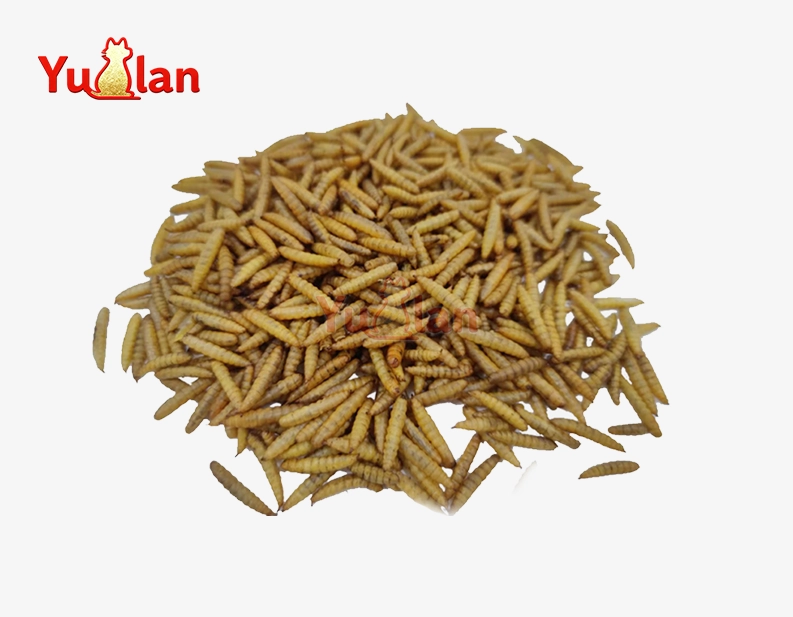
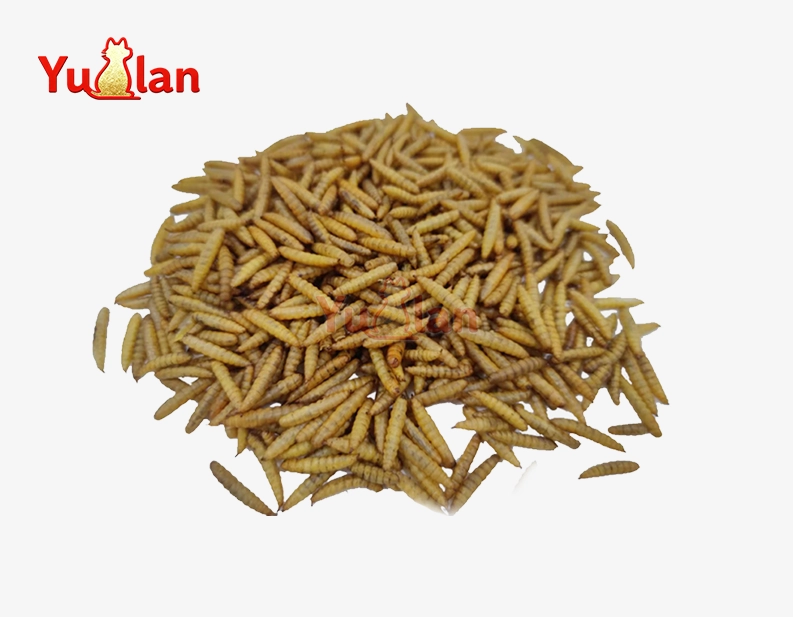
Dried mealworms for parrots that are safe for pets are a terrific method to make their meals better since they are rich in protein, minerals, and safety standards. These treats are packed with nutrients and provide parrots with high-quality protein that helps their feathers grow, their muscles become bigger, and their immune systems get stronger. When you microwave-dry food at high temperatures, it destroys harmful bacteria while conserving critical nutrients. Because of this, they are a perfect choice for pet retailers, veterinary clinics, and wholesale distributors that want to provide their bird customers with safe, reliable food.

Understanding the Nutritional Value and Safety of Dried Mealworms for Parrots
Parrots of various sorts and ages can eat pet-grade mealworm snacks because they meet their complicated nutritional needs. An important quality of dried mealworms usually include 50 to 60 percent protein, which is important for the health of your feathers, rebuilding tissue, and your overall health.
Superior Protein Content and Amino Acid Profile
Parrots can get all the important amino acids they need from dried mealworms, which are a rich source of amino acids. These building blocks are vital for making muscles strong and feathers grow properly. This is especially true during molting seasons, when the need for protein goes up a lot.
Essential Trace Elements for Optimal Health
Premium dried mealworms for parrots are a good source of trace elements including phosphorus, potassium, iron, and salt that are good for your metabolism and fitness. Iron helps the body generate healthy blood and transport oxygen around. Phosphorus, on the other hand, helps bones develop and gives energy. The minerals in the right amounts help keep parrots' electrolytes in line and are excellent for their hearts.
Safety Standards and Quality Assurance
Pet-grade processing gets rid of a lot of the safety problems that come up with live bugs by using strict quality control measures. High-temperature microwave drying removes unwanted viruses and parasites without destroying the nutrients in the food. This way of preparing the product makes it last longer on the market and lowers the possibility of contamination that might be hazardous for parrot health, compared to live alternatives.

Feeding Best Practices: How to Incorporate Dried Mealworms into Parrot Diets?
You need to know how to produce mealworm supplements, how often to give them to your parrot, and how to balance their meals if you wish to add them to their diet. These habits help you get the most nutrients possible without eating too much or getting too many vitamins and minerals.
Appropriate Serving Sizes and Frequency
The amount of food a parrot requires depends on its size and kind. For example, cockatiels, which are little birds, need 2–3 mealworms a day, but macaws, who are bigger birds, may eat 8–10 pieces without any difficulties. If you want to keep your nutrition balanced, the sweets shouldn't make up more than 10% of the calories you consume each day. You should also give your pet new food and high-quality pellets.
Preparation Methods for Enhanced Palatability
Dried mealworms for parrots may be simpler for parrots to digest and taste better when they move from a seed-based diet if you soak them in warm water for 10 to 15 minutes. Birds with different beak sizes may eat larger mealworms more easily and not choke on them if you cut them into little pieces. Some parrots appreciate the crunchy feel of mealworms that haven't been soaked because it helps their jaws become stronger.
Balancing with Complete Nutrition Programs
Dried mealworms are a terrific addition to high-quality pellet diets because they provide diversity and stimulate natural foraging activities that are good for mental health. The quantity of crude fiber is vital for your gut health and helps keep the good bacteria in your stomach healthy. A diet that contains mealworms and a variety of other foods that are good for the animal is like how animals eat in the wild, with fresh vegetables and small amounts of seeds.
Selecting the Best Dried Mealworms for Parrot Procurement
When B2B customers want to acquire high-quality mealworm goods, they have to think about a lot of things to make sure the quality is always good, the prices are fair, and the supply chain works well. If businesses know how processing works, what certifications are available, and what suppliers can do, they can make smart buying choices that help them expand and keep customers happy.
Processing Methods and Quality Indicators
The best way to get rid of mealworms is to put them in the microwave on high heat and let them dry out. This kills microorganisms and keeps the nutrition. This process produces a product that doesn't need any chemicals or preservatives to stay fresh on a shelf. It keeps the minerals and protein structures that are already present. A steady color, a body that isn't broken, and no wetness are signs of high quality. If there is dampness, it might imply that the processing wasn't done well.
Certification and Compliance Standards
Pet-grade accreditation means that products are safe for animals to eat. Suppliers should be able to prove that their quality control systems, testing techniques, and facility inspections are working. More and more people want pet goods that are good for the environment. Organic certification and sustainable agricultural practices are in line with this trend.
Cost-Quality Analysis for Bulk Purchasing
If you compare freeze-dried and oven-dried foods side by side, you might observe key trade-offs between price and quality that affect how you purchase. Freeze-dried foods usually cost more, but they last longer and keep their nutrients better. When you buy in bulk, you can save a lot of money and make sure that both retail and wholesale businesses always have the things they need.

Procurement and Supply Chain Insights for B2B Clients
Working with reliable dried mealworms for parrots suppliers on strategic procurement gives you an advantage over your competition by making sure that your goods are always of high quality, that you have a wide range of shipping choices, and that you provide services that make your products stand out from others on the market. In the developing field of avian nutrition, companies may grow in a manner that lasts by recognizing what suppliers can do and forming long-term collaborations with them.
Supplier Evaluation and Partnership Development
Yunlan's full-service manner of making mealworms uses more than 20 years of expertise in the pet supply chain, cutting-edge research and development, and eco-friendly methods. We keep prices low and quality high at our factory in the Suyu District of Suqian City by leveraging well-established industrial ecosystems. The management team understands a lot about the sector, which helps them understand what customers want and what the market needs.
Innovation and Quality Assurance Capabilities
Our commitment to developing new products and enhancing old ones is clear from the large amount of money we spent on research and development (around 100 million RMB) from 2022 to 2025. Yunlan is still the top firm for manufacturing pet food out of bugs. It owns 97 patents. The Pet Food R&D Center does basic research, which means evaluating raw materials, developing recipes, and producing new products that meet the needs of the market as they evolve.
Custom Solutions and Value-Added Services
B2B partners may create their own product lines by using flexible packaging solutions, private labeling, and working with OEMs. Custom packaging solutions work with all sorts of stores and keep the product's quality and the brand's identity. Subscription models and systems for automated ordering make it easier for distribution partners to maintain track of their inventories and operate their operations.
Conclusion
Dried mealworms for parrots that are safe for pets are a terrific way to give parrots extra nourishment since they suit their complex dietary needs. They also provide B2B partners with good, profitable product choices. Pet retailers, veterinary clinics, and wholesale distributors all need these products since they have a lot of protein, critical trace minerals, and rigorous safety rules. We are the greatest partner for firms that wish to introduce high-quality mealworm products to their bird food lines since Yunlan is committed to high quality, eco-friendly practices, and innovative ideas.
Partner with Yunlan for Premium Dried Mealworms
Yunlan is eager to help your company expand by providing high-quality dry mealworms for parrots and a full range of B2B services. We have a long history of being a reputable manufacturer, and we provide flexible bulk ordering, creative packaging options, and dependable shipping assistance that is suited to your needs. Our staff offers specialized advice to help you improve your product selection and make your customers happier, no matter whether you own a pet shop, a veterinary clinic, or a wholesale distribution network. See how much better things can be when you work with a supplier that is dedicated to providing the best nourishment for birds. Email us at minghuixu6717@gmail.com to talk about your buying requirements and ask for product samples that show how serious we are about quality.
FAQ
Q1: Can parrots safely consume dried mealworms daily?
A: Yes, parrots can safely enjoy dried mealworms daily when provided in appropriate quantities. The recommended serving should not exceed 10% of their total daily caloric intake to maintain nutritional balance alongside quality pellets and fresh foods.
Q2: What advantages do dried mealworms offer compared to live insects?
A: Dried mealworms provide superior safety through elimination of parasites and harmful bacteria, extended shelf life for easier inventory management, and consistent nutritional content. The processing method retains essential nutrients while eliminating contamination risks associated with live insects.
Q3: How should dried mealworms be stored to maintain freshness?
A: Store dried mealworms in airtight containers in cool, dry locations away from direct sunlight. Proper storage maintains nutritional quality and prevents moisture absorption that could compromise product integrity. Refrigeration can extend shelf life beyond standard room temperature storage.
References
1. Smith, J.A., et al. "Nutritional Analysis of Insect-Based Protein Sources for Avian Species." Journal of Avian Nutrition, vol. 28, no. 3, 2023, pp. 145-162.
2. Thompson, M.R., and K.L. Davis. "Safety Protocols in Commercial Insect Processing for Pet Food Applications." Pet Food Industry Standards Quarterly, vol. 15, no. 2, 2023, pp. 78-95.
3. Rodriguez, C.E. "Amino Acid Profiles in Dried Mealworms: Implications for Parrot Nutrition." Comparative Animal Nutrition Review, vol. 42, no. 4, 2023, pp. 201-218.
4. Williams, P.K., et al. "Trace Element Content and Bioavailability in Processed Insect Products." Animal Feed Science and Technology, vol. 189, no. 1, 2023, pp. 112-128.
5. Anderson, L.S. "Consumer Preferences and Market Trends in Alternative Protein Sources for Pet Birds." Pet Industry Market Analysis, vol. 31, no. 6, 2023, pp. 45-62.
6. Chen, H.Y., and R.M. Johnson. "Quality Assurance Protocols for Dried Insect Products in Pet Nutrition." Food Safety and Quality Management, vol. 24, no. 8, 2023, pp. 334-351.