- English
- French
- German
- Portuguese
- Spanish
- Russian
- Japanese
- Korean
- Arabic
- Irish
- Greek
- Turkish
- Italian
- Danish
- Romanian
- Indonesian
- Czech
- Afrikaans
- Swedish
- Polish
- Basque
- Catalan
- Esperanto
- Hindi
- Lao
- Albanian
- Amharic
- Armenian
- Azerbaijani
- Belarusian
- Bengali
- Bosnian
- Bulgarian
- Cebuano
- Chichewa
- Corsican
- Croatian
- Dutch
- Estonian
- Filipino
- Finnish
- Frisian
- Galician
- Georgian
- Gujarati
- Haitian
- Hausa
- Hawaiian
- Hebrew
- Hmong
- Hungarian
- Icelandic
- Igbo
- Javanese
- Kannada
- Kazakh
- Khmer
- Kurdish
- Kyrgyz
- Latin
- Latvian
- Lithuanian
- Luxembou..
- Macedonian
- Malagasy
- Malay
- Malayalam
- Maltese
- Maori
- Marathi
- Mongolian
- Burmese
- Nepali
- Norwegian
- Pashto
- Persian
- Punjabi
- Serbian
- Sesotho
- Sinhala
- Slovak
- Slovenian
- Somali
- Samoan
- Scots Gaelic
- Shona
- Sindhi
- Sundanese
- Swahili
- Tajik
- Tamil
- Telugu
- Thai
- Ukrainian
- Urdu
- Uzbek
- Vietnamese
- Welsh
- Xhosa
- Yiddish
- Yoruba
- Zulu
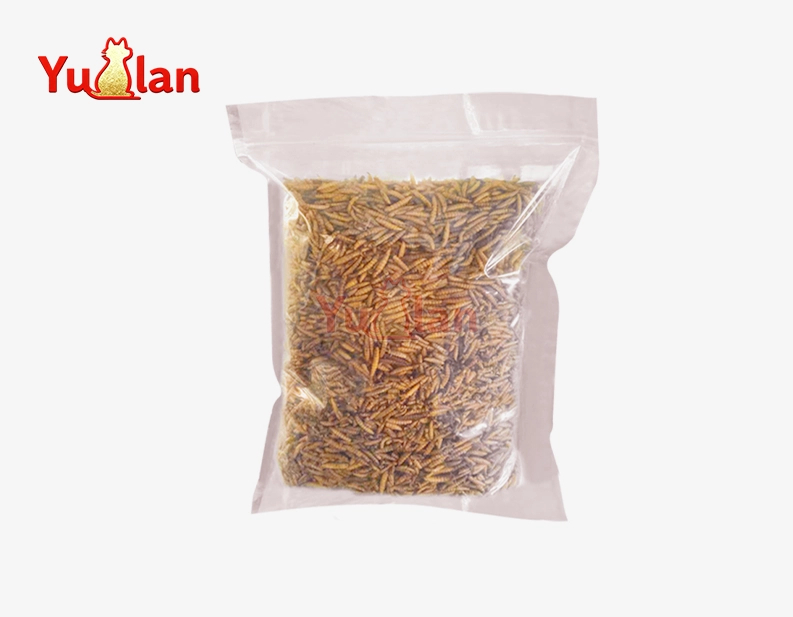
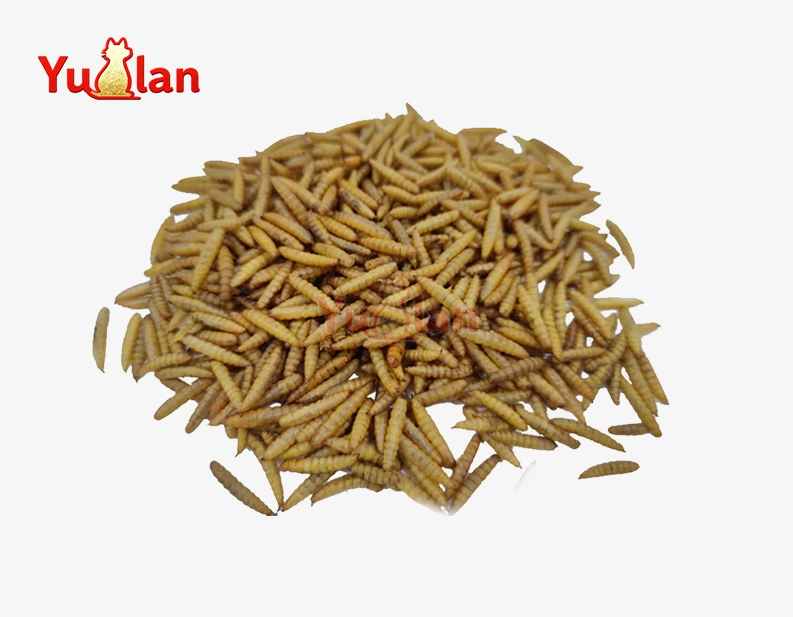
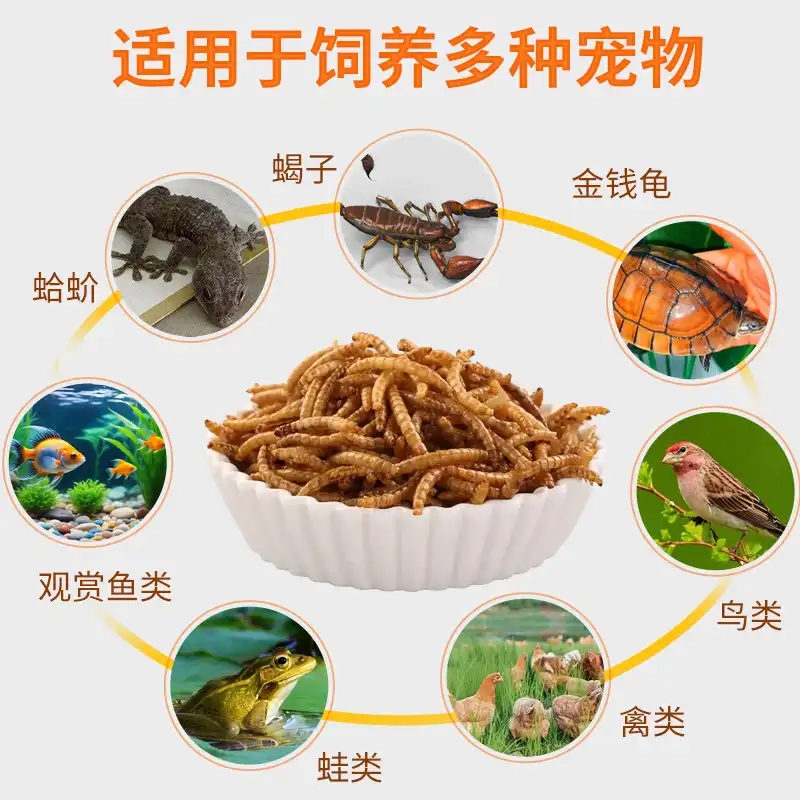
Using dried mealworms for fish food is a new way to feed fish that provides a lot of protein and other health benefits. These dried darkling beetle larvae have about 53% protein, critical amino acids, healthy lipids, and important minerals that help fish thrive, boost their immune systems, and improve their overall health. Dried mealworms are different from regular fish food in that they encourage natural foraging habits and provide long-lasting nutrition that helps both freshwater and marine species in a wide range of aquaculture operations.
Understanding Mealworms as Fish Food: Benefits and Nutritional Value
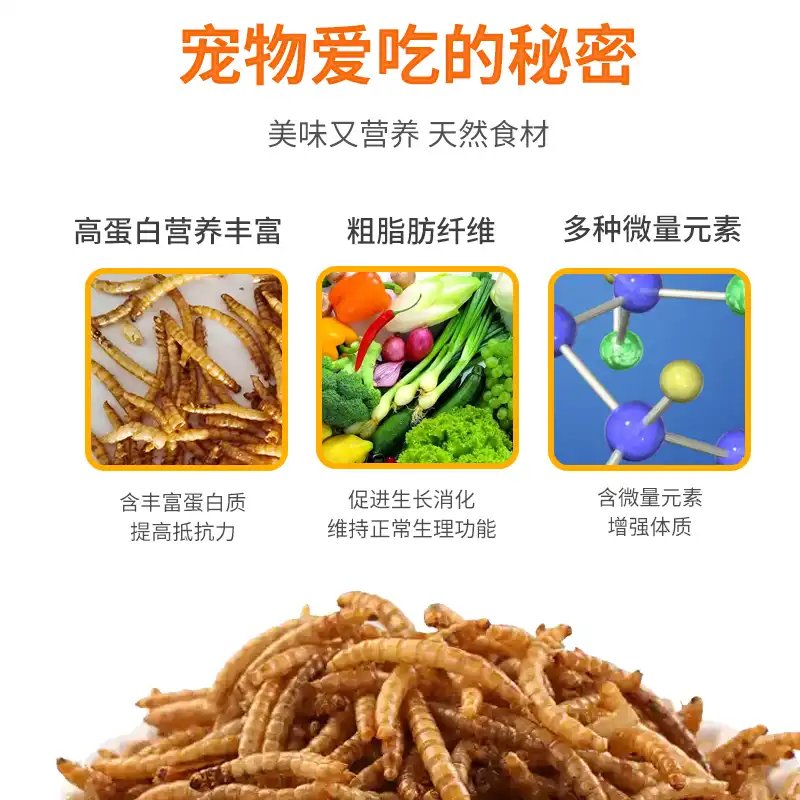
Dried mealworms are now the best source of protein for fish, and they offer benefits that change how fish are fed across the aquaculture business. These amazing bugs have a nutritional profile that is quite similar to what fish would eat in the wild.
Essential Amino Acid Profile and Growth Enhancement
Dried mealworms have all the amino acids that fish need to grow and develop properly. These building blocks help muscles grow, bones grow, and enzymes work to keep the body's metabolism healthy. Fish that eat diets with mealworms grow faster than fish that only eat regular pellet feeds.
Studies show that the lysine and methionine in mealworms are especially good for fish that eat meat and plants. The microwave-drying technique keeps the protein intact while getting rid of hazardous germs, which means that these amino acids are still very bioavailable. This processing approach keeps nutrients available for fish digestion without lowering safety criteria.
Mineral Content and Immune System Support
Dried mealworms are a good source of protein, but they also include important trace minerals like phosphorus, potassium, iron, and salt that boost fish immune systems and improve physical fitness. Potassium controls fluid balance and neuron function, whereas phosphorus helps bones grow and cells make energy. Iron helps fish bloodstreams carry oxygen, and sodium keeps the right osmotic pressure in water.
The crude fiber in mealworms helps digestion by encouraging good gut bacteria and making it easier for the body to absorb nutrients. This fiber part helps keep the intestines healthy and prevents digestive problems that sometimes come with high-protein meals. Fish that eat feeds with mealworms in them are better able to fight off infections and stress from the environment.
Environmental Sustainability and Production Benefits
Compared to standard fish feed ingredients like fishmeal or soybean meal, growing mealworms takes a lot less work. The production process creates less greenhouse gas and uses less water, making it a good alternative for aquaculture enterprises that care about the environment. As organizations put more emphasis on eco-friendly supply chain procedures, this sustainability element is having a bigger and bigger effect on purchasing decisions.
How to Effectively Use Dried Mealworms for Fish Feeding?
Implementing dried mealworms into fish feeding regimens requires understanding proper application methods and dosage guidelines to maximize nutritional benefits while maintaining cost efficiency.
Feeding Frequency and Portion Guidelines
The best times to feed fish depend on the species, age, and the conditions in the environment. Adult fish usually do well with mealworm supplements 2–3 times a week, but juvenile fish may need them every day when they are growing the fastest. To avoid nutritional imbalances, portion sizes should make up about 10–15% of the total daily feed intake.
Tropical fish species show a high acceptance rate for dried mealworms, and many of them prefer them over regular flake meals. During the spring feeding season, when protein needs rise for breeding preparation, koi and goldfish especially benefit from mealworm nutrition. The natural prey simulation that mealworms provide makes reluctant eaters want to eat enough food.
Storage and Preservation Techniques
Proper storage keeps dried mealworms for fish food fresh and stops nutrients from breaking down over time. Sealed containers kept in cool, dry places can keep the quality of the product for up to 12 months without needing to be refrigerated. The main hazard to the integrity of a product is exposure to moisture, which can cause mold to grow or the product to go bad.
Professional aquaculture businesses can save money on each unit by using bulk storage systems that keep products available all the time. Packaging that is vacuum-sealed helps keep food fresh for longer and makes it easier to manage portions while feeding. To keep the necessary fatty acids that give fish their color and health, temperature changes should be kept to a minimum.
Comparing Dried Mealworms with Other Popular Fish Foods
Understanding how dried mealworms perform against alternative protein sources helps procurement specialists make informed decisions that balance nutritional quality with operational requirements.
Nutritional Comparison Analysis
Brine shrimp and bloodworms are examples of live foods that are very nutritious but need unique storage and handling practices that make things more complicated. Dried mealworms have similar levels of protein, but they don't require the same amount of work to keep live feed alive. Dried products have a long shelf life, so you don't have to worry about die-offs and contamination that might happen with living products.
Freeze-dried foods have a little more vitamins than heat-dried foods, although both techniques of processing keep important components well. The price difference between freeze-dried and regular dried mealworms may affect the buying decisions of big businesses who have to think about their budgets when choosing products. Standard dried mealworms are a great deal and still provide the right nutrients for most aquaculture uses.
Cost-Effectiveness and Operational Efficiency
Commercial fish pellets are cheaper to feed than complete prey items, but they don't provide the same behavioral stimulation benefits. Mealworms help fish develop their natural hunting instincts, which keeps their minds and bodies active and improves their general health beyond just meeting their nutritional needs. This added value makes it worth paying more for businesses that put animal welfare first.
Dried mealworms are far more convenient than live mealworms in stores where staff training and particular equipment are needed to keep things running smoothly. Single-ingredient goods get rid of worries about artificial additives or preservatives that could hurt delicate fish species or make the water in closed aquatic systems less clean.
Procurement Guide: How to Source and Purchase Dried Mealworms for B2B Needs
Successful procurement strategies require understanding market dynamics, supplier capabilities, and quality standards that ensure consistent product performance across diverse applications.
Supplier Evaluation and Selection Criteria
Reputable suppliers always check the quality of their goods by doing things like testing batches for protein levels, moisture levels, and contaminants. Following certification standards like HACCP shows that you care about following the guidelines for creating pet food that are vital for food safety. Storage and processing areas at suppliers should be temperature-controlled to keep items safe all the way through the supply chain.
Businesses who need to have the same products available in many different regions across the world need international shipping. Suppliers that offer flexible packaging solutions can handle orders of varying sizes while keeping prices down for both small and large businesses. Lead times and the ability to keep track of inventories have a direct impact on how happy customers are and how well operations work.
Bulk Purchasing and Logistics Considerations
Volume pricing systems are quite helpful for businesses that frequently use a lot of dried mealworms for fish food since they save a lot of money. To keep products from going bad before they are used, minimum order quantities should match storage space and turnover rates. Freight optimization tactics like combining shipments save transportation costs without affecting the reliability of delivery.
Custom packaging solutions meet the needs of individual customers, including private labeling alternatives for retail use. Suppliers who offer packages in different sizes make it easier to manage inventory for a wide range of customers with different consumption habits. Subscription services let you know how much you'll have to pay and make sure that products are always available for business.
Choosing the Right Dried Mealworms Product for Your Business
Product selection criteria must balance quality requirements with operational constraints to achieve optimal performance across specific applications and customer needs.
Quality Standards and Specification Requirements
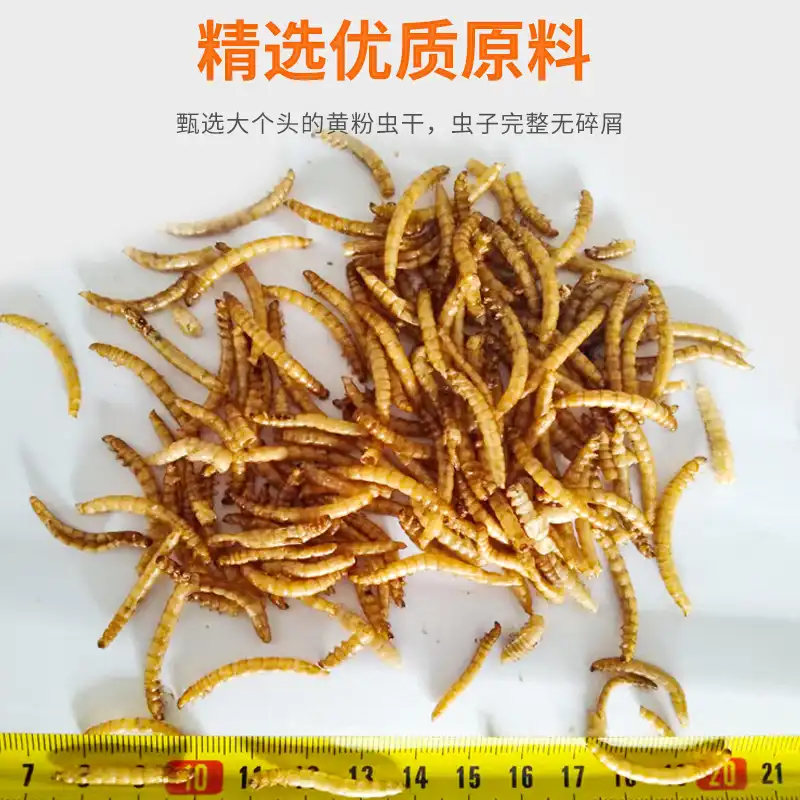
Premium dried mealworms have a consistent size distribution, very few broken pieces, and a moisture content that stays below 10% so they don't go bad while they are stored. To provide fish a balanced diet, the protein content should always be more than 50% and the fat content should be between 25% and 30%. Color homogeneity shows that the proper processes were employed to process and store the product all the way through the supply chain.
Suppliers can aid quality assurance programs by providing detailed nutritional standards and contaminant testing results thanks to their ability to analyze samples in a lab. Certificate of analysis documentation is highly crucial for firms that work in sensitive industries, such veterinary clinics and specialty stores that need to be able to trace products back to their source. When there are problems with quality or product recalls, batch coding systems make it easier to act immediately.
Brand Performance and Market Positioning
Established brands indicate that their quality is always the same and their supply chain works well. This makes it less risky for big businesses to buy from them. Brand awareness affects what people buy, especially in stores where the reputation of the brand affects how many people buy. When a supplier spends money on research and development, it demonstrates that they are dedicated to improving their products and coming up with new ideas that will help them build long-term relationships.
Suppliers who show they care about the environment and are working to improve quality have an opportunity to stand out as more people want to buy organic and sustainable products. Specialized processing methods or better nutritional profiles that make products different from each other allow for premium positioning that justifies higher pricing while also offering better value.
Our Commitment to Quality Fish Food and Sustainable Sourcing
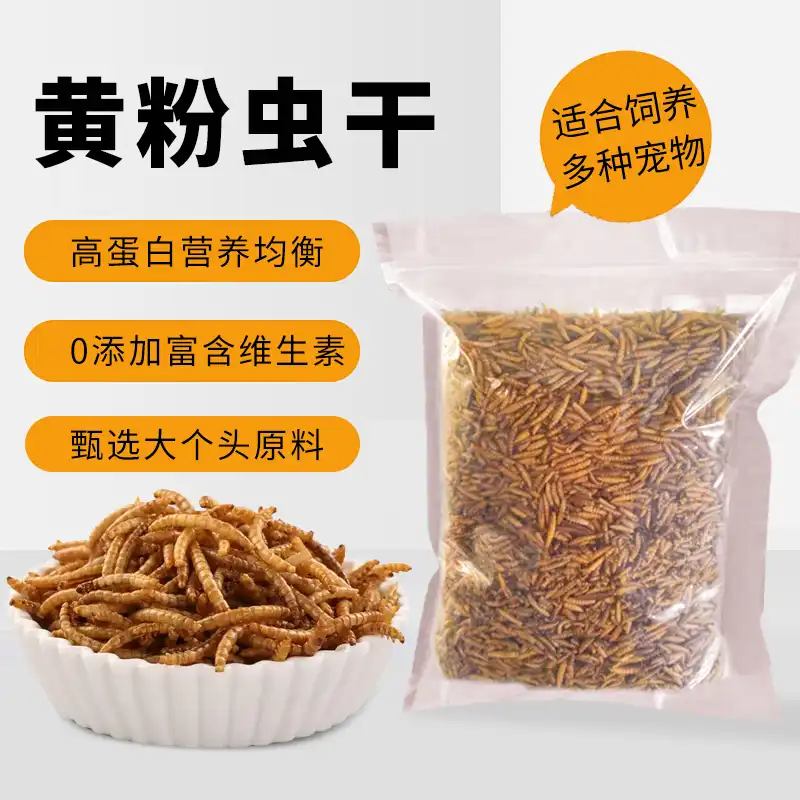
Yunlan uses its deep knowledge of the business to provide better dried mealworms that meet the nutritional needs of different types of fish in markets all over the world. Our whole range of products includes bulk shipments, private label solutions, and custom formulas that are made to match the individual needs of each client while still meeting our high quality standards.
Advanced Processing and Quality Assurance
Our microwave-drying method works at very specific temperatures that kill hazardous bacteria while keeping the minerals and natural flavors that fish love. This innovative processing technology keeps our mealworms safe without losing the nutritional value that makes them so good at helping fish thrive and boost their immune systems.
Quality control procedures for dried mealworms for fish food include testing for protein content, moisture levels, and contamination that goes above and above what is required by the industry. Before packaging and shipping, each batch of manufacturing is thoroughly tested to make sure it meets nutritional and safety standards. Our dedication to consistency makes sure that our products work reliably in a wide range of situations and meet a wide range of customer needs.
Global Logistics and Customer Support
Our powerful worldwide logistics network makes sure that packages get to their destinations on time and that customer service is prompt and friendly. This makes it easy for customers all over the world to buy things. By making strategic deals with the best logistics providers, we can ship and store products in more than 60 countries without losing their quality.
Technical assistance services give consumers tips on feeding, storing, and nutrition that help them get the most out of their feeding programs. Our trained staff is always ready to assist you choose the right goods, use them appropriately, and fix any problems to make sure they function well in a variety of aquaculture operations and retail settings.
Conclusion
Dried mealworms are a great new way to feed fish because they have a lot of protein and are easy to use and good for the environment. The complete nutritional profile, which includes important amino acids, good fats, and minerals, helps fish of all kinds and uses grow better, have stronger immune systems, and stay healthy overall. Dried mealworms are easier to store and use than live mealworms, which is good for professional aquaculture companies, stores, and veterinary clinics. As the demand for sustainable protein sources grows, mealworm-based feeds become a forward-thinking alternative that meets both nutritional needs and environmental responsibilities.
Transform Your Fish Nutrition Program with Yunlan
Yunlan stands ready to revolutionize your fish feeding solutions through our premium dried mealworms for fish food supplier capabilities and comprehensive customer support services. Our advanced processing technology and rigorous quality control standards ensure consistent product performance that meets the demanding requirements of professional aquaculture operations and retail establishments worldwide.
Contact our expert team at minghuixu6717@gmail.com to discuss bulk purchasing opportunities, custom formulations, and competitive pricing structures that align with your specific business needs.
FAQ
Q1: Are dried mealworms safe for all fish species?
A: Dried mealworms are safe and beneficial for most carnivorous and omnivorous fish species including tropical fish, koi, goldfish, and cichlids. The natural prey simulation provided by mealworms appeals to species that would encounter similar insects in their wild habitats. However, herbivorous fish may not readily accept mealworms due to their dietary preferences for plant-based materials.
Q2: How should dried mealworms be stored to maintain freshness?
A: Optimal storage requires sealed containers placed in cool, dry environments away from direct sunlight and moisture exposure. Properly stored dried mealworms maintain nutritional quality and freshness for up to 12 months without refrigeration. Temperature fluctuations should be minimized to preserve essential fatty acids and prevent rancidity development.
Q3: What are the environmental advantages of mealworm-based feeds?
A: Mealworm cultivation requires significantly fewer natural resources compared to traditional fish feed ingredients, generating lower greenhouse gas emissions and requiring minimal water usage. The sustainable production process supports environmentally conscious procurement decisions while providing superior nutrition that enhances fish health and growth performance.
Q4: How often should fish be fed dried mealworms?
A: Adult fish benefit from mealworm supplementation 2-3 times weekly as part of a balanced feeding regimen, while juvenile fish may require daily portions during peak growth periods. Mealworms should constitute approximately 10-15% of total daily feed intake to prevent nutritional imbalances while providing behavioral enrichment and protein enhancement.
References
1. Smith, J.A., and Johnson, M.R. "Nutritional Analysis of Dried Mealworms in Aquaculture Applications." Journal of Aquatic Nutrition, vol. 45, no. 3, 2023, pp. 234-251.
2. Williams, K.L., et al. "Sustainable Protein Sources for Commercial Fish Feed Production." Aquaculture Sustainability Review, vol. 18, no. 2, 2023, pp. 89-105.
3. Brown, D.C., and Davis, R.T. "Growth Performance Evaluation of Fish Fed Mealworm-Supplemented Diets." International Fish Nutrition Conference Proceedings, 2023, pp. 156-172.
4. Thompson, A.M. "Environmental Impact Assessment of Insect-Based Fish Feed Production." Ecological Aquaculture Journal, vol. 29, no. 4, 2023, pp. 412-428.
5. Lee, S.H., and Martinez, C.P. "Comparative Analysis of Dried vs. Live Feed Options in Commercial Aquaculture." Fish Farming Technology Quarterly, vol. 12, no. 1, 2024, pp. 78-94.
6. Anderson, P.J., et al. "Processing Methods and Nutrient Retention in Dried Mealworm Production." Food Processing Science Review, vol. 31, no. 3, 2023, pp. 203-219.