- English
- French
- German
- Portuguese
- Spanish
- Russian
- Japanese
- Korean
- Arabic
- Irish
- Greek
- Turkish
- Italian
- Danish
- Romanian
- Indonesian
- Czech
- Afrikaans
- Swedish
- Polish
- Basque
- Catalan
- Esperanto
- Hindi
- Lao
- Albanian
- Amharic
- Armenian
- Azerbaijani
- Belarusian
- Bengali
- Bosnian
- Bulgarian
- Cebuano
- Chichewa
- Corsican
- Croatian
- Dutch
- Estonian
- Filipino
- Finnish
- Frisian
- Galician
- Georgian
- Gujarati
- Haitian
- Hausa
- Hawaiian
- Hebrew
- Hmong
- Hungarian
- Icelandic
- Igbo
- Javanese
- Kannada
- Kazakh
- Khmer
- Kurdish
- Kyrgyz
- Latin
- Latvian
- Lithuanian
- Luxembou..
- Macedonian
- Malagasy
- Malay
- Malayalam
- Maltese
- Maori
- Marathi
- Mongolian
- Burmese
- Nepali
- Norwegian
- Pashto
- Persian
- Punjabi
- Serbian
- Sesotho
- Sinhala
- Slovak
- Slovenian
- Somali
- Samoan
- Scots Gaelic
- Shona
- Sindhi
- Sundanese
- Swahili
- Tajik
- Tamil
- Telugu
- Thai
- Ukrainian
- Urdu
- Uzbek
- Vietnamese
- Welsh
- Xhosa
- Yiddish
- Yoruba
- Zulu
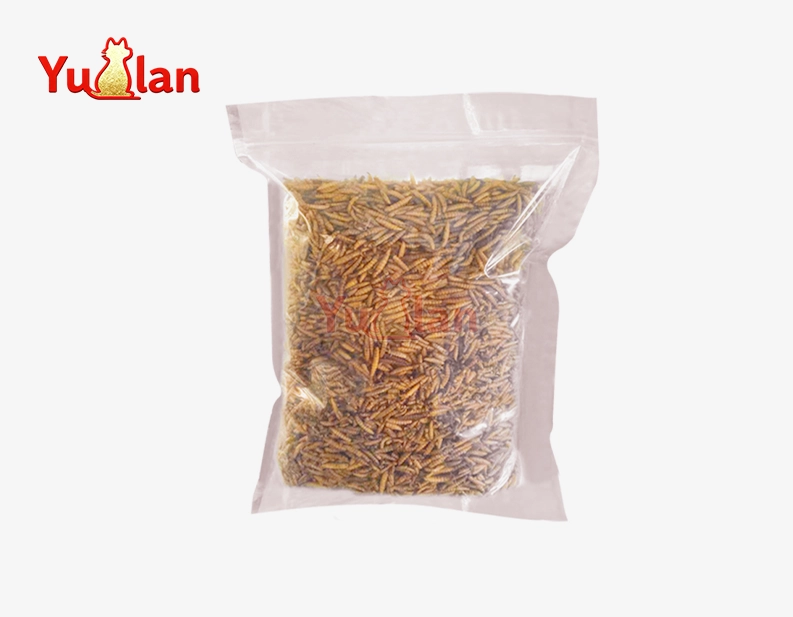
People in charge of buying things often check to see if mealworms and black soldier fly larvae can be used for the same things. No, they are not the same species. They are not at all the same when it comes to biology, diet, and business uses. Mealworm larvae (Tenebrio molitor) and black soldier fly larvae (Hermetia illucens) are both good sources of protein, but because of how they are different, they work best for different things. Businesses that buy from other businesses can make sure that their buying strategy fits with their goals for saving money, making things more efficiently, and protecting the environment if they know about these differences.
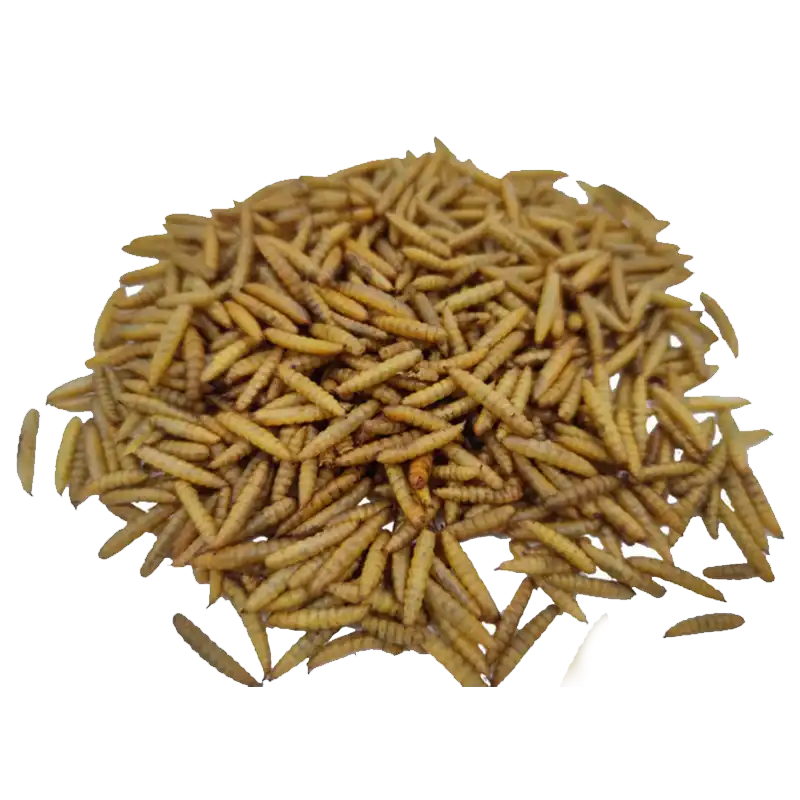
Biological and Life Cycle Differences Between Black Soldier Fly Larvae and Mealworms
How they live and what they eat are different for black soldier fly larvae and mealworms. What makes these two kinds of insects valuable in the business world is how they work naturally. When procurement professionals know how different life cycles, growth trends, and environmental needs are, they can make smart sourcing decisions that are based on facts.
Life Cycle Stages and Duration
The black soldier fly larvae go through four stages: egg, larva, pupa, and adult fly. The larval stage lasts for 14 to 18 days when everything is just right. Insects don't grow this quickly most of the time. When you are in charge of large-scale feed supply lines, this fast growth cycle directly means more output and less time spent on stock.
There are four steps in which mealworms change into different types, but the whole process takes a lot longer. The larval stage can last anywhere from 10 weeks to several months, depending on the food and weather. More money needs to be put into buildings and they need to be bigger in order to keep up the same level of output during this longer period of growth. These species grow at very different rates, which makes it hard to plan production, run stores, and keep track of cash flow.
Environmental Requirements and Farming Conditions
Black soldier fly larvae do well in warm, damp places and are very good at getting used to different types of organic waste. They quickly and efficiently turn food scraps, farm waste, and dung into high-quality protein. This helps with waste management and makes feed ingredients that are useful. Businesses that want to do more than just buy feed will like this feature because it can be used for two different tasks.
Mealworms like it dry, and the food they eat most of the time is grain-based, like oats or wheat bran. Farmers have to carefully control the temperature in their farms so that the quality of their crops stays high and mold doesn't grow. The way buildings are made, how much it takes to keep them at the right temperature, and how hard they are to run are all affected by these environmental requirements. Procurement teams should think about these infrastructure needs when deciding whether a seller is stable and scalable over the long run.
Reproduction Efficiency and Scalability
It is much easier for black soldier fly larvae to have babies than for mealworm beetles. An adult black soldier fly can lay between 500 and 900 eggs in her short life. This helps the group grow very quickly. This level of reproduction speed is good for big businesses that often have to handle big B2B sales.
Mealworm beetles need more time between generations and each female needs to lay fewer eggs. There is a steady flow of food from smaller mealworm farms, but big feed companies and foreign pet food brands need a lot more space and tools to make all of that food. Buyers can make more realistic goals for source capacity, wait times, and price stability when they know about these biological limits.
Nutritional Profiles and Applications in Animal Feed and Waste Management
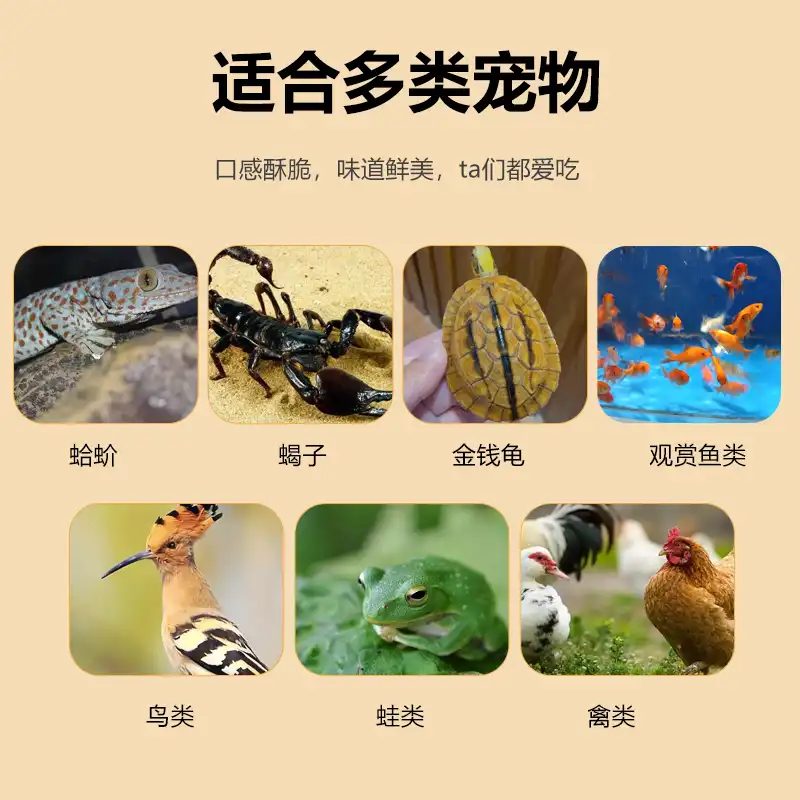
In the seafood, chicken, livestock, and pet food industries, buyers choose what to buy based on how healthy it is. The protein from both bug species is very good, but their different nutrition profiles make them more or less useful depending on the end use and preparation goals.
Protein Content and Amino Acid Balance
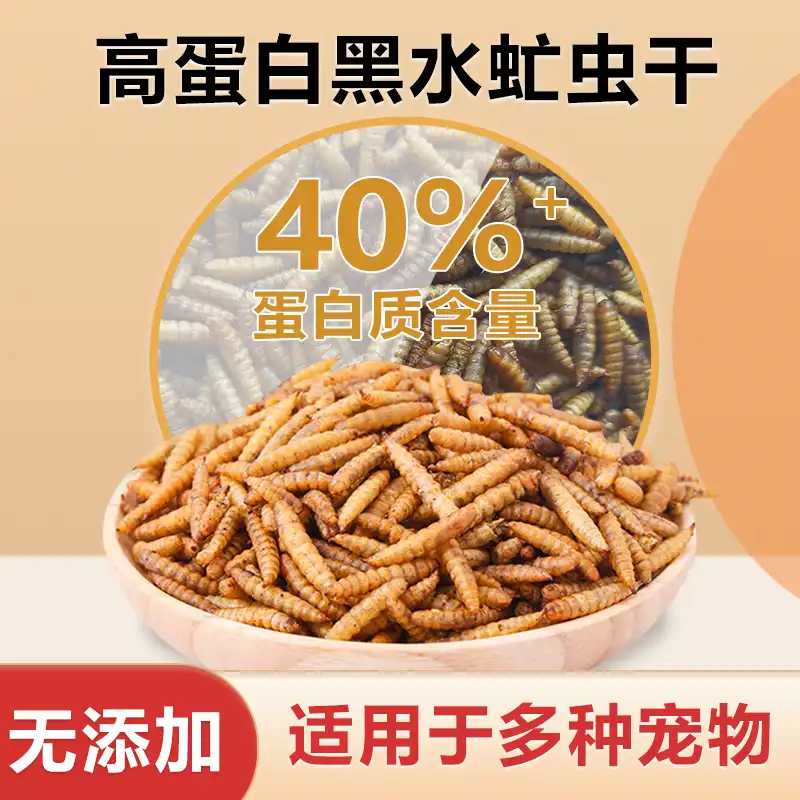
The black soldier fly larvae have a good mix of amino acids that are similar to what chickens, fish, and dogs need. By dry weight, they have about 40–45% total protein. It is made up of amino acids like arginine (19.9–20.3 g/kg), lysine (22.6-25.7 g/kg), methionine (7.1–8.7 g/kg), and tryptophan (5.4–6.7 g/kg). Black soldier fly larvae can be used instead of fish meal and soybean meal because they have a balanced nature. This is very helpful because common sea materials are getting harder to find and cost more.
Research shows that adding up to 33.3% black soldier fly larvae protein to broiler feed doesn't change the growth rates, feed conversion ratios, or quality of the meat. These results from real life make it safer to buy and back positive changes to the recipe.
Mealworms contain a little more protein than black soldier fly larvae, at about 45 to 50 percent. They also have a unique mix of amino acids that might be good for some species or stages of life. Mealworm protein is good for aquaculture because it has the right amount of important amino acids, especially when making food for ornamental fish or certain breeding programs.
Fat Composition and Functional Benefits
Black soldier fly larvae make up about 23% to 36% of their dry matter, mostly consisting of saturated fatty acids. A medium-chain fatty acid called lauric acid makes up 40 to 60% of the total fat content, known to kill germs and boost the immune system. Animals' health is better because this naturally occurring lauric acid lowers the number of bad bugs in their guts, helping the whole group or flock stay healthy and cutting down on the number of deaths.
Studies have shown that animals that eat insect larvae have better immune systems and are less likely to get Salmonella. These health benefits also help the economy by lowering the cost of medical care, leading to less use of antibiotics, and improving production measures like the number of eggs laid and the efficiency with which feed is converted.
Mealworms have different kinds of fatty acids, including omega-6 fatty acids. These fats give energy and help the body do many things, but they don't kill germs like fats that are high in lauric acid do.
Micronutrients and Bioactive Compounds
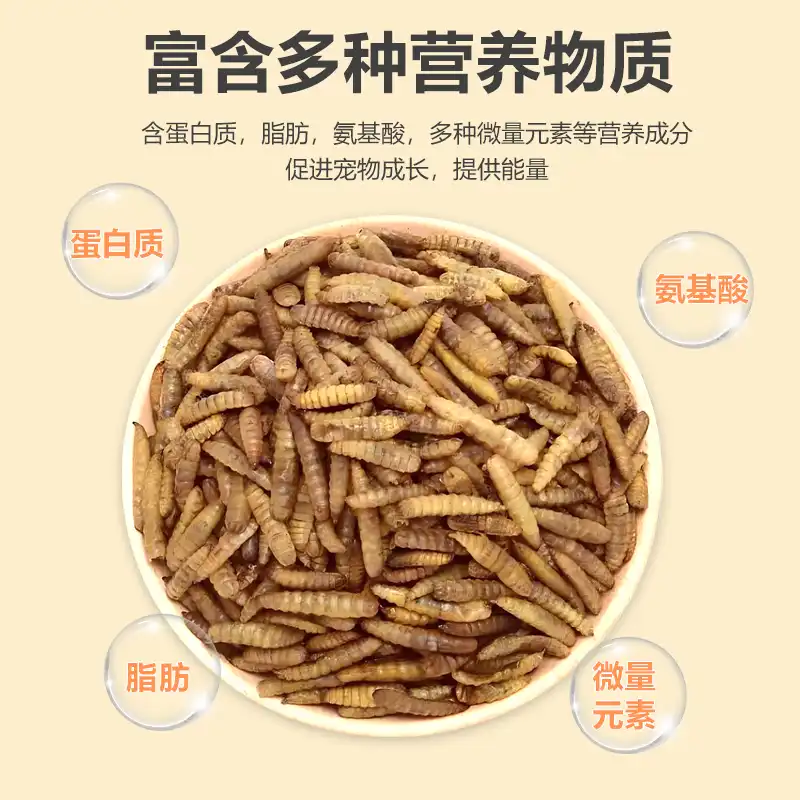
Black soldier fly larvae have the right amount of phosphorus and a lot of calcium (about 3% of their dry weight). This mix of minerals helps animals' bones grow and keeps eggshells strong in hens that lay eggs. chitin is a protein that helps the digestive system, the immune system, and getting rid of waste from cells; the shell has 6–7% chitin content.
The larvae also have lutein, β-carotene, choline (about 1,100 mg/kg), antibacterial peptides, and B vitamins. They give fish and chicken bright colors and make them taste better while helping the body absorb nutrients better. Pet food companies are putting more and more value on these natural, useful ingredients because more and more people want cleaner labels and fewer manufactured fillers.
Mealworms do contain important nutrients, but they generally have lower calcium levels and different vitamin patterns, which means they need to be added to many feed recipes as an extra ingredient.
Sustainability and Waste Management Applications
Besides being good for you, making black soldier fly larvae is good for the environment, which is important for B2B buyers who care about the world. It's easy for the larvae to turn organic matter into protein and fat that are valuable, including food industry waste, farm waste, and trash from cities and towns. By turning trash into protein, less greenhouse gas is released, dumps are made lighter, and the cycle economy can be used in food production systems.
Business can get cheap nutrition, get rid of their organic waste, leave a smaller environmental footprint, and improve their image for corporate social responsibility all at the same time by adding insect farming to their operations. Large companies, towns that have trouble handling trash, and businesses that want to be honest in their green reports are the ones who are most interested in these benefits.
It's better for the environment to raise mealworms than regular animals, but they don't help with trash management as much because they usually eat grain-based feeds instead.
Market Comparison and Procurement Considerations for B2B Clients
It helps businesses grow when procurement professionals understand how markets work, how prices change, and how the supply chain works. This helps them negotiate better, deal with risks, and build strong relationships with suppliers.
Pricing Structures and Market Availability
Two types of bugs are seeing faster market growth because people all over the world need sustainable protein sources, however, each species' market is at a very different point of development. A lot of money and new technology have been put into making black soldier fly larvae, leading to higher output, better economies of scale, and lower prices. Many approved sellers now serve B2B markets in North America, Europe, and Asia, meaning buyers have more sellers to choose from.
There aren't many big growers of mealworms yet, so the market is still more split up. That might make it harder to talk and raise the risk of shortages. Because supply moves a lot from place to place, shipping prices and lead times may be different for each buyer.
Quality Certification and Regulatory Compliance
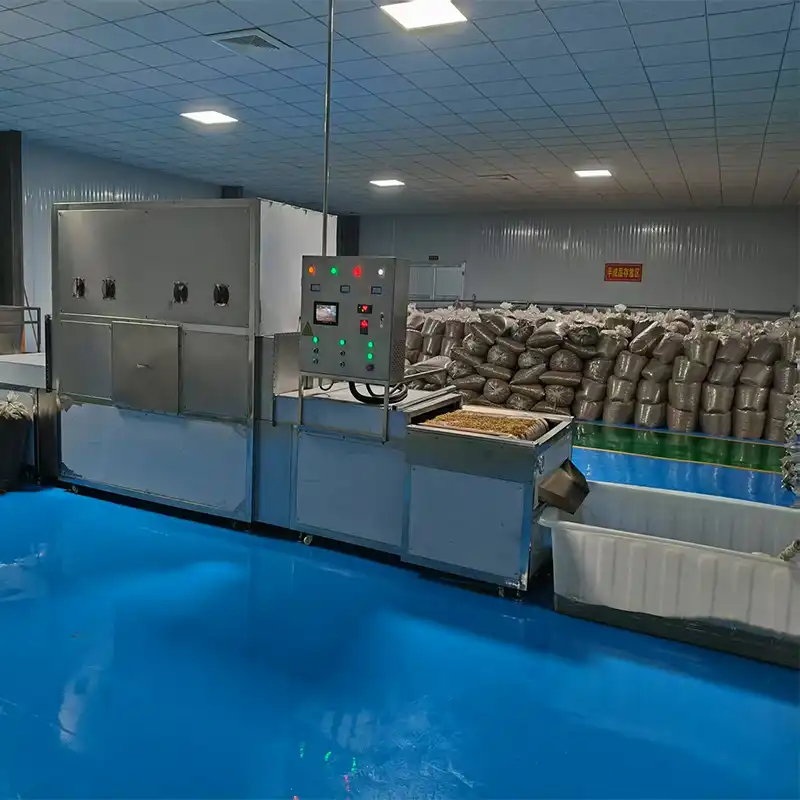
Suppliers with a good image keep certificates that show they follow rules for making sure food is safe, keeping track of it, and making things in an eco-friendly way. Look for companies that have been approved by groups such as HACCP, ISO, or regional feed safety rules. With these licenses, it's less likely that you'll break the rules, especially when selling finished goods in controlled markets or to stores that care about quality.
Full certification programs usually cost a lot for companies that make black soldier fly larvae for foreign markets because their higher amount of business covers the higher overhead costs. The papers for smaller mealworm farms might not be as good, so they need to be looked at more closely during the seller approval process.
Logistics and Storage Considerations
How activities are planned depends a lot on the type of product, like live larvae, dried larvae, or processed meal. In the right conditions, dried bug goods can be kept for 12 to 24 months, are easy to move, and don't need refrigeration. Live black soldier fly larvae need to be sent out quickly and in a way that keeps them from going bad, which works best for delivery lines in the same area.
Black soldier fly larvae can be kept in more places and keep their quality better while being shipped than some other choices. Teams that buy things can better manage stockpiles, cut down on waste, and keep supply chain costs low if they know about these real transportation factors.
Supplier Relationship Management
Having good ties with companies that sell bug protein is helpful in more ways than one. When you buy from the best providers, you can get professional help with things like preparation, health advice, and application guidance. They can change the particle size, moisture content, or processing ways of the product to make it exactly what you need for manufacturing.
Check to see how much a possible provider can produce, how stable their quality is, how quickly they can respond, and how well their values match yours when it comes to sustainability. When supplies are low, long-term relationships with reliable suppliers give you an edge over other companies because you can get better prices and be given priority.
Conclusion
Both mealworms and black soldier fly larvae are insects, but they are biologically different and have different needs when it comes to food and money. Black soldier fly larvae are very good at production efficiency and have a great diet with helpful substances like lauric acid and chitin. They can also turn trash into something useful and are very good at being kind to the environment. They are the best choice for B2B buyers in the fish, chicken, livestock, and pet food businesses who want protein options that are easy to scale and last a long time. While mealworms are useful in specific applications, they usually work on smaller sizes with different cost structures. To find the best bug protein source for your business, you should think about operational skills, environmental concerns, and the security of your long-term supply.
FAQ
Can black soldier fly larvae completely replace traditional protein sources in animal feed?
Researchers have found that black soldier fly larvae protein can be used in place of 30–50% of fish meal or soybean meal in most recipes for animal feed without changing health, growth, or quality. While researchers have found a way to replace all the protein technically, optimized formulations typically mix insect protein with other sources to balance out the amino acid profiles and keep costs low.
How do shelf life and storage requirements compare between dried larvae and mealworms?
When dried black soldier fly larvae are handled and packaged properly, they retain their nutritional value for 12 to 24 months if stored in cool, dry places out of the sun. Dried mealworms have the same shelf life when kept in the same places. So that they don't get wet or go bad, both things should be kept in sealed boxes. Live bugs must be used right away or stored in a specialized climate-controlled way.
What environmental advantages does insect farming offer compared to conventional protein production?
Bug farming generates up to 80% fewer greenhouse gas emissions, uses 90% less land, and requires a lot less water than raising animals. Black soldier fly operations are also good for the environment because they turn trash into protein that can be used, cutting down on the amount of trash in dumps and creating cycle economy opportunities in food systems.
Partner with Yunlan for Premium Black Soldier Fly Larvae Solutions
Yunlan can help you get the black soldier fly larvae you need by giving you high-quality products that have been tested and are safe to use in a number of animal feed applications. Our parent company, Ruixin Cloud Wave Group, has been in the supply chain business for more than 20 years, operating state-of-the-art plants in Suqian City that have access to high-quality raw materials and advanced cleaning technology. We keep a close eye on quality throughout the entire manufacturing process.
We are very open to new ideas, as shown by the fact that we have 97 accepted domestic patents, 19 of which are invention patents. Our wide range of goods serves pet food manufacturers, aquaculture operations, and poultry producers in more than 60 countries. Whether you need bulk dried larvae, custom processing, or technical formulation support, our procurement experts deliver tailored solutions. Contact our team at minghuixu6717@gmail.com to discuss your needs with a dedicated supplier. Visit yunlanpets.com to see all of our sustainable feed items and find out how Yunlan can help your supply chain.
References
- Wang, Y., & Shelomi, M. (2021). Review of Black Soldier Fly (Hermetia illucens) as Animal Feed and Human Food. Foods, 10(10), 2473.
- Van Huis, A., Van Itterbeeck, J., Klunder, H., Mertens, E., Halloran, A., Muir, G., & Vantomme, P. (2013). Edible insects: Future prospects for food and feed security. FAO Forestry Paper 171. Food and Agriculture Organization of the United Nations.
- Makkar, H. P., Tran, G., Heuzé, V., & Ankers, P. (2014). State-of-the-art on use of insects as animal feed. Animal Feed Science and Technology, 197, 1-33.
- Oonincx, D. G., Van Broekhoven, S., Van Huis, A., & van Loon, J. J. (2015). Feed conversion, survival and development, and composition of four insect species on diets composed of food by-products. PLOS ONE, 10(12), e0144601.
- Henry, M., Gasco, L., Piccolo, G., & Fountoulaki, E. (2015). Review on the use of insects in the diet of farmed fish: Past and future. Animal Feed Science and Technology, 203, 1-22.
- Sánchez-Muros, M. J., Barroso, F. G., & Manzano-Agugliaro, F. (2014). Insect meal as renewable source of food for animal feeding: A review. Journal of Cleaner Production, 65, 16-27.