- English
- French
- German
- Portuguese
- Spanish
- Russian
- Japanese
- Korean
- Arabic
- Irish
- Greek
- Turkish
- Italian
- Danish
- Romanian
- Indonesian
- Czech
- Afrikaans
- Swedish
- Polish
- Basque
- Catalan
- Esperanto
- Hindi
- Lao
- Albanian
- Amharic
- Armenian
- Azerbaijani
- Belarusian
- Bengali
- Bosnian
- Bulgarian
- Cebuano
- Chichewa
- Corsican
- Croatian
- Dutch
- Estonian
- Filipino
- Finnish
- Frisian
- Galician
- Georgian
- Gujarati
- Haitian
- Hausa
- Hawaiian
- Hebrew
- Hmong
- Hungarian
- Icelandic
- Igbo
- Javanese
- Kannada
- Kazakh
- Khmer
- Kurdish
- Kyrgyz
- Latin
- Latvian
- Lithuanian
- Luxembou..
- Macedonian
- Malagasy
- Malay
- Malayalam
- Maltese
- Maori
- Marathi
- Mongolian
- Burmese
- Nepali
- Norwegian
- Pashto
- Persian
- Punjabi
- Serbian
- Sesotho
- Sinhala
- Slovak
- Slovenian
- Somali
- Samoan
- Scots Gaelic
- Shona
- Sindhi
- Sundanese
- Swahili
- Tajik
- Tamil
- Telugu
- Thai
- Ukrainian
- Urdu
- Uzbek
- Vietnamese
- Welsh
- Xhosa
- Yiddish
- Yoruba
- Zulu
If you work with the right tofu cat litter manufacturer, you can change your product line and show that your brand cares more about the environment. We know that business-to-business buyers need dependable buying partners who consistently offer quality and new ideas. This is true whether they're in charge of pet stores, e-commerce sites, vet clinics, or wholesale distribution. This guide goes over important things to think about when choosing an OEM partner for plant-based cat litter. It talks about how the litter is made, how to evaluate partners, and new market trends. Our goal is to give procurement workers useful information that makes choosing suppliers easier and helps them build long-lasting relationships in the eco-friendly pet care market, which is growing quickly.
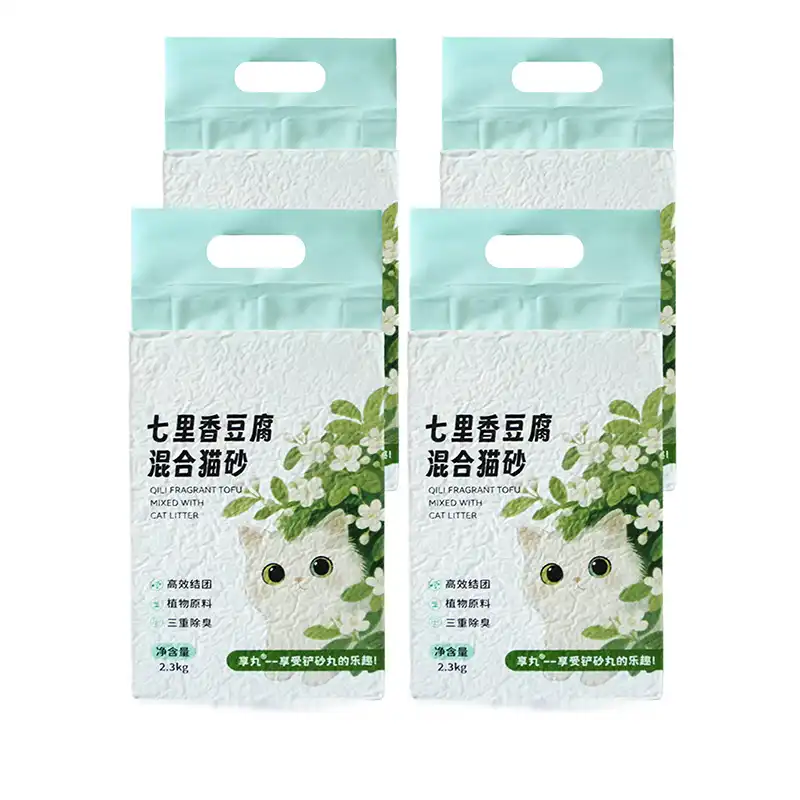
How to Choose the Right OEM Tofu Cat Litter Manufacturer?
Defining Your Procurement Requirements
To start shopping successfully, you need to be clear about what you need. Pet stores may put a lot of emphasis on making sure their products are always available and customizing their own labels, while online sellers usually look for flexible packing choices that look good in photos and ship quickly. Vet offices usually focus on hypoallergenic formulas that are backed by clinical data, while boarding facilities need bulk prices for orders that come in a lot. Setting clear requirements ahead of time, like pellet size, scent choices, packaging options, and shipping times, makes it easier to have useful talks with manufacturers.
Essential Quality Certifications and Standards
Reputable tofu cat litter manufacturers keep a lot of certificates that show they care about quality and safety. ISO 9001 approval shows that quality control systems are in place, and SGS testing verification makes sure that product safety and performance claims are true. If a pet store sells natural goods, they should ask for proof that the products meet USDA organic guidelines. Facilities that make goods for the U.S. market should know the FDA's rules about animal products and be open about where their ingredients come from. When you ask possible partners about their certifications, you can quickly tell the difference between serious producers and less well-known businesses.
Evaluating Innovation Capacity and Product Range
The field of plant-based litter is changing quickly, with companies making better formulas to meet the needs of specific market groups. The biggest companies spend a lot of money on research and development to come up with new versions that don't clump as much, control smells better, or use new ingredients like straw fibers. Yunlan's company Yihui Company was the first to use farm waste streams to make plant-based cat litter, which is a good example of this way of thinking about innovation. Procurement workers should look at a manufacturer's research and development (R&D) skills, patent collection, and desire to work with you on unique formulations that fit your customers' needs.
Understanding Pricing Models and MOQ Requirements
Cost levels are very different between producers because of where they are located, how much they can produce, and where they get their ingredients. When it comes to private label production, the minimum order quantity is usually between 500 and 5,000 pieces. Higher volumes open better price tiers. Long-term arrangements that guarantee stable prices and give priority during times of high demand are good for both wholesalers and dealers. To properly compare sellers in different areas, buyers should look at total landed costs, which include shipping, customs taxes, and warehousing costs.
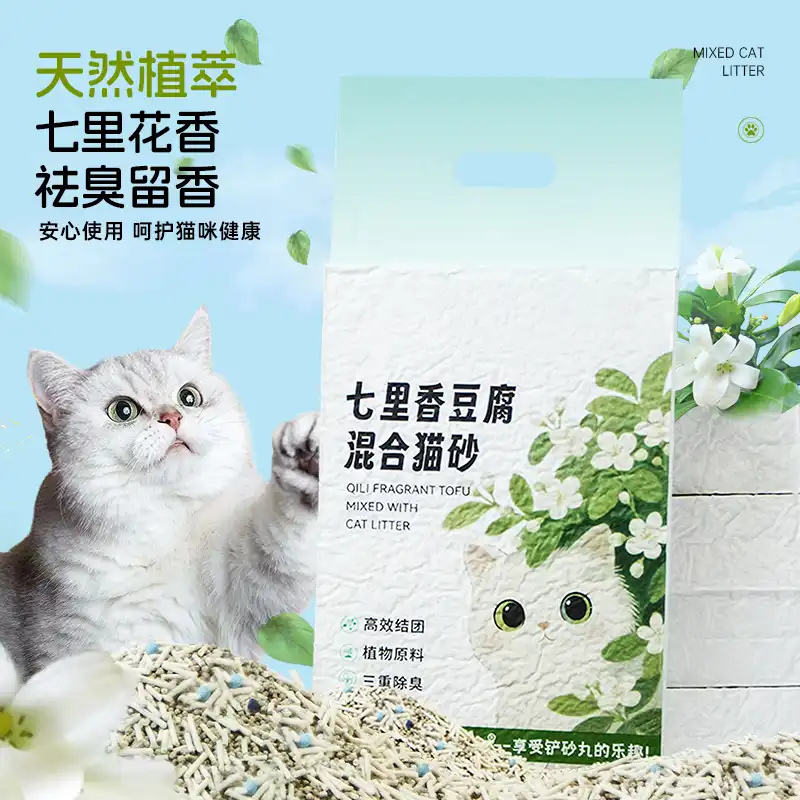
Top Considerations When Comparing Tofu Cat Litter Manufacturers
Reputation and Customer Service Excellence
A tofu cat litter manufacturer's image is a good way to tell if a partnership is good. You can learn a lot by reading online reviews, asking clients for references, and checking the reputation of the business through trade groups. When dealing with quality issues, organizing supplies, or changing orders to meet changing market needs, responsive customer service is essential. Manufacturers with specialized account managers and support teams that speak more than one language make communication easier throughout the partnership. This is shown by companies like Yunlan, which is backed by the Ruixin Cloud Wave Group, and their extensive customer service networks that serve 60 countries around the world.
Product Performance Metrics and Testing
To go beyond marketing claims, you need to look at objective facts on results. Ask for specific information about how much dust the product makes (ideally less than 1%), how much it absorbs (usually 300–400% for good tofu litter), and how strong the clumps are. Test results from a third-party lab give authority that data from the maker alone can't match. Pet boarding and grooming salons gain the most from trial periods, which let staff see how well the product works every day in real life before committing to big orders. Keeping track of customer comments and return rates gives you useful performance measures to use when evaluating suppliers over time.
Factory Audits and Transparency
Factory trips, whether they are real or virtual, can tell you a lot about how things are run, how the equipment is maintained, and how people work together. You can tell if makers can regularly meet your standards by looking at how they store raw materials, how clean the production line is, and how they do quality control. Pet stores are becoming more and more focused on ethical sources, which makes supply lines that are easy to see a competitive advantage. Manufacturers should make it easy for customers to find out where their ingredients come from, how they treat their workers, and how they handle the environment. Going to big pet industry trade shows like SuperZoo or Global Pet Expo shows that you're committed to the market and gives you a chance to meet people in person.
Long-Term Partnership Potential
The best ties between OEMs go beyond simple transactions and turn into long-term friendships. Check to see if possible manufacturers are willing to change with your needs, share market information that helps you plan your product strategy, and invest in chances for both of your businesses to grow. Companies that have a wide range of brands understand how markets work from different points of view. Yunlan's work on creating its own brands, such as Yihe, Paihao, and Maodali, which each make over 300 million yuan a year, shows that it has a deep understanding of the market, which helps OEM partners through shared knowledge and new ideas.
Procurement and Ordering Process for OEM Tofu Cat Litter
Sample Evaluation and Quality Assurance
The first step in the buying process is to ask for examples of products that meet your needs. A full evaluation should check many aspects of performance, such as how well it clumps after 24 hours, how much dust it makes when it's poured, how well it controls smells for long periods of time, and how it tracks on different floor surfaces. Having end users help with testing gives useful feedback that data from a lab might miss. Vet centers might look at how breathing affects sensitive animals, and online stores might look at how goods are photographed and shipped. Writing down evaluation factors makes it possible to compare different sources in an objective way.
Navigating Minimum Order Quantities
MOQ standards show how efficient a tofu cat litter manufacturer's production is and how they handle their inventory. When new stores enter an area, they often have trouble meeting the high minimums that established stores do all the time. Some ways to negotiate are to ask for mixed container loads that include more than one SKU, to offer longer-term volume promises in exchange for smaller original orders, or to team up with buyers who are similar to you to share container space. Some flexible makers offer tiered MOQ arrangements, where the first trial orders are priced higher and prices go down after the relationship is established.
Lead Times and Inventory Planning
Production plans usually last between 15 and 45 days, but this depends on how complicated the order is. Shipping can take an extra 2 to 6 weeks, depending on the method used and where the goods are going. Ocean freight is cheaper for large orders, but it takes longer to get there. Air shipping, on the other hand, is faster but costs more. Keeping a backup stock on hand helps prepare for delays that could happen because of heavy traffic at ports, delays in clearing customs, or sudden increases in demand. When e-commerce sellers use just-in-time inventory methods, they need makers who can quickly ramp up production and ship items more quickly when needed.
Building Sustainable OEM Relationships
Long-term relationships that work need to be able to talk to each other regularly, respect each other, and achieve success together. Manufacturers can better predict your needs and make the most of their production schedules by talking to you regularly about market trends, performance feedback, and future promotional plans. Giving enough time for orders to be processed, keeping promises about volume, and paying bills on time all build trust, which makers reward with faster service and better terms. As your company grows, you can become a strategic partner instead of just a transactional buyer. This will allow you to work together on new products, get access to special formulas, and get priority when supplies are low.
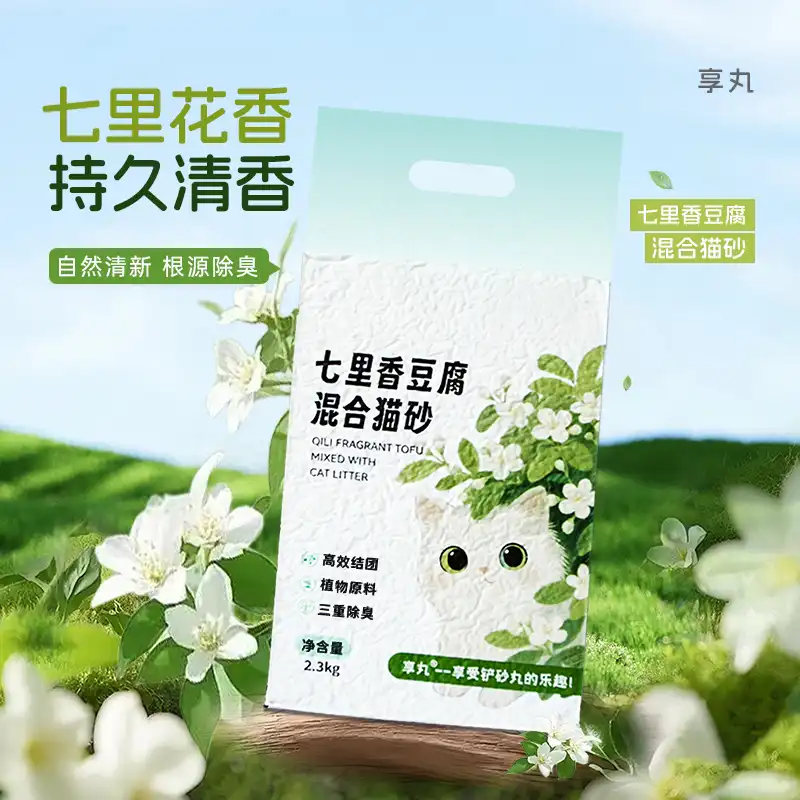
Conclusion
When looking for an OEM tofu cat litter manufacturer, you need to carefully consider their manufacturing skills, quality standards, and prospects for a relationship. Businesses that care about the environment and want to meet changing customer needs will find a lot of benefits in the plant-based litter area. To be good at buying, you need to find a balance between product quality, price, and source dependability, all while guessing what the next market trend will be. When manufacturers show they can be innovative, run their businesses openly, and work together, they build value that goes beyond just selling goods. B2B buyers in the pet retail, e-commerce, medical, grooming, and wholesale channels can use the review methods and insights in this guide to find partners who will help their businesses grow in a way that is sustainable and moves the pet care industry toward greener options.
FAQ
Why is tofu cat litter considered more sustainable than clay alternatives?
Tofu litter reuses farm garbage from preparing soy that would otherwise be thrown away. This keeps the environment from being damaged by strip mining bentonite clay. The process of making it uses a lot less water and energy than getting the clay and treating it. Biodegradable and recyclable tofu litter breaks down naturally instead of sitting in dumps for hundreds of years. It can be flushed, which cuts down on the plastic trash from disposal bags. However, buyers should check with their local pipes to make sure it will work.
How can I verify a tofu cat litter manufacturer's quality certifications?
Ask the manufacturers for formal certification documents like SGS testing results and ISO 9001 quality management certificates. Check the validity of the certificate by entering the registration number into the online records of the organizations that issued it. Ask for test results that are special to the batch and cover your main performance concerns, such as dust levels and soaking rates. Reliable manufacturers keep their licenses up to date and are happy to provide proof. On the other hand, if a manufacturer hesitates or gives unclear answers, you should be wary.
What are typical MOQ and lead time expectations when ordering from manufacturers?
Minimum order amounts depend on whether you're buying stock formulas or private name goods that are made just for you. They usually run from 500 to 5,000 units. Depending on the way of shipping, wait times for production can be anywhere from 20 to 35 days. Manufacturers who already know how much they can make and have a supply of raw materials on hand may be able to take rush orders at a higher cost. As trust grows between two people, terms that are more flexible are often opened up over time.

Partner with Yunlan for Premium Tofu Cat Litter Manufacturing
Yunlan offers complete OEM solutions with the support of Ruixin Cloud Wave Group, a major pet care company that does business in more than 60 countries around the world. Our state-of-the-art factories use cutting-edge enzymolysis technology and keep strict quality standards that are backed up by ISO approval and regular testing methods. We have plant-based formulations that are almost dust-free, do a great job of removing smells, and leave behind very little tracking. These meet the needs of pet stores, online sellers, veterinary offices, grooming salons, and wholesale wholesalers. With nearly 100 million yuan invested in research and development over the years and 97 approved patents in our collection, we are always coming up with new ideas to keep your products ahead of market trends. Our Yihui company was the first to use farm waste to make sustainable plant-based litter, which shows how committed we are to caring for the environment. Our experienced team is here to help you every step of the way with your buying, whether you need open MOQ arrangements, custom formulations, or reliable supply chain management. Get in touch with us right away at minghuixu6717@gmail.com to talk about how our services as a tofu cat litter manufacturer can help your brand and promote long-term growth.
References
- Anderson, M. & Thompson, K. (2023). Sustainable Pet Products: Market Analysis and Consumer Trends. Pet Industry Research Institute.
- Chen, L., Roberts, P., & Martinez, S. (2024). Biodegradable Cat Litter Performance Evaluation Study. Journal of Companion Animal Products, 18(3), 145-162.
- Global Pet Care Manufacturing Association. (2024). OEM Best Practices and Quality Standards for Natural Pet Products. International Trade Publications.
- Harrison, D. (2023). Agricultural Byproduct Utilization in Pet Care Manufacturing. Sustainable Materials Quarterly, 12(2), 78-94.
- Pet Product Sustainability Coalition. (2024). Environmental Impact Assessment of Cat Litter Categories. Annual Industry Report.
- Williams, J. & Zhang, H. (2023). Supply Chain Strategies for Pet Product Importers and Distributors. B2B Procurement Review, 29(4), 210-228.