- English
- French
- German
- Portuguese
- Spanish
- Russian
- Japanese
- Korean
- Arabic
- Irish
- Greek
- Turkish
- Italian
- Danish
- Romanian
- Indonesian
- Czech
- Afrikaans
- Swedish
- Polish
- Basque
- Catalan
- Esperanto
- Hindi
- Lao
- Albanian
- Amharic
- Armenian
- Azerbaijani
- Belarusian
- Bengali
- Bosnian
- Bulgarian
- Cebuano
- Chichewa
- Corsican
- Croatian
- Dutch
- Estonian
- Filipino
- Finnish
- Frisian
- Galician
- Georgian
- Gujarati
- Haitian
- Hausa
- Hawaiian
- Hebrew
- Hmong
- Hungarian
- Icelandic
- Igbo
- Javanese
- Kannada
- Kazakh
- Khmer
- Kurdish
- Kyrgyz
- Latin
- Latvian
- Lithuanian
- Luxembou..
- Macedonian
- Malagasy
- Malay
- Malayalam
- Maltese
- Maori
- Marathi
- Mongolian
- Burmese
- Nepali
- Norwegian
- Pashto
- Persian
- Punjabi
- Serbian
- Sesotho
- Sinhala
- Slovak
- Slovenian
- Somali
- Samoan
- Scots Gaelic
- Shona
- Sindhi
- Sundanese
- Swahili
- Tajik
- Tamil
- Telugu
- Thai
- Ukrainian
- Urdu
- Uzbek
- Vietnamese
- Welsh
- Xhosa
- Yiddish
- Yoruba
- Zulu
You want to provide your expanding flock with the finest feed possible. The development of strong muscles, a robust immune system, and plumed feathers all depend on the proper nutrition given to young animals. Dried mealworms are a popular choice feeding juvenile birds, and dried mealworms for baby birds are also widely considered a suitable option, but many people are concerned about their safety and the advantages they provide. Yes, in a nutshell, they are quite helpful. But you need feed them the proper stuff at the appropriate age and get them ready properly. Young birds' digestive systems are more delicate than those of adults. Giving them a dry, hard bug and hoping for the best won't work. This book will show you the specific ways for safe feeding, evaluate bug selections, and break down the nutritional data.
A thorough examination of the nutritional profile and safety criteria of dried mealworms is necessary to determine whether they are suitable for your individual requirements.
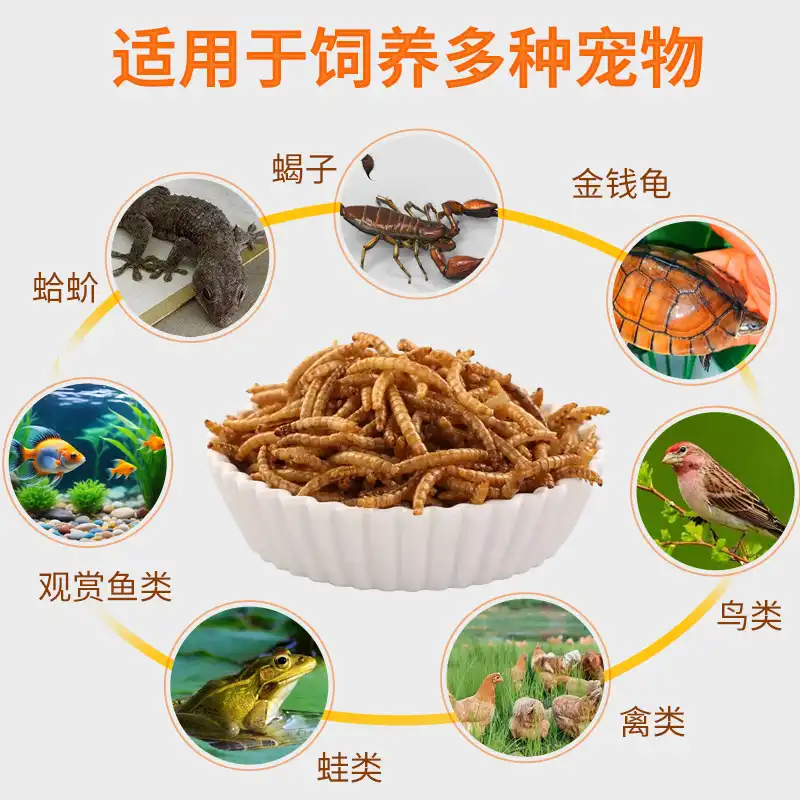
Safety and Nutritional Value
Amazingly, both nestlings and fledglings develop at such a rapid pace. They can gain twice as much weight in just a few days. Such exponential growth can only be sustained with an extremely concentrated supply of building materials and energy. To start, let's examine the nutritional value and advantages of dried mealworms for baby birds.
High Protein for Rapid Muscle Growth
The most important thing for a newborn bird to eat is protein. It aids in the proper positioning of the body's internal organs, promotes the growth of strong feathers, and fortifies the muscles. Protein accounts for around half of the dry weight of premium dried mealworms. The first few weeks are optimal since that's when development is most rapid. Developmental delay or unhealthy feathers might result from a protein deficiency during this time. Including these insects in their diet could provide them with essential nutrients.
Essential Amino Acids and Healthy Fats
Unfortunately, birds aren't able to make every one of the amino acids their bodies need. Their diet is the only source. A great way to ensure that young birds get enough of these essential nutrients is to include dried mealworms in their diet, and dried mealworms for baby birds provide a suitable option. The growth of the brain and the nervous system are aided by these substances. In addition, there are beneficial fats in these insects ranging from 25% to 30%. As an energy source, fat is dense. It maintains an effective metabolism and gives the bird the endurance it needs to forage for food and, in time, learn to fly.
Safety and Hygiene Compared to Live Insects
Many kinds of wild birds rely on bugs as a natural food supply. But there are risks to feeding live insects that are kept in captivity. Live bugs may transport parasites, harmful germs, and fungus. This is really concerning for young birds as their immune systems are still developing. When processed correctly, high-quality dried mealworms remove all of these risks. For the purpose of drying, which gets rid of germs and viruses, microwave or freeze-drying is the way to go. This ensures a consistent supply of clean, healthy food that won't make the baby birds sick.
The first step is to be aware of the health benefits. So, how do other typical insect options stack up against dried mealworms when it comes to feeding baby birds?
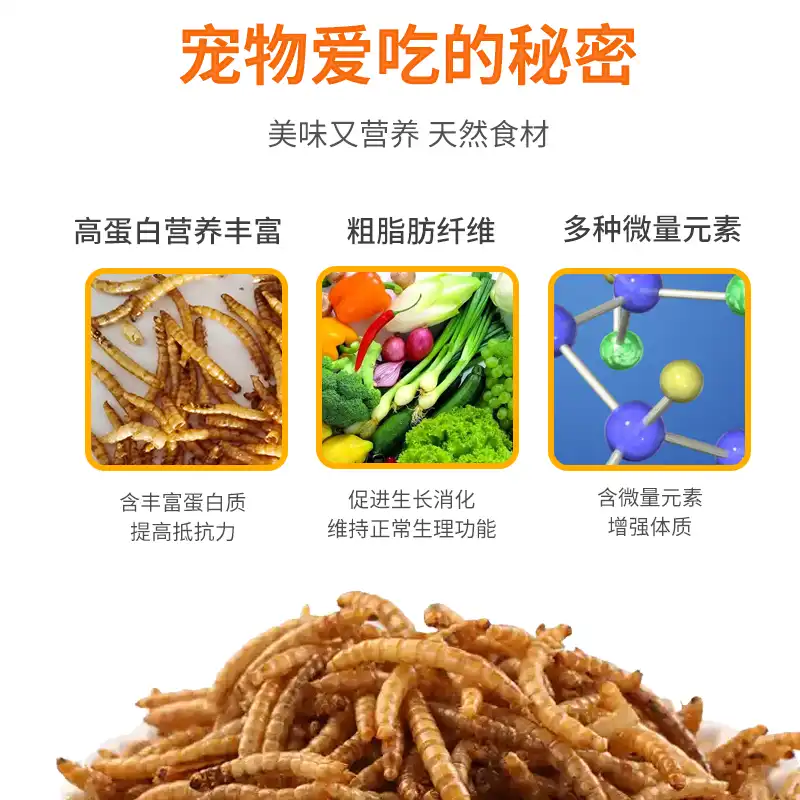
Dried Mealworms vs. Other Insect Options: Making the Right Choice
Many different kinds of insect meals are available. Possible insects include crickets, waxworms, and the larvae of black army flies. Knowing how a newborn bird digests its food might help you pick the best protein source. Many avian specialists recommend dried mealworms as the best food for baby birds for the reasons listed below.
Lower Chitin Levels for Easier Digestion
Insects use the strong substance chitin for their exoskeleton. Degradation of chitin is not a problem for adult birds. Those little birds just can't. Crickets are rich in chitin. Serious stomach issues may occur if young crickets ingest them. Although adult mealworms contain chitin, the shell becomes much more malleable when given dry, well washed mealworms. They are much easier for a growing digestive system to process than mature crickets or roaches.
Optimal Fat-to-Protein Ratio
Waxworms are another delicacy that birds savour. Birds go crazy for them due to their mouth-watering flavour. On the other hand, waxworms are the "junk food" of bugs. They contain a lot of fat and very little protein. Waxworms may become fat and develop liver issues if they are overfed. Dried mealworms provide a far more balanced food for baby birds due to their nutritional makeup. They provide a lot of fat for energy while still having a high protein level, which is necessary for building structures.
Extended Shelf Life and Convenience
Keeping insects as pets is labour-intensive. Their care includes feeding, cleaning, and dealing with mortality. Dead insects decompose rapidly and produce a poisonous gas. On the other hand, dried mealworms are very practical, and dried mealworms for baby birds are also a convenient choice. No upkeep is necessary for them. Their odour is not offensive. Their nutritious content remains intact even after months of storage in a cold, dry environment. For this reason, they are perfect for commercial breeding companies and very busy pet owners.
You need to know how to serve the product properly once you've chosen it. The single most important thing you can do to ensure the safety of dried mealworms is to cook them properly.
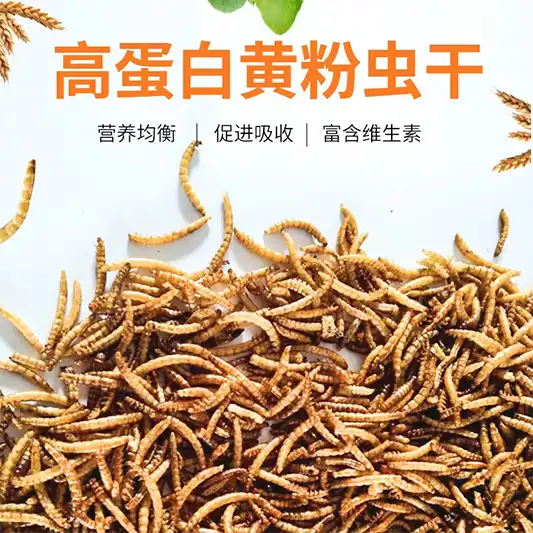
How to Feed Dried Mealworms to Baby Birds Safely?
You should never feed young birds insects that are completely dry and hard. They aren't prepared to handle dryness with their systems. Eating dry food may cause birds to lose too much water and eventually die from dehydration. To feed baby birds dried mealworms, do it like this.
The Importance of Rehydration
Water should be consumed continuously. Rehydrating the insects is an important step before feeding them. Acquire a little basin and include the required quantity of insects. Pour warm (not boiling) water over them. Ten to fifteen minutes of soaking should do it. Their firmness will be replaced by pliability as they swell. Remove excess water by squeezing them when they have loosened. It is OK to feed baby birds dry mealworms now. The additional moisture aids the chicks' digestion and swallowing processes.
Age Requirements and Digestive Readiness
While still in the egg, chicks shouldn't eat solid insects. Poor digestion is a major problem for them. They will go thru the first two or three weeks on either their parents' vomit or a specialised hand-feeding formula. Wait until the mealworms are at least three weeks old before introducing them. At this stage, they can digest solid meals because to their fully developed gizzard, the muscular part of the stomach. Start with little, soft bits and keep an eye on their waste to make sure they're digesting everything.
Portion Control and Balanced Diets
An insect-based diet is an adjunct to a balanced diet. Worms alone won't provide enough calcium and vitamins for the birds. For young birds, the best thing to do is combine their main food supply with some dried mealworms, and dried mealworms for baby birds can be included as a suitable option. Combine the worms once they have softened with a high-quality seed mix or pellet paste for the purpose of weaning chicks. Two or three little rehydrated worms, given many times weekly, would enough. Put it in your diet more like a protein supplement than a major entrée.
It is quite difficult for commercial breeders, animal shelters, and pet supply stores to locate trustworthy sources. The ideal way to get dried mealworms on a bigger scale may be discussed here.

Procurement Guide: Sourcing Quality Dried Mealworms
There is a wide range in the quality of insect products. Make sure that when a company buys in quantity, they use top-notch quality control. If insects are not processed properly, they may get mouldy and nutrients may be lost. This is how you can tell whether the mealworms you sell to young birds are of good quality.
Evaluating Supplier Quality and Processing
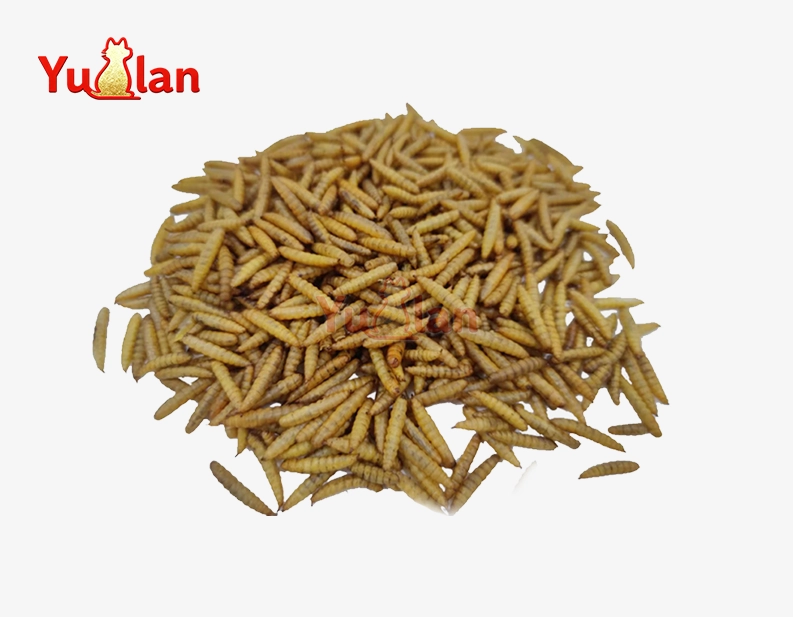
Give it a careful look. The ideal bugs will be completely grown, a light shade of brown, and have a little odour of soil. If they turn black, crumble into dust, or smell putrid, it means the processing wasn't good enough. It is crucial to learn about the drying method from the supplier while assessing dried mealworms. Since microwave drying sanitises the outside while maintaining the internal proteins, it outperforms other approaches. Make sure there are no chemical preservatives or artificial colours added by the merchant.
Bulk Purchasing and Inventory Management
Spend less when you buy more. To safeguard your investment, nevertheless, you'll need to keep the merchandise properly. Make sure to preserve your dried mealworms for young birds in sealed containers when you buy them in bulk. Protect them from heat, dampness, and direct sunshine. Fifty to seventy degrees Fahrenheit is the sweet spot for storage. Maintaining a steady supply of healthy feed for your flock is easy with good inventory management strategies including moving older stock to the front.
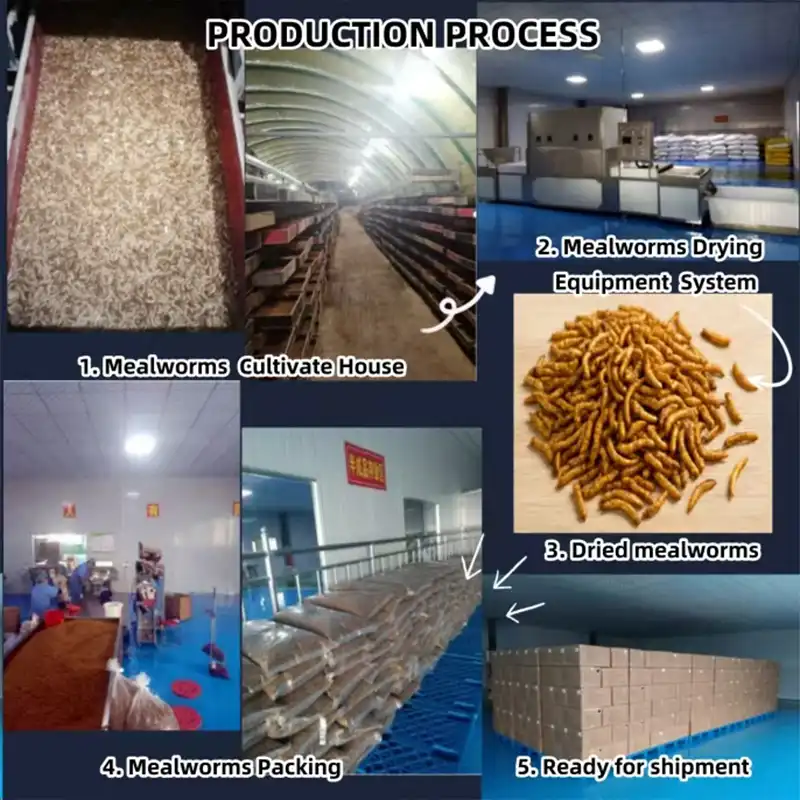
Partnering with Yunlan for B2B Needs
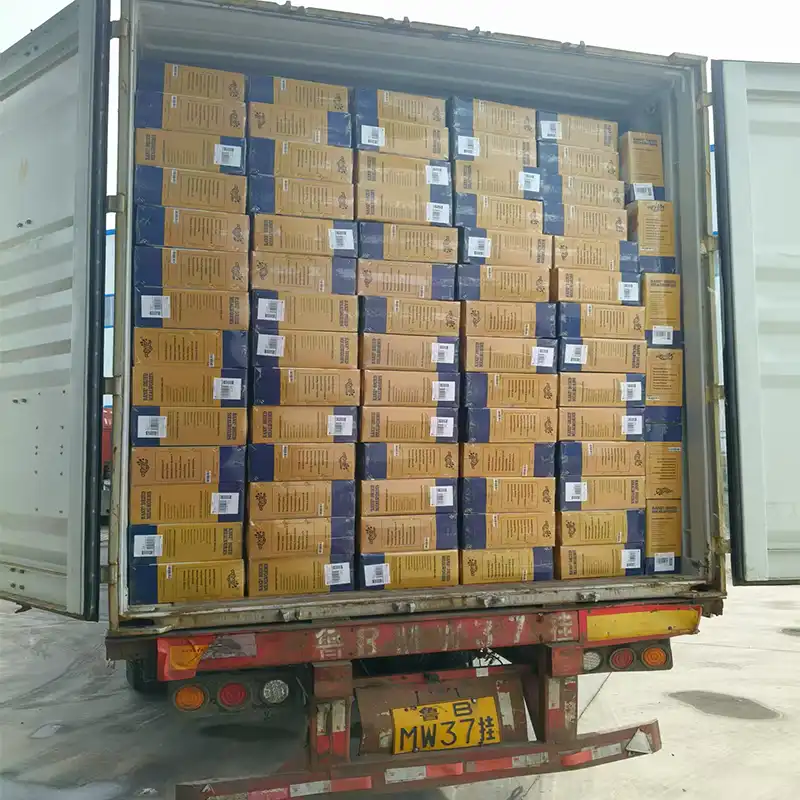
Yunlan is the best choice for a business partner if you have high expectations. Our speciality is high-quality insect proteins that have been microwave-dried. We take great care in raising our commercially available dried mealworms for baby birds, and we test them thoroughly to ensure their safety.
Distributors of pet food in more than 60 countries rely on us, and we have several quality certificates to back it up. To ensure moisture and protein levels, we provide clear Certificates of Analysis (COA). Send an email to sales@yunlanpets.com if you have any questions about wholesale pricing, special packaging, or business-to-business deals.
FAQ
1.Do I have to hydrate dried mealworms for baby birds?
Oh, without a doubt. It is very dangerous to feed newborn nestlings dry insects since it may lead to severe dehydration and bowel obstructions. Before feeding, always give them a ten to fifteen minute soak in warm water to make them malleable and soft.
2.Can I rely on dried mealworms for baby birds as their only food?
No. Although they are a great source of protein, they do not provide enough of the other nutrients required for a balanced diet, such as calcium. In addition to a basic diet or formula that is suitable for the bird's species, they should only constitute about 10% to 15% of its overall food consumption.
3.Are dried mealworms for baby birds safe from parasites?
Yes. Parasites, germs, and fungal spores are successfully killed by heating or freeze-drying high-quality dried insects. Because of this, they are much less likely to cause gastrointestinal distress in children than insects obtained in the wild.
References
1. Klasing, K. C. (1998). Comparative Avian Nutrition. CAB International. Provides foundational science on the protein and amino acid requirements for rapidly growing avian species.
2. Finke, M. D. (2002). "Complete nutrient composition of commercially raised invertebrates used as food for insectivores." Zoo Biology, 21(3), 269-285. Details the exact protein, fat, and mineral ratios in common feeder insects.
3. Oonincx, D. G., & Dierenfeld, E. S. (2012). "An investigation into the chemical composition of alternative invertebrate prey." Zoo Biology, 31(1), 40-54. Compares the nutritional profiles of mealworms against waxworms and crickets.
4. Harrison, G. J., & Lightfoot, T. L. (2006). Clinical Avian Medicine. Spix Publishing. Offers veterinary guidelines on the dangers of impaction and dehydration in young birds.
5. Sales, J., & Janssens, G. P. J. (2003). "Nutrition of the canary and other finches." Veterinary Clinics of North America: Exotic Animal Practice, 6(1), 1-24. Discusses the role of insect proteins in the diets of breeding and young passerines.
6. MacLeod, M. G., et al. (2013). "Nutritional value of invertebrate prey for birds." Journal of Avian Biology. Explores how processing methods affect the bioavailability of nutrients in insect feed.