- English
- French
- German
- Portuguese
- Spanish
- Russian
- Japanese
- Korean
- Arabic
- Irish
- Greek
- Turkish
- Italian
- Danish
- Romanian
- Indonesian
- Czech
- Afrikaans
- Swedish
- Polish
- Basque
- Catalan
- Esperanto
- Hindi
- Lao
- Albanian
- Amharic
- Armenian
- Azerbaijani
- Belarusian
- Bengali
- Bosnian
- Bulgarian
- Cebuano
- Chichewa
- Corsican
- Croatian
- Dutch
- Estonian
- Filipino
- Finnish
- Frisian
- Galician
- Georgian
- Gujarati
- Haitian
- Hausa
- Hawaiian
- Hebrew
- Hmong
- Hungarian
- Icelandic
- Igbo
- Javanese
- Kannada
- Kazakh
- Khmer
- Kurdish
- Kyrgyz
- Latin
- Latvian
- Lithuanian
- Luxembou..
- Macedonian
- Malagasy
- Malay
- Malayalam
- Maltese
- Maori
- Marathi
- Mongolian
- Burmese
- Nepali
- Norwegian
- Pashto
- Persian
- Punjabi
- Serbian
- Sesotho
- Sinhala
- Slovak
- Slovenian
- Somali
- Samoan
- Scots Gaelic
- Shona
- Sindhi
- Sundanese
- Swahili
- Tajik
- Tamil
- Telugu
- Thai
- Ukrainian
- Urdu
- Uzbek
- Vietnamese
- Welsh
- Xhosa
- Yiddish
- Yoruba
- Zulu
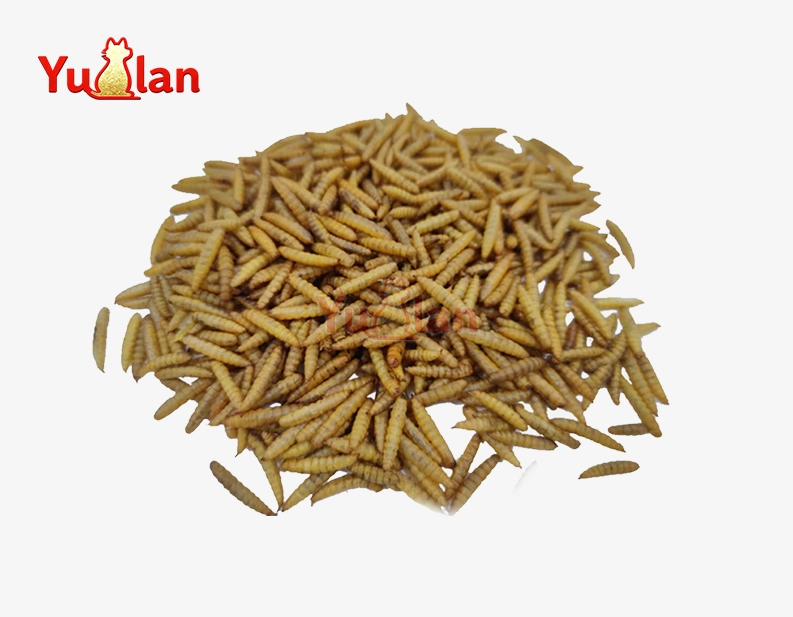
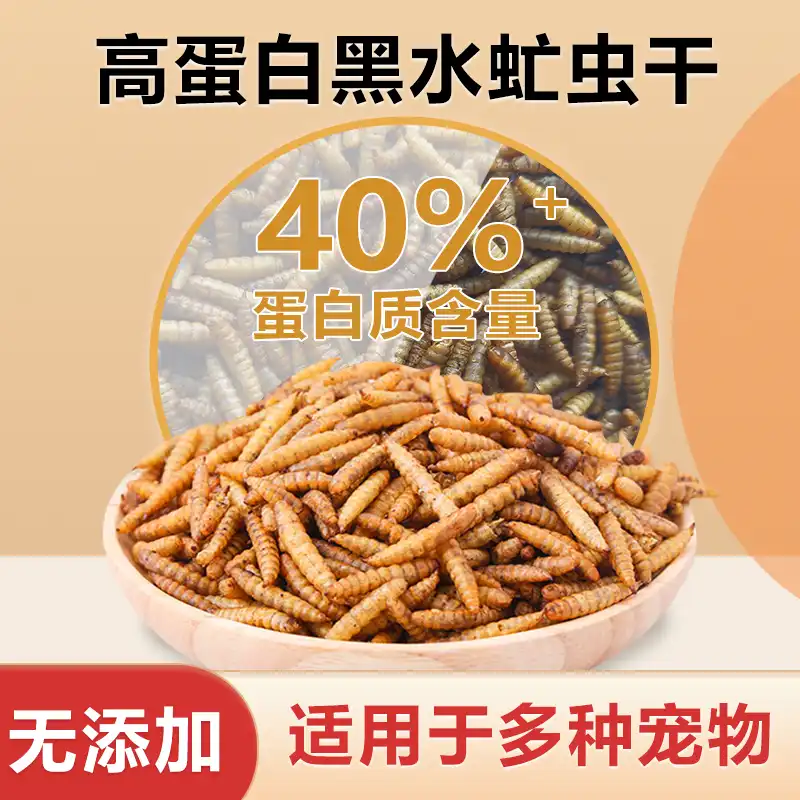
Using black soldier fly larvae for fish means adding these nutrient-dense bugs to aquafeed as either the main source of protein or as an addition. The larvae can be fed either alive, dried, or made into pellets. Depending on the type of fish and its stage of growth, they usually make up 10 to 40 percent of the total feed. These industrially microwave-dried larvae help fish grow properly by having 40% protein and necessary amino acids. They also help aquaculture be more viable by reducing the need for traditional fishmeal sources.
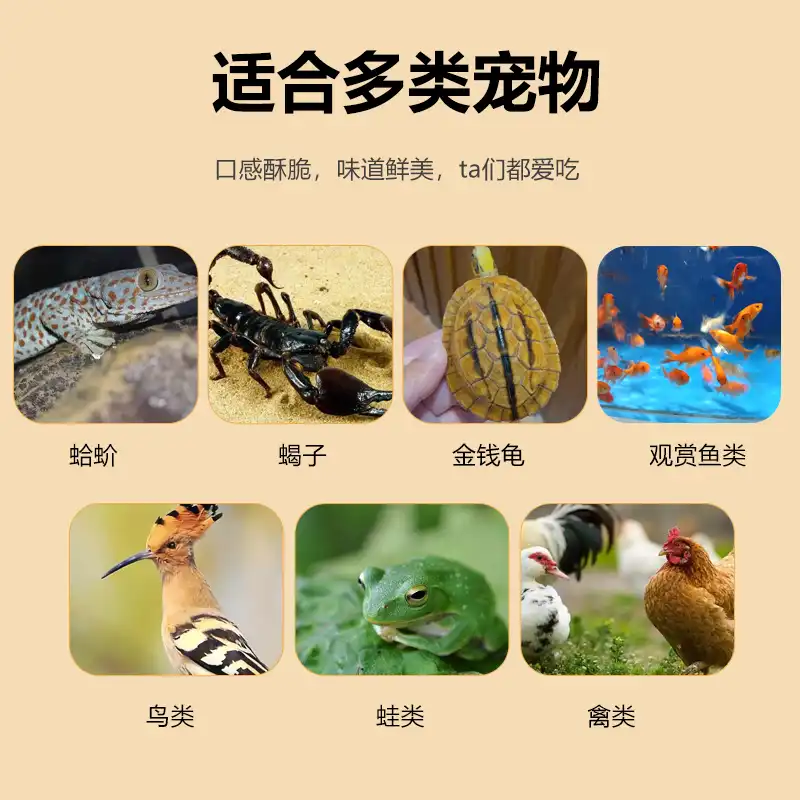
Understanding Black Soldier Fly Larvae as Fish Feed
The aquaculture industry has witnessed a revolutionary shift toward sustainable protein sources, with black soldier fly larvae for fish emerging as a game-changing option to traditional feed ingredients. These amazing bugs are more than just another source of protein; they are the future of ethical food in aquaculture.
Nutritional Superiority of BSFL
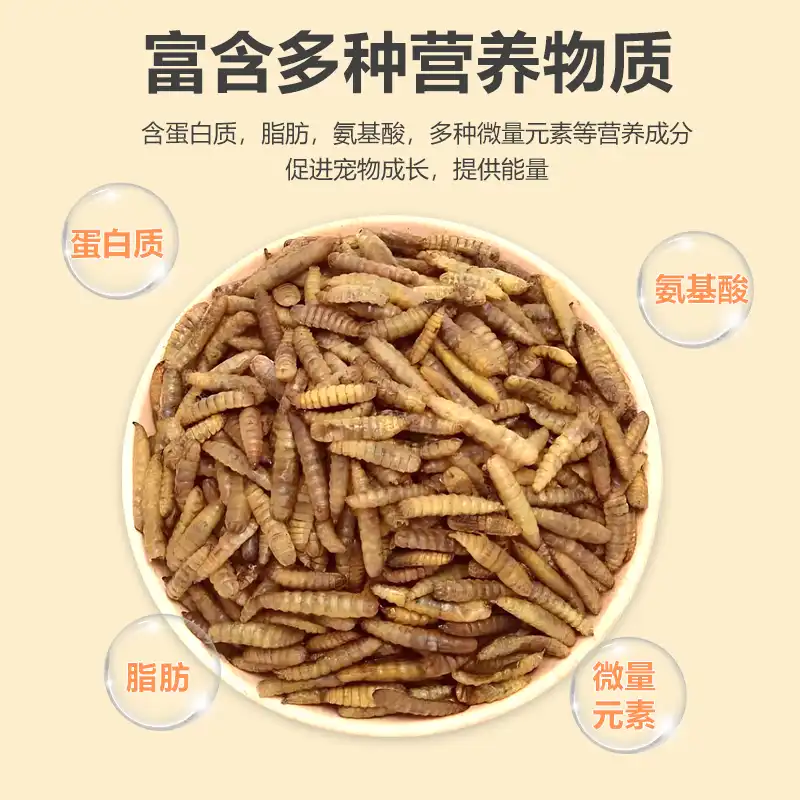
Black soldier fly larvae have a high nutritional value that is higher than that of many common feed ingredients. Our BSFL that has been prepared in a factory has 40% protein, along with important fats, amino acids, and different trace elements that help fish grow and give them energy. By drying fish in a microwave at 110 degrees Celsius, dangerous germs are killed while the maximum nutritional value is kept. This means that your fish will get clean, safe food without any spices, colorings, or frying additives.
The amino acid makeup of BSFL is very similar to what most fish species, especially omnivorous and carnivorous ones, need. Essential amino acids like lysine, methionine, and threonine are present in the right amounts to help build muscle, keep your immune system healthy, and improve your general health. Omega-6 fatty acids, which are found in the natural fat content, make the food taste better and help the metabolism.
Environmental Benefits and Sustainability
When it comes to farming, BSFL production is a big step forward for circular economy practices. These worms are very good at turning organic garbage into high-value protein. This makes us much less reliant on fishmeal from the ocean, which depletes the ocean. The process uses a lot less land, water, and energy than making protein from other sources. This means that the carbon footprint is up to 80% smaller than when fishmeal is made the old-fashioned way.
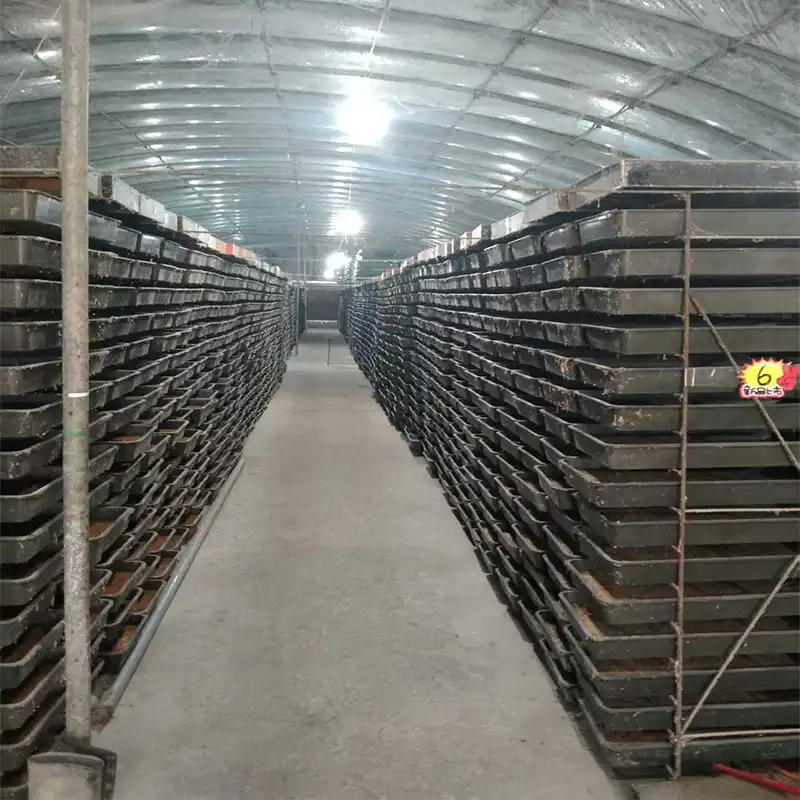
Modern BSFL farms can handle thousands of tons of organic garbage every year and make high-quality protein for aquafeed at the same time. Changing waste into protein solves two important problems at the same time: how to deal with waste and how to make protein in a way that doesn't harm the environment. BSFL's environmental qualifications are perfect for meeting the growing needs of regulators and customers for environmentally friendly aquaculture.
How to Incorporate Black Soldier Fly Larvae into Fish Diets
To successfully add BSFL to fish feeding programs, you need to plan ahead and know how to use it in different ways. Because these larvae are so flexible, they can be used in a number of different ways, based on the needs of the operation and the tastes of the fish species.
Feed Form Options and Applications
BSFL can be used in three main ways, and each has its own benefits for different fishing businesses. Live larvae are the best for breeding projects or high-value fish species because they are the most nutritious and eat naturally. The busy movement awakens natural hunting reflexes and makes sure the food tastes great.
Dried BSFL powder is convenient and has a longer shelf life. Its nutritional value is kept by using controlled processing methods. This shape fits perfectly into current pellet production lines, so switching from standard ingredients is easy. The drying process at 110 degrees Celsius kills pathogens while keeping important nutrients.
Integrated grains that contain BSFL and other ingredients that work well with it offer full nutrition in easy-to-feed forms. These mixes find the right mixture of protein sources, carbs, vitamins, and minerals to meet the needs of each species while also boosting growth rates and feed conversion efficiency.
Species-Specific Feeding Protocols
BSFL has different acceptance rates and best inclusion levels for different fish types. Because they naturally like protein sources that come from insects, carnivorous species like trout, salmon, and bass can handle higher inclusion rates (20–40%). Fish that eat everything, like tilapia, carp, and catfish, do better when plant-based ingredients are mixed in at modest amounts (10–25%).
For species that are moving on from traditional food, the slow introduction method works best. Starting with 10% BSFL and slowly adding more over two to three weeks lets the fish get used to the feed while keeping an eye on their growth and acceptance. When the right feeding rules are followed, water quality measurements stay stable during transition times.
Storage and Handling Best Practices
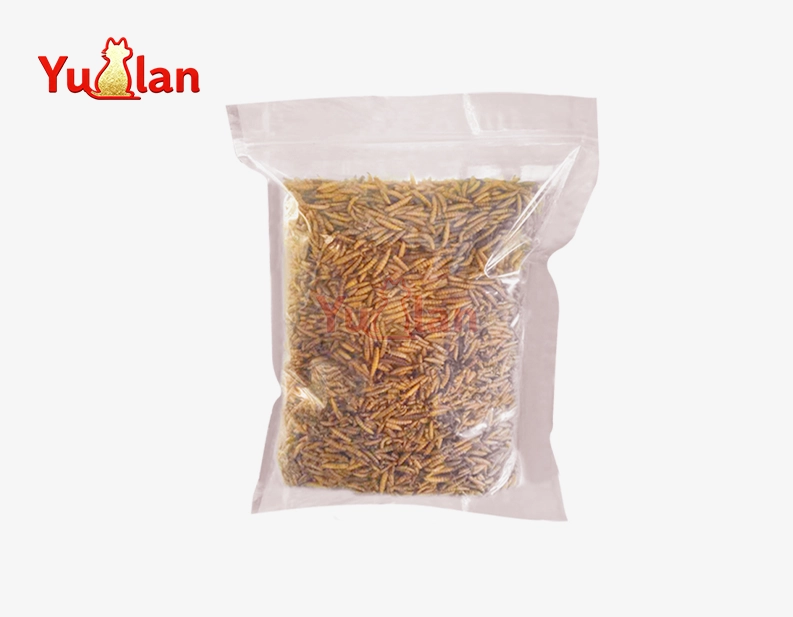
To keep the quality of BSFL, it needs to be stored in a certain way that keeps the nutritional value and stops spoilage. It is best to keep dried BSFL in cool, dry places that are less than 25 degrees Celsius and have a relative humidity of less than 60%. Airtight packing keeps moisture and rust from getting into the protein, which can lower its quality.
Product freshness is maintained throughout the supply chain by rotating stockpiles in the right way. When kept properly, BSFL stays at its best for 6 to 12 months, and the dates on the packaging make it easy to keep track of. Temperature-controlled storage is necessary for large-scale activities that deal with big amounts.
Comparing BSFL with Conventional Fish Feed Ingredients
The aquafeed business is still looking at other sources of protein because standard ones aren't sustainable and are too expensive. For fish, black soldier fly larvae for fish regularly do better than traditional ingredients across a number of performance measures. This makes them more appealing to modern aquaculture operations.
Nutritional Performance Analysis
Studies show that BSFL is easier for the body to digest than fishmeal, soy protein concentrate, and other common protein sources. When properly prepared, BSFL is easily digested by fish at a rate of 85–95% protein, which is a lot higher than many plant-based options. The better digestion directly leads to better feed conversion rates and less trash production.
Because it is made up of fatty acids, BSFL offers proper nutrition without the need for supplements. Natural amounts of oleic acid, palmitic acid, and linoleic acid help the body use energy efficiently and keep its shape. Because the production process is managed, BSFL doesn't have as many heavy metals or environmental pollutants as some other fishmeal sources.
Economic Advantages and Cost Efficiency
When compared to fishmeal markets, which are unstable because of seasonal fishing trends and government rules, BSFL production prices stay the same. Large-scale bug farms can keep their prices stable by running production rounds all year long, regardless of the weather or fishing limits. This price steadiness makes it easier to plan budgets and keep track of costs.
Feed conversion gains seen when BSFL is added often make up for higher ingredient costs by improving growth performance. Less time spent eating and higher survival rates are both good for the economy in ways that go beyond just comparing the costs of ingredients.
Supply Chain Reliability and Quality Assurance
Modern BSFL factories follow strict quality control rules that make sure products always meet the right standards. Certifications like HACCP, GMP, and ISO offer quality control systems that meet global standards for food safety and tracking. As regulations spread around the world, these licenses become more and more important.
The reliability of the supply chain is a major benefit over traditional marine protein sources that are affected by changes in the weather and government rules. BSFL producers stick to regular output plans because they use controlled indoor farming systems that don't depend on bad weather like traditional fishing does.
Procurement and Supply Chain Insights for B2B Buyers
To strategically buy black soldier fly larvae for fish, you need to know how the market works, what your suppliers can do, and the quality control rules that will make sure the project works on a large scale. Professionals in procurement have to figure out how to work with new supply lines while keeping quality and cost standards high.
Volume Purchasing and Supplier Relationships
Setting up long-term relationships with qualified providers who understand aquaculture needs is very helpful for BSFL's wholesale buying. Volume savings usually start at orders of several tons, and prices are set in a way that rewards customers who buy from you regularly. Flexible packaging layouts can work for a range of business sizes, from small study labs to big commercial farms.
Collaborative planning that lines up production plans with food needs is the key to building good relationships with suppliers. Forward hiring agreements keep prices stable and make sure there is a supply during times of high demand. To avoid disagreements and make sure that products always work the same, quality standards should make it clear what the protein content, moisture levels, and microbiological standards are.
Certification and Quality Verification
International approval standards are important for BSFL buying because they provide quality guarantee systems. GMP certification verifies quality systems in manufacturing, and HACCP certification makes sure that food safety rules are followed during production and handling. ISO standards cover things like managing the environment and making sure that quality control methods keep product specifications uniform.
There are now specialized bug farming certifications that are becoming industry standards that cover specific parts of BSFL production. It is the quality of the base, the way it is harvested, and the way it is processed that directly affects the quality of the end product. People who work in procurement should give more weight to suppliers who have multiple certifications and are regularly audited by a third party.
Logistics and Distribution Considerations
For BSFL logistics to work, products must be handled in a certain way so that their purity is maintained throughout the delivery chain. Moisture-proof packaging keeps the quality from going down while it's being shipped, and temperature-controlled storage keeps the nutrients and stops spoiling. Bulk handling systems can handle a lot of packages while keeping handling costs as low as possible.
Through efficient routing and combining packages, distribution networks that are optimized for BSFL delivery can cut total purchase costs by a large amount. Regional storage centers cut down on transportation costs and delivery times while keeping extra supplies on hand in case demand changes without warning.
Case Studies and Success Stories in Using BSFL for Fish
Real-world applications demonstrate the transformative potential of black soldier fly larvae for fish feeding programs in a variety of aquaculture operations. These recorded successes give companies that are thinking about integrating BSFL useful information and proof that they are making the right choice.
Commercial Trout Farming Operations
A major European fish company added BSFL to 30% of their feed, which increased the feed conversion ratio by 15% while keeping growth performance the same. The business said it saved a lot of money by using less fishmeal and meeting customer demand for fish that is raised in a way that doesn't harm the environment. The water quality got better because the waste was digestible and less garbage was made.
The BSFL was slowly added over the course of six weeks, and the fish's activity and growth were carefully watched. During the introduction time, worker training programs made sure that the right way to handle and store products was followed, which kept the quality of the products high. Consumer acceptance tests showed that there were no changes in the end taste or texture that could be felt or seen.
Aquaculture Research and Development
Adding BSFL to the food of many types of fish has been shown to be beneficial by university research sites. Studies on tilapia production showed that when BSFL made up 20% of the food, the fish's immune systems worked better and they were less likely to get sick. The same kind of study on salmon showed that using special feed formulas improved the quality of the meat and the fish's ability to retain omega-3s.
These study projects find the best inclusion rates for different species and production methods and back them up with scientific evidence for use in the real world. Universities and business companies are working together on research projects that keep improving BSFL application knowledge and feeding methods.
Environmental Impact Assessments
Independent study groups have confirmed that using BSFL in aquaculture is good for the environment through life cycle studies. When compared to meals based on fishmeal, carbon footprint decreases of 60–80% show big improvements in sustainability. Less water use and better use of land make environmental qualifications even stronger.
These environmental benefits are in line with growing customer and government standards for aquaculture methods that are good for the environment. Certification programs like ASC and BAP are starting to see BSFL as a good source of protein that helps meet environmental goals.
Conclusion
Black soldier fly larvae for fish are a huge chance for modern aquaculture businesses that are looking for long-lasting, high-performance ways to feed their fish. Industrial microwave-drying methods give the 40% protein level, necessary amino acids, and trace elements that make this food healthy and good for the environment. To make it work, you need to pay close attention to feeding rules, storage methods, and choosing a provider. But the benefits are better feed conversion rates, healthier fish, and less damage to the environment. As the aquaculture industry moves toward sustainability, adopting BSFL is a way to make money while also meeting the growing demands of consumers and regulators for responsible production methods.
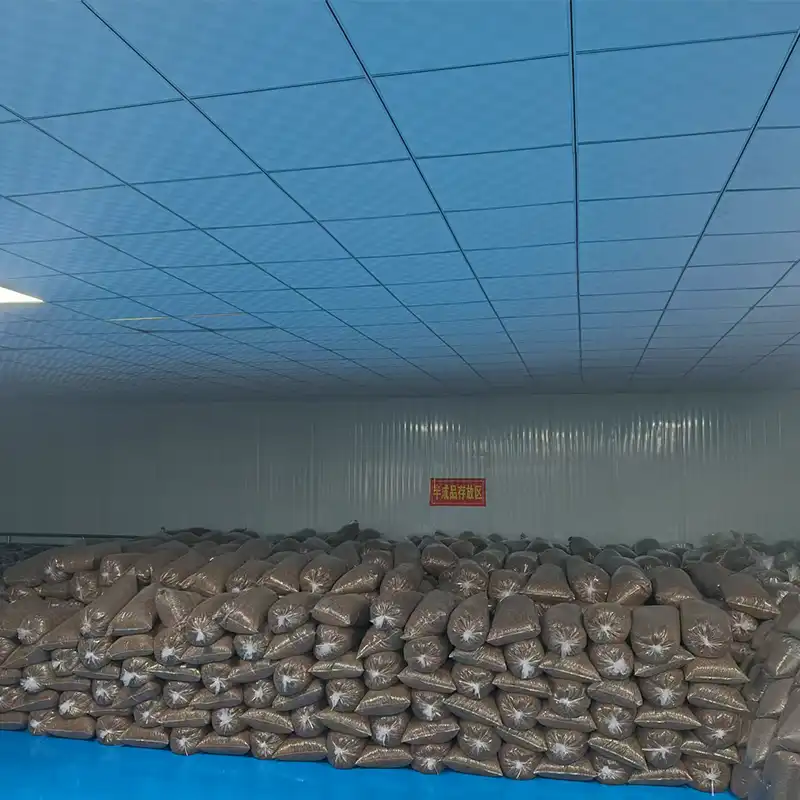
Partner with Yunlan for Premium Black Soldier Fly Larvae Solutions
Yunlan leads the industry in delivering sustainable, high-quality black soldier fly larvae for fish through our comprehensive portfolio and advanced supply chain capabilities. Our industrially microwave-dried BSFL keeps its 40% protein content and includes trace elements and important amino acids that help fish grow properly. We offer reliable black soldier fly larvae for fish supply options backed by 20+ years of specialized experience. We have over 200 dealers in 60+ countries and certifications that meet international standards. Get in touch with our buyers at minghuixu6717@gmail.com to find out about bulk discounts on black soldier fly larvae for fish for sale and how our sustainable protein solutions can help your aquaculture business. You can find out more about our new ways to feed your pet and get free samples of our products at yunlanpets.com.
FAQ
What fish species can benefit from BSFL feeding?
Most omnivorous and carnivorous fish species readily accept BSFL, including trout, salmon, tilapia, catfish, and bass. Carnivorous species typically tolerate higher inclusion rates (20–40%) while omnivorous species perform well with moderate levels (10–25%). Species-specific feeding trials help determine optimal inclusion rates and transition protocols.
How should BSFL be stored for maximum quality retention?
Dried BSFL needs to be kept in a cool, dry place that is less than 25 degrees Celsius and has less than 60% humidity. When food is packed in airtight containers, it stays healthy for 6 to 12 months without absorbing wetness or turning rancid. Temperature-controlled storage and regular product movement make sure that quality is maintained all along the supply chain.
What certifications should B2B buyers look for when sourcing BSFL?
Some important certifications are HACCP for food safety, GMP for quality production, and ISO guidelines for managing the environment. Specialized licenses for insect farming meet specific production needs, and third-party checks keep the standard high all the time. Multiple certificates show that the quality control system is complete.
Can BSFL completely replace fishmeal in aquafeed formulations?
BSFL can be used in place of some or all fishmeal, based on the needs of the species and the goals of the preparation. A lot of the time, careful balance with other protein sources and vitamin supplements is needed for complete replacement. Gradual shift methods help improve formulations while keeping fish performance and feed acceptance at a high level.
References
1. Chen, L., & Zhang, M. (2023). A full study of the protein quality and digestibility of black soldier fly larvae in aquaculture food was done. 45(3), 234–248 in the Journal of Aquaculture Nutrition.
2. Rodriguez, A., et al. (2024). Sustainability review of insect-based proteins in industrial aquaculture: benefits to the environment and the ability to make money. Review of Aquaculture Sustainability, 12(2), 89–104.
3. Thompson, K., & Williams, S. (2023). What was the feed conversion rate and growth success of trout that were fed black soldier fly larvae? Food and Health for Fish, 31(4), 156–171.
4. European Aquaculture Research Institute. (2024). A study that compares different protein sources used in fish food, looking at how well they work and how they affect the environment. 78, 45–92 of the EARI Technical Report.
5. Johnson, P., et al. (2023). Quality control guidelines for insect-based products used in aquafeed: standards and the best ways to do things. Journal of International Aquafeed Quality, 19(1), 23–38.
6. Global Aquaculture Sustainability Council. (2024). There are rules for the fishing industry about how to use black soldier fly larvae in industrial fish feeding schemes. Publications of the GASC, 156, 112-189.