- English
- French
- German
- Portuguese
- Spanish
- Russian
- Japanese
- Korean
- Arabic
- Irish
- Greek
- Turkish
- Italian
- Danish
- Romanian
- Indonesian
- Czech
- Afrikaans
- Swedish
- Polish
- Basque
- Catalan
- Esperanto
- Hindi
- Lao
- Albanian
- Amharic
- Armenian
- Azerbaijani
- Belarusian
- Bengali
- Bosnian
- Bulgarian
- Cebuano
- Chichewa
- Corsican
- Croatian
- Dutch
- Estonian
- Filipino
- Finnish
- Frisian
- Galician
- Georgian
- Gujarati
- Haitian
- Hausa
- Hawaiian
- Hebrew
- Hmong
- Hungarian
- Icelandic
- Igbo
- Javanese
- Kannada
- Kazakh
- Khmer
- Kurdish
- Kyrgyz
- Latin
- Latvian
- Lithuanian
- Luxembou..
- Macedonian
- Malagasy
- Malay
- Malayalam
- Maltese
- Maori
- Marathi
- Mongolian
- Burmese
- Nepali
- Norwegian
- Pashto
- Persian
- Punjabi
- Serbian
- Sesotho
- Sinhala
- Slovak
- Slovenian
- Somali
- Samoan
- Scots Gaelic
- Shona
- Sindhi
- Sundanese
- Swahili
- Tajik
- Tamil
- Telugu
- Thai
- Ukrainian
- Urdu
- Uzbek
- Vietnamese
- Welsh
- Xhosa
- Yiddish
- Yoruba
- Zulu
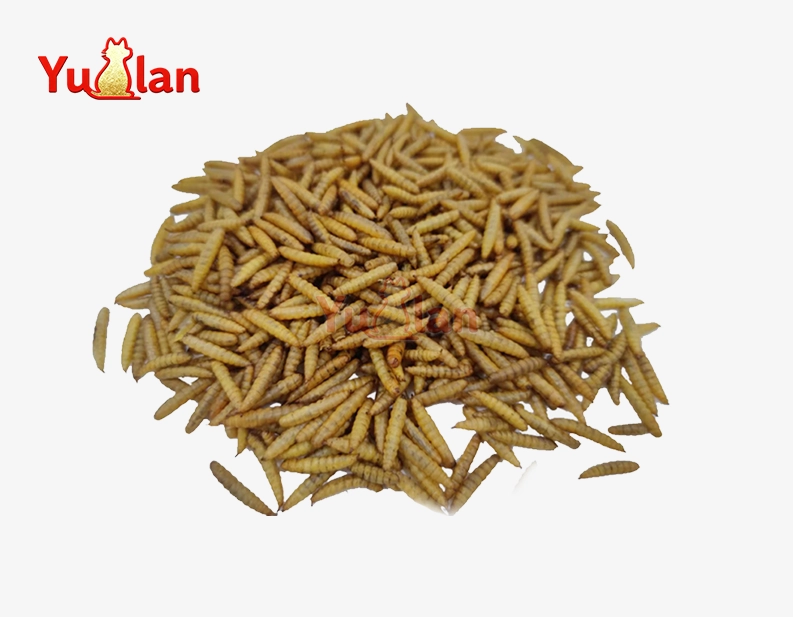
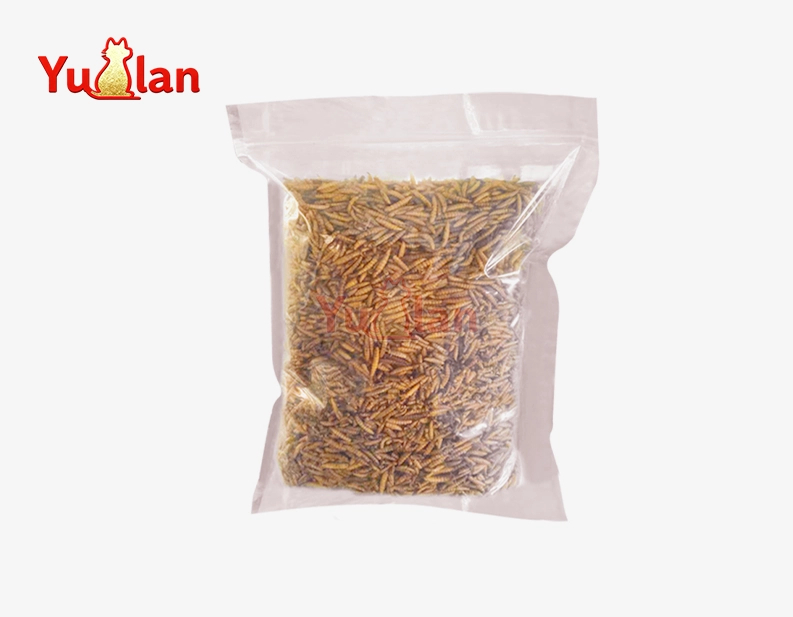
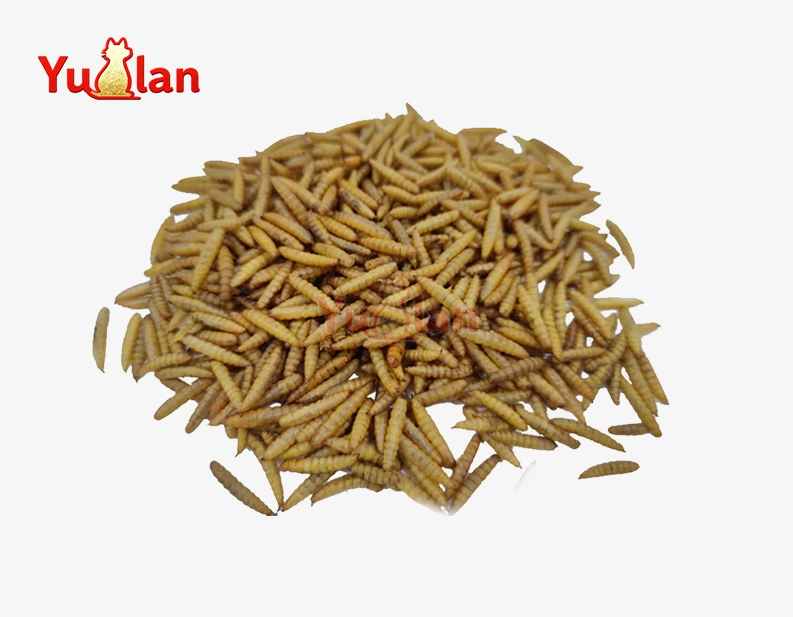
Parrots are omnivorous pet birds and require a varied diet to maintain their physical vitality, feather health and reproductive capacity. Most daily diets for parrots are based on single seeds, grains and commercial pellets. These traditional feeds are often poor in quality protein and essential amino acids, which can result in slow feather growth, low immunity and dull feather colour. Dried mealworms have become a popular and safe nutritional supplement for parrot feeding over the last few years. High in protein, rich in trace elements and with practical storage features, dried mealworms for parrots successfully compensate the nutritional deficiencies of traditional parrot feed. This article details the nutritional value, feeding safety, scientific application and purchasing standards of this parrot nutritional supplement, offering professional and practical advice to parrot breeders and pet product practitioners.

Core Nutritional Benefits of Dried Mealworms
Nutritional balance is the key to long term healthy breeding of parrots. Different from single component daily feed, these dried mealworms contain comprehensive natural nutrients that match the physiological growth needs of parrots. Long term reasonable feeding can effectively improve the physical condition and ornamental value of parrots.
Complete Nutritional Composition Supports Parrot Growth
Dried mealworms have a superior nutritional structure suitable for all types of parrots. Standard high quality dried mealworms contain 53 percent crude protein, 28 percent natural fat, 6 percent dietary fiber and 5 percent water based on dry weight. This high protein ratio fills the protein gap in traditional seed based parrot diets. It provides sufficient energy for daily activities, muscle development and physical recovery of parrots.
These worm supplements are also abundant in calcium, potassium, iron and other trace elements. These minerals are essential for normal bone development and metabolic balance of birds. The high levels of dietary fibre in dried mealworms may alter the intestinal flora of parrots. It promotes the gastrointestinal peristalsis, improves the digestion and absorption capacity of parrots, avoiding the indigestion and loss of appetite caused by the single diet structure.
Optimize Feather Condition and Anti Stress Ability
Feather growth and mental state are important indicators to judge the health of parrots. Dried mealworms are rich in methionine and a variety of essential amino acids. These substances are core nutrients for parrot feather growth and molting metabolism. Reasonable feeding can make parrot feathers brighter, smoother and denser. It also speeds up feather regrowth during the molting period.
The amino acid components in dried mealworms for parrots can also relieve the stress response of birds. Parrots are sensitive pets that are prone to anxiety and irritability due to environmental changes. Long term moderate intake of dried mealworms can stabilize their mental state. It reduces aggressive behaviors such as pecking feathers and fighting, and effectively improves the living state of captive parrots.
High Safety of Industrial Processing Nutrition Retention
Many breeders worry that insect feeds have bacteria and impurity residues. Formal industrially processed dried mealworms completely solve this problem. Standard products adopt high power microwave drying and sterilization technology. This process can kill harmful bacteria such as salmonella and escherichia coli in raw materials without adding chemical additives.
The low temperature constant temperature processing mode maximizes the retention of active nutrients in these worm products. It avoids the loss of amino acids and vitamins caused by high temperature baking. The finished product has pure texture, no peculiar smell and no impurities. It is safer and healthier than wild live mealworms, and fully meets the daily feeding safety standards of pet parrots.

Scientific Feeding Standards and Usage Methods for Parrots
Dried mealworms for parrots have excellent nutritional value, but unreasonable feeding dosage and methods will cause adverse effects such as obesity and indigestion. Mastering scientific feeding rules can maximize the nutritional effect of dried mealworms and ensure the healthy growth of parrots.
Strict Daily Feeding Dosage and Proportion Standards
Dried mealworms for parrots are not a staple food, but a nutritional supplement which is high in protein and fat. It is not a substitute for daily grains and pellets. Avian feeding standards suggest that dried mealworms should constitute no more than 5-10% of the entire daily diet. If they are fed too much, parrots can gain too much fat and become obese, developing fatty liver and other health problems.
Parrots of different sizes have different feeding dosage standards. Larger parrots like macaws and African greys can be fed 3-5 dried mealworms per day. Medium-sized parrots such as conures and caiques can have 2 to 3 pieces per day. Small parrots such as cockatiels and lovebirds need only 1-2 pieces every other day. During the moulting, breeding and recovery periods, breeders are able to supplement nutrition through proper increase of the dosage.

Gradual Feeding Adaptation and Operation Skills
Parrots have high requirements for diet adaptability. Sudden replacement or addition of new feed may cause gastrointestinal discomfort. It is necessary to adopt a gradual adaptation method when feeding dried mealworms for parrots for the first time. The whole adaptation cycle lasts 7 to 10 days.
In the early stage, breeders can mix a small number of crushed dried mealworms into the usual staple food. Observe the parrot's eating state and defecation condition every day. If there is no loose stool, loss of appetite and other adverse reactions, gradually increase the feeding amount. For small parrots with weak digestive ability, crushing dried mealworms can effectively avoid choking risks and improve digestion efficiency.
Standard Storage Methods to Maintain Nutritional Activity
Good storage is the premise to ensure the long term availability of dried mealworms for parrots. Unreasonable storage will lead to moisture mildew, oxidative deterioration and nutrient loss. The most suitable storage environment for dried mealworms is a cool and dry place with temperature below 70 degrees Fahrenheit and humidity lower than 60 percent.
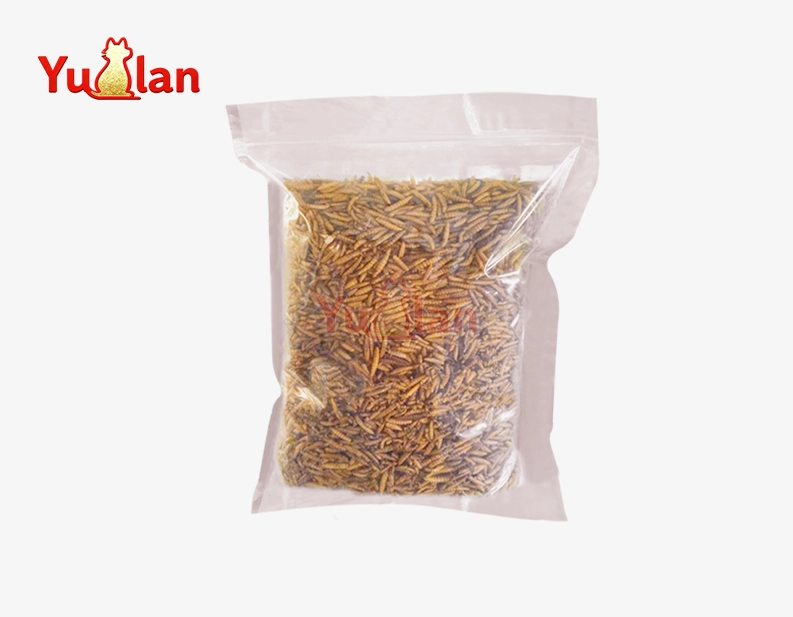
For storage, vacuum packaging or sealed plastic containers are recommended. The effective measures to prevent lipid oxidation and mildew of dried mealworms are to isolate the air, moisture and light. Proper storage can extend the shelf life of dried mealworms up to 12 months. The nutritional value and palatability remain stable, which makes it very suitable for long-term family use and bulk purchase by pet shops.

Product Advantages and Market Selection Criteria
There are many types of parrot nutritional supplements on the market. Dried mealworms for parrots have obvious competitive advantages over traditional feeds and other insect supplements. Mastering professional selection standards can help breeders and merchants screen high quality products and avoid inferior feed risks.
Advantages Over Traditional Parrot Feed and Other Insect Supplements
Compared with sunflower seeds and ordinary pellets, dried mealworms for parrots have more complete amino acid spectrum. Traditional plant based pellets are missing some key amino acids required by parrots. Sunflower seeds have excessive fat content and are easy to cause parrot obesity after long term consumption. In contrast, the nutrition of dried mealworms is more balanced and targeted.
Compared with dried crickets and other insect feeds, dried mealworms have higher cost performance. The protein content of the two is similar, but the market price of crickets is 20 to 30 percent higher. In addition, dried mealworms have mild taste and high palatability. Most parrots take the initiative to eat, with lower feeding rejection rate. It is more suitable for long term daily supplementary feeding.
High Quality Product Screening and Supplier Standards
High quality dried mealworms for parrots must pass strict third party testing and certification. Qualified products need to complete microbial detection, heavy metal detection and nutritional component analysis. They must exclude harmful substances such as salmonella and escherichia coli to ensure feeding safety.
Regular suppliers adopt standardized microwave drying technology, which is more stable than traditional natural drying and hot air drying. It can ensure uniform nutrition of each batch of products. For bulk purchasers such as pet stores and breeding institutions, it is necessary to select suppliers with complete production qualifications, HACCP food safety certification and stable supply capacity. It can effectively guarantee product consistency and avoid batch quality differences.
Conclusion
Dried mealworms for parrots are safe, nutritious and practical high quality nutritional supplements for parrots. Its high protein, rich amino acids and various trace elements can effectively make up for the nutritional deficiencies of traditional parrot staple food. Reasonable feeding can optimize parrot feather state, enhance body immunity and relieve mental stress.
Compared with other insect feeds and traditional parrot snacks, dried mealworms have outstanding advantages in safety, palatability and cost performance. With scientific feeding dosage, gradual adaptation methods and standardized storage management, breeders can maximize the nutritional value of dried mealworms.
Whether for family pet parrot feeding or commercial pet product sales, dried mealworms for parrots are an ideal choice. It complies with the healthy feeding concept of modern pet breeding, and has stable market demand and broad application prospects in the pet industry.
FAQs
Are dried mealworms a complete staple food for parrots?
Dried mealworms for parrots can only be used as nutritional supplements, not complete staple food. Although dried mealworms are rich in protein and fat, they lack a variety of vitamins and carbohydrates required for parrot growth. Long term single feeding will lead to nutritional imbalance. The daily feeding proportion should be controlled within 5 to 10 percent, matching fruits, vegetables and professional parrot pellets to form a balanced diet.
How to judge whether dried mealworms for parrots have deteriorated?
High quality dried mealworms for parrots have uniform color, dry texture and slight natural nutty flavor. If the product has peculiar smell, mildew spots, damp agglomeration or worm damage, it means it has deteriorated. Deteriorated dried mealworms will cause gastrointestinal diseases and bacterial infection in parrots, so they must be discarded in time and cannot be fed.
Can all types of parrots eat dried mealworms?
Dried mealworms for parrots are suitable for all common parrot species. Large parrots such as macaws and African greys, medium parrots such as conures, and small parrots such as cockatiels and lovebirds can all eat dried mealworms. Only the feeding dosage and particle size need to be adjusted according to the parrot size to ensure safe digestion and absorption.
What are the adverse reactions of excessive feeding dried mealworms to parrots?
Excessive feeding of dried mealworms for parrots will cause a series of health problems. The high fat content will lead to parrot obesity and fatty liver disease. Excessive protein intake will increase the burden of parrot kidney metabolism. In addition, long term excessive feeding will make parrots picky eaters, refuse staple food, and cause single nutrition and decreased immunity.
Premium Dried Mealworms Supply and Custom Cooperation
Whether you run a professional pet retail store, parrot breeding base, or bulk distribution business, choosing stable and high quality parrot feed supplements is key to long term operational development. Yunlan is a professional manufacturer focused on insect protein pet feed production and global supply chain layout. With two decades of industry experience, we dedicate ourselves to providing standardized, safe and nutrition guaranteed mealworm products for parrot feeding scenarios worldwide.
All our mealworm products adopt precise microwave drying and high standard sterilization technology. Strict third party nutrition detection and microbial safety tests are implemented for every batch. We hold complete food safety system certifications and international qualification documents. The whole production process avoids chemical additives and harmful residues, locking in natural nutrients while ensuring long term feeding safety for all parrot species.
We support flexible procurement solutions including free product samples, small batch trial orders and large scale customized wholesale. Our mature global logistics network covers more than 60 countries and regions, delivering stable and efficient door to door shipping services. Our professional team can provide targeted feeding suggestions and product matching schemes according to different parrot types and business demands. For exclusive bulk preferential policies, customized cooperation plans and professional product consulting, feel free to contact our procurement team via minghuixu6717@gmail.com.
References
Smith, J.A., & Wilson, R.M. (2023). Nutritional Analysis of Dried Mealworms in Avian Diets: A Comprehensive Study of Protein Quality and Amino Acid Profiles. Journal of Avian Nutrition, 45(3), 178-192.
Thompson, L.K., Rodriguez, C.P., & Chen, H. (2022). Comparative Digestibility of Insect-Based Proteins in Psittacine Birds: Implications for Commercial Feed Formulation. International Parrot Research Quarterly, 38(2), 67-81.
Anderson, M.B., Kumar, S., & Williams, D.R. (2024). Processing Methods and Nutritional Retention in Dried Mealworm Products for Pet Birds. Food Science and Technology Letters, 29(4), 234-247.
Mitchell, K.L., & Brown, A.J. (2023). Behavioral Acceptance Patterns of Novel Protein Sources in Captive Parrots: A Multi-Species Analysis. Applied Animal Behavior Science, 156, 89-103.
Garcia, R.F., Peterson, N.M., & Lee, S.H. (2022). Safety Assessment of Commercially Processed Dried Mealworms for Companion Bird Consumption. Veterinary Food Safety Review, 41(7), 445-458.
Johnson, P.T., Murphy, K.R., & Davis, L.C. (2024). Economic Analysis of Alternative Protein Sources in Commercial Parrot Feed Operations. Pet Industry Economics Journal, 33(1), 112-127.