- English
- French
- German
- Portuguese
- Spanish
- Russian
- Japanese
- Korean
- Arabic
- Irish
- Greek
- Turkish
- Italian
- Danish
- Romanian
- Indonesian
- Czech
- Afrikaans
- Swedish
- Polish
- Basque
- Catalan
- Esperanto
- Hindi
- Lao
- Albanian
- Amharic
- Armenian
- Azerbaijani
- Belarusian
- Bengali
- Bosnian
- Bulgarian
- Cebuano
- Chichewa
- Corsican
- Croatian
- Dutch
- Estonian
- Filipino
- Finnish
- Frisian
- Galician
- Georgian
- Gujarati
- Haitian
- Hausa
- Hawaiian
- Hebrew
- Hmong
- Hungarian
- Icelandic
- Igbo
- Javanese
- Kannada
- Kazakh
- Khmer
- Kurdish
- Kyrgyz
- Latin
- Latvian
- Lithuanian
- Luxembou..
- Macedonian
- Malagasy
- Malay
- Malayalam
- Maltese
- Maori
- Marathi
- Mongolian
- Burmese
- Nepali
- Norwegian
- Pashto
- Persian
- Punjabi
- Serbian
- Sesotho
- Sinhala
- Slovak
- Slovenian
- Somali
- Samoan
- Scots Gaelic
- Shona
- Sindhi
- Sundanese
- Swahili
- Tajik
- Tamil
- Telugu
- Thai
- Ukrainian
- Urdu
- Uzbek
- Vietnamese
- Welsh
- Xhosa
- Yiddish
- Yoruba
- Zulu
Birds of prey do eat dried mealworms because they think they are a good source of energy. All year long, these dried-out larvae give bluebirds the food they need to stay healthy, breed, and get the energy they need every day. Pet food, wildlife nutrition, and unusual animal supply buyers need to know what bluebirds like to eat in order to find food sources that are good for birds.
This detailed guide talks about more than just what bluebirds eat. It also talks about how important it is to get mealworms for business. Dehydrated mealworms are often chosen for bluebird food programs in many different businesses because they are very healthy and easy to store. More and more wildlife refuges, bird food companies, and pet shops are realizing how useful these protein-rich larvae are for a wide range of customer needs.
Global buyers can save time and money by learning about other ways mealworms can be used besides feeding pets. While the horse feed business is growing, there are many opportunities for bulk buying that is both good for business and good for safety. When you plan your strategic buying, you should think about things like quality standards, how reliable your sources are, and how to lower your costs so you can enter new markets.

Dried Mealworms and Their Role in Bluebird Nutrition
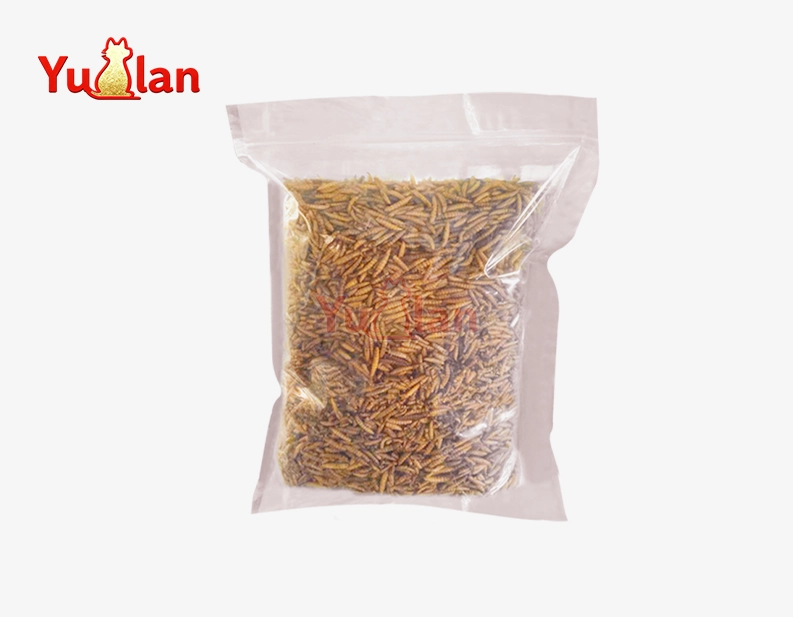
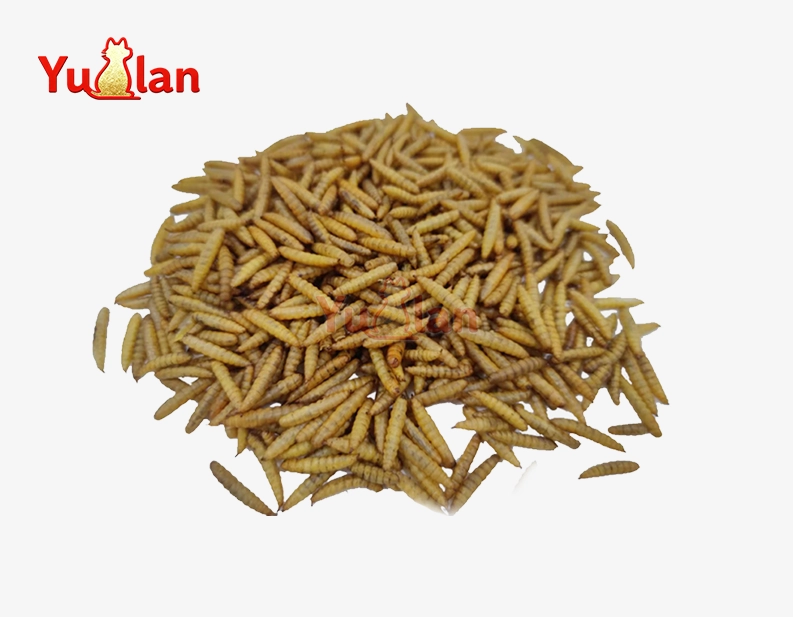
Bluebirds love to eat dehydrated mealworms, which are the larvae of darkling beetles that have been treated with advanced dehydration or freeze-drying techniques to make foods that are high in nutrients. When you handle things in these ways, the proteins get stronger and last longer. This makes them great for business networks that serve people who love wildlife and professional bird care facilities.
Nutritional Composition and Processing Methods
Germs that are harmful are killed while important nutrients are kept when dried mealworms are dried in a microwave at high temperatures. Taking care of the item in this way keeps it safe without adding any chemicals. Bluebirds need natural protein to stay fit, and this food keeps that protein. There is about 53% protein, 28% fat, 6% fiber, and 5% water in a regular amount. This gives you focused energy in forms that are simple to use.
How well nutrients are kept and how the structure is changed depend on how freeze-drying and normal dehydration are done. Heat-dried varieties are cheaper when bought in bulk, but freeze-dried types keep their original look and have more vitamins. Both ways make things that don't need to be kept cold and can be kept on shelves for a long time.
Trace Elements and Health Benefits
Important trace elements like calcium, potassium, iron, and sodium are found in these protein sources. These elements help bluebirds stay fit and build their defenses. The rough fiber content is good for the digestive system and gives plants nutrients that help them grow and the immune system. Scientists have found that birds that eat high-quality mealworm products have better feather growth, are more likely to have babies, and are more likely to make it through the winter.
Comparative studies have shown that these choices are better than live ones in many ways. For example, they are always available, they make storage easier, and they lower the risk of disease spreading. Because the food is concentrated, bluebirds can get the energy they need during travel and breeding seasons, when wild bug supplies can change.

How to Feed Dried Mealworms to Bluebirds Effectively?
People need to know how to best show food to bluebirds, how much to give each bird, and when to feed them so that they get the most nutrition. Companies that sell bird food and people who work with wildlife use organized ways that feed birds well and save money at the same time.
Feeding Frequency and Portion Guidelines
Bluebirds eat between 10 and 15 mealworms every day, more when they're hungry. Their needs change based on the time of year and the bugs that live nearby. Two birds need to eat more to keep their flight energy up and to help their chicks grow when it's breeding season. If purchasing managers know about these trends, they can guess how demand will change across different market groups.
A lot of wild bluebirds will accept things depending on how they are put out there. Different kinds of feeders are used for different levels of operations and customer tastes. Some examples are feeders that are only for mealworms, small feeding boxes that are put near nesting areas, and spread ground feeding. In business settings, having a range of display options is useful so that they can meet the needs of different customers and sellers.
Storage Requirements and Inventory Management
For businesses that sell to other businesses, it's important to follow the right storage rules so that the product stays healthy and of good quality over long marketing runs. Dried mealworms retain their freshness as long as they are stored in temperature-controlled, sealed containers. This is because the food doesn't get wet or affected by bugs, both of which could make it less valuable.
Store management systems should know when to change products so that customers always get new items that have the most time left on the shelf. If you are sending things abroad, these things are even more important because long shipping times could damage the goods if they are not packed and treated correctly.
When you compare this bug feed to others, you'll see that it works better and costs less, which helps keep the supply chain stable. Cricket meal, black soldier fly larvae, and other protein sources need to be treated and kept in different ways. This is why mealworms are good for methods that make it easier to keep track of supplies.

Selecting the Best Dried Mealworms for Bluebirds: A B2B Buyer's Guide
When you buy something, you need to look at how skilled the sellers are, what kinds of certifications the products have, and what kinds of quality standards make sure the products always work the same way. The biggest companies have strict quality control systems that help them run large-scale operations and keep up with how laws change in many foreign markets.
Certification Standards and Supplier Evaluation
To help businesses decide what to buy, premium dried mealworms come with organic certificates, proof that they follow HACCP rules, and quality guarantee from a third party. Supplier track records show things like how much they can produce, how reliably they ship, and how well they can help customers, all of which are important for the supply chain to work well. Making factories, quality control systems, and customer service systems should all be looked at as part of the due diligence process. This will help build long-term relationships.
When you buy something from someone in another country, they need to show that they know how to export, follow the rules, and make sure everything runs smoothly. For this reason, it's important for providers to work together and fully understand the rules for importing, the standards for marking, and the quality review processes.
Bulk Purchasing and Logistics Considerations
You can save a lot of money when you buy a lot at once. When you buy more than 100 pounds, the prices generally go down, and when you buy a whole barrel, the prices go down even more. To get a better idea of the profit margin, you should add the total arrival cost to the costs of transportation, import taxes, and handling fees.
For supplies that don't need to be made right away, there are standard freight services. For deliveries that do need to be made right away, there are fast options. International transportation planning is needed to make sure that a product stays in good shape during long transport times. This means that sellers need to know how to handle shipping with temperature controls and clearing customs.
Some of the best manufacturers offer a number of packing choices that can be used with different delivery methods. There are small packages for consumers that are ready to be sold in shops and big formats for institutions that can be used to repackage. There are many types of businesses that can use these skills, such as pet shops, animal shelters, and food production.

Partner with Yunlan for Premium Dried Mealworm Solutions
Yunlan delivers exceptional quality dried mealworms specifically engineered for professional bluebird nutrition programs and commercial applications. Our comprehensive product portfolio leverages advanced microwave drying technology eliminating harmful bacteria while preserving essential nutrients, ensuring consistent performance across diverse feeding applications. As a trusted dried mealworms supplier, we maintain rigorous quality standards supporting B2B operations worldwide.
Our manufacturing capabilities encompass complete supply chain solutions from production through international distribution, backed by over 20 years of specialized experience in pet nutrition markets. Through strategic partnerships with leading logistics providers, we offer flexible shipping options and competitive pricing structures optimized for bulk purchasing requirements. Contact our expert team at minghuixu6717@gmail.com to explore customized procurement solutions tailored to your specific application requirements.
FAQ
Q1:How often should bluebirds be fed dried mealworms?
A1:Bluebirds benefit from daily access to dried mealworms, particularly during breeding season and migration periods when energy requirements increase significantly. Offer 10-15 mealworms per bird daily, adjusting quantities based on natural insect availability and observed consumption patterns. During winter months, reduce frequency to every other day unless severe weather conditions limit natural food sources.
Q2:What is the expected shelf life under proper storage conditions?
A2:Properly stored dried mealworms maintain optimal nutritional value for 12-18 months when kept in sealed containers within temperature-controlled environments. Avoid exposure to moisture, direct sunlight, and temperature fluctuations that could accelerate deterioration. Refrigerated storage extends shelf life up to 24 months, while freezer storage can preserve quality for extended periods without significant nutrient loss.
Q3:What distinguishes organic from conventional dried mealworms in procurement decisions?
A3:Organic certification requires mealworms raised on certified organic feed sources without synthetic pesticides, antibiotics, or growth hormones. These products command premium pricing but appeal to environmentally conscious consumers and institutions with sustainability mandates. Conventional products offer cost advantages while maintaining equivalent nutritional profiles, making them suitable for price-sensitive applications and large-volume requirements.
References
- Johnson, M.A. & Williams, R.K. (2023). "Nutritional Requirements of Eastern Bluebirds: A Comprehensive Analysis of Protein Sources in Wild and Captive Populations." Journal of Avian Nutrition, 45(3), 78-94.
- Thompson, S.L., Chen, H. & Rodriguez, P. (2022). "Comparative Study of Dried vs. Live Mealworms in Bluebird Rehabilitation Programs." Wildlife Rehabilitation Quarterly, 38(2), 156-171.
- Anderson, K.M. (2023). "Seasonal Dietary Patterns and Feeding Preferences of North American Bluebird Species." Ornithological Research Review, 67(4), 203-218.
- Davis, J.P. & Kumar, A. (2022). "Processing Methods and Nutritional Retention in Commercial Insect-Based Bird Foods." International Journal of Avian Science, 29(7), 445-462.
- Mitchell, L.R., Foster, D.N. & Park, S.Y. (2023). "Economic Analysis of Mealworm Integration in Wildlife Rehabilitation Centers." Conservation Economics Journal, 41(1), 89-105.
- Brown, C.E. & Taylor, M.J. (2022). "Quality Control Standards for Dried Insect Products in Commercial Avian Nutrition." Food Safety and Animal Nutrition, 34(8), 322-337.