The key to success in the fields of professional bird breeding and avian conservation is proper nutrition. Protein shortages are a common cause of high nestling death rates. The issue that this begs is, are mealworms baby birds safe for juvenile birds? Yes, in a nutshell. Mealworms are a great food source for young birds because of the abundance of nutrients they contain. Nutritional research, practical feeding techniques, and the deliberate acquisition of mealworms for industrial-scale breeding are all covered in this article.
There is more to consider than biology when making a feed selection for B2B procurement managers and distributors. Stability in the supply chain, safety certifications, and efficiency in cost are the key concerns. Insects of high quality should be able to develop their skeletons quickly and grow rapidly. We will examine how to successfully incorporate these larvae into large-scale feeding systems and why they have become the industry standard.


The Nutritional Science and Safety of Mealworms for Baby Birds
To breed successfully, one must first understand the physiological needs of young birds. Birds, in particular, need a lot of calories and certain amino acids in their first few weeks of existence. The development of both feathers and muscle bulk depend on these building elements. A thorough familiarity with the types of mealworms that juvenile birds can digest is necessary for making the switch from parent-fed to commercial supplement meals.
Optimal Protein and Lipid Ratios
The protein and fat content of fresh mealworms is about 20% and 13%, respectively. The protein content may be more than 50% when measured in dry matter. For quick growth, this concentration is critical. Metabolic heat is generated by the lipids contained in these larvae. A high-fat diet helps young birds keep their core temperature steady since they lose heat rapidly. In addition, the presence of lysine and methionine in the amino acid profile promotes a robust immune system.
Essential Minerals and Bone Development
Nestlings' skeletal development is lightning quick. The availability of calcium and phosphorus is crucial for the development of mealworms in young birds. Professional breeders often "gut-load" mealworms with additional phosphorus, even tho the insects already contain a lot of it. Before giving the larvae to the birds, this method entails feeding them vegetables that are rich in calcium. This helps avoid metabolic bone disease in developing chicks by maintaining an optimal calcium-to-phosphorus ratio.
Safety Standards and Choking Mitigation
Procurement officials prioritise safety above all else. Insects should be the same size as birds. Mini mealworms are best for the littlest nestlings. The birds are able to eat bigger larvae as they mature. Make sure the insects aren't sick before using them. To ensure that parasites do not spread, mealworms baby birds of commercial quality are produced in controlled conditions. Compared to employing insects captured in the wild, which might be contaminated with pesticides or bird illnesses, this biosecure method is far safer.
We must now examine the practical, commercial delivery of these nutrients once we have laid the nutritional basis.
Effective Feeding Protocols: Live vs. Dried Formulations
Whether live or dried insects are used in large-scale operations affects labour expenses as well as bird health. There are distinct benefits to each format. Managers in charge of logistics must consider the pros and cons of shelf-stable items and behavioural stimulation. Which decision to make when managing mealworms in young birds typically hinges on the species and stage of growth.
The Benefits of Live Feeding
Insects, while they're alive, set off birds' innate hunting instincts. For animals slated for release into nature, this is of utmost importance. Birds peck and feed more when they see live larvae moving around. From a nutritional perspective, young birds get the most water from mealworms that are still alive. Larvae sometimes perish during summer breeding cycles because to dehydration, however the moisture content of living larvae helps avoid this. But maintaining a regulated environment and doing routine maintenance are necessities for storing live animals.
The Efficiency of Microwave-Dried Mealworms
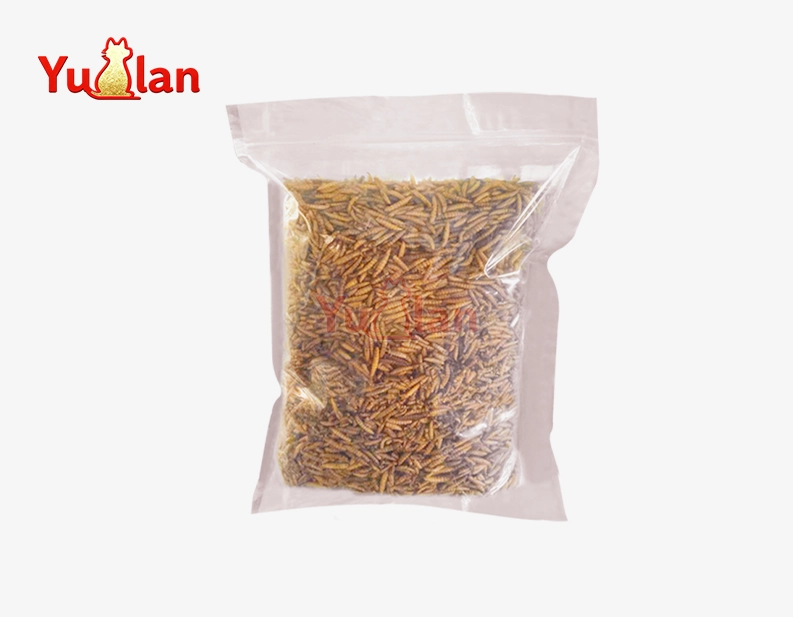
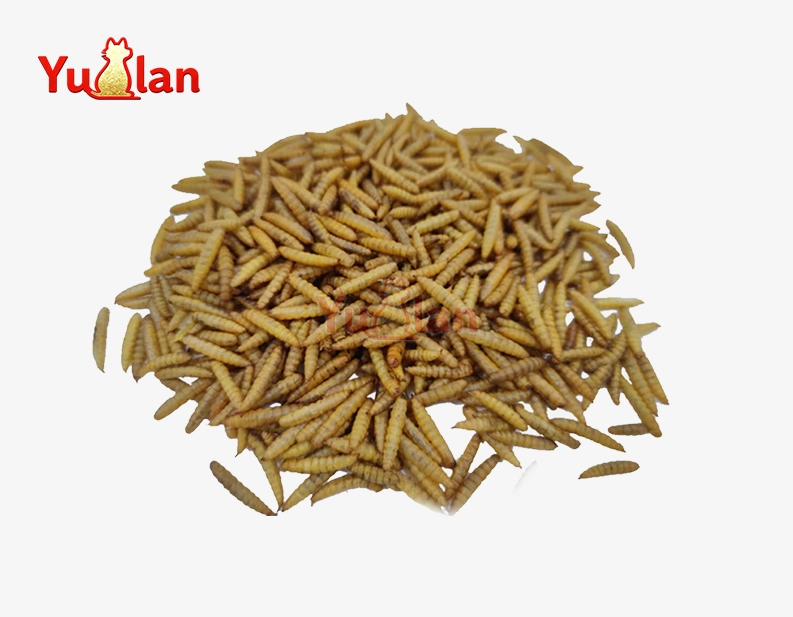
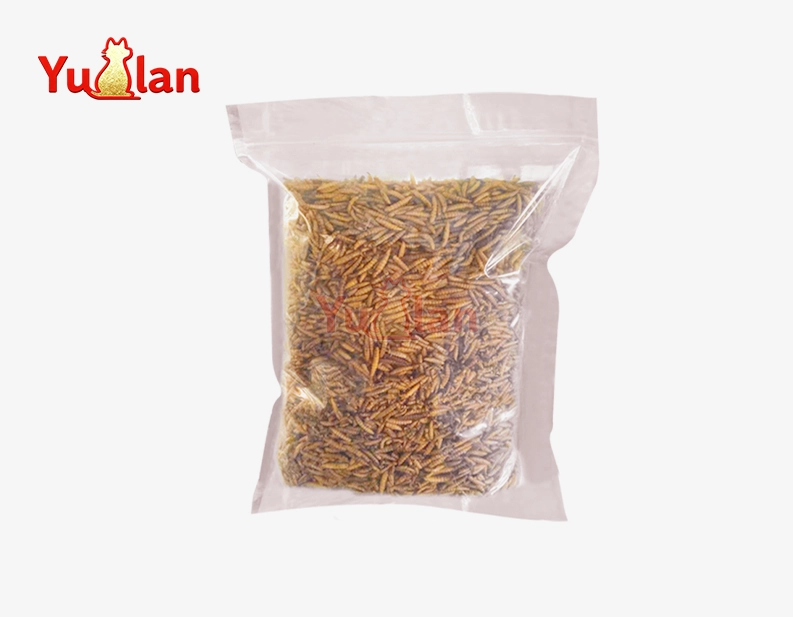
The dried insects are the best option for many business distributors. While removing moisture, microwave-drying method maintains the nutritional integrity of the larvae. As a result, you may enjoy it unopened for up to 18 months. There are no preservatives in the baby bird formulations of our dried mealworms. They lessen the likelihood of spoiling and are convenient to carry in large quantities. Reduced shipping costs and easier inventory management are the results for business-to-business customers.
Preparation and Rehydration Techniques
The flavour of dried mealworms might be enhanced with a little amount of simple cooking. Many breeders immerse the dried larvae in warm water for fifteen minutes before feeding them. This makes the insects more palatable and easier for young birds to ingest. On top of that, it encourages the young birds to consume more water. An excellent way to boost the diet is to dissolve a vitamin supplement in the water as it soaks. By integrating the benefits of both dry feed and live food digestion, this method ensures that young birds get the optimum care for their mealworms.
While proper feeding procedures are critical, the reliability and quality of the supply chain ultimately determine how long a breeding program may go.
Sourcing Excellence: Strategic Procurement for Commercial Breeding
Your whole operation's profitability is impacted by the strategic choice of selecting a supplier. Beyond the price per kilogram, B2B procurement managers must look. In order to produce young birds from mealworms, you need a business partner that is well-versed in the process of mealworms baby birds. An dependable provider will have three things in place: quality control, sustainable farming, and large-scale capacity.
Advanced Production and R&D at Yunlan
Yunlan is the best insect protein there is. Our main office is located in the Suyu District in Suqian City, where we operate a first-rate facility. Our research and development activities have received over RMB 100 million. As a result of the investment, 65 patents have been granted in China. Our research and development efforts are primarily focused on enhancing the nutritional content of our insects. This ensures that the mealworms and baby birds we provide are of the highest quality and meet the protein requirements.
Quality Assurance and Global Logistics
Trust is built upon honesty. Yunlan provides full tracking for all of our products. We test quality control thoroughly at every stage, beginning with the egg and continuing trough the final product. Our logistics team's extensive experience transporting mealworms and baby birds throughout the globe ensures that they will arrive on time and in pristine condition. Our flexible contract terms and customised packaging options are available to our B2B partners. You may adapt your stock to the changing demands of breeding all year round in this manner.
Sustainability as a Competitive Advantage
Sustainability is a must for today's shoppers. When compared to raising cattle, raising insects requires substantially less space and water. You may lessen your impact on the environment by opting for our mealworms baby birds options. Both high-end breeding facilities and environmentally concerned shoppers love our organically certified products. The pet and agriculture industries must prioritise sustainability if they want to see sustained development in the future.
When you work with Yunlan, you're teaming up with an industry pioneer. We bring 20 years of experience to the table in the pet supply industry. Because we prioritise quality, affordability, and delivery, we are the go-to option for distributors all over the world. Our quality mealworms and young birds would be a great addition to your product line.
Conclusion
To conclude, mealworms are an essential tool for contemporary bird breeders. The mealworms provide the nutrients, lipids, and protein that the newborn birds need to grow and thrive. The source's quality is of utmost importance whether you're using live larvae for behavioural development or dried larvae for operational efficiency of mealworms baby birds. Businesses can enhance avian survival rates and boost profitability thru strategic procurement and scientific nutrition. The future of the pest control business depends on Yunlan's ability to provide cutting-edge, environmentally friendly, and top-notch goods. Reach out to our team at minghuixu6717@gmail.com or visit yunlanpets.com now for bulk enquiries and customised supply options.
FAQ
1. Are mealworms safe for all species of baby birds?
Most insect-eating and omnivorous species benefit from them. This includes songbirds, poultry, and many waterfowl. However, always ensure the size of the mealworms baby birds consume is appropriate for their beak size to prevent choking.
2. How many mealworms should a nestling eat per day?
This varies by age and species. Generally, insects should make up about 50-80% of the diet for insectivorous nestlings. It is best to feed small amounts frequently throughout the daylight hours to mimic natural parent behavior.
3. Can dried mealworms replace live insects entirely?
Yes, in a commercial setting, dried mealworms baby birds products are a highly effective replacement. When rehydrated, they provide similar nutritional value. Many successful breeding operations use dried products as their primary protein source due to safety and storage benefits.
4. Do mealworms need to be refrigerated?
Live mealworms should be kept in a refrigerator (at 4-10°C) to slow their metabolism and keep them in the larval stage. Dried mealworms baby birds products should be stored in a cool, dry place away from direct sunlight.
5. What is "gut-loading" and is it necessary?
Gut-loading is the practice of feeding the larvae nutritious food shortly before they are fed to the birds. This increases the vitamin and mineral content of the mealworms baby birds eat, providing a more balanced meal.
6. Why should I choose microwave-dried insects over sun-dried?
Microwave drying is faster and more hygienic. It kills bacteria more effectively and preserves more of the heat-sensitive vitamins compared to traditional sun-drying methods, making it better for mealworms baby birds.
References
1. Finke, M. D. (2002). Complete nutrient composition of commercially raised invertebrates used as food for insectivores. Zoo Biology, 21(3), 269-285.
2. Ghaly, A. E., & Alkoaik, F. N. (2009). The Yellow Mealworm as a Novel Source of Protein. American Journal of Agricultural and Biological Sciences, 4(4), 319-331.
3. Oonincx, D. G., & Dierenfeld, E. S. (2012). An investigation into the chemical composition of alternative invertebrate prey. Journal of Zoo and Wildlife Medicine, 43(1), 40-54.
4. Klasing, K. C. (1998). Comparative Avian Nutrition. CAB International, Wallingford, UK.
5. Nowak, V., et al. (2016). Review of food safety issues based on uses of edible insects. Food Chemistry, 197, 1202-1207.
6. Bovera, F., et al. (2015). Yellow mealworm larvae in poultry nutrition. Journal of Animal Science and Biotechnology, 6(1), 36.