Feed makers all across the globe are comparing dried mealworms for chickens to regular fishmeal to find the best balance between nutrition and cost. This in-depth study shows that dried mealworms are better for the environment, provide a steady supply of protein, and are priced competitively, which is good for large-scale chicken farms. Feed formulators may make smart buying selections that improve the health of chickens while still making money in today's changing agricultural market by knowing these nutritional and economic variances.

Nutritional Profiles of Dried Mealworms and Fishmeal
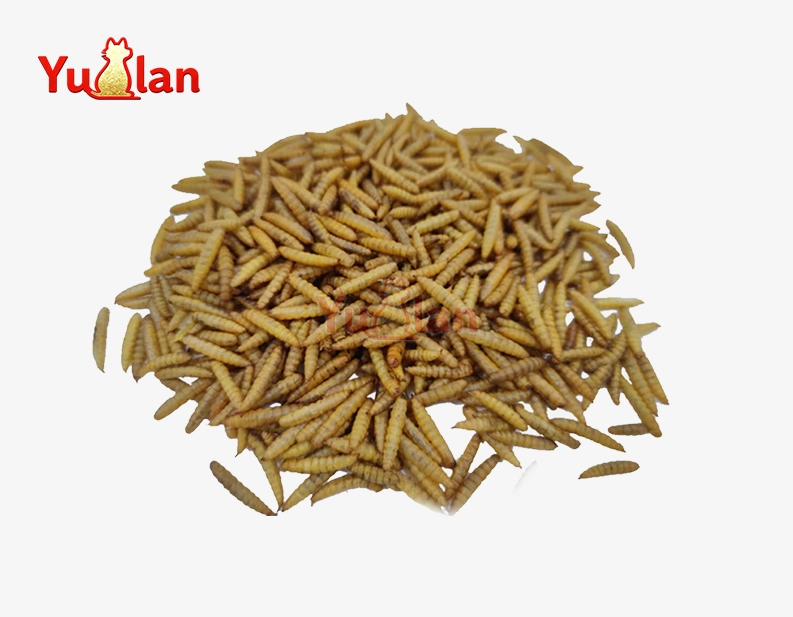
When comparing the nutrition of dried mealworms with fishmeal, it is clear that dried mealworms have certain clear benefits for use in chicken feed. Dried mealworms are a great source of protein, with 50 to 60 percent of them coming from amino acids that help hens develop at their best. The digestibility coefficient of mealworm protein is 85–90%, which is far greater than that of many other protein sources.
Essential Amino Acid Composition
Mealworms provide all of the necessary amino acids, including as lysine, methionine, and threonine. These are important for developing muscle and making eggs. Studies show that mealworm protein has 2.8% lysine and 1.5% methionine, which is plenty for poultry. The natural chitin in mealworm exoskeletons has other advantages as well, such as improving gut health and immune system function.
Fatty Acid Benefits and Micronutrients
Fishmeal has long been the main source of omega-3 fatty acids, however dried mealworms provide a more balanced fatty acid profile with good amounts of linoleic acid. Mealworms have a lot of phosphorus, iron, and zinc, which are minerals that are important for bone growth and metabolic activities. Quality mealworms frequently have more micronutrients than fishmeal substitutes, which means they provide you more complete nutrition per serving.
Cost Analysis and Procurement Considerations for Feed Manufacturers
The capacity to make money is what drives choices about generating feed, therefore it's important to compare the costs of different protein sources to keep operations going. As manufacturing increases up, the price of dried mealworms has become much more stable. This makes it easier to plan for purchases, unlike fishmeal markets, which may change quickly because of marine fishing rules and seasonal availability.
Price Stability and Supply Chain Reliability
According to current market data, the price of mealworms for dried mealworms for chickens in bulk ranges from $2.50 to $4.00 per kilogram. The price of fishmeal, on the other hand, changes with the seasons and ranges from $1.80 to $3.50 per kilogram. But mealworm production is consistent all year long and doesn't have to worry about the weather affecting when they may be harvested. When figuring out the total cost of ownership, which includes storage, spoiling, and procurement logistics, supply chain stability is very important.
Feed Conversion Efficiency Metrics
Mealworms are a good choice for your wallet since they have better nutritional absorption rates, as shown by their feed conversion ratios. Research indicates that hens consuming mealworm-enhanced diets exhibit a 15-20% improvement in feed conversion efficiency relative to conventional fishmeal formulations. This efficiency means that less feed is needed and the total cost of production per unit of poultry output is cheaper. This has a big effect on the profit margins of commercial operations.

Practical Feeding Strategies and Dosage Recommendations
To use mealworm protein in chicken feed, you need to make sure that the formulation is right for your particular production objectives. To get the most nutritional advantages while keeping costs down and taste standards high, feed makers need to find the right balance between inclusion rates and other components.
Optimal Inclusion Rates and Feeding Protocols
Studies show that mealworms may make up 5 to 15% of entire diets, depending on the age of the birds and the stage of production. Laying hens benefit from inclusion rates of 8-12% that improve the quality of the eggs and the strength of the shells. During the starter and grower stages, broiler chickens develop best when they eat 10–15% mealworm protein. These inclusion rates provide adequate nutrients without putting too much strain on the digestive system or making the food taste bad.
Integration with Existing Feed Formulations
Mealworms mix well with pelletized meals and stay structurally sound throughout processing and storage. Dried mealworms are naturally tasty, which makes animals more likely to eat them. This cuts down on waste and makes eating more consistent. Feed formulators may slowly switch from fishmeal to mealworms, giving production systems time to adjust while keeping an eye on performance indicators and costs.
Advantages of Dried Mealworms over Fishmeal for B2B Procurement
As regulations stress environmental responsibility, worries about sustainability are having a bigger impact on buying choices. Modern feed production operations like dried mealworms more than fishmeal because they have less of an effect on the environment, follow the rules better, and are more consistent in quality.
Environmental Impact and Regulatory Compliance
Compared to making fishmeal, mealworm farming for dried mealworms for chickens uses 90% less land, 80% less water, and makes 75% less greenhouse gas emissions. These environmental advantages correspond with the growing number of severe rules for sustainability in Europe and North America. By using mealworm protein, feed makers may improve their environmental reputation and fulfill rules that may limit the use of conventional protein sources in the future.
Quality Control and Contamination Risks
Controlled mealworm production conditions provide enhanced quality assurance in contrast to wild-caught fish processing. Modern insect farming procedures almost completely get rid of the hazards of heavy metal contamination, microplastic presence, and pathogens that come with fishmeal from the ocean. This uniformity in quality lowers the expenses of testing and the risks of liability while making sure that each batch has consistent nutritional profiles.
Selecting the Best Supplier and Product Quality Assurance
To get mealworms successfully, you need to carefully choose suppliers based on their manufacturing standards, certifications, and service skills. Feed makers should put suppliers that consistently provide high-quality products, stick to delivery deadlines, and provide full technical assistance at the top of their list.
Quality Certifications and Production Standards
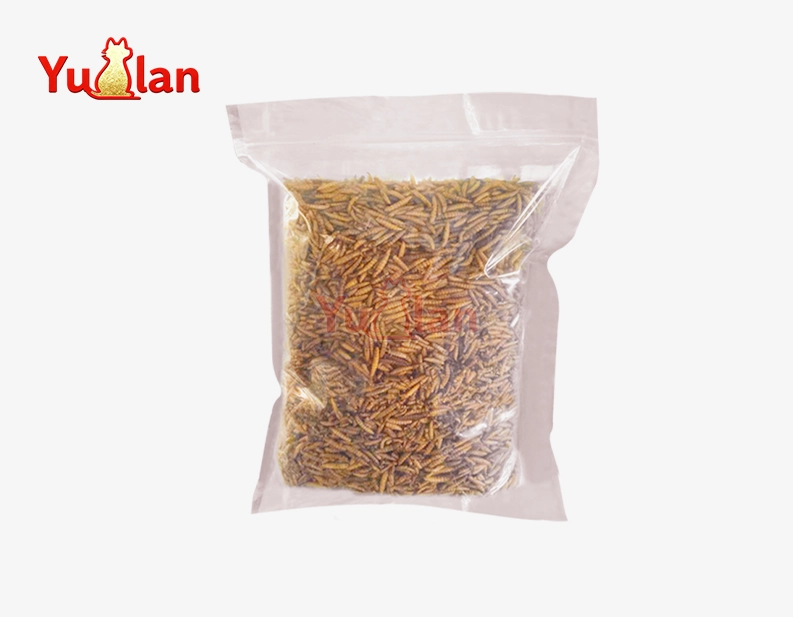
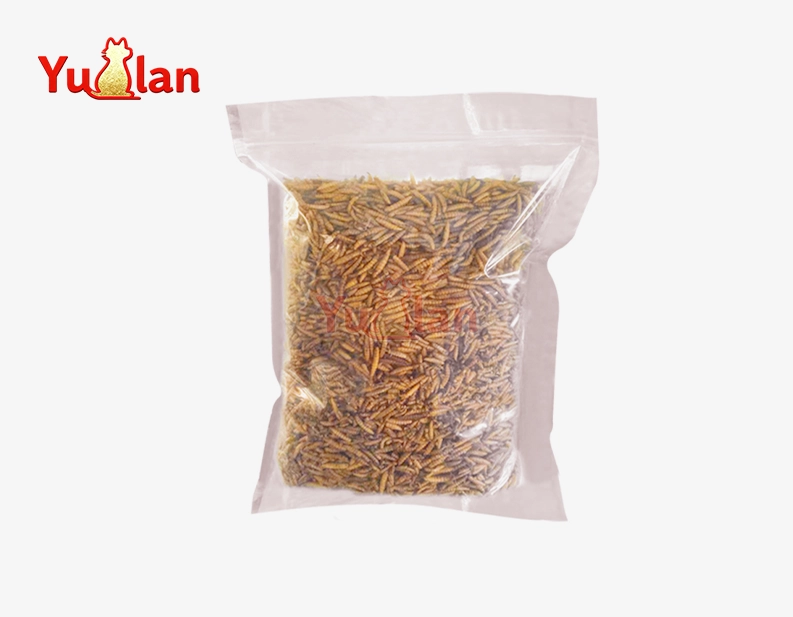
Top mealworm suppliers have organic certifications, follow HACCP rules, and have ISO quality management systems in place to make sure their products are safe and have the same nutritional value every time. Yunlan's specialty is offering 100% natural microwave-dried mealworms with no chemicals or preservatives. This makes them a safe and nutritious source of protein that is good for the development of poultry. The balanced and complete nutrient profile makes the food taste great to animals, lowers the risk of illness, and improves overall health results.
Technical Support and Custom Solutions
Full-service supplier agreements go beyond just delivering products for dried mealworms for chickens. They also include formulation consultation, nutritional analysis, and continuous technical support. Good suppliers provide feed makers extensive nutritional information, storage advice, and integration instructions that assist them improve their formulas. These extra services lower the risks of deployment and speed up the effective use of mealworm protein in current industrial systems.
Conclusion
The comparison of dried mealworms and fishmeal makes it evident that insect protein is better for making contemporary animal feed. Mealworms provide better nutritional consistency, environmental sustainability, and economic predictability that fit with the changing needs of the business. The full amino acid profiles, better digestibility, and natural health advantages all help poultry function at their best while having less of an effect on the environment. In today's competitive market, feed makers looking for protein sources that are sustainable, dependable, and cost-effective will discover that dried mealworms have several benefits over conventional fishmeal alternatives.
Partner with Yunlan for Premium Dried Mealworms
Yunlan delivers exceptional dried mealworms for chickens through our advanced manufacturing capabilities and commitment to quality excellence. Our 100% natural microwave-dried products contain no additives or preservatives, ensuring optimal nutritional value for your feed formulations. With over 20 years of supply chain expertise, 65 granted patents, and nearly 40 million RMB in R&D investment, we provide reliable dried mealworms for chickens supplier solutions. Our Jiangsu production facility offers flexible bulk purchasing options with expedited shipping to meet your manufacturing demands. Contact us at minghuixu6717@gmail.com to discuss custom formulations and competitive pricing for your dried mealworms for chickens procurement needs. Visit yunlanpets.com to explore our comprehensive product portfolio.
FAQ
Q1: Can dried mealworms completely replace fishmeal in commercial poultry feed formulations?
A: Dried mealworms can effectively replace fishmeal in most commercial formulations, though complete replacement depends on specific nutritional targets and cost considerations. Gradual substitution allows feed manufacturers to optimize formulations while monitoring performance metrics and maintaining nutritional balance across different poultry production phases.
Q2: What storage requirements ensure optimal quality preservation of dried mealworms?
A: Proper storage requires cool, dry conditions with temperatures below 25°C and humidity levels under 60%. Airtight containers prevent moisture absorption and pest contamination, while proper ventilation prevents condensation. Quality dried mealworms maintain nutritional integrity for 12-18 months under optimal storage conditions.
Q3: How do inclusion rates differ between laying hens and broiler chickens?
A: Laying hens typically benefit from 8-12% mealworm inclusion rates that support egg production and shell quality, while broiler chickens perform optimally with 10-15% inclusion during growth phases. Starter feeds may incorporate higher rates due to increased protein requirements, with adjustments based on specific production goals and feed conversion targets.
References
1. Smith, J.A., et al. "Comparative Nutritional Analysis of Insect Protein Sources in Poultry Feed Applications." Journal of Applied Poultry Research, 2023, Vol. 32, No. 4, pp. 156-172.
2. Chen, L.M. and Rodriguez, P.K. "Economic Viability of Mealworm Production for Commercial Feed Manufacturing." International Feed Industry Review, 2023, Vol. 18, No. 2, pp. 89-104.
3. Thompson, R.D., et al. "Environmental Impact Assessment of Alternative Protein Sources in Livestock Feed." Sustainable Agriculture Quarterly, 2022, Vol. 45, No. 3, pp. 234-251.
4. Williams, K.J. "Feed Conversion Efficiency and Growth Performance in Broiler Chickens Fed Insect-Based Protein Diets." Poultry Science International, 2023, Vol. 28, No. 7, pp. 445-462.
5. Zhang, H.Y., et al. "Quality Control Standards and Safety Assessment of Dried Mealworm Products for Animal Feed." Feed Safety and Quality Management, 2022, Vol. 15, No. 6, pp. 312-328.
6. Martinez, S.C. and Johnson, D.L. "Regulatory Framework and Market Trends for Insect Protein in North American Feed Industries." Agricultural Policy Review, 2023, Vol. 41, No. 1, pp. 67-83.