- English
- French
- German
- Portuguese
- Spanish
- Russian
- Japanese
- Korean
- Arabic
- Irish
- Greek
- Turkish
- Italian
- Danish
- Romanian
- Indonesian
- Czech
- Afrikaans
- Swedish
- Polish
- Basque
- Catalan
- Esperanto
- Hindi
- Lao
- Albanian
- Amharic
- Armenian
- Azerbaijani
- Belarusian
- Bengali
- Bosnian
- Bulgarian
- Cebuano
- Chichewa
- Corsican
- Croatian
- Dutch
- Estonian
- Filipino
- Finnish
- Frisian
- Galician
- Georgian
- Gujarati
- Haitian
- Hausa
- Hawaiian
- Hebrew
- Hmong
- Hungarian
- Icelandic
- Igbo
- Javanese
- Kannada
- Kazakh
- Khmer
- Kurdish
- Kyrgyz
- Latin
- Latvian
- Lithuanian
- Luxembou..
- Macedonian
- Malagasy
- Malay
- Malayalam
- Maltese
- Maori
- Marathi
- Mongolian
- Burmese
- Nepali
- Norwegian
- Pashto
- Persian
- Punjabi
- Serbian
- Sesotho
- Sinhala
- Slovak
- Slovenian
- Somali
- Samoan
- Scots Gaelic
- Shona
- Sindhi
- Sundanese
- Swahili
- Tajik
- Tamil
- Telugu
- Thai
- Ukrainian
- Urdu
- Uzbek
- Vietnamese
- Welsh
- Xhosa
- Yiddish
- Yoruba
- Zulu
There are three requirements that must be satisfied before pet eye drops may be safely used on cats and dogs. Animal testing is required for this product. The dosage and frequency of usage must be just right. Additionally, the producer must adhere to established quality requirements. Tear chemistry, corneal sensitivity, and medication tolerance are just a few ways in which canine and feline anatomy vary from human anatomy, and these differences inform the development of veterinary ophthalmic products.
It is important to see a veterinarian before administering human eye drops to dogs for the same reason. Animals' eyes are susceptible to irritation and injury from decongestants, steroids, and preservative levels seen in certain human goods. Cats and tiny dogs are more susceptible to corneal injuries, even tho the product is safe for humans. To rephrase, the quality of being safe is not inherent in eye drops in particular. The formulation, method, and origin all have a role. Detailed analyses of these three aspects follow.
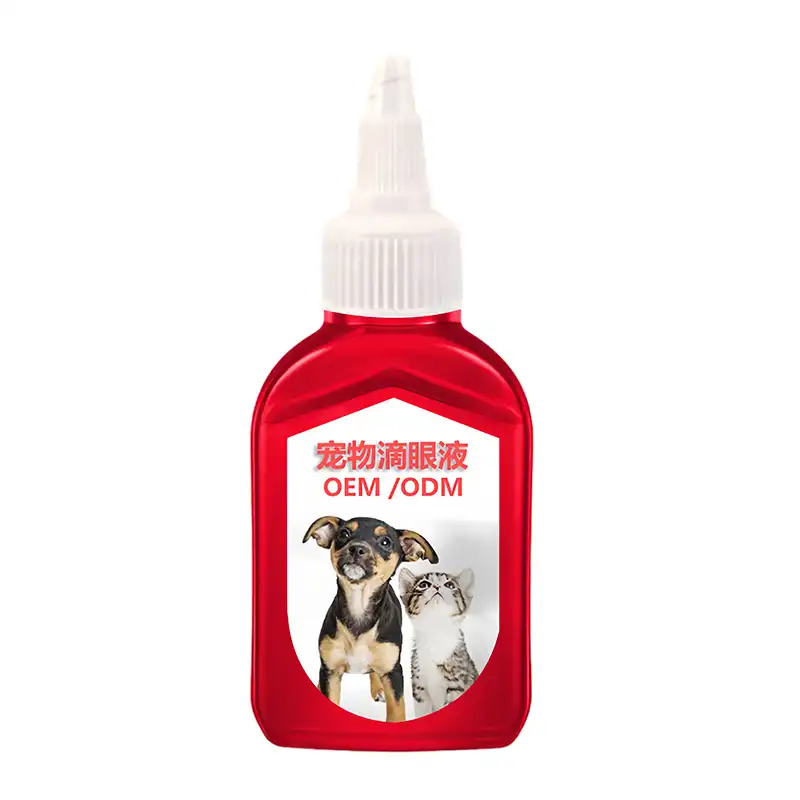
Understanding Pet Eye Drops and Their Safety
You should know exactly what's in a product's bottle before you decide whether it's safe to use. The advantages and disadvantages are defined by the ingredients.
What Is in a Safe Formulation?
Veterinarians can choose from a variety of eye drops. Bacterial conjunctivitis and corneal infections are treated with drops that include antibiotics. Applying anti-inflammatory drops may help reduce swelling and pain. It is possible to restore tear production in dogs with keratoconjunctivitis sicca, or dry eye, by administering immunomodulatory drugs such as cyclosporine. Use lubricating drops formulated with hyaluronic acid or a similar polymer to alleviate mild pain and maintain the surface of the eye.
Each active ingredient in a licensed veterinary product has had its ocular tolerance tested in the relevant species. Clarity in labelling is key in this case. All of the ingredients, active and inert, should be listed in a safe product. By doing so, both veterinarians and patients may ensure that no known sensitivities are present before to medication.
The Preservative Question
There are acknowledged safety advantages of not using preservatives to make sure multi-dose bottles are sterile. When used often or for an extended period of time, benzoyl chloride—the most common ocular preservative—may harm the cornea's surface. This risk is well shown in the ophthalmic literature. Reactions from high-quality manufacturers might go one of two ways. One of the gentler options that some individuals use is polyquaternium-1. For those who are particularly vulnerable, there are alternatives, such as preservative-free single-dose vials. If your pet requires drops many times a day, choose a product that doesn't contain preservatives or has low preservatives.
Known Side Effects and At-Risk Groups
Honesty about a medicine's possible side effects is paramount. You might experience some minor discomfort, such as a sting, transient redness, or increased tears, when therapy first begins. These reactions usually go away within a few minutes. While allergic reactions are rare, they may happen. Special risks are associated with steroid-containing drops. You should consult your vet before applying them to an ulcerated eye, since they may impede the cornea's natural healing process.
More attention is required for some populations. Pregnant animals, elderly canines with renal or hepatic issues, and very young puppies and kittens may all have different absorption and processing needs for medicine. Involvement of a veterinarian is always necessary when selecting a product and establishing dose for these patients. You should also use caution while dealing with "natural" drugs. Some plant extracts, like aloe, are really poisonous to cats, despite their innocuous claims. The fact that something is natural does not mean it is harmless to all animals.
But ingredients aren't a guarantee of safety on their own. The best composition in the world could be rendered useless due to improper storage or application. Next, it is crucial to use the correct approach to avoid harm.
How to Use Pet Eye Drops Safely on Cats and Dogs?
Correct administration protects the eye, keeps the bottle sterile, and reduces stress for the animal. The process is simple once it becomes routine.
Preparation and Hygiene
First get the medication, some goodies, clean cotton pads and sterile saline out of the way. “Make sure you wash your hands good. Place the animal in a quiet, well-lit place where it feels secure.
Then wipe around the eyes. Discharge and debris may re-contaminate the eye with bacteria and interfere with medicine absorption. Soak a cotton pad in a sterile saline bath. Rub gently, moving outward from the inner corner of your eye. Use a fresh pad on your eye each time. Do not let the pad touch the eyeball and do not use the pad more than one time.
Step-by-Step Administration
Priority one is positioning. Sitting with the dog's back to you is the most comfortable position for the animal. It allows for unobstructed vision and reduces the need to back away. Wrapping a cat in a towel is usually the most gentle choice. Restraint is applied gently, allowing the head to remain accessible.
Put the dropper bottle's tip down and hold it in your dominant hand. Hold the animal's head steady with your other hand. Make a little pocket by drawing the lower eyelid down just a little with your thumb. Place the bottle a few centimetres above your eye level. Fill the pocket with the recommended amount of Pet eye drops. Keep the tip away from your eyes, lashes, and fur at all times. The whole bottle becomes contaminated upon contact.
Allow the animal to blink after releasing its head. The drug is naturally spread across the eye when you blink. Quickly praise and reward with a goodie. This facilitates the following dosage by creating a favourable connection. Allow at least five to ten minutes to pass between the administration of any two eye drugs that may be recommended. Because of this time gap, the concentration of each medicine reaches its maximum before the next one is delivered.
Storage and Shelf Life
It affects both the effectiveness and safety of storage. Some products need refrigeration while others should be stored at room temperature, away from direct sunlight. Read the label carefully. Look at the date on the bottle. Most eye drops should be discarded four weeks after opening, even if there is any fluid left. Do not use any drops that are discoloured, cloudy, or have passed their expiry date.
With technique and ingredients out of the way, the only question left for the customer is the product itself. Sadly, not all eye drops that you may purchase are up to scratch. And last but not least, know how to compare the two.
Comparing Pet Eye Drops: Making an Informed Decision
Various forms and formulas are available. Knowing the distinctions helps pet owners make the right choice and assists commercial purchasers to stock goods that really support animal health.
Eye Drops Versus Ointments
Active animals absorb liquid droplets so quickly it’s easy to give them. It has one downside, short interaction time. They need to be taken more often since tears break them down easily.
The action of ophthalmic ointments is different. They stick to the surface of the eye and slowly release the medicine, in a petrolatum or lanolin basis. This makes them suitable for applications that need long-term drug interaction, such as nighttime therapy. The negative is that certain animals have a tougher difficulty with the ointment’s effects and their vision is a little blurry for a short time after it’s applied. Often combinations of treatment are used using drops throughout the day and ointment at nite.
Lubricating Versus Medicated Formulations
Mild, non-infectious irritation is best treated with lubricating and saline-based solutions. They alleviate dryness, draw out dust, and in most marketplaces, you don't need a prescription for them. If you have mild redness or tear stains, these are a good place to start.
Medicated formulations fall into a distinct class. Immunomodulators, antibiotics, and anti-inflammatory drugs cure real diseases. However, precise diagnosis is required before they can provide effects that lubricants cannot, such as Pet eye drops. Applying a steroid to a corneal ulcer or an antibiotic to a viral infection can exacerbate the problem. Follow the rule. See a vet before selecting a product if your pet's eye is sore, squinting, hazy, or discharges pus.
Certifications That Signal Safety
Quality signals separate reliable commodities from harmful ones. Ensure that manufacturing is carried out under Good Manufacturing Practices (GMP). Confirm ISO quality system accreditation. All prescription veterinary medicines marketed in the USA must be registered with the FDA’s registry of approved animal medicines. Reputable manufacturers also list all ingredients and give certificates of analysis for every production batch. And the seal of approval from veterinarians who have real medical facts to back them up, not hollow promises, is considerably more persuasive.
These quality markers are even more significant when purchasing eye drops in bulk. Distributors and retailers are required to verify. It is important to responsible sourcing.”
Sourcing High-Quality Pet Eye Drops: A Buyer's Checklist
For firms that provide pet eye care products, safety checks occur before the product ever reaches a shelf. Most quality issues are prevented with an organised checklist.
Verifying the Manufacturer
Make some first notes. Find out who issued the Good Manufacturing Practice (GMP), ISO and regulatory registration numbers and check them out. Where possible, get third-party testing results in addition to the lot-specific certificates of analysis. Take a few samples of the product and inspect the sterility documentation, labels and packaging for mistakes. Reference conversations with existing customers may validate a provider’s responsiveness to customer complaints, product recalls and delivery difficulties. Any producer worth their salt would be happy to face queries like this one.
Balancing Cost and Safety
Cost is crucial but total value is more than vital. However, the hidden costs of a cheap priced product with insufficient quality control include consumer complaints, tarnished reputation, probable legal action, and product returns. Evaluate each seller carefully, including their minimum order quantities, shipping fees, payment terms, and customer support after the sale. Higher price points for veterinarian-recommended goods are sometimes justified by lower return rates and greater customer loyalty. Private label solutions work only if the original manufacturer maintains the same requirements for quality control.
Conclusion
Is it okay to use pet eye drops on dogs and cats? A definite response is supported by the evidence: yes, if the product is suitable for the species in question, applied appropriately, and made in an acceptable manner. There are certain risks, but they are controllable, just as with other drug. Make sure to choose animal-friendly formulas. Always use a clean method of application and adhere to all storage guidelines. Involve a veterinarian if you notice any signs of eye discomfort or if the problem does not improve after a few days. Additionally, whether you are a business buyer or a pet owner, you should give preference to producers that have certifications and open paperwork that demonstrate their quality. Priority number one is safety. It is the product of careful planning, expert execution, and high-quality ingredients.
FAQ
Can I use human eye drops on my cat or dog in an emergency?
It is not recommended without veterinary advice. Plain sterile saline is generally acceptable for flushing debris. However, human medicated drops may contain decongestants, steroids, or preservatives that can harm animal eyes. When in doubt, rinse with saline and contact a veterinarian.
Can pet eye drops cause long-term damage?
Quality products used as directed rarely cause lasting harm. The main exceptions are steroid-containing drops, which can raise intraocular pressure or delay corneal healing with prolonged use. Long-term steroid treatment should always include periodic veterinary monitoring.
Are pet eye drops safe for puppies, kittens, and senior pets?
Most lubricating drops are safe across age groups. Medicated drops need more care. Very young animals and seniors with kidney or liver problems may process drugs differently, so dosing should be confirmed with a veterinarian for these groups.
How long can I keep an opened bottle of pet eye drops?
Most multi-dose ophthalmic products should be discarded about four weeks after opening, regardless of the printed expiry date. Check the label, write the opening date on the bottle, and never use drops that look cloudy or discolored.
How can buyers verify product quality before purchasing in bulk?
Request and verify GMP and ISO certificates, regulatory registration numbers, and lot-specific certificates of analysis. Evaluate physical samples, check third-party test reports where available, and speak with the supplier's existing clients about reliability and complaint handling.
Partner with Yunlan for Premium Pet Eye Care Solutions
When it comes to pet eye drops, Yunlan is the expert provider that B2B partners across the globe rely on. Designed to cleanse the ocular surface, alleviate pain caused by excess secretions, and provide gentle daily care, our eye drops are ideal for cats and dogs. Combining cutting-edge production with stringent quality control, our company has been a leader in the pet supply chain for over 20 years and has invested close to 100 million yuan in research and development. At this time, our e-commerce platforms and veterinary distribution methods allow us to reach clients in over 60 countries. If you are interested in obtaining product samples, certificates of analysis, bulk pricing, or assistance with special formulations, please email us at minghuixu6717@gmail.com.
References
Gelatt, K.N., Ben-Shlomo, G., Gilger, B.C., Hendrix, D.V.H., Kern, T.J., & Plummer, C.E. (Eds.). Veterinary Ophthalmology, 6th Edition. Wiley-Blackwell, 2021.
Maggs, D.J., Miller, P.E., & Ofri, R. Slatter's Fundamentals of Veterinary Ophthalmology, 6th Edition. Elsevier, 2017.
Kaswan, R.L., Salisbury, M.A., & Ward, D.A. "Spontaneous canine keratoconjunctivitis sicca: A useful model for human keratoconjunctivitis sicca: Treatment with cyclosporine eye drops." Archives of Ophthalmology, 1989; 107(8): 1210–1216.
Baudouin, C., Labbé, A., Liang, H., Pauly, A., & Brignole-Baudouin, F. "Preservatives in eyedrops: The good, the bad and the ugly." Progress in Retinal and Eye Research, 2010; 29(4): 312–334.
Williams, D.L. "Immunopathogenesis of keratoconjunctivitis sicca in the dog." Veterinary Clinics of North America: Small Animal Practice, 2008; 38(2): 251–268.
U.S. Food and Drug Administration, Center for Veterinary Medicine. Approved Animal Drug Products (Green Book). Available at: https://www.fda.gov/animal-veterinary.