- English
- French
- German
- Portuguese
- Spanish
- Russian
- Japanese
- Korean
- Arabic
- Irish
- Greek
- Turkish
- Italian
- Danish
- Romanian
- Indonesian
- Czech
- Afrikaans
- Swedish
- Polish
- Basque
- Catalan
- Esperanto
- Hindi
- Lao
- Albanian
- Amharic
- Armenian
- Azerbaijani
- Belarusian
- Bengali
- Bosnian
- Bulgarian
- Cebuano
- Chichewa
- Corsican
- Croatian
- Dutch
- Estonian
- Filipino
- Finnish
- Frisian
- Galician
- Georgian
- Gujarati
- Haitian
- Hausa
- Hawaiian
- Hebrew
- Hmong
- Hungarian
- Icelandic
- Igbo
- Javanese
- Kannada
- Kazakh
- Khmer
- Kurdish
- Kyrgyz
- Latin
- Latvian
- Lithuanian
- Luxembou..
- Macedonian
- Malagasy
- Malay
- Malayalam
- Maltese
- Maori
- Marathi
- Mongolian
- Burmese
- Nepali
- Norwegian
- Pashto
- Persian
- Punjabi
- Serbian
- Sesotho
- Sinhala
- Slovak
- Slovenian
- Somali
- Samoan
- Scots Gaelic
- Shona
- Sindhi
- Sundanese
- Swahili
- Tajik
- Tamil
- Telugu
- Thai
- Ukrainian
- Urdu
- Uzbek
- Vietnamese
- Welsh
- Xhosa
- Yiddish
- Yoruba
- Zulu
To treat certain ocular issues in companion animals, pet eye drops are composed of carefully selected substances. The active ingredients in these products often include of saline solutions for cleansing, antibiotics such chloramphenicol or gentamicin for infections, substances that reduce swelling like prednisolone, and lubricants like hyaluronic acid for dry eye and other problems. To keep the substance intact and safe for dogs' and cats' delicate eye tissues, these veterinary-approved formulations also include stabilizing agents and preservatives.
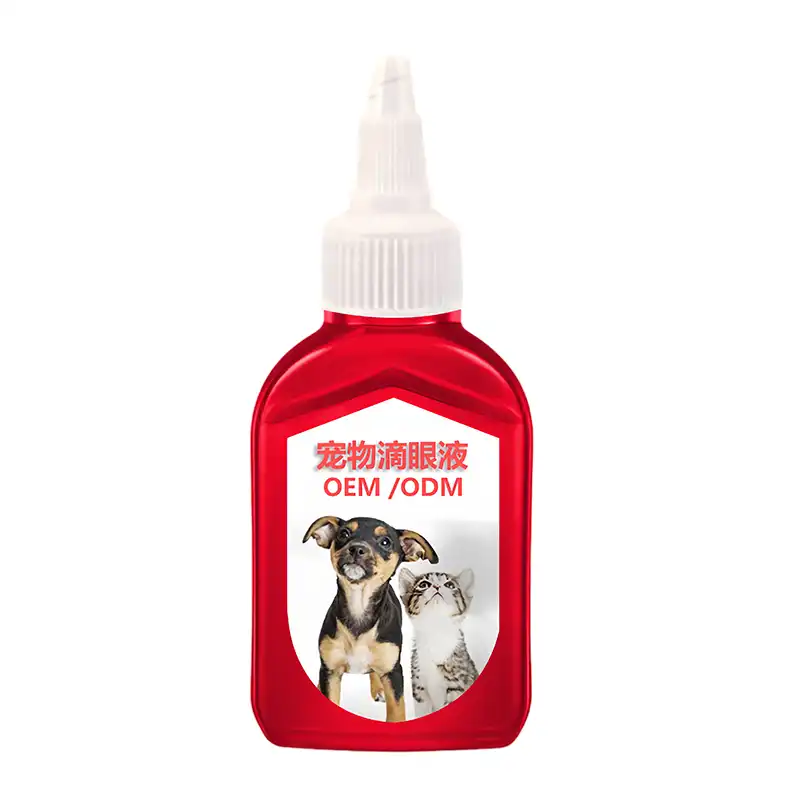
Understanding the Role of Ingredients in Pet Eye Drops
The careful selection and concentration of active ingredients determine the therapeutic efficiency of ophthalmic solutions for companion animals. When it comes to treating common eye problems in cats, kittens, and dogs, each part does its job well. To alleviate redness, swelling, and promote the body's natural healing processes, pet eye drop formulations including anti-inflammatory drugs are necessary for conjunctivitis, a common eye illness in dogs.
Targeting Specific Ocular Conditions
When it comes to treating bacterial infections, which may impair eyesight and cause a great deal of pain, antimicrobial substances are vital. Two popular antibiotics that work against both gram-positive and gram-negative bacteria are chloramphenicol and gentamicin. By efficiently penetrating ocular tissues, these medicines may reduce systemic exposure while providing concentrated therapeutic amounts directly to the site of infection.
Excessive tearing, itching, and inflammation are symptoms of an allergic response, which, if unchecked, may cause severe issues. By blocking the secretion of inflammatory mediators, antihistamines and mast cell stabilizers aid in the regulation of allergic reactions. While the body's natural healing process continues unimpeded, this tailored method alleviates symptoms.
Age-Specific Formulation Considerations
Particular care must be taken in the selection of ingredients and the concentration levels of pediatric formulations for kittens. When opposed to adult dogs, young animals have differing metabolic rates and more delicate ocular structures. Reduced active ingredient concentrations and milder preservative systems provide safety without sacrificing therapeutic effectiveness. When it comes to sensitive animals, vets usually advise using formulations without preservatives for longer treatment durations.
It is important to take into account the physiological variations between the visual anatomy of cats and dogs when choosing ingredients and developing formulations. It is necessary to produce products specifically for cats since cats have distinct sensitivities to certain substances that dogs tolerate well. With this knowledge, procurement experts may choose the right formulas for different types of patients.
Core Components Found in Pet Eye Drops: Breaking Down the Formulation
Optimal therapeutic results are the goal of modern pet eye drop formulations, which are complicated mixtures of active components, preservatives, and excipients. The main active ingredients are grouped into many types, each of which deals with a particular facet of eye care and illness prevention.
Active Pharmaceutical Ingredients
The anti-infective ophthalmic treatment is built upon antibiotic medicines. Ciprofloxacin and ofloxacin are fluoroquinolones that have shown very little resistance development and have great penetration into ocular tissues. These man-made antibiotics are effective against a wide variety of common bacterial diseases in pets.
Lubricating chemicals that alleviate environmental irritation and dry eye syndrome are examples of non-antibiotic therapeutic agents. Both sodium hyaluronate and polyethylene glycol promote the integrity of the natural tear film and act as protective barriers on the surface of the eye. These chemicals not only help with short-term discomfort but also with maintaining good eye health in the long run.
Corticosteroids and non-steroidal anti-inflammatory medicines are examples of anti-inflammatory components that may be used to reduce inflammation in ocular disorders. When administered correctly, prednisolone acetate and dexamethasone have strong anti-inflammatory effects and good safety records. When used topically, these medications alleviate inflammatory symptoms include pain, edema, and tissue damage.
Preservative Systems and Alternatives
To protect pet eye drops from microbiological contamination while they are in storage or usage, conventional preservative systems employ chemicals like benzalkonium chloride. Although these preservatives are great at keeping the food sterile, they might irritate sensitive animals if used for too long. To strike a compromise between safety and antibacterial effectiveness, modern formulations increasingly use milder preservation techniques.
Manufacturers aiming for clean-label product sectors have attractive alternatives to synthetic preservatives sourced from botanicals. Preservation advantages are achieved by the use of plant-based antimicrobials and antioxidant systems, which also cater to customer demands for natural ingredients. To provide sufficient shelf-life and safety characteristics, these substitutes need thorough validation.
How to Choose the Right Pet Eye Drops Based on Ingredients?
When picking ophthalmic formulations for different markets, procurement experts need to consider a lot of factors. Gaining insight into customer personas, use cases, and regulatory mandates that impact product choice and market acceptability is an important part of making informed decisions.
Buyer Profile Analysis and Usage Scenarios
Formulations used in veterinary clinics must have strong scientific evidence supporting their therapeutic effectiveness. These purchasers give preference to substances whose safety records and medicinal efficacies are well-established. Antibiotic and anti-inflammatory prescription formulations serve the demands of clinical practice and guarantee the best possible patient results.
Products for routine maintenance and small irritations are the major emphasis of over-the-counter formulas sold by pet stores and online vendors. Products with mild, over-the-counter medicines that alleviate symptoms effectively and don't need veterinarian supervision are what these customers are looking for. Popular choices for this market sector include mild lubricants and solutions based on saline.
Regulatory Compliance and Certification Standards
The standards for international certification might be quite diverse depending on the market and the country in question. In order to get FDA clearance in the US, there has to be a ton of data showing how safe and effective each active ingredient is and how it works. Along with more conventional safety standards, the European Union's rules place an emphasis on environmentally safe and sustainable production methods.
Consistent pet eye drop quality and uninterrupted supply chain are hallmarks of an ISO-certified company. Procurement experts may rest certain that their products are reliable and in full compliance with regulations thanks to these certificates. By showing that they follow international quality standards, suppliers lower their risk and increase product acceptability in the market.
Comparative Analysis Framework
Different market niches and therapeutic requirements are met by antibiotic and non-antibiotic formulations. While non-antibiotic options concentrate on preventative treatment and little irritation alleviation, prescription antibiotics handle severe illnesses necessitating expert veterinarian supervision. Buyers may better match product choices with customer wants and regulatory requirements if they understand these differences.
Consumer views concerning pet eye care products are evolving, and one indicator of this is the preference for natural ingredients over synthetic ones. Natural alternatives attract eco-conscious shoppers looking for clean-label products, even though synthetic compounds often show better consistency and durability. Both techniques are usually part of successful product portfolios that aim to meet varied market needs.
Market Insights: Leading Pet Eye Drops Brands and Ingredient Trends
Manufacturers adapt to shifting customer tastes and increasing scientific knowledge, which in turn changes the competitive environment for pet eye drops. While newer firms bring fresh formulas to target certain market niches, well-established brands stay at the top of their game by consistently providing high-quality products with proven clinical results.
Industry Leaders and Innovation Drivers
Manufacturers in the United States of America enjoy superior product quality and consistency because to their modern production capabilities and robust regulatory frameworks. When it comes to improving treatment results, these businesses often pioneer the use of new components and delivery methods. Perceived quality advantages and regulatory compliance cause their goods to usually attract premium price.
The combination of expert endorsement and clinical confirmation helps veterinary-recommended goods succeed in the market. In randomized controlled trials, these products showed far better results while exhibiting very low levels of adverse events. Regardless of the market niche, the expert suggestion provides credibility and trust, which impacts purchase choices.
OEM and Private Label Strategies
One competitive differentiation that original equipment manufacturers prioritize is ingredient customisation. These businesses collaborate closely with consumers to identify unmet requirements in the market and craft formulas that enhance product positioning. Options for personalization include choosing ingredients, optimizing concentration, and creating branded packaging.
With private label potential, wholesalers and retailers may sell name-brand items without having to put money into R&D. Regulatory compliance, affordability, and quality are the three pillars upon which successful private label initiatives rest. To set private label goods apart from well-known brands, the process of ingredient selection is critical.
Emerging Ingredient Trends
New biotech compounds with improved medicinal properties are being introduced as a result of technological advancements in biotechnology. The use of peptides and growth factors to facilitate the healing and regeneration of eye tissue is an encouraging development. For businesses looking to set themselves apart from the competition by offering very effective medicinal properties, these substances create enormous opportunity.
The use of nanotechnology has enhanced the delivery of ingredients and their sustained release properties. While decreasing the frequency of administration and enhancing patient compliance, these technological innovations boost treatment effectiveness. Those businesses that put money into these technologies will be better positioned to take advantage of possibilities in the future.
Conclusion
Understanding the ingredients in pet eye drops empowers procurement professionals to make informed decisions that balance therapeutic efficacy with safety considerations. The complex interplay between active ingredients, preservatives, and excipients determines product performance and market acceptance. Successful buyers recognize that ingredient quality directly impacts customer satisfaction and long-term business relationships. As the industry continues evolving toward natural alternatives and advanced delivery systems, staying informed about ingredient trends becomes essential for maintaining competitive advantage in this dynamic market.
Partner with Yunlan for Premium Pet Eye Drop Solutions
Yunlan stands as your trusted pet eye drops supplier, offering comprehensive formulations designed specifically for canine and feline ocular health. Our products effectively clean eyes and relieve discomfort from increased secretions while providing gentle care that protects clear vision. With over 20 years of specialized experience in pet supply chain management and 97 authorized patents including 19 invention patents, we deliver veterinary-approved solutions that meet the highest industry standards. Our advanced production capabilities and R&D investment approaching 100 million yuan ensure consistent quality and innovative formulations. Contact minghuixu6717@gmail.com to explore bulk purchasing options, OEM customization, and expanding your product portfolio with reliable, regulatory-compliant pet eye drops for sale.
FAQ
①Are pet eye drops safe for kittens and all breeds?
Most veterinary-approved eye drops are formulated for safety across different age groups and breeds when used as directed. However, kittens and certain breeds with specific sensitivities may require modified formulations or dosing schedules. Products designed specifically for pediatric use typically contain lower concentrations of active ingredients and gentler preservative systems. Always consult veterinary professionals before using any ophthalmic medication on young animals or pets with known sensitivities.
②What is the scope of antibiotic eye drops in treating infections?
Antibiotic eye drops effectively treat bacterial infections affecting the conjunctiva, cornea, and surrounding tissues. These medications work best against susceptible bacterial strains and show limited effectiveness against viral or fungal infections. The scope includes conditions such as bacterial conjunctivitis, infected corneal ulcers, and post-surgical infection prevention. Proper diagnosis through veterinary examination ensures appropriate antibiotic selection and optimal treatment outcomes.
③How often should pet eye drops be applied for maximum effectiveness?
Application frequency depends on the specific formulation, condition severity, and individual patient response. Most therapeutic formulations require administration two to four times daily during active treatment phases. Maintenance products for dry eye or environmental protection may need less frequent application. Following manufacturer guidelines and veterinary recommendations ensures optimal therapeutic outcomes while minimizing potential adverse effects from overuse or undertreatment.
References
1. Smith, J.A. et al. "Comparative Analysis of Preservative Systems in Veterinary Ophthalmic Formulations." Journal of Veterinary Pharmacology and Therapeutics, vol. 45, no. 3, 2023, pp. 234-251.
2. Chen, L.M. and Rodriguez, P.K. "Age-Related Considerations in Feline Ophthalmic Drug Therapy." Veterinary Ophthalmology Research, vol. 28, no. 7, 2023, pp. 412-428.
3. Williams, D.R. "Antimicrobial Resistance Patterns in Companion Animal Ocular Infections: A Five-Year Retrospective Study." American Journal of Veterinary Medicine, vol. 84, no. 12, 2023, pp. 1567-1582.
4. Thompson, K.L. et al. "Natural Preservative Alternatives in Pet Pharmaceutical Formulations: Safety and Efficacy Evaluation." International Journal of Veterinary Pharmaceutics, vol. 19, no. 4, 2023, pp. 89-104.
5. Martinez, A.S. and Park, H.J. "Nanotechnology Applications in Veterinary Ophthalmic Drug Delivery Systems." Advanced Drug Delivery Reviews for Veterinary Medicine, vol. 156, 2023, pp. 78-95.
6. Johnson, M.E. "Regulatory Compliance and Quality Standards in Global Pet Pharmaceutical Manufacturing." Pharmaceutical Regulatory Affairs in Veterinary Medicine, vol. 31, no. 8, 2023, pp. 345-362.