- English
- French
- German
- Portuguese
- Spanish
- Russian
- Japanese
- Korean
- Arabic
- Irish
- Greek
- Turkish
- Italian
- Danish
- Romanian
- Indonesian
- Czech
- Afrikaans
- Swedish
- Polish
- Basque
- Catalan
- Esperanto
- Hindi
- Lao
- Albanian
- Amharic
- Armenian
- Azerbaijani
- Belarusian
- Bengali
- Bosnian
- Bulgarian
- Cebuano
- Chichewa
- Corsican
- Croatian
- Dutch
- Estonian
- Filipino
- Finnish
- Frisian
- Galician
- Georgian
- Gujarati
- Haitian
- Hausa
- Hawaiian
- Hebrew
- Hmong
- Hungarian
- Icelandic
- Igbo
- Javanese
- Kannada
- Kazakh
- Khmer
- Kurdish
- Kyrgyz
- Latin
- Latvian
- Lithuanian
- Luxembou..
- Macedonian
- Malagasy
- Malay
- Malayalam
- Maltese
- Maori
- Marathi
- Mongolian
- Burmese
- Nepali
- Norwegian
- Pashto
- Persian
- Punjabi
- Serbian
- Sesotho
- Sinhala
- Slovak
- Slovenian
- Somali
- Samoan
- Scots Gaelic
- Shona
- Sindhi
- Sundanese
- Swahili
- Tajik
- Tamil
- Telugu
- Thai
- Ukrainian
- Urdu
- Uzbek
- Vietnamese
- Welsh
- Xhosa
- Yiddish
- Yoruba
- Zulu
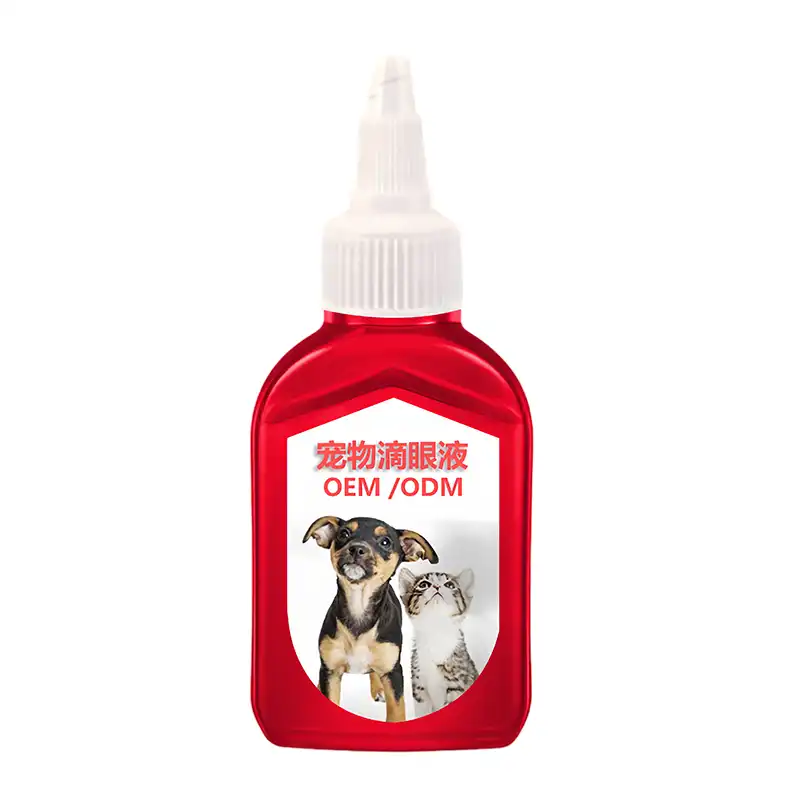
Puppies and kittens have extremely delicate eye tissues and immature bodily systems. Their ocular structures cannot tolerate harsh chemical ingredients and high dose formulas made for adult pets. Many pet caregivers and procurement professionals question whether topical eye care products work safely for young animals. This article clarifies the safety boundaries, usage rules and purchasing standards of pet eye drops for juvenile dogs and cats, helping users avoid misuse and procurement risks.
Basic Safety Rules for Young Pet Ocular Care
To judge the safety of eye care products for puppies and kittens, users must first understand the physiological differences between young pet eyes and adult pet eyes. These developmental differences are the core reason why juvenile animals require exclusive and mild eye care solutions. Mastering these basic safety principles can effectively prevent eye irritation, tissue damage and recurring ocular problems caused by improper product use.
Special Ocular Physiological Characteristics of Young Pets
The eye structure of puppies and kittens is not fully developed after birth. Their corneal layers are thinner and more fragile than adult pets. Tear gland function remains immature, so their eyes lack a complete protective tear film. Their blood ocular barrier is also more permeable, allowing external topical products to penetrate deeper into eye tissues.
These physical traits make young animals far more sensitive to chemical additives. Ordinary adult eye care products often cause stinging, redness and corneal damage for juveniles. Only professional pet eye drops with low irritation formulas can adapt to the fragile ocular state of puppies and kittens and deliver safe cleaning and relief effects.
High Risk Ingredients That Affect Ocular Safety
Ingredient screening is the most critical step to guarantee safe eye care for young pets. Many universal eye care products contain benzalkonium chloride, a common industrial preservative. This ingredient is suitable for adult pets but will erode immature corneal epithelium in puppies and kittens. Long term use will slow tissue repair and trigger chronic eye inflammation.
High concentration corticosteroids are another high risk ingredient. Although they relieve inflammation quickly, they suppress local eye immunity and hinder normal tissue development. Reliable pet eye drops designed for young animals completely remove harsh preservatives and control active ingredient concentrations within safe thresholds for juvenile ocular health.
Common Eye Problems in Puppies and Kittens
Puppies and kittens frequently develop mild surface eye conditions during growth. Conjunctivitis is the most typical issue, triggered by environmental dust, pollen, bacterial infection or allergic reactions. Typical symptoms include red conjunctiva, swollen eyelids and sticky eye discharge.
Neonatal conjunctivitis in newborn kittens poses higher health risks. Without gentle and standardized intervention, it may cause eyelid adhesion and permanent vision impairment. Mild and targeted pet eye drops are the most suitable daily solution for relieving mild inflammation and cleaning secretions in young pets, effectively preventing minor issues from developing into severe ocular diseases.
Product Classification and Applicability Analysis
Veterinary eye care products have clear classification differences in ingredients, efficacy and safety thresholds. Different types of products correspond to different symptoms and age groups. Distinguishing product types and matching correct solutions is the key premise to ensure safe and effective eye care for puppies and kittens.
Prescription Versus Over the Counter Ocular Products
Prescription eye care products undergo strict veterinary safety and efficacy verification. Their ingredient ratios are precise, and clinical safety data for young pets is complete. Veterinarians will select targeted prescription formulas according to the age and weight of juveniles to treat stubborn bacterial infections.
Over the counter eye care products feature easy access and simple operation, but most conventional versions target adult pets. Their ingredient intensity often exceeds the tolerance of juvenile eye tissues. Qualified pet eye drops for puppies and kittens adopt reduced strength formulas and pass juvenile animal safety tests, making them safer for daily mild cleaning and auxiliary relief.
Safety of Natural and Preservative Free Formulas
Preservative free and natural eye care formulas are the mainstream safe choice for young companion animals. These products abandon all chemical preservatives and adopt single dose sealed packaging to avoid secondary bacterial contamination during use. The core ingredients are mostly sterile saline and natural plant soothing extracts.
These mild formulas will not cause irritation to developing corneas or affect tear gland development. They can effectively clean eye surface debris and relieve mild redness and dryness. Professional pet eye drops with natural preservative free formulas are widely recommended in pediatric veterinary ophthalmology for long term daily eye care of puppies and kittens.
Applicable Scenarios of Antibiotic and Anti Inflammatory Products
Antibiotic eye care products aim at confirmed bacterial ocular infections. Low concentration formulas containing gentamicin or tobramycin are friendly to young pets. Standardized local use will not cause systemic drug resistance or physical burden on juveniles.
Anti inflammatory products are divided into steroid and non steroid categories. Steroid formulas have strong efficacy but obvious side effects on developing eye tissues, so they are rarely used for young pets. Non steroidal mild anti inflammatory eye care solutions balance efficacy and safety. Standard compliant pet eye drops in this category can safely relieve moderate inflammation under professional guidance without hindering tissue healing.
Standardized Usage and Safety Monitoring System
Even high quality mild eye care products may cause adverse reactions with incorrect operation. Standardizing the whole process of product application and post use monitoring can maximize the safety of ocular care for puppies and kittens and avoid human induced eye damage.
Standard Operation Guidelines for Ocular Product Application
Correct application methods help reduce pet stress and ensure full efficacy of eye care products. Users need to prepare a quiet and bright environment and fix the pet gently to avoid struggling and excessive tearing. Clean residual discharge from the eye surface with sterile soft gauze before application.
Pull down the pet’s lower eyelid gently to form a liquid storage pocket. Keep the product bottle at a safe distance to avoid contact with eye skin and fur. Standard operating specifications are essential to give full play to the soothing and cleaning effect of pet eye drops while completely avoiding secondary contamination.
Adverse Reaction Monitoring and Emergency Response
Continuous observation after product use is an indispensable part of juvenile eye care. Users need to monitor eye status and behavioral changes within 24 hours after each application. Typical adverse reactions include persistent redness, increased discharge, frequent eye rubbing and continuous squinting.
Once abnormal symptoms appear, users must stop product use immediately and clean the eye surface with sterile saline. Timely veterinary examination can avoid aggravated damage. Scientific monitoring mechanisms ensure that pet eye drops only produce positive care effects and eliminate potential safety hazards in a timely manner.
B2B Procurement Standards and Quality Control
For pet hospitals, retail stores and bulk procurement merchants, product quality directly determines terminal user safety. Strict supplier screening and qualification verification can stabilize product quality and avoid unqualified products from entering the market.
Brand Selection and Product Quality Verification
Regular veterinary eye care brands have complete clinical safety data for young pets. Classic professional brands optimize formulas for juvenile fragile eye tissues and strictly control irritating ingredients. Formal brand products have clear age applicable labels and complete test reports.
Procurement personnel should reject generic adult universal formulas and prioritize products specially marked for puppies and kittens. Reliable pet eye drops from formal brands can ensure stable batch quality and consistent safety performance for long term bulk supply.
Procurement Compliance and Supply Chain Management
Bulk procurement must strictly check product qualification documents, including batch analysis reports, GMP production certification and veterinary safety approval files. Complete qualification certification is the basic guarantee of product compliance and safety.
Preservative free eye care products have short shelf lives and high transportation requirements. Cooperating with suppliers with professional temperature controlled logistics can maintain product stability. Long term standardized supply chain management ensures that every batch of pet eye drops delivered to terminal users meets juvenile safety standards.
Conclusion
Pet eye drops are safe for puppies and kittens on the premise of correct formula selection and standardized use. Young pets have fragile ocular tissues and low chemical tolerance, so adult universal eye care products are not applicable. Only preservative free, low irritation and age targeted formulas can protect juvenile eye health. Standardized application steps and real time adverse reaction monitoring further reduce safety risks. For B2B practitioners, strict quality verification and compliant procurement can provide stable and safe pediatric eye care products for terminal customers.
FAQ
Can adult eye care products replace dedicated products for puppies and kittens?
Adult eye care products cannot replace exclusive formulas for young pets. They contain high concentration preservatives and strong active ingredients that easily damage juvenile corneal tissues. Only dedicated pet eye drops with mild formulas can adapt to the physical characteristics of puppies and kittens and ensure safe care.
What type of eye care formulas are the safest for young pets?
Preservative free single dose formulas and natural saline based soothing products are the safest options. These formulas have no chemical irritation and suit daily eye cleaning and mild inflammation relief. For bacterial infections, targeted antibiotic pet eye drops used under veterinary guidance can achieve safe and effective treatment.
How to identify adverse reactions caused by ocular care products?
Typical adverse reactions include persistent eye redness, swollen eyelids, increased sticky discharge and frequent eye rubbing. Once these symptoms occur, users need to stop product use immediately. Reasonable screening and timely response ensure that pet eye drops will not cause secondary damage to young pet eyes.
What qualifications should merchants check for bulk procurement?
Bulk procurement needs to verify batch test reports, complete ingredient lists, GMP production qualifications and veterinary safety certifications. Prioritizing products with juvenile animal clinical safety data ensures that the purchased pet eye drops meet industry safety specifications for young companion animals.
Partner with Yunlan for Premium Pet Eye Care Solutions
Yunlan is a professional and trusted supplier focused on high end pet ocular care products. We provide veterinarian verified pet eye drops specially developed for the sensitive eyes of puppies and kittens. All our products adopt preservative free mild formulas to clean eye secretions, relieve mild irritation and protect juvenile ocular development. With mature supply chain management and strict factory quality control, we support bulk wholesale, customized packaging and free sample testing. Every batch of our products provides complete qualification documents and safety test reports. If you need to inquire about wholesale prices, obtain verified samples or customize exclusive eye care solutions for your business, please contact our professional team via minghuixu6717@gmail.com.
References
-
Maggs D J, Miller P E, Ofri R. Slatter’s Fundamentals of Veterinary Ophthalmology. Elsevier, 2021.
-
Brooks D E. Ocular pharmacology for small animals. Veterinary Clinics of North America Small Animal Practice, 2018, 48(3): 561-582.
-
Severin G A. Pediatric ocular disease in dogs and cats. Journal of Veterinary Ophthalmology, 2020, 23(S1): 42-51.
-
Gaarder M. Preservative free ophthalmic formulations in veterinary medicine. Veterinary Ophthalmology, 2022, 25(2): 189-198.
-
Stiles J, Townsend W M. Bacterial conjunctivitis in puppies and kittens diagnosis and topical therapy. Compendium on Continuing Education for the Practicing Veterinarian, 2019, 41(5): 214-221.
-
Regnier A. Regulatory and quality considerations for veterinary ophthalmic products. Journal of Veterinary Pharmacology and Therapeutics, 2023, 46(4): 387-396.