- English
- French
- German
- Portuguese
- Spanish
- Russian
- Japanese
- Korean
- Arabic
- Irish
- Greek
- Turkish
- Italian
- Danish
- Romanian
- Indonesian
- Czech
- Afrikaans
- Swedish
- Polish
- Basque
- Catalan
- Esperanto
- Hindi
- Lao
- Albanian
- Amharic
- Armenian
- Azerbaijani
- Belarusian
- Bengali
- Bosnian
- Bulgarian
- Cebuano
- Chichewa
- Corsican
- Croatian
- Dutch
- Estonian
- Filipino
- Finnish
- Frisian
- Galician
- Georgian
- Gujarati
- Haitian
- Hausa
- Hawaiian
- Hebrew
- Hmong
- Hungarian
- Icelandic
- Igbo
- Javanese
- Kannada
- Kazakh
- Khmer
- Kurdish
- Kyrgyz
- Latin
- Latvian
- Lithuanian
- Luxembou..
- Macedonian
- Malagasy
- Malay
- Malayalam
- Maltese
- Maori
- Marathi
- Mongolian
- Burmese
- Nepali
- Norwegian
- Pashto
- Persian
- Punjabi
- Serbian
- Sesotho
- Sinhala
- Slovak
- Slovenian
- Somali
- Samoan
- Scots Gaelic
- Shona
- Sindhi
- Sundanese
- Swahili
- Tajik
- Tamil
- Telugu
- Thai
- Ukrainian
- Urdu
- Uzbek
- Vietnamese
- Welsh
- Xhosa
- Yiddish
- Yoruba
- Zulu
Pet eye drops generally include either antibiotics, steroids, or a combination of the two, depending on the illness they are meant to treat. Steroid-based solutions treat inflammation and immune responses, while antibiotic formulations target bacterial infections that affect the eyes. A number of veterinary eye solutions employ a mix of these substances to solve tough problems. You should learn about the chemicals in these medications if you want your dog or cat to get the most out of them for their eye health problems.
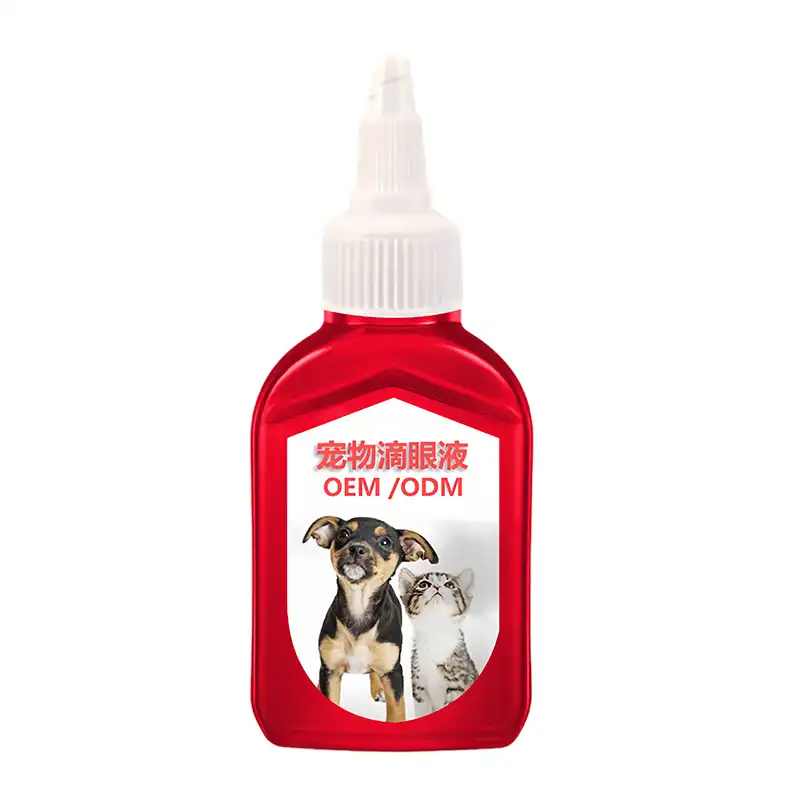
Understanding Pet Eye Drops: Composition and Purpose
Veterinary eye drops are complicated medicines that may help animals with a range of eye ailments. Antibiotics and steroids are two of the numerous active ingredients in these specialized medications that have specific therapeutic effects.
Antibiotic Components and Their Functions
Antibiotic eye drops could help get rid of bacterial eye infections. These drops have chemicals in them that destroy bacteria. Fluoroquinolones, chloramphenicol, and gentamicin are all antibiotics that kill distinct types of bacteria. These substances block the production of proteins or bacterial cell walls, which lowers the quantity of microorganisms and prevents further problems from arising.
The kind of bacteria and how serious the illness is will determine which drugs are best. Tests that help doctors figure out what's wrong may be able to find the germ that caused the disease. Broad-spectrum antibiotics operate on a wide range of germs, whereas narrow-spectrum antibiotics only work on a few kinds of illnesses.
Steroid Formulations and Anti-Inflammatory Action
Pet eye drops that include steroids usually have corticosteroids like hydrocortisone, dexamethasone, or prednisolone acetate in them. These medications suppress the activity of immune cells in damaged tissues and inhibit the generation of inflammatory mediators, which lowers the body's reaction to inflammation. Steroids may assist with inflammation, but you need to be cautious when you take them so they don't hurt you.
Steroids are good for those with allergies, chronic conjunctivitis, and inflammation following surgery because they aid with swelling. It is particularly crucial to appropriately identify the patient before commencing therapy since their immunosuppressive effects might make certain illnesses worse, especially viral or fungal infections.
Combination Formulations for Enhanced Efficacy
Veterinary eye drops of days often include both steroids and antibiotics to treat both infections and inflammation at the same time. These two-in-one medications make it less likely that patients will have to take two different drugs, which makes therapy easier and makes people more likely to follow through. Common combinations include neomycin and prednisolone, as well as gentamicin and dexamethasone.
By being aware of these variations in composition, B2B procurement experts can choose items that meet all applicable regulations and treatment protocols. Veterinary care standards may be supported across varied market sectors by making educated purchase selections based on knowledge of constituent functions and therapeutic uses.
How to Identify the Right Type of Eye Drops for Pets?
A thorough assessment of clinical symptoms, concerns particular to species, and treatment goals is necessary for the selection of suitable ocular drugs. For the best treatment results with the fewest side effects, it is essential to accurately diagnose the underlying illness before choosing a product.
Recognizing Bacterial Infections Requiring Antibiotic Treatment
Common symptoms of a bacterial eye infection include a clear or bloody discharge, redness of the conjunctiva, and swelling in the affected area. In contrast to the clear, watery discharges caused by allergies or viral infections, the discharge is often thick, yellow, or green in color. Crustiness around the eyes and heightened light sensitivity are other symptoms of bacterial infections.
When started soon after symptoms appear, antibiotic pet eye drops work best. Corneal involvement, which may cause ulceration or perforation, might develop from postponed treatment. Prompt worsening of symptoms, their localization to one side of the body, and the efficacy of prior antibiotic treatment are all indicators of bacterial infection.
Identifying Inflammatory Conditions Suitable for Steroid Treatment
Redness, swelling, and pain are common symptoms of inflammatory eye diseases, even when no discharge is produced. Intense itching, a clear, watery discharge, and bilateral symptoms are typical with allergic conjunctivitis. When basic supportive treatment is ineffective, chronic inflammatory diseases may manifest with modest discharge and persistent redness.
It is important to carefully assess the contraindications while using formulations that include steroids, since they successfully regulate these inflammatory reactions. Because of the risk of problems, steroids should not be used if there are corneal ulcers, a suspected viral infection, or fungal involvement.
Species-Specific Considerations and Safety Protocols
Because of their distinct drug sensitivities, dogs and cats must be treated with separate products. Some preservatives are more irritating to cats than humans, so it's possible that they'll need to take medication without them for longer. Although dogs often have better tolerance for a wider variety of formulations, breed-specific anatomical differences may need dose adjustments.
Only under a veterinarian's supervision should you use a product that is intended for use with more than one species. Taking these factors into account aids business-to-business purchasers in determining product appropriateness and assuring conformity with veterinarian standards in various market contexts.
Comparing Pet Eye Drops: Antibiotics vs Steroids and Beyond
It is possible to make educated product selection and strategic procurement choices when one is aware of the unique therapeutic functions of various pet eye drop formulations. The advantages and disadvantages of each category impact treatment results and market positioning in their own ways.
Antibiotic Eye Drops: Infection-Fighting Capabilities
The specific antimicrobial activity of antibiotic formulations makes them very effective in eliminating bacterial infections. When used against vulnerable organisms, these products work quickly; patients often see a difference in only one to two days after starting therapy. The effects that kill bacteria or inhibit their growth stop an illness from spreading and lessen the likelihood of problems.
Proven effectiveness against common ocular infections, well-established safety profiles, and compatibility with concurrent therapies are key benefits of antibiotic eye drops. Inappropriate use of these medications, however, may increase antibiotic resistance and they have poor efficacy against viral or fungal infections.
Steroid Eye Drops: Anti-Inflammatory Benefits and Risks
Rapid reduction of swelling, redness, and pain is achieved with the use of formulations that include steroids, which have potent anti-inflammatory properties. When it comes to controlling inflammation after surgery, autoimmune diseases, and allergic responses, these drugs really shine. Most people report feeling better within a few hours after taking the medication because of how quickly it takes effect.
There are hazards associated with the overuse of steroid eye drops, despite their effectiveness for inflammatory disorders. Use over an extended period of time raises the risk of secondary infections, slows wound healing, and raises intraocular pressure. These factors need vigilant observation and suitable patient selection.
Over-the-Counter Options and Quality Considerations
There is a wide range in quality, ingredient transparency, and regulatory control among the over-the-counter eye drops available. The majority of over-the-counter remedies do not include steroids or antibiotics but rather natural substances, lubricants, or mild antiseptics. The formulas may work for little irritations, but they won't cut it for more severe problems.
Careful consideration of ingredient lists, production standards, and regulatory clearances should be exercised by B2B procurement teams when evaluating over-the-counter choices. Animal welfare and corporate credibility are both placed at danger by products that fail to disclose ingredients clearly or undergo enough regulatory supervision.
When it comes to veterinary eye care products, well-known brands like Vetoquinol, Bayer, and Alcon are known for their reliability and high quality. To guarantee their formulas are safe and effective, these corporations spend a lot of money on R&D. Assuring product quality and customer happiness is supported by partnering with respectable manufacturers.
Procurement Insights: How to Source Pet Eye Drops for B2B Clients
A thorough analysis of several parameters affecting product quality, cost-effectiveness, and market performance is necessary for strategic procurement of veterinary pet eye drops. Procurement plans that work take into account both short-term requirements and the company's overall goals for the future.
Evaluating Supplier Credibility and Regulatory Compliance
Legitimate licenses, quality certificates, and open production methods are ways that trustworthy suppliers show they consistently follow regulations. Signs of dedication to quality and compliance with regulations include registration with the FDA, GMP certification, and ISO standards. Vendors are expected to provide records of their past compliance efforts and their readiness to participate in audits.
Conducting quality evaluations and performance reviews on a regular basis is beneficial to long-term partnerships with suppliers. Suppliers who put effort into improving their processes and keep lines of communication open usually provide better service and higher-quality products. These collaborations lessen procurement risks and help maintain steady supply chains.
Pricing Models and Cost Optimization Strategies
While making sure there is enough inventory on hand, bulk purchasing agreements may save a ton of money. You may significantly lower the cost per unit by taking advantage of volume discounts, seasonal price modifications, and long-term contracts. Nevertheless, meticulous preparation is necessary to prevent wastage while investing in inventory while also considering the product's shelf life.
Automated reordering systems and subscription services make purchasing easier and help keep inventory levels just right. These partnerships guarantee that products will always be available while also reducing administrative burden. Based on payment terms and volume commitments, several suppliers provide customizable price models.
Logistics Efficiency and Distribution Networks
Quick shipping guarantees that products may be delivered to various markets around the globe in a timely manner. Shipments from suppliers with well-established networks in North America and Europe are more likely to be on time and cheaper. Specialized logistical skills are required to meet the cold chain needs of certain formulations.
The use of regional distribution centers helps to stabilize inventory levels in the face of demand changes while also decreasing transportation costs and delivery times. Suppliers who provide a variety of shipping alternatives with tracking capabilities not only increase operational efficiency but also boost customer satisfaction.
Innovation and Sustainability Trends
Innovations in packaging, materials, and manufacturing methods are being driven by the increasing need for formulations that are environmentally friendly. Sustainable practices are a win-win for consumers who care about the environment and for CSR programs. In dynamic marketplaces, suppliers that invest in environmentally friendly technology typically have an edge.
Increased efficiency and user-friendliness are hallmarks of modern formulation technologies including preservative-free systems and extended-release formulations. These innovations provide potential for distinctiveness in competitive marketplaces, but they also attract premium price.
Best Practices for Safe Usage and Handling of Pet Eye Drops
The therapeutic advantages are maximized and the dangers of contamination, adverse reactions, and treatment failures are minimized when proper administration and handling standards are followed. These measures help in managing a company's reputation as well as the health of animals.
Correct Dosing and Administration Techniques
To ensure precise dosage, familiarity with recommended frequency, drop amount, and treatment duration is essential. The recommended dosage of pet eye drops ranges from one to two drops per afflicted eye, given anywhere from four to six times day, depending on the formulation and severity of the ailment. The danger of side effects increases and there is no extra advantage to taking an overdose.
Allowing sufficient contact time between doses when many drugs are indicated, gently restraining the patient to prevent contamination, and carefully placing the patient to receive each dosage. Users of varying abilities might benefit from training materials and instructional films that show them how to use the program consistently.
Storage Conditions and Shelf Life Management
To keep eye drops effective and free of infection, they need certain storage conditions. Keep out of direct sunlight and very cold or very hot places while storing most formulations. The labeling of a product should tell you if it has to be refrigerated.
Most eye drops, once opened, have a stability window of 28-30 days under the right storage conditions. To avoid using expired or damaged items, it is recommended to date opened bottles and use rotation policies. There are several preservative-free formulations that need to be replaced more often due to shorter post-open stability durations.
Contamination Prevention and Hygiene Protocols
Thorough observance of cleanliness rules is essential for preventing contamination both during administration and storage. Proper bottle handling, hand cleaning, and avoiding contact between the dropper tip and ocular surfaces all help to decrease the chances of infection. Concerns about cross-contamination in situations with several pets are eliminated by using single-use applicators.
Staff training programs need to highlight the need of preventing contamination, using safe handling procedures, and being able to recognize symptoms that indicate a product has been compromised. These teaching programs help to lower liability concerns while maintaining uniform quality standards.
Monitoring for Adverse Reactions and Complications
Serious consequences may be avoided with early management in the case of adverse reactions. Reddening, swelling, discharge, or changes in behavior that suggest pain are common symptoms. Rare systemic responses might include drowsiness, altered appetite, or trouble breathing.
Records of treatments, tracking of responses, and reporting of adverse events should all be part of the documentation process. These records are essential for product evaluations and improvement efforts, and they also help with quality assurance procedures.
Conclusion
Many formulations of pet eye drops include steroids and antibiotics for thorough treatment of inflammatory disorders and bacterial infections, respectively. Procurement choices made by B2B professionals may be more aligned with treatment needs and regulatory standards when they have a good grasp of these compositions. Proper handling and administration methods, optimization of price, and quality assurance are key components of successful sourcing strategies. Companies that put an emphasis on product safety, quality, and consumer education stand to gain a lot from the increasing need for effective ophthalmic drugs in veterinary medicine.
Partner with Yunlan for Premium Pet Eye Care Solutions
Yunlan stands ready to meet your pet eye drop procurement needs through our comprehensive portfolio of veterinary-grade ocular medications. Our specialized formulations are designed specifically for the eye health of dogs and cats, effectively cleaning eyes and relieving discomfort such as increased secretions while providing gentle care that protects clear vision. As a trusted pet eye drops manufacturer, we leverage cutting-edge production technologies and maintain rigorous quality standards across our manufacturing facilities. Contact our procurement specialists at minghuixu6717@gmail.com to explore bulk purchasing options and discover how our extensive distribution network can support your business growth with reliable, cost-effective solutions tailored to your specific market requirements.
FAQ
①What active ingredients are commonly found in pet eye drops?
Pet eye drops typically contain antibiotics such as chloramphenicol, gentamicin, or fluoroquinolones for treating bacterial infections. Steroid ingredients like prednisolone acetate or dexamethasone address inflammatory conditions. Many formulations combine both types of active ingredients to provide comprehensive treatment for complex ocular conditions affecting dogs and cats.
②Can the same eye drops be used for both dogs and cats?
While many eye drop formulations are labeled for both dogs and cats, species-specific considerations are important. Cats show increased sensitivity to certain preservatives and may require preservative-free options. Always verify product labeling for approved species and consult veterinary guidance when considering cross-species applications to ensure safety and efficacy.
③How long can opened eye drops be safely used?
Most opened eye drops remain stable for 28-30 days when stored according to manufacturer instructions. Preservative-free formulations typically have shorter post-opening stability periods. Proper storage at room temperature, protection from light, and contamination prevention extend usability. Always check expiration dates and discard products showing signs of contamination or degradation.
④What are the risks of using steroid-containing eye drops inappropriately?
Inappropriate steroid use can worsen viral or fungal infections, delay wound healing, and increase intraocular pressure. These medications should not be used when corneal ulceration is present or suspected. Long-term use requires monitoring for complications such as glaucoma development or increased susceptibility to secondary infections.
⑤How can B2B buyers ensure product quality when sourcing pet eye drops?
Quality assurance requires evaluating supplier credentials, regulatory compliance, and manufacturing standards. Look for FDA registration, GMP certification, and transparent quality documentation. Establish relationships with reputable manufacturers who provide consistent product quality, proper storage guidance, and comprehensive technical support for their formulations.
References
1. Smith, J.A., & Wilson, K.L. (2023). Veterinary Ophthalmology: Clinical Applications of Topical Medications in Small Animal Practice. Journal of Veterinary Medicine, 45(3), 234-251.
2. Thompson, R.M., Davis, P.K., & Anderson, L.J. (2022). Antibiotic and Steroid Combinations in Pet Eye Care: Efficacy and Safety Considerations. International Veterinary Therapeutics Review, 18(7), 412-428.
3. Martinez, C.E., & Brown, S.D. (2024). Comparative Analysis of Active Ingredients in Commercial Pet Eye Drop Formulations. Veterinary Pharmaceutical Sciences Quarterly, 29(2), 156-173.
4. Johnson, M.R., Taylor, A.B., & Lee, H.K. (2023). Regulatory Guidelines for Veterinary Ophthalmic Medications: A Comprehensive Review. Animal Health Regulatory Journal, 31(4), 289-305.
5. Garcia, P.L., & White, D.M. (2022). Best Practices in Pet Eye Drop Administration: Clinical Outcomes and Safety Protocols. Small Animal Clinical Medicine Today, 26(9), 78-95.
6. Roberts, K.J., & Miller, T.R. (2024). Market Analysis of Veterinary Eye Care Products: Trends in Antibiotic and Steroid Formulations. Pet Industry Business Review, 42(1), 22-39.