- English
- French
- German
- Portuguese
- Spanish
- Russian
- Japanese
- Korean
- Arabic
- Irish
- Greek
- Turkish
- Italian
- Danish
- Romanian
- Indonesian
- Czech
- Afrikaans
- Swedish
- Polish
- Basque
- Catalan
- Esperanto
- Hindi
- Lao
- Albanian
- Amharic
- Armenian
- Azerbaijani
- Belarusian
- Bengali
- Bosnian
- Bulgarian
- Cebuano
- Chichewa
- Corsican
- Croatian
- Dutch
- Estonian
- Filipino
- Finnish
- Frisian
- Galician
- Georgian
- Gujarati
- Haitian
- Hausa
- Hawaiian
- Hebrew
- Hmong
- Hungarian
- Icelandic
- Igbo
- Javanese
- Kannada
- Kazakh
- Khmer
- Kurdish
- Kyrgyz
- Latin
- Latvian
- Lithuanian
- Luxembou..
- Macedonian
- Malagasy
- Malay
- Malayalam
- Maltese
- Maori
- Marathi
- Mongolian
- Burmese
- Nepali
- Norwegian
- Pashto
- Persian
- Punjabi
- Serbian
- Sesotho
- Sinhala
- Slovak
- Slovenian
- Somali
- Samoan
- Scots Gaelic
- Shona
- Sindhi
- Sundanese
- Swahili
- Tajik
- Tamil
- Telugu
- Thai
- Ukrainian
- Urdu
- Uzbek
- Vietnamese
- Welsh
- Xhosa
- Yiddish
- Yoruba
- Zulu
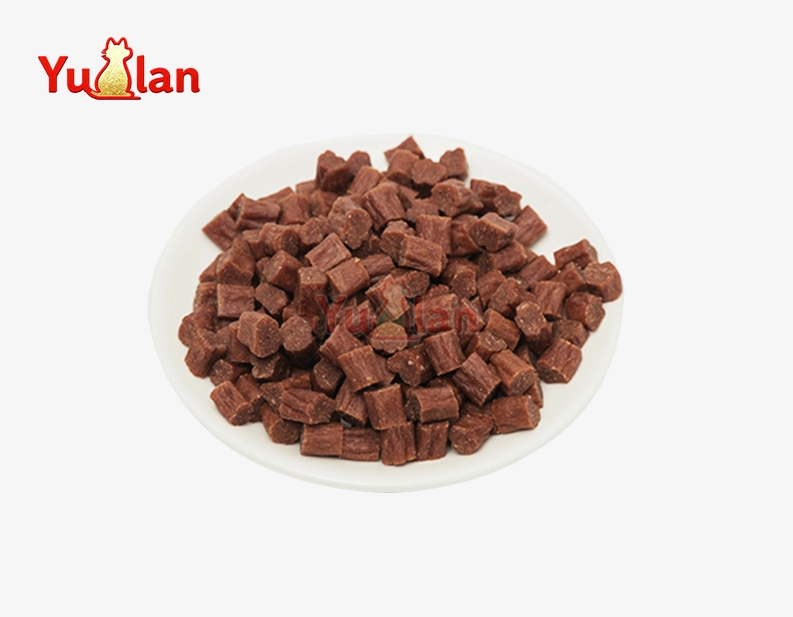
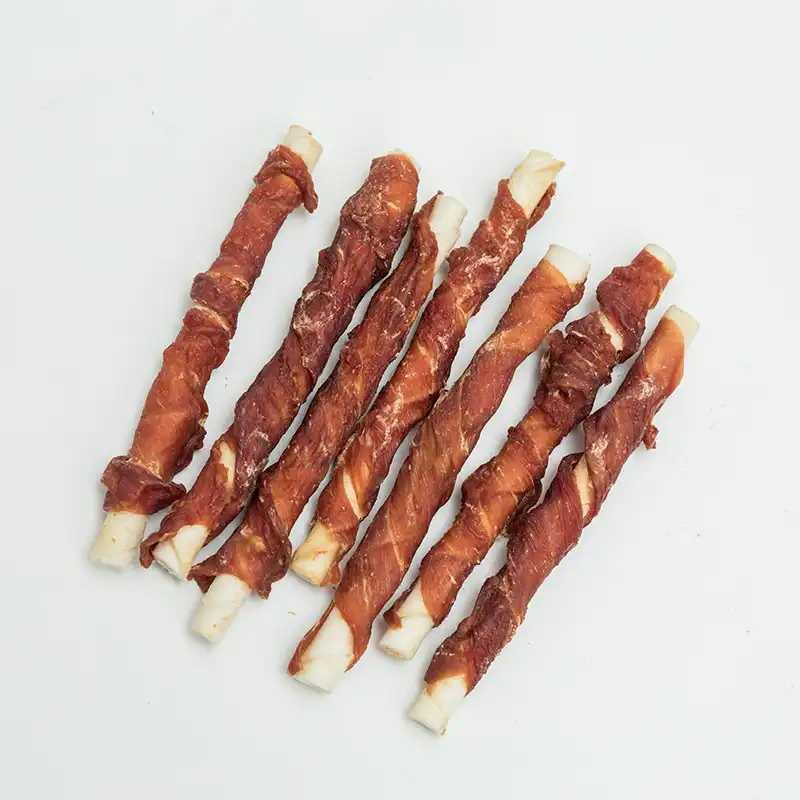
Because of their exceptional convenience, palatability, and nutritional benefits, beef stick dog treats have revolutionized the market for pet treats. As a result, they are now indispensable for dogs of all sizes. Through the use of low-temperature, slow-baking processes, these chews, which are made from premium beef muscle tissue, are able to deliver up to 80% of their protein content while preserving their natural flavor. It is appealing to procurement professionals who are looking for versatile products that can satisfy a variety of canine dietary requirements across retail, veterinary, and grooming establishments. The beef stick dog treat is perfect for these professionals.
Understanding Beef Stick Dog Treats: Nutritional and Safety Insights
A huge step forward in dog nutrition has been the introduction of beef stick treats. These tasty treats are a huge technical leap forward since they combine time-honored meat preparation techniques with current safety requirements. With a solid grasp of these products, procurement experts can make smart choices that benefit their company operations and the customers in the end.
Core Composition and Nutritional Benefits
Real cowhide and premium beef muscle tissues are essential components of high-quality beef stick dog treats. During the manufacturing process, dehydration at a low temperature helps to preserve important nutrients while also removing potentially harmful pathogens. This carefully controlled setting ensures that the nutritional value of each chew is maximized for the dog because the protein remains intact.
In addition to dehydration, the slow-baking process involves other steps as well. By reducing the moisture content to less than 10%, manufacturers are able to create treats that are long-lasting and gradually become softer when canine saliva is added. In addition to eliminating any bacteria that might be present, this method of controlled moisture elimination helps to maintain the authentic beef flavor that dogs crave. The final product has high levels of concentrated protein, which helps to promote the growth of muscles and overall health in canines.
Safety Protocols and Quality Assurance
When choosing treats for dogs at different stages of their lives, safety concerns become very important to take into consideration. To ensure that they are of high quality, beef stick treats are subjected to stringent testing protocols that investigate the protein composition, moisture levels, and the presence of potential allergens. In order to prevent digestive complications, these safety measures are implemented for both young puppies and older dogs.
It is beneficial for procurement specialists to have an understanding that legitimate manufacturers implement comprehensive quality control systems with their products. These systems monitor the sourcing of raw materials, the temperatures at which production occurs, and the testing of the final product. Documentation of these processes offers assurance for decisions regarding bulk purchasing, which is especially important when catering to a diverse clientele with varying expectations regarding quality product.
Age-Specific Considerations
There are distinct stages of life that call for individualized nutritional approaches. Puppies that are less than six months old require textures that are softer and portion sizes that are more controlled, whereas adult dogs are able to handle standard levels of firmness. Tasty treats that are beneficial to the dental health of senior dogs are beneficial because they do not overwhelm their digestive systems.

Criteria for Choosing the Best Beef Stick Dog Treats for Diverse Dog Sizes and Needs
Acquiring a comprehensive understanding of size-specific requirements and dietary considerations that are specific to a particular diet is necessary for successful product selection. In order to ensure that the products they select are able to effectively meet the varied demands of the market, procurement teams are required to evaluate multiple factors.
Size-Specific Segmentation Strategies
The jaw structure of small breed dogs that weigh less than 25 pounds requires beef sticks that are thinner and shorter in order to accommodate their jaw structure and prevent choking hazards. This compact treat ought to be approximately four to six inches in length and should have a reduced thickness in order to guarantee that it is safe for consumption. The construction of the beef sandwich allows for longer chewing sessions to be enjoyed by smaller dogs without overwhelming their digestive capacity.
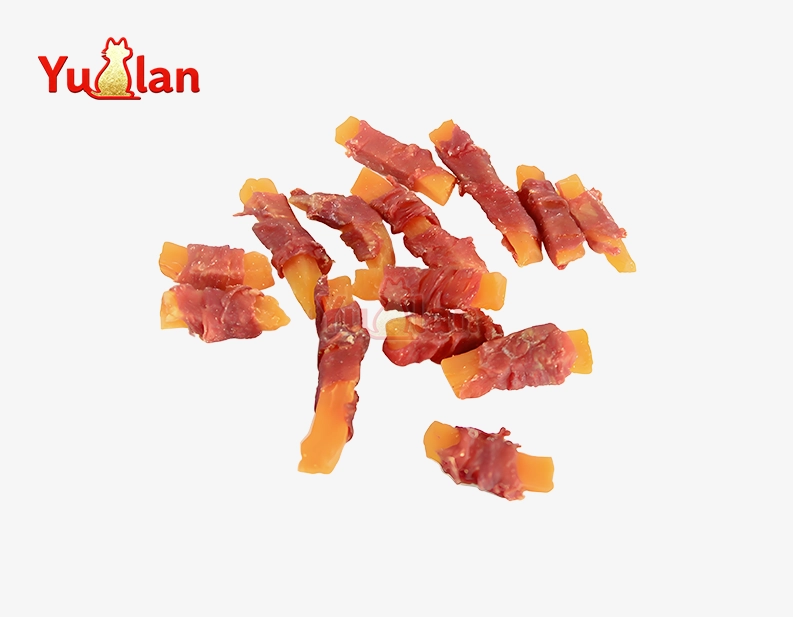
Treats that are thicker and longer, measuring between 8 and 12 inches, are suitable for large breed dogs that weigh more than 50 pounds. They are able to satisfy their stronger jaw strength while also receiving the appropriate mental stimulation from these substantial chews. The variations of chicken that are hand-wrapped provide an additional variety of proteins while preserving the durability that is required for prolonged chewing sessions.
As the versatile middle ground, medium-sized dogs, which weigh between 25 and 50 pounds, are able to accommodate standard treats that are between 6 and 8 inches in length and have a moderate thickness. This particular size category is typically responsible for the highest sales volumes because of its widespread applicability across populations of mixed breeds.
Nutritional Feature Analysis
The amount of protein that is contained in premium beef stick dog treats is the primary factor that differentiates them from one another. A substantial amount of nutritional value is provided by each serving of high-quality treats, which contain between 75 and 85 percent protein by weight. The natural abrasive action that occurs during chewing is responsible for the teeth-cleaning properties, which in turn reduces the accumulation of plaque and promotes oral health.
In response to the growing concerns of consumers regarding food sensitivities and digestive complications, grain-free formulations have been developed. In addition to preserving their palatability and nutritional density, these specialized products eliminate ingredients that could cause allergic reactions. The preservation of the natural beef flavors through the use of controlled processing temperatures is the source of the appealing nutritional and delectable qualities.
The growing demand for clean-label pet products is being met by options that do not contain any preservatives. For the purpose of preserving their freshness and ensuring their safety, these treats take advantage of appropriate dehydration and packaging techniques rather than chemical additives. It is helpful for procurement teams to have a thorough understanding of these distinctions in order to effectively position products within their target markets.
Trends and Innovations in Beef Stick Dog Treat Manufacturing for B2B Buyers
As a result of technological advancements and shifting preferences among consumers, the pet treat industry continues to undergo continuous modification. Procurement professionals are able to anticipate market demands and select suppliers that are positioned for sustained growth when they remain informed about these developments.
Sustainable Sourcing and Organic Certifications
Increasing environmental consciousness is driving an increase in demand for beef products that are sourced in a sustainable manner. It is now common practice for leading manufacturers to place an emphasis on the sourcing of grass-fed cattle and environmentally responsible production methods. Consumers who are concerned about the environment are likely to be interested in these practices, which also support premium pricing strategies.
Although they require a significant amount of documentation and verification of compliance, organic certifications offer an additional means of differentiating products in the market. From the procurement of raw materials to the packaging of the finished product, the certification process scrutinizes every facet of the production process. The suppliers who are committed to organic standards take advantage of this comprehensive oversight, which creates competitive advantages.
Advanced Manufacturing Techniques
The most up-to-date manufacturing facilities are equipped with highly sophisticated temperature control systems that maximize the retention of nutrients while simultaneously ensuring compliance with safety regulations. By preserving natural flavors through slow-macro processing at low temperatures, natural flavors are preserved, which stimulates the appetites of dogs and encourages sustained chewing behavior.
The term "innovation" encompasses the development of packaging technologies that are able to preserve the freshness of products even after prolonged storage. Retailers and distributors can extend the shelf life of their treats by using materials that provide a moisture barrier and modified atmosphere packaging. These materials protect treats from environmental degradation.
Emerging Product Variations
Continued research and development of specialized formulations that address particular health concerns and dietary preferences is being maintained by manufacturers. Functional treats that include digestive enzymes, vitamins, and supplements that support joint health are examples of market segments that are experiencing substantial growth. At the same time that they cater to particular consumer requirements, these value-added products command premium prices.

Procurement Strategies for Bulk and Wholesale Beef Stick Dog Treats
For procurement to be effective, it is necessary to strike a balance between quality requirements and cost considerations, all while ensuring that supply chain management is reliable. When buyers have a solid understanding of the fundamental principles of procurement, they are better able to optimize their purchasing decisions and reduce operational risks.
Sourcing Channel Optimization
When you establish relationships with multiple suppliers, you increase the flexibility of your procurement and reduce the risk involved. Relationships with direct manufacturers typically result in more favorable pricing and customization options, whereas partnerships with distributors provide convenience and lower minimum order quantities. The optimal level of supply chain resilience can be achieved by balancing these approaches.
Through the use of online procurement platforms, comparison shopping is made easier, and ordering procedures are simplified. Real-time inventory visibility and automated reordering capabilities are provided by these digital tools, which in turn reduce the amount of administrative work that needs to be done. The maintenance of personal relationships with key suppliers, on the other hand, continues to be essential for addressing concerns regarding quality and gaining access to preferential treatment.
Quality Assessment Methodologies
The implementation of systematic quality evaluation procedures provides protection against products that are not up to standard and inconsistencies in the suppliers. Ongoing quality monitoring is made possible through the use of regular sampling programs, which also help to build historical performance data. The documentation of quality metrics is beneficial for both the performance reviews of suppliers and the negotiations of contracts.
The requirements for storage and handling have a significant impact on the quality of the product and its shelf life. The prevention of degradation, which could lead to customer complaints and returns, is accomplished through the utilization of proper temperature control, humidity management, and inventory rotation. It is helpful for procurement teams to have a thorough understanding of these requirements in order to create accurate budgets for storage infrastructure and handling procedures.
Contract Negotiation and Risk Management
It is important for comprehensive supplier agreements to include provisions for quality specifications, delivery schedules, and minimum performance requirements. It is possible for buyers to protect themselves from problems with supplier performance by including penalty clauses for quality failures and delivery delays. The majority of the time, volume commitment agreements result in significant price advantages while simultaneously guaranteeing supply security.
Maximizing Product Value and Customer Trust Through Effective Branding and Marketing
The development of powerful market positions calls for strategic marketing that places an emphasis on the benefits of the product while simultaneously fostering customer confidence. The ability to select suppliers who have strong brand support and marketing capabilities is facilitated by procurement teams that have a solid understanding of effective marketing approaches.
Educational Content Development
Customers can better understand the benefits of the product and the guidelines for its proper usage with the help of educational marketing materials. Customer confusion can be reduced while simultaneously building trust through the use of content that addresses feeding recommendations, storage requirements, and safety considerations. The commitment of suppliers to the success of their customers is demonstrated by the provision of comprehensive educational resources.
Pet owners who are concerned about their pets' health respond positively to marketing materials that highlight natural ingredients, formulations that do not contain grains, and high protein content. Products are positioned as premium options that are deserving of higher price points through the use of these messaging strategies. Prior to making decisions regarding sourcing, procurement teams should conduct an evaluation of the marketing capabilities of suppliers.
Customer Feedback Integration
The systematic collection of feedback from customers provides valuable insights that can be used for the improvement of products and the optimization of marketing. Suppliers who demonstrate a commitment to integrating feedback from customers in their operations demonstrate a dedication to consistent improvement. Reducing churn rates and building long-term relationships with customers are both outcomes of this responsiveness.
In highly competitive markets, maintaining a positive brand perception is made easier through the management of reviews and monitoring of reputations. Suppliers who have robust review management processes safeguard the value of their brand while simultaneously providing transparency that results in increased customer confidence. As a result of the influence that online reviews have on purchasing decisions, these capabilities are becoming increasingly important.
Conclusion
Beef stick dog treats suitable for dogs of all sizes represent a dynamic market segment offering substantial opportunities for informed procurement professionals. Understanding nutritional requirements, safety considerations, and market trends enables buyers to select products that satisfy diverse customer needs while building sustainable business relationships. The combination of high protein content, natural ingredients, and size-appropriate formulations creates compelling value propositions that drive customer satisfaction and repeat purchases. Successful procurement strategies balance quality requirements with cost considerations while maintaining supply chain flexibility that adapts to changing market conditions.

Partner with Yunlan for Premium Beef Stick Dog Treats
Yunlan stands as your trusted beef stick dog treat supplier, combining over 20 years of specialized experience with cutting-edge manufacturing capabilities. Our comprehensive portfolio includes size-appropriate options for all dog breeds, featuring real cowhide construction and low-temperature processing that preserves natural flavors. With production facilities equipped with advanced meat protein enzymolysis technology and partnerships spanning over 60 countries, we deliver consistent quality and reliable supply chain management. Contact minghuixu6717@gmail.com to explore our custom formulations and bulk pricing options that drive business growth while satisfying your customers' diverse needs.
FAQ
①Are beef stick dog treats safe for puppies and senior dogs?
Beef stick dog treats can be safe for puppies over three months old and senior dogs when properly sized and supervised. Puppies require softer textures and smaller portions to prevent digestive upset, while senior dogs benefit from the dental health advantages. Always introduce new treats gradually and monitor for any adverse reactions during the initial feeding period.
②How should bulk beef stick dog treats be stored to maintain freshness?
Proper storage requires cool, dry environments with temperatures below 70°F and humidity levels under 60%. Original packaging should remain sealed until use, and opened packages require airtight containers to prevent moisture absorption. Rotation of inventory using first-in, first-out principles ensures optimal freshness for end customers while minimizing waste.
③What protein content should procurement teams target for quality beef stick treats?
Premium beef stick dog treats should contain 75-85% protein by weight, providing substantial nutritional value per serving. Products falling below 70% protein often contain excessive fillers that reduce nutritional density. Higher protein content justifies premium pricing while delivering superior value to health-conscious pet owners.
References
1. American Veterinary Medical Association. "Nutritional Guidelines for Commercial Dog Treats and Chews." Journal of Veterinary Nutrition, 2024.
2. Pet Food Industry Association. "Market Analysis of Single-Ingredient Dog Treats: Trends and Consumer Preferences." Annual Industry Report, 2024.
3. Johnson, Maria K. "Protein Requirements and Digestibility in Canine Nutrition." Companion Animal Nutrition Quarterly, 2023.
4. Thompson, Robert L. "Safety Protocols in Pet Treat Manufacturing: A Comprehensive Review." Food Safety and Animal Health Journal, 2024.
5. Wilson, Sarah Chen. "Size-Specific Feeding Guidelines for Commercial Dog Treats." Veterinary Practice Management, 2023.
6. International Pet Product Safety Council. "Quality Standards and Testing Protocols for Dried Meat Dog Treats." Safety Standards Manual, 2024.