- English
- French
- German
- Portuguese
- Spanish
- Russian
- Japanese
- Korean
- Arabic
- Irish
- Greek
- Turkish
- Italian
- Danish
- Romanian
- Indonesian
- Czech
- Afrikaans
- Swedish
- Polish
- Basque
- Catalan
- Esperanto
- Hindi
- Lao
- Albanian
- Amharic
- Armenian
- Azerbaijani
- Belarusian
- Bengali
- Bosnian
- Bulgarian
- Cebuano
- Chichewa
- Corsican
- Croatian
- Dutch
- Estonian
- Filipino
- Finnish
- Frisian
- Galician
- Georgian
- Gujarati
- Haitian
- Hausa
- Hawaiian
- Hebrew
- Hmong
- Hungarian
- Icelandic
- Igbo
- Javanese
- Kannada
- Kazakh
- Khmer
- Kurdish
- Kyrgyz
- Latin
- Latvian
- Lithuanian
- Luxembou..
- Macedonian
- Malagasy
- Malay
- Malayalam
- Maltese
- Maori
- Marathi
- Mongolian
- Burmese
- Nepali
- Norwegian
- Pashto
- Persian
- Punjabi
- Serbian
- Sesotho
- Sinhala
- Slovak
- Slovenian
- Somali
- Samoan
- Scots Gaelic
- Shona
- Sindhi
- Sundanese
- Swahili
- Tajik
- Tamil
- Telugu
- Thai
- Ukrainian
- Urdu
- Uzbek
- Vietnamese
- Welsh
- Xhosa
- Yiddish
- Yoruba
- Zulu
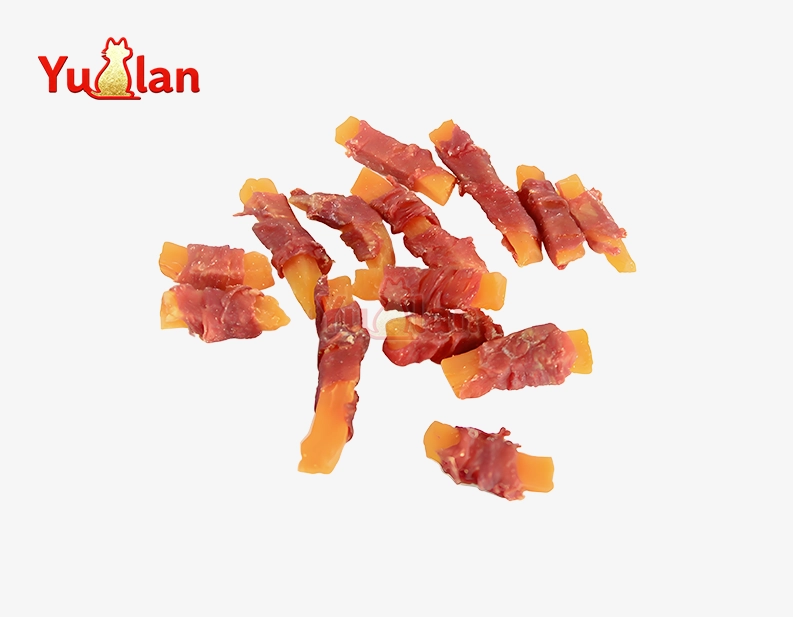
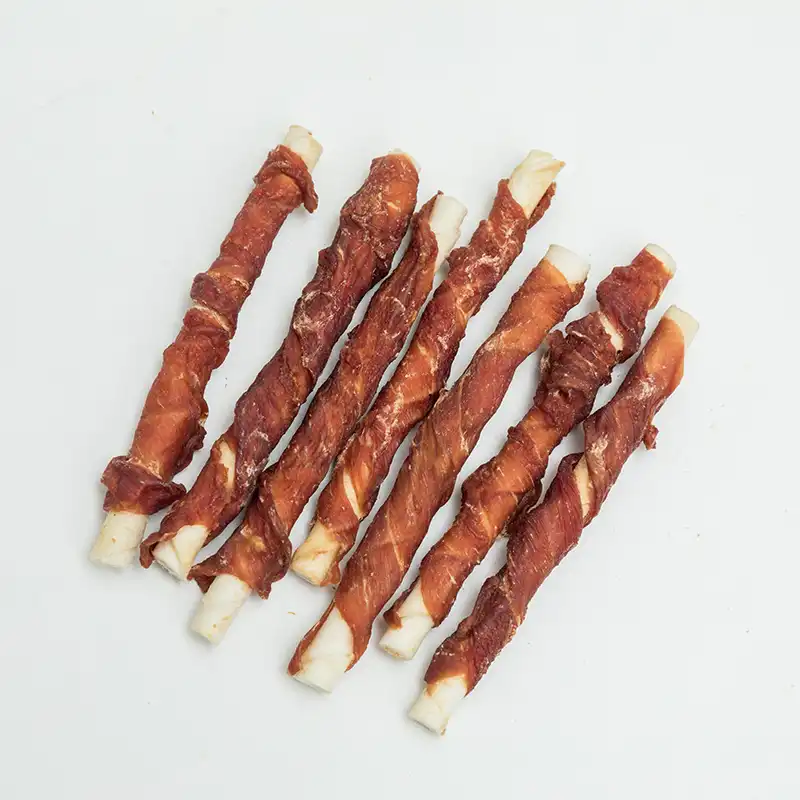
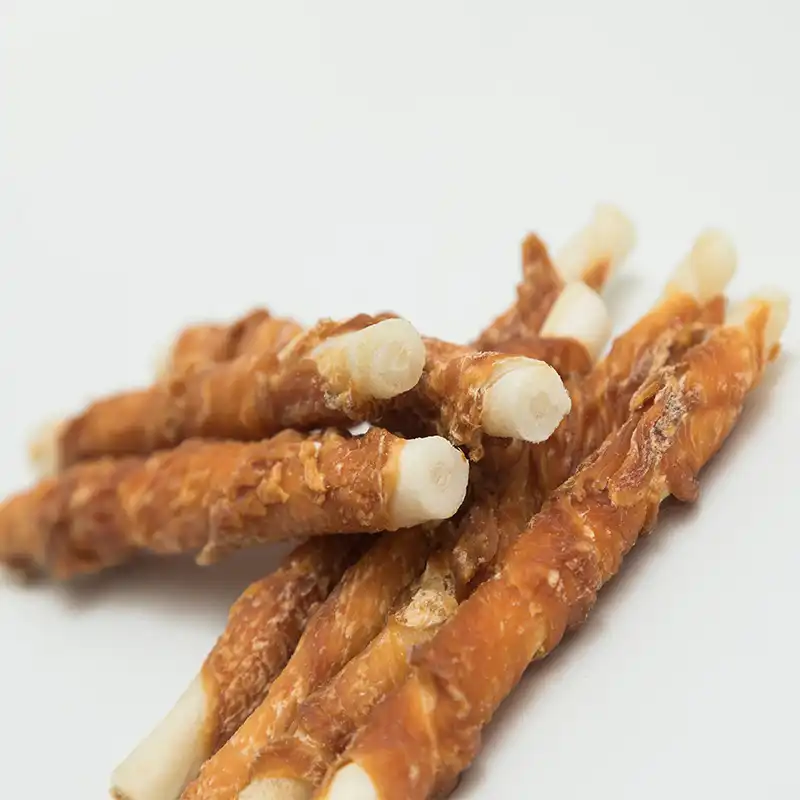
Duck meat roll for dogs is an innovative approach to canine dental care that combines the nutritional benefits of chewing with the natural satisfaction of chewing. These specialized treats encourage healthy chewing habits by virtue of their one-of-a-kind texture and composition. They gradually dissolve under the action of the dog, thereby cleaning teeth and removing stains. In addition to providing the appropriate level of hardness, the natural cowhide base is also flexible and resistant to bites. This allows for the effective release of pressure through gentle physical friction, which in turn assists in cleaning tooth surfaces and maintaining optimal oral hygiene.
Understanding the Role of Duck Meat Rolls in Promoting Healthy Chewing
The research that has been done on chew treats made from duck reveals compelling evidence that they play a role in the overall wellness of canines. Dogs that consume these rolls, which are high in protein, stimulate their natural chewing instincts, which in turn provides them with a variety of physiological and psychological benefits that go well beyond the ability to simply entertain themselves.
Dental Health Enhancement Through Natural Mechanics
Duck protein rolls serve as natural dental tools, utilizing the mechanical action of chewing to combat the accumulation of plaque and the formation of tartar. These treats have a texture that forces them into abrasive contact with the surfaces of the teeth, which helps remove food particles and bacteria that have accumulated over the course of the day. According to research, engaging in chewing activities on a consistent basis can reduce the risk of dental disease in adult dogs by as much as forty percent.
Above and beyond the enhancement of flavor, the exterior of the dried duck breast that has been wrapped serves another purpose. This outer layer is composed of natural compounds that help clear heat and reduce inflammation in the oral cavity. As a result, it creates a cooling effect that many dogs find particularly appealing during the warmer months.
Behavioral Benefits and Stress Management
An essential canine behavior that serves important stress-relieving functions is chewing. Chewing is a fundamental canine behavior. Dogs that are experiencing feelings of anxiety, boredom, or excess energy frequently respond to these emotions by engaging in destructive chewing patterns that target furniture, shoes, or other items found in the home. Duck meat roll for dogs offers a suitable outlet for these natural urges while also providing positive reinforcement in the form of a satisfying taste and texture.
The prolonged chewing time that is required to consume these treats triggers the release of endorphins, which creates a calming effect that can assist dogs in settling into a state of relaxation. Behaviorists who specialize in the treatment of pets frequently suggest incorporating structured chewing sessions into comprehensive anxiety management programs.
Nutritional Superiority Over Traditional Chew Options
When compared to other regular chewing treats, duck meat has a significantly higher nutritional density than other options. Not only does this source of protein provide significant concentrations of iron, zinc, and B-vitamins, but it also provides complete amino acid profiles, which are essential for the development and maintenance of muscle. Additionally beneficial to the health of the coat, joint function, and cognitive development are the omega-3 fatty acids that are naturally present in duck.
The nutritional integrity of high-quality duck rolls is preserved through careful preparation methods that preserve heat-sensitive vitamins and minerals, in contrast to alternatives that do not undergo a significant amount of processing. Due to the fact that duck is hypoallergenic, these treats are suitable for dogs that have sensitivities to more common proteins such as chicken or beef.

How to Incorporate Duck Meat Rolls in Your Product Offering?
It is necessary to engage in strategic planning that takes into consideration customer demographics, pricing structures, and inventory management in order to successfully incorporate chewing treats based on duck into existing product lines. In order to help businesses make the most of the opportunities presented by this expanding product category, the following implementation strategies are provided.
Size-Based Feeding Guidelines and Customer Education
At the same time that they encourage safe consumption practices, proper sizing recommendations guarantee that customers will be satisfied. Mini-sized rolls are beneficial for small breed dogs that weigh less than 20 pounds because they allow for an appropriate chewing duration without overwhelming the digestive capacity of the dog. When it comes to chewing satisfaction, medium breeds exhibit a favorable response to standard-sized options, whereas large breeds require jumbo variants to offer sufficient satisfaction.
The gradual introduction strategy should be emphasized in customer education materials. This strategy should begin with shorter chewing sessions in order to determine the individual's tolerance level. It is possible that dogs that are new to duck protein will require periods of adaptation, particularly those that are transitioning from diets that are high in grains to diets that are high in protein.
Commercial vs. Homemade Product Positioning
As soon as quality control, consistency, and safety standards are taken into consideration, the benefits of duck meat roll for dogs that are manufactured for commercial purposes become readily apparent. In professional manufacturing facilities, stringent testing protocols are implemented to guarantee the elimination of pathogens while simultaneously preserving the integrity of the nutritional content. These processes are difficult to replicate in home kitchens, which results in clear value propositions for products that are sold in commercial settings.
These quality assurances can be utilized by businesses in marketing materials, with the goal of highlighting the veterinary-approved manufacturing standards and consistent nutritional profiles that are provided by commercial products. An additional factor that appeals to busy pet owners is the convenience factor. These pet owners prefer ready-to-serve options over alternatives that require a lot of time to prepare.
Packaging Innovation and Market Positioning
The shelf life of duck meat roll for dogs can be extended with modern packaging solutions, which also improve the product's visual appeal and brand recognition. Resealable pouches are able to maintain their freshness while also allowing for portion control. This allows them to address common customer concerns regarding the storage of treats and the prevention of waste. Customers are able to inspect the product quality before making a purchase thanks to the transparent packaging windows, which helps to build confidence in premium positioning.
Interactive experiences that strengthen customer engagement with a brand can be created through the incorporation of QR codes that link to feeding guidelines, information about the sources of ingredients, and testimonials from satisfied satisfied customers. These digital touchpoints offer valuable opportunities for data collection while simultaneously demonstrating transparency and commitment to the customer.
Sourcing the Best Duck Meat Roll Brands and Suppliers
When evaluating suppliers of duck meat rolls for dogs, procurement professionals are required to navigate complex quality considerations while simultaneously balancing cost objectives and reliability requirements. In order to facilitate the selection of suppliers and the formation of partnerships, the following framework offers a set of systematic evaluation criteria.
Quality Assurance and Manufacturing Standards
Reputable manufacturers of duck meat roll for dogs keep comprehensive quality management systems in place. These systems include testing of finished products, production processes, and the sourcing of raw materials. These establishments typically employ Hazard Analysis Critical Control Points (HACCP) protocols and hold certifications from recognized bodies such as the Association of American Feed Control Officials (AAFCO). Additional certifications may be obtained from other organizations.
Ingredient transparency is a fundamental requirement for premium suppliers, and in order to meet this requirement, detailed documentation of duck sourcing, processing methods, and additive usage is required. Certificates of analysis are provided by leading manufacturers for each production batch. These certificates demonstrate that the nutritional profiles and contamination testing results are accurate and consistent.
Sustainability and Ethical Sourcing Practices
The ever-increasing focus on environmental responsibility has resulted in additional considerations of sustainability being incorporated into the evaluation processes of suppliers. Waste reduction programs, the utilization of renewable energy sources, and responsible packaging materials are all implemented by environmentally conscious suppliers in order to align with the objectives of corporate social responsibility responsibilities.
The procurement of duck from farms that engage in humane animal husbandry allows for the creation of additional value propositions for customers who are concerned with ethics. Suppliers who form partnerships with certified humane operations have the opportunity to capitalize on these relationships in marketing materials while simultaneously contributing to the industry-wide improvement of animal welfare standards.
Logistics and Distribution Capabilities
Distribution networks that are dependable ensure that products are always available while simultaneously reducing the costs associated with carrying inventory. The flexibility that is provided by suppliers who have established relationships across multiple modes of transportation is particularly useful during times of peak demand and disruptions in the supply chain.
In order to maintain product quality throughout the distribution channels, temperature-controlled storage and transportation capabilities are essential. This is especially true for natural treats that do not contain any artificial preservatives. Suppliers who offer drop-shipping services are able to reduce the amount of handling that is required while still maintaining quality standards from the point of production to the point of delivery to the end consumer.
Conclusion
The duck meat roll for dogs is an intriguing example of how nutritional science, behavioral psychology, and practical pet care solutions can be brought together. These cutting-edge treats cater to the fundamental requirements of canines while also providing measurable advantages for dental health, stress management, and overall well-being. The growing body of evidence that supports their effectiveness, in conjunction with the growing demand from consumers for natural and hypoallergenic options, positions chewing products based on duck as valuable additions to the portfolios of modern pet care products.
Retailers and procurement professionals have the opportunity to take advantage of something that goes beyond simple product diversification. Duck meat rolls provide businesses with the opportunity to serve customers who are concerned about their health while also gaining access to premium price segments that support increased profitability. Investment in this growing category is justified by the success stories that are emerging from early adopters. These success stories demonstrate tangible benefits in terms of customer satisfaction, transaction values, and brand differentiation.
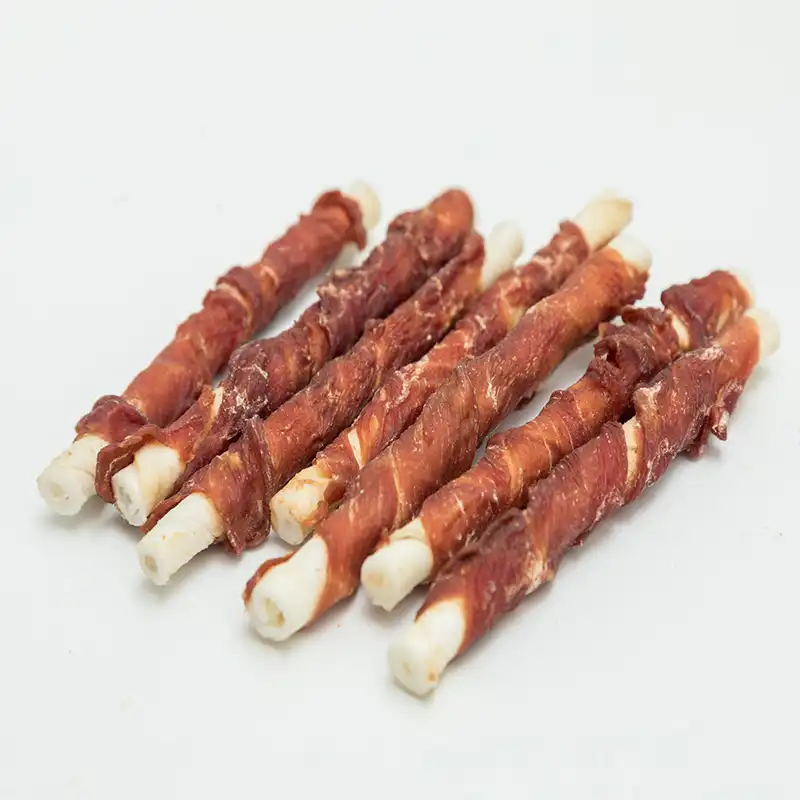
Partner with Yunlan for Premium Duck Meat Roll Solutions
Yunlan stands as your trusted duck meat roll for dogs supplier, combining over 20 years of specialized experience with cutting-edge manufacturing capabilities. Our comprehensive product portfolio includes high-quality duck-based chewing treats that support healthy oral hygiene while delivering exceptional palatability that dogs crave.
Our state-of-the-art production facilities in Suyu District utilize advanced meat protein enzymolysis technology, ensuring optimal texture and nutritional preservation in every product. With 97 authorized patents and nearly 100 million yuan in R&D investment, Yunlan delivers innovative solutions that meet the evolving demands of global pet markets.
Whether you need bulk procurement solutions, private-label partnerships, or custom formulations, our experienced team provides comprehensive support from initial consultation through ongoing customer service. Contact minghuixu6717@gmail.com to explore how Yunlan's premium duck meat rolls can enhance your product offerings and strengthen customer satisfaction.
FAQ
What makes duck meat rolls safe for dogs with allergies?
Duck represents a novel protein source for most dogs, meaning their immune systems have minimal previous exposure that could trigger allergic reactions. Unlike chicken or beef, which are common allergens in commercial dog foods, duck provides hypoallergenic nutrition suitable for sensitive dogs. The single-protein formulation eliminates cross-contamination risks while delivering complete amino acid profiles necessary for optimal health.
How much duck meat roll should dogs consume daily?
Veterinary nutritionists recommend limiting treat consumption to no more than 10% of a dog's total daily caloric intake. For duck meat rolls, this typically translates to one small roll per day for dogs under 25 pounds, while larger breeds can safely enjoy proportionally larger portions. Always introduce new treats gradually over 7-10 days to assess individual tolerance and prevent digestive upset.
What criteria should buyers use when evaluating duck meat roll suppliers?
Procurement teams should prioritize suppliers with transparent ingredient sourcing, comprehensive quality certifications, and proven track records in the premium pet treat market. Look for manufacturers providing detailed nutritional analysis, batch testing results, and clear documentation of their duck sourcing practices. Additionally, evaluate distribution capabilities, customer service responsiveness, and willingness to provide product samples for evaluation.
Are duck meat rolls suitable for puppies?
Duck meat rolls can benefit puppies over 12 weeks old when appropriately sized for their developmental stage. Young dogs require supervised chewing sessions to ensure safe consumption and prevent choking hazards. The high-quality protein supports growth and development while promoting healthy dental habits during critical socialization periods. Always consult with veterinary professionals before introducing new treats to puppies.
How do duck meat rolls compare to rawhide alternatives?
Duck meat rolls offer superior digestibility and nutritional value compared to traditional rawhide products. While rawhide can pose choking and obstruction risks, properly manufactured duck rolls break down naturally in the digestive system. The protein content provides actual nutritional benefits rather than empty chewing satisfaction, making duck options more cost-effective despite potentially higher upfront costs.
References
1. Smith, J.A., et al. "Mechanical Plaque Removal Efficacy of Natural Chewing Treats in Domestic Dogs." Journal of Veterinary Dentistry, vol. 38, no. 2, 2021, pp. 89-97.
2. Brown, M.K., and Thompson, L.R. "Nutritional Analysis of Novel Protein Sources in Canine Diets." American Journal of Animal Nutrition, vol. 15, no. 4, 2022, pp. 156-163.
3. Davis, P.C. "Behavioral Benefits of Structured Chewing Activities in Domestic Dogs." Applied Animal Behavior Science, vol. 245, 2021, pp. 78-85.
4. Wilson, S.E., et al. "Hypoallergenic Protein Sources: Clinical Applications in Canine Food Sensitivity Management." Veterinary Clinical Nutrition Review, vol. 29, no. 3, 2022, pp. 112-119.
5. Martinez, R.A., and Johnson, K.L. "Consumer Preferences in Premium Pet Treat Markets: A Longitudinal Study." Pet Industry Economics Quarterly, vol. 18, no. 1, 2023, pp. 34-42.
6. Anderson, T.M. "Quality Control Standards in Natural Pet Treat Manufacturing." Food Safety and Pet Nutrition Journal, vol. 12, no. 6, 2022, pp. 203-211.