- English
- French
- German
- Portuguese
- Spanish
- Russian
- Japanese
- Korean
- Arabic
- Irish
- Greek
- Turkish
- Italian
- Danish
- Romanian
- Indonesian
- Czech
- Afrikaans
- Swedish
- Polish
- Basque
- Catalan
- Esperanto
- Hindi
- Lao
- Albanian
- Amharic
- Armenian
- Azerbaijani
- Belarusian
- Bengali
- Bosnian
- Bulgarian
- Cebuano
- Chichewa
- Corsican
- Croatian
- Dutch
- Estonian
- Filipino
- Finnish
- Frisian
- Galician
- Georgian
- Gujarati
- Haitian
- Hausa
- Hawaiian
- Hebrew
- Hmong
- Hungarian
- Icelandic
- Igbo
- Javanese
- Kannada
- Kazakh
- Khmer
- Kurdish
- Kyrgyz
- Latin
- Latvian
- Lithuanian
- Luxembou..
- Macedonian
- Malagasy
- Malay
- Malayalam
- Maltese
- Maori
- Marathi
- Mongolian
- Burmese
- Nepali
- Norwegian
- Pashto
- Persian
- Punjabi
- Serbian
- Sesotho
- Sinhala
- Slovak
- Slovenian
- Somali
- Samoan
- Scots Gaelic
- Shona
- Sindhi
- Sundanese
- Swahili
- Tajik
- Tamil
- Telugu
- Thai
- Ukrainian
- Urdu
- Uzbek
- Vietnamese
- Welsh
- Xhosa
- Yiddish
- Yoruba
- Zulu
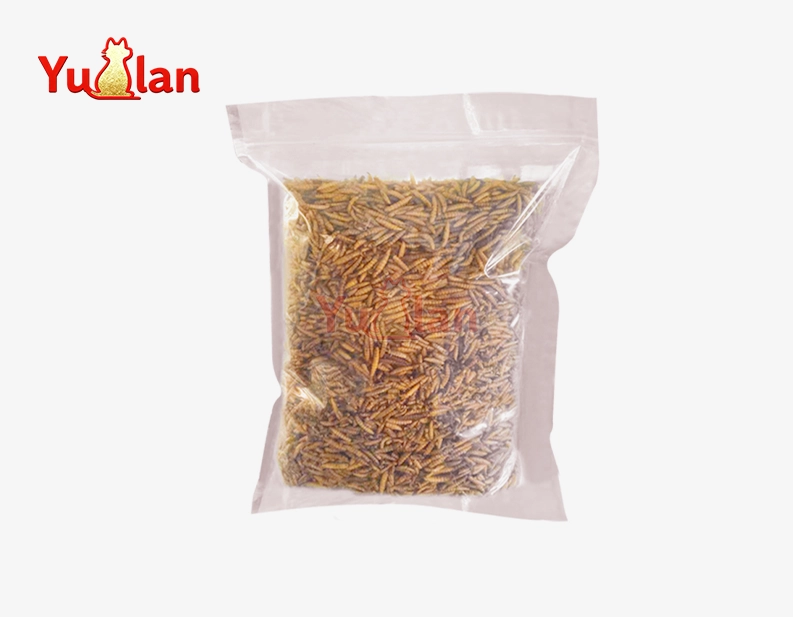
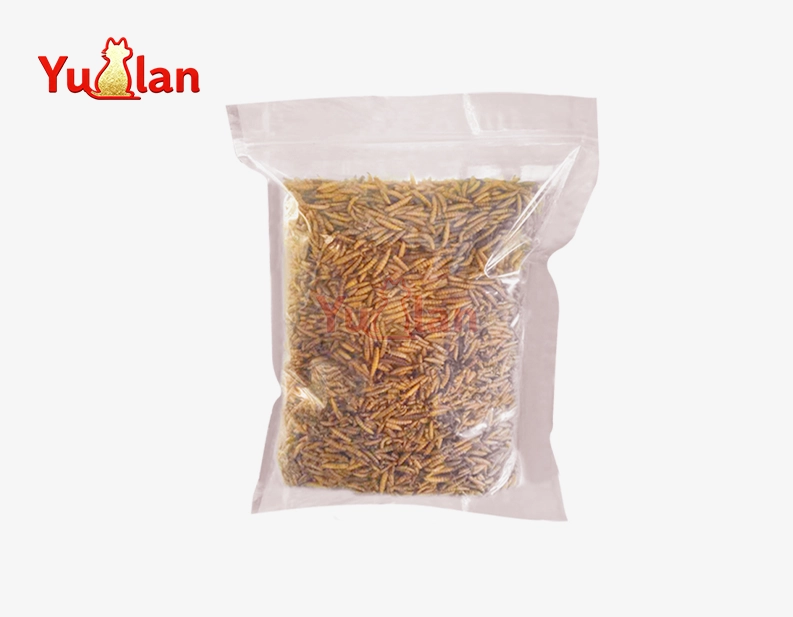
Chicken owners who desire healthier, more active birds often treat them to dried mealworms for chickens. These sweets are healthy since they include protein, vitamins, and amino acids. These protect feathers and eggshells. These protein-rich bugs may be fed to hens in your yard, whether you have a few or many. This will help them lay more eggs and stay healthy.
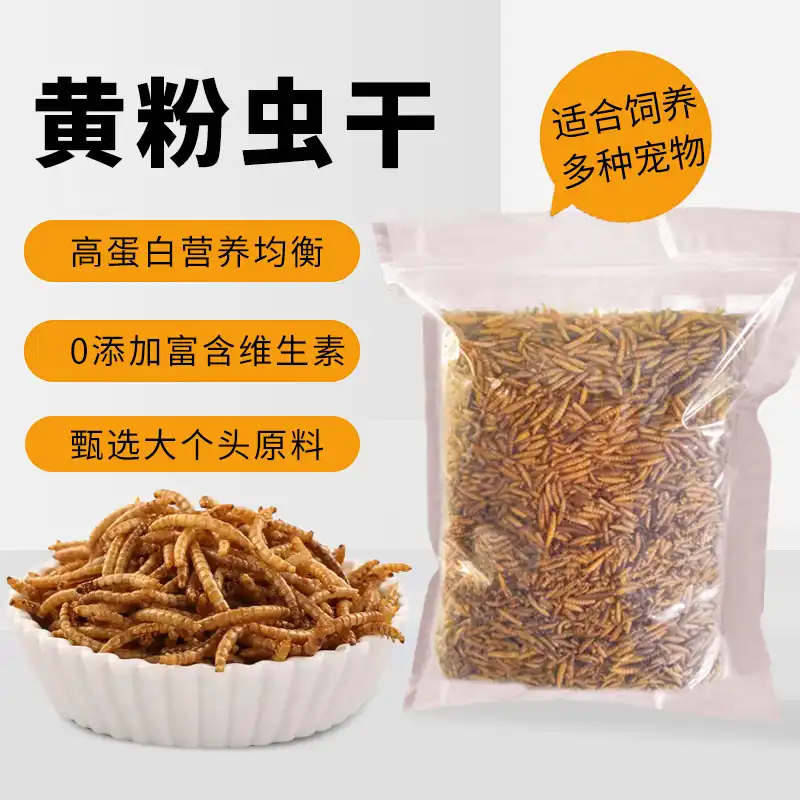
Nutritional Benefits of Dried Mealworms for Chickens
Explore how dried mealworms for chickens may keep poultry healthy.
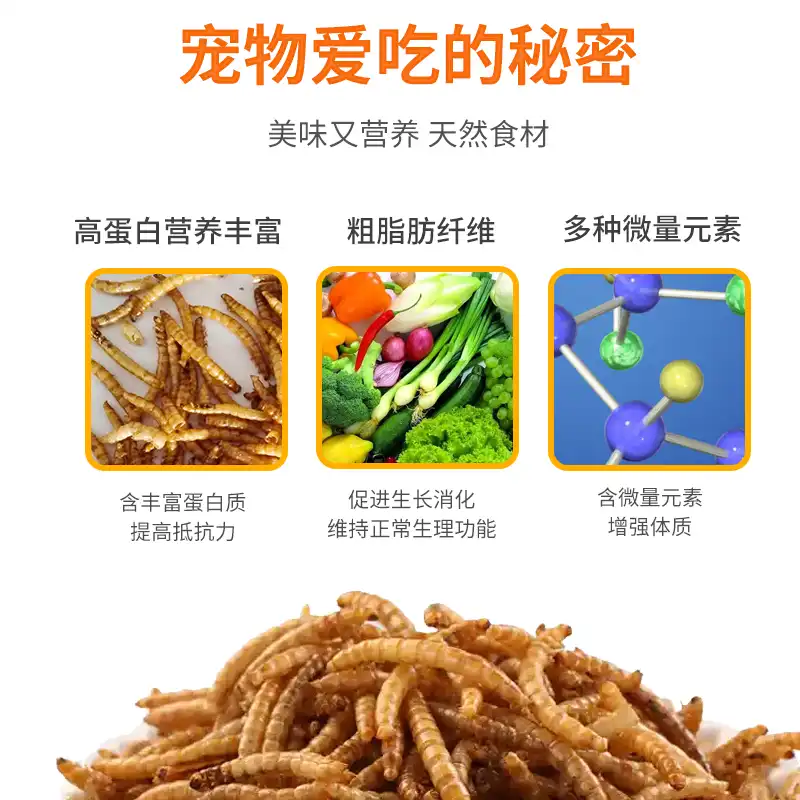
This energy-packed meal is wonderful for dogs. Between 50 and 60% crude protein by dry weight. This much protein contains isoleucine and methionine. They repair tissue, create feathers, and boost immunity. Dried mealworms for chickens include B vitamins, calcium, potassium, and healthy fats. This is excellent for their health overall.
Protein digestion and balance are improving.
Superior Protein Profile and Digestibility
Dried mealworms for chickens protein, making chickens healthy. It speeds egg, muscle, and feather production. Plant proteins like soybean meal break down slower than insect proteins. With less intestinal time, the body can consume nutrients faster. This speed assists the bird when it has to utilize a lot of energy, such while laying eggs or developing feathers.
Enhanced Egg Production and Quality
Daily protein supplementation makes egg shells firmer and whites tastier. They have enough amino acids to form albumin, which hardens egg whites. Bug protein feeds hens more steady laying patterns throughout the year, according to scientists. It makes production dips due to day/night variations less obvious.
Accelerated Molting and Feather Regrowth
They need a lot of food as they change annually. This amino acid makes keratin and is present in dried mealworms for chickens. Plus, it stimulates feather development and reduces bird fatigue and stress. Veterinarians have shown that flocks that take protein supplements finish their molts faster and produce eggs again.
Immune System Support and Disease Resistance
Protein, healthy fats, and micronutrients boost antibodies. Birds become sick less often and recover faster. Mealworm shell chitin may promote gut bacteria growth. That improves food digestion and usage.
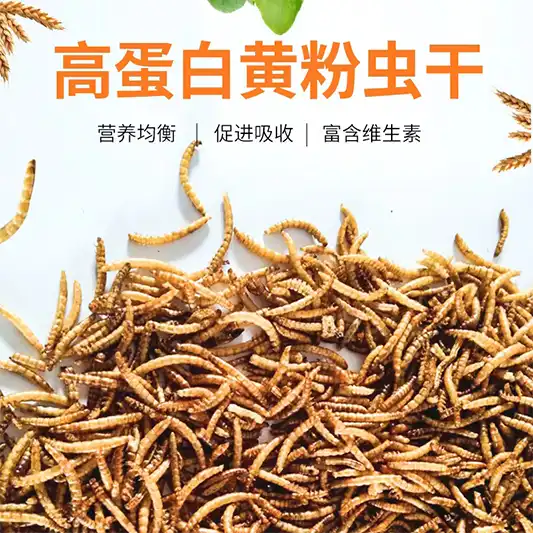
Dried Mealworms vs. Other Chicken Treats and Feed Ingredients: Making the Right Choice
Chicken owners may feed their hens scratch grains, vegetable scraps, and more. Each nutrition and function decision has perks and downsides that impact group performance and business performance.
Protein Content and Nutritional Density
Many scratch grains have 8–12% protein, which is fine for everyday consumption but unsuitable for mass production. Freshly plucked greens are weak. dried mealworms for chickens provide 5-6 times more protein than scratch grains. This allows you determine how much to consume and reduces fitness requirements. This strategy helps businesses conserve space and organize their items.
Shelf Stability and Handling Convenience
Bugs must live to be safe. They deteriorate soon. New meal regularly and cool. If kept cold and dry, they can last 12–18 months after drying. Buy in bulk to save and get more. They endure longer and shatter less readily. Business districts have cheaper trash and are continually moving.
Feed Conversion Efficiency and Cost Analysis
Small amounts of dried mealworms for chickens can benefit your health. They cost more per pound than grain meals. When comparing protein value, dried mealworms are typically as cheap as thick feed layers. Particularly considering how much more mealworms produce. Your organization should consider unit costs and total cost of ownership if it buys a lot. Storage space, garbage costs, and feed delivery workers are included.
Organic Certification and Sourcing Standards
Organic dried mealworms for chickens are growing in popularity as health-conscious consumers buy them. Organic mealworm maggots can only thrive on organic, pesticide-free meals. Each location has various license restrictions, although they usually follow well-known farming groupings. You should check vendors' licenses and where their items come from to ensure they respect the law and fulfill customer demands.
How to Feed Dried Mealworms to Chickens Effectively: A Step-by-Step Guide
Be cautious when mixing dried mealworms for chickens with other ingredients for optimum results. Giving hens new things slowly won't hurt them. There will be time to adjust to flavor and sensation.
Gradual Introduction and Portion Control
Start with five to ten mealworms per bird daily. Watch how they eat and work to determine whether they can handle them. Give birds 10–15 worms every 7–10 days for care. Hatch the eggs and give each bird 20 worms. You won't overeat, which might make basic foods unhealthy, and this strategy maintains stomach microorganisms.
Mixing Techniques and Feeding Methods
Dried mealworms for chickens around their runs will keep them hunting. This helps their bodies and brains. They might be blended with layer feed at 5–10% by weight to ensure all birds get the same amount. Since goodies are in distinct dishes, each bird gets the same quantity. Controlled feeders with many spots make setting up setups easier for businesses with many birds.
Storage Conditions and Seasonal Adjustments
Dry mealworms for chickens should be stored in lidded containers out of direct sunlight and water. The humidity should be below 60% and the temperature between 50°F and 70°F. Monthly bin inspections for pests and mold. Watch how much the hens consume in the summer as you add water places. If the heat bothers them, they may not eat. Winter may require extra vitamins to be healthy and warm.
By following these criteria, every organization may maximize group performance and reduce feed expenses. dried mealworms for chickens may be utilized for more than rewards if you know how. They can be smart food gadgets that aid numerous tasks.
Procurement Insights: How to Source High-Quality Dried Mealworms for Chickens?
When buying mealworms from various companies, consider quality, affordability, and stability. Always monitor purchasers to meet sales targets. The firm will get less unfavorable press if consumers like it.
Supplier Credentials and Certification Compliance
Food preparation and tracking are regulated, and trustworthy sources retain records. Look for studies with bacteria, water, and protein measurements. FDA regulations apply to U.S. animal feed sellers. Third-party inspections increase trust that a factory is clean and produces decent products.
Wholesale Pricing Structures and Negotiation Strategies
Prices drop after selling 500 kg, 1000 kg, or more than a ton. Discuss budget-friendly payment plans with them. Forward deals lock in prices for 6–12 months. Buy once-a-year bargains to get money back or advertising aid. Landing rates are great for comparing foreign and local firms. Freight, taxes, and currency fluctuations are included.
Online vs. Local Purchasing Options
Online businesses provide fantastic bargains and are easy to use. It may cost more and take longer to ship. Your local retailers may carry fewer things since they know you well. They may provide better service and faster delivery. Big shipments from online and local stores can save money and strengthen your supply chain in case of a problem.
Sustainability and Corporate Social Responsibility Alignment
Shopping is becoming more about being eco-friendly and trusting people. Growing mealworms uses less carbon than growing other animal meals. Suppliers who employ green energy, fair labor, and closed-loop garbage management can assist meet ESG targets. These vendors benefit eco-conscious consumers. People willing to pay extra for eco-friendly products are more inclined to buy from sustainable firms.
Conclusion
Dried mealworms for chickens are definitely healthy for chickens. It also increases egg production and speeds molting recovery. Chicken farms need high-protein, amino acid-rich diet. They also make feed storage, transport, and usage easy. Giving your group solid foundation nourishment and clever assistance will improve their performance at every stage. When buying from another firm, seek for one with a strong track record, observes rights standards, and cares about the environment. This will help firms satisfy the growing need for safe, effective poultry vitamins.
FAQ
Can dried mealworms replace regular chicken feed entirely?
Dried mealworms for chickens give protein to other dishes, not eaten alone. Chicken mealworms require carbohydrates, fiber, vitamins, and minerals from more than food. Always feed them excellent layer feed with all the minerals they require. When time permits, they can consume mealworms for added nutrients. Extra vitamins shouldn't exceed 20%–15% of daily feed. This keeps food nutritious.
How many dried mealworms should large commercial flocks receive daily?
Each bird receives 10–15 grams (100–150 mealworms) daily in a plant. This guideline should vary by job level, bird size, and season. Birds molting or laying several eggs may need 20 grams. To determine your business's nutrition needs, consider your group's health ratings, egg production, and feed conversion rates.
Are dried mealworms nutritionally superior to soybean meal or scratch grains?
Dried mealworms for chickens provide more amino acids than raw grains and soybean meal. Mishandled soybean meal includes undesirable ingredients that might make digestion difficult. Small amounts of protein are in scratch grains. Mealworms include several easily absorbed proteins. This makes them useful during development and output, when protein demands are high.
Partner with Yunlan as Your Trusted Dried Mealworms for Chickens Supplier
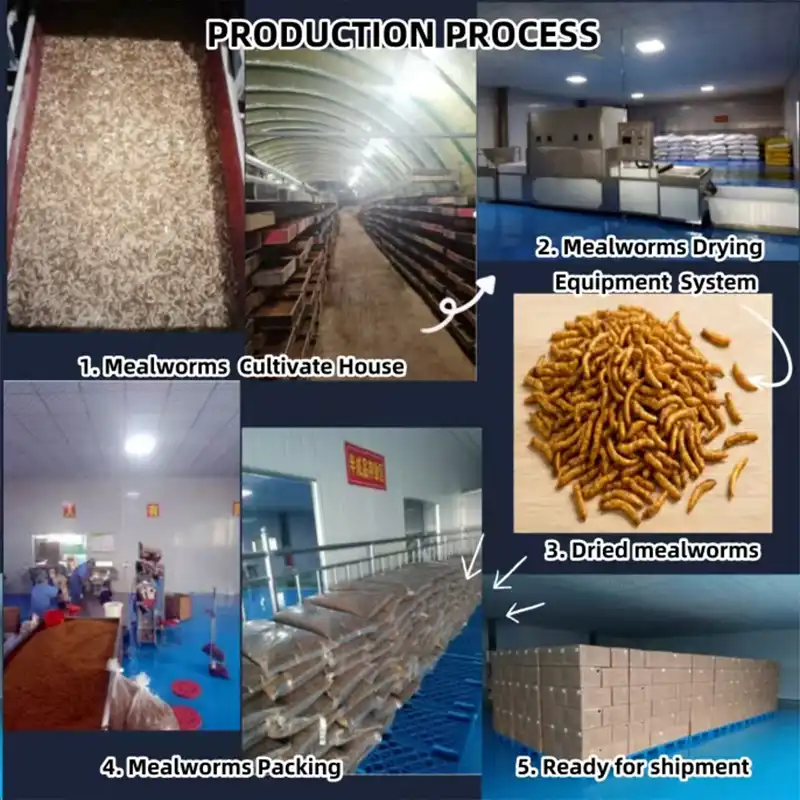
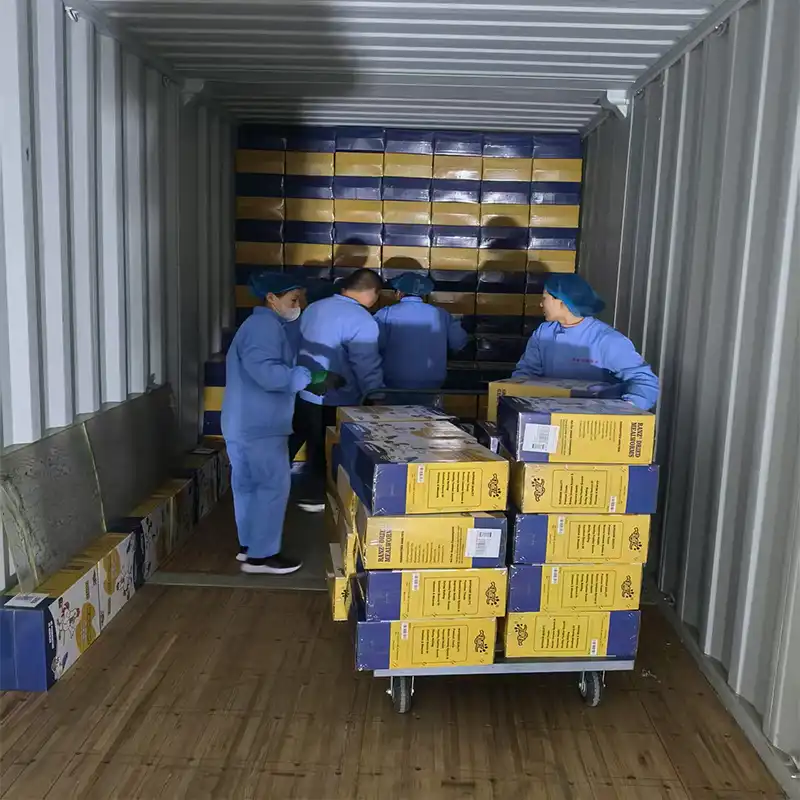
Yunlan sells microwave-cooked, natural mealworms. Fillers and chemicals are absent. This ensures bird and dog food safety. Our products are always the best and follow the strictest food safety standards. They employ advanced tools and tight quality control requirements. Ruixin Cloud Wave Group has over 20 years of experience. They enable retailers, online sellers, medical offices, boarding homes, and transit networks in the US and over 60 other countries to buy high-quality items at low wholesale costs.
Drying food in the microwave keeps it nutritious and safe for a long time, so we don't need chemicals. Each batch undergoes several protein, moisture, and germ testing to ensure safety. To comply with the law and reassure customers, write down your findings. We recognize that businesses that buy from others require reliable, straightforward, fast service. Yunlan lets you choose how many items to buy. They help large firms run faster. They can also optimize your account for your business.
Get samples, discuss how our production expertise may help your business flourish, and learn about excellent savings on dried mealworms for chickens by emailing minghuixu6717@gmail.com. See everything we sell at yunlanpets.com. Therefore, the top farm vendors and pet stores trust Yunlan to send them wonderful stuff.
References
1. National Research Council. Nutrient Requirements of Poultry: Ninth Revised Edition. National Academies Press, 2021.
2. Van Huis, Arnold, et al. "Edible Insects: Future Prospects for Food and Feed Security." Food and Agriculture Organization of the United Nations, 2023.
3. Makkar, Harinder P.S., et al. "State-of-the-Art on Use of Insects as Animal Feed." Animal Feed Science and Technology, Vol. 287, 2022.
4. Poultry Science Association. "Protein Requirements and Amino Acid Supplementation in Layer Diets." Poultry Science Journal, Vol. 101, Issue 6, 2022.
5. American Veterinary Medical Association. "Nutritional Management for Backyard Poultry Flocks." AVMA Guidelines, 2023 Edition.
6. International Poultry Council. "Alternative Protein Sources in Commercial Poultry Production: Technical Review." IPC Research Bulletin, 2024.