- English
- French
- German
- Portuguese
- Spanish
- Russian
- Japanese
- Korean
- Arabic
- Irish
- Greek
- Turkish
- Italian
- Danish
- Romanian
- Indonesian
- Czech
- Afrikaans
- Swedish
- Polish
- Basque
- Catalan
- Esperanto
- Hindi
- Lao
- Albanian
- Amharic
- Armenian
- Azerbaijani
- Belarusian
- Bengali
- Bosnian
- Bulgarian
- Cebuano
- Chichewa
- Corsican
- Croatian
- Dutch
- Estonian
- Filipino
- Finnish
- Frisian
- Galician
- Georgian
- Gujarati
- Haitian
- Hausa
- Hawaiian
- Hebrew
- Hmong
- Hungarian
- Icelandic
- Igbo
- Javanese
- Kannada
- Kazakh
- Khmer
- Kurdish
- Kyrgyz
- Latin
- Latvian
- Lithuanian
- Luxembou..
- Macedonian
- Malagasy
- Malay
- Malayalam
- Maltese
- Maori
- Marathi
- Mongolian
- Burmese
- Nepali
- Norwegian
- Pashto
- Persian
- Punjabi
- Serbian
- Sesotho
- Sinhala
- Slovak
- Slovenian
- Somali
- Samoan
- Scots Gaelic
- Shona
- Sindhi
- Sundanese
- Swahili
- Tajik
- Tamil
- Telugu
- Thai
- Ukrainian
- Urdu
- Uzbek
- Vietnamese
- Welsh
- Xhosa
- Yiddish
- Yoruba
- Zulu
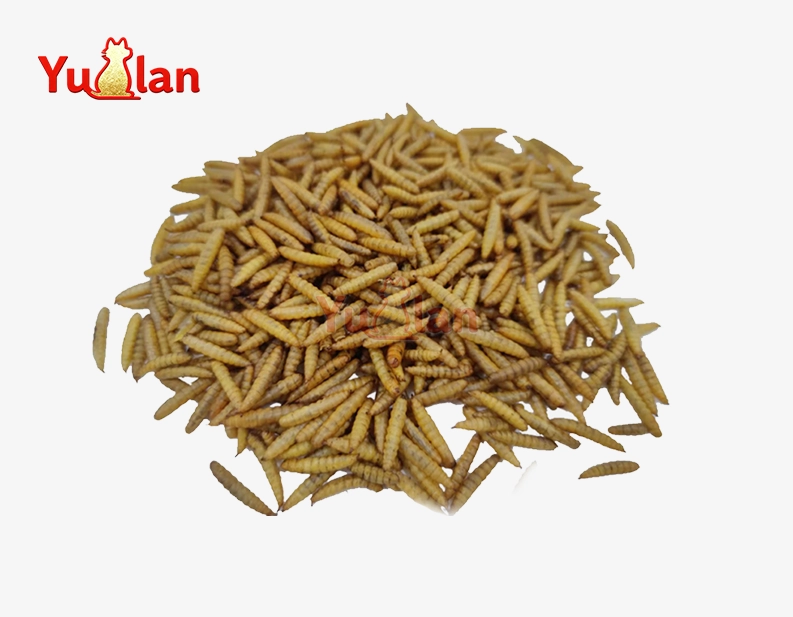
Mealworm protein is new to pet food. It benefits cats, dogs, birds, and fish. These darkling beetle larvae may be used to manufacture mealworms fish food pellets and other kinds of pet food nutrition. They provide protein sustainably. Mealworms are easy to digest and contain all the amino acids fish and pets require. They aid pet immune systems and tank fish tissue healing. Yunlan has witnessed how adding this chemical to several products affects their performance and pet health. This is to satisfy today's eco-conscious clients.
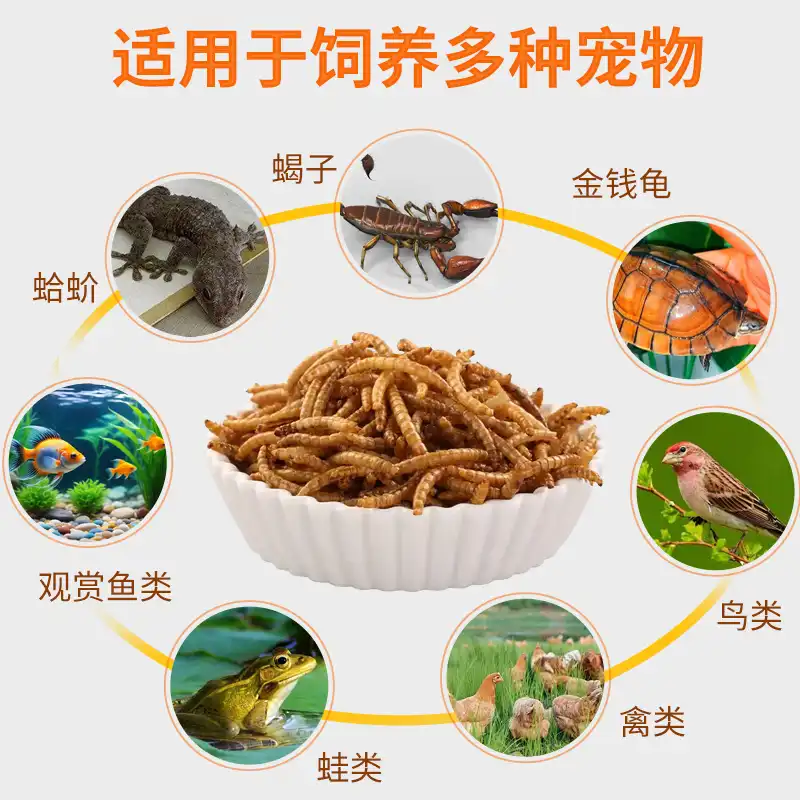
Nutritional and Functional Benefits of Mealworms in Pet Food
Complete Protein Profile Supporting Multi-Species Requirements
Dry matter mealworms have 50–60% crude protein. This makes them a top natural cat food protein source. This protein provides all the amino acids cats require, meat or plant. Its high leucine, lysine, and valine content builds muscles and regulates the body.
Mealworms may alter form, unlike other creatures. Tropical fish like cichlids and bettas like high-fat diets from the wild. Bird shells contain chitin, which aids digestion and gizzard function. Mealworm foods are suitable for dogs and cats allergic to chicken, pork, or grain.
Micronutrient Density and Functional Components
Trace elements remain in our microwave-dried mealworms. For instance, calcium strengthens bones, potassium protects the heart, iron transports oxygen, and salt maintains fluid equilibrium. Mealworms are healthy because they include B-complex vitamins, including B12 and riboflavin. Few plant-based cat foods provide these vitamins.
The raw fiber improves digestion without causing gastrointestinal troubles from grain consumption. This fiber element helps cats and dogs' stomachs move. It helps aquatic species absorb nutrients better, reducing tank waste.
Processing Technology Preserving Nutritional Integrity
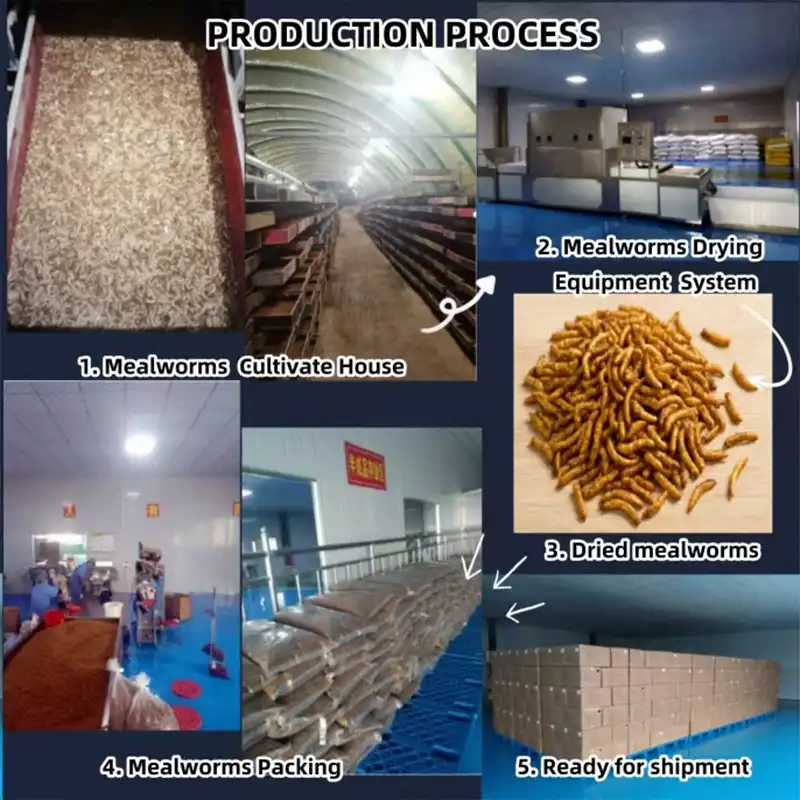
Salmonella and E. coli are destroyed using microwaves, but the process preserves heat-sensitive vitamins and omega-3 fatty acids. Freeze-drying food may be too expensive, while oven-drying may destroy nutrients. For safe and wholesome meals, microwave cooking is recommended. Our process uses no artificial flavors, colors, or chemicals. Only natural, concentrated protein that dogs recognize as food is used.
Comparison of Mealworms with Other Common Pet Food Ingredients
Performance Against Traditional Aquatic Feed Options
Feeding fish dry mealworms instead of bloodworms, brine shrimp, or commercial flakes has several benefits. Bloodworms taste excellent but are hard to preserve and can get nasty if wild. Brine shrimp are healthy yet perishable and need to be refrigerated.
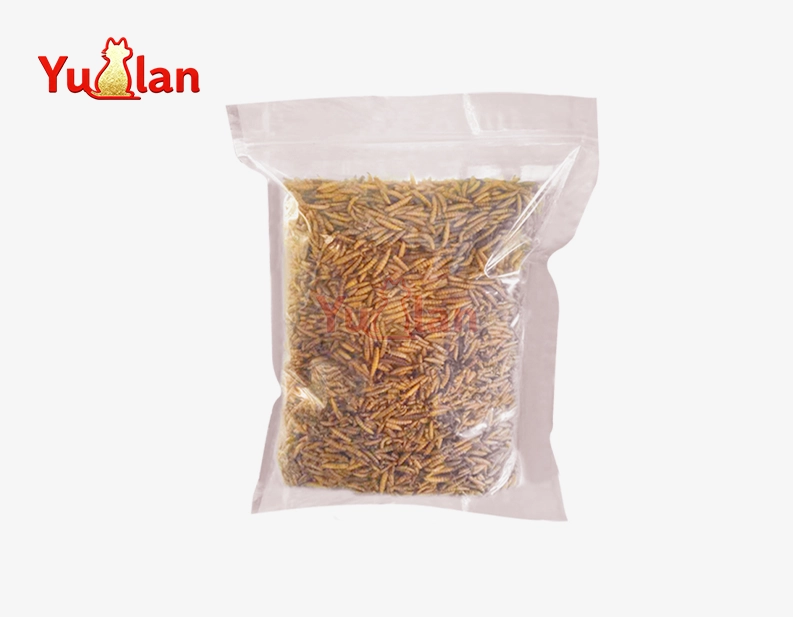
Mealworms fish food pellets have 50% the protein of bloodworms (55–60%), but if packed adequately, they may last a year at room temperature. Pellets don't make a mess or affect water quality like flake feeds because they break down rapidly. It can raise ammonia levels in closed marine systems. You can still catch everything from gentle goldfish to violent oscars and arowanas.
Organic Certification and Premium Market Positioning
The organic mealworm section sells high-end, chemical-free pet food. Certified organic products cost 15–30% more, but they help firms stand out in busy markets and prove their natural, eco-friendly origins. Pet stores say pet owners will pay extra for authorized organic insect proteins.
Mid-market businesses can save money on basic mealworm foods from HACCP and ISO-certified firms. When suppliers implement strong quality standards and easy means to check food production, the quality gap between organic and normal mealworms shrinks.
Format Considerations: Frozen, Dried, and Pelleted Options
Mealworms that are frozen appear and feel the most alive. This is why certain fish and animals hunt naturally. But cold chain requirements make it difficult for retailers and distributors with limited freezer capacity. Dried entire mealworms are easy to use, however certain species taste better when rehydrated.
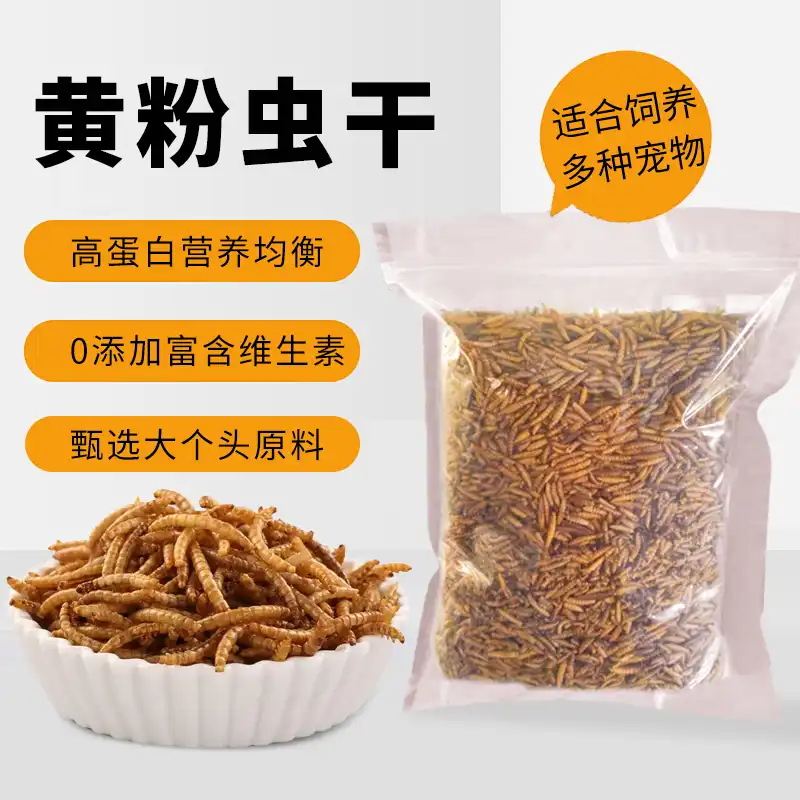
Pellets are the latest and finest mealworm preparation method. Manufacturers may develop nutrient-rich, regular-sized meals that last longer by grinding dry mealworms and combining them with spirulina, kelp, or vegetable binders. With this type, pet owners may better regulate their pets' food intake. It suits aquaculture automated feeding systems.
How to Use Mealworms Across Different Pet Food Product Lines?
Optimizing Mealworm Integration in Aquatic Diets
Before adding mealworms to fish food, learn what nutrients each fish requires and how it consumes. Bettas and gouramis consume floating bugs like mealworm pellets. Bottom-dwellers prefer pellets that fall. Mix mealworm-based diets with familiar foods at 25% during the first week to gently increase them. Over the next several feedings, increase the ratio to 50–75%.
Various fish require various feeding frequencies. Tropical animals that dwell in 76°F–80°F water easily digest protein. Two times a day, they may finish mealworm feed in three minutes. Cold-water fish like goldfish should only be fed once a day in summer. Winter slows their metabolisms, so feed them every other day.
Avian Nutrition Applications and Species-Specific Blends
All bird sizes and shapes need different diets. Various mealworms accomplish various things. Bug-eaters like bluebirds and robins require mealworms for taurine and other nutrients they can't obtain from nuts. Birds need more energy during breeding, therefore feeding them mealworms during mating season boosts chick survival.
Mealworms fish food pellets are appetizing and energizing enrichment items. Because parrots don't need as much protein as insectivores, mealworms shouldn't make up more than 10–15% of their diet. Finches and canaries thrive on a mix of finely chopped dry mealworms and other seeds, especially when their feathers fall off and need additional amino acids to regrow.
Procurement and Sourcing Strategies for Mealworms in B2B Pet Food Markets
Supplier Evaluation Criteria and Quality Benchmarks
Many approaches may be taken to discover dependable mealworm vendors. HACCP and GMP standards demonstrate a company's food safety commitment. Honest sellers who produce and feed mealworms realize that ingredient quality affects product performance.
Top salesmen stand out with testing skills. A certificate of analysis (COA) showing protein, moisture, bacteria, and heavy metals helps businesses in various sectors comply with the law. With customizable options including size grades, moisture targets, and grinding standards, customers may craft the greatest recipes without sacrificing quality.
Bulk Purchasing Economics and Order Flexibility
Usually, bulk dried mealworm prices depend on how many you buy. If you buy more than 500 kg, you usually save 10-15%, and metric tons are much better. But procurement strategies must evaluate the expense of stockpiling and keeping items fresh against saving money.
Lots of OEMs and suppliers order every three months. This keeps things fresh and ensures three months of supplies. This method for buying bulk items doesn't compromise quality. Small enterprises or organizations testing new goods may struggle to pay their costs if they must commit to full loads.
Industry Insights & Future Trends of Mealworms in Pet Food Sector
Sustainability Imperatives Driving Ingredient Innovation
Traditional cat food production harms the environment. Beef and poultry production utilizes a lot of space, water, and greenhouse emissions. Mealworms are easier to raise than mammals. Animals can convert feed into protein at 10:1 or greater, whereas mealworms can do so at 2:1. One kilogram of protein requires 90% less water.
These environmental advantages match what shoppers value. According to market analysis, 43% of pet owners under 40 actively seek new protein sources, and 67% say sustainable pet food is vital. Brands that employ insect proteins and explain their environmental benefits will attract more eco-conscious customers.
Regulatory Evolution and Market Access Expansion
Mealworms fish food pellets in pet food are maturing in regulation. Mealworms might be used to feed pets, according to the EU in 2017, which also simplified the market with quality and labeling requirements. US mealworm use as animal food is recognized as GRAS, though distinct states may have distinct laws.
Clarity makes it easier for most individuals to obey the rules. Pet food makers previously wary about compliance now confidently formulate with mealworm ingredients. Industry and government organizations continue to communicate, so standards will improve, potentially expanding international markets and usage.
Technology Advancements in Insect Agriculture
AI and robots are turning mealworm farming into a sophisticated business. Weather-proof vertical farming systems can grow high-quality crops year-round by maximizing temperature, humidity, and meal planning. Automating collection and moving saves money and improves cleanliness.
Technology makes resources more available, goods more consistent, and costs lower for business-to-business buyers. Manufacturers may now guarantee restricted specifications. Pet food producers who need to maintain nutritious blends between manufacturing runs benefit from this. Economies of scale reduce the price difference between mealworm and other proteins.
Conclusion
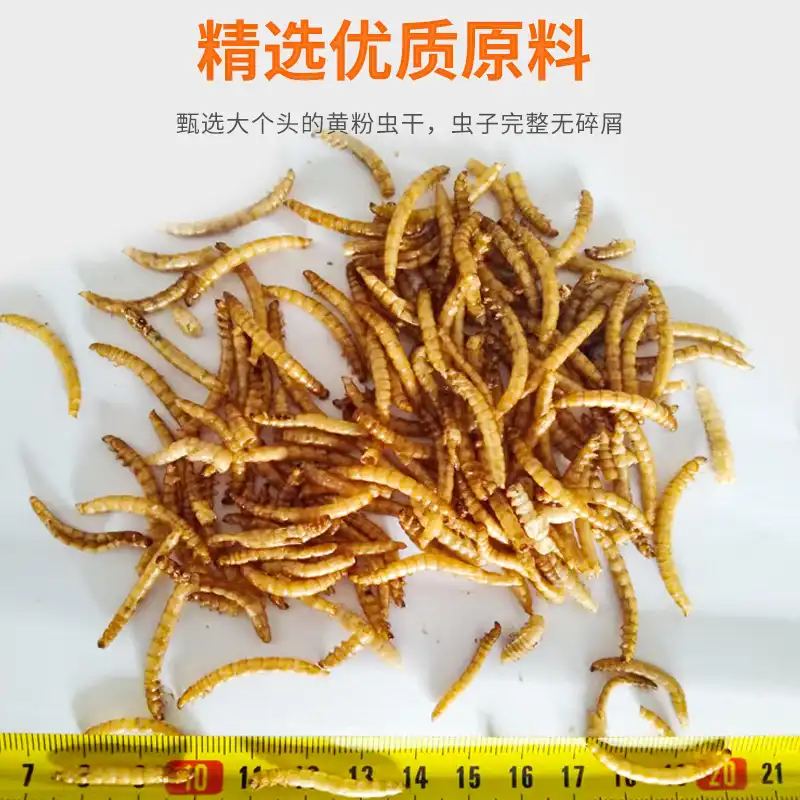
This practice isn't simply a trend; it's a fundamental shift toward sustainable, healthful meals that aid many species and solve environmental issues. This flexible item may be used as whole mealworms for fish aquariums or crushed into dog chow. Modern pet food recipes will always utilize mealworms since they are efficient to prepare without harming nutrients. Mealworm protein users will gain a competitive edge as regulations become clearer and consumer awareness grows. You can now buy mealworms since they are healthy, environmentally friendly, and profitable.
FAQ
What makes mealworms superior to traditional fish food ingredients?
Dried mealworms have as much protein as bloodworms or more, containing 50–60% protein with all essential amino acids. They can be stored at room temperature for a year. Natural components make them appealing to all fish, and the format doesn't degrade water quality like flake feeds. Unlike frozen options requiring a cold chain, dried and pelleted mealworms simplify inventory management for stores and transporters.
Can mealworm-based products meet regulatory requirements for pet food?
Pet food that fulfills EU quality standards can contain mealworms, and they hold GRAS status in the United States. Products manufactured following GMP and HACCP protocols, with documented microbial testing and nutritional analysis, readily meet regulatory requirements across major markets. Labels that disclose insect protein content ensure transparency and meet information regulations.
How do mealworms benefit pets with food sensitivities?
Mealworm protein is structurally different from common allergens like chicken, beef, and soy, making it suitable for elimination diets. Its hypoallergenic properties, combined with high digestibility, reduce gastrointestinal stress in sensitive animals. Veterinarians increasingly recommend insect protein for pets with chronic skin conditions or digestive issues associated with typical protein sources.
Partner with Yunlan for Premium Mealworms Fish Food Pellets Supply
Yunlan makes superior mealworm products using cutting-edge processing technology and decades of supply chain experience. Microwave-drying foods preserves their safety and nutritional value. We can provide whole dried mealworms or finely crushed meals for any product development. We provide scalable solutions whether you're launching a small brand or dealing with large retailers in more than 60 foreign countries as a vendor of mealworms fish food pellets backed by Ruixin Cloud Wave Group's manufacturing infrastructure. Our research and development department, with 97 domestic patents, helps clients identify market-specific recipes. Our team may discuss your needs at minghuixu6717@gmail.com. We're upfront about costs, offer flexible order sizes, and provide technical assistance that makes buying items strategic. Discover how Yunlan's quality and innovation can help your products stand out in increasingly crowded locations.
References
1. Józefiak, D., Józefiak, A., Kierończyk, B., Rawski, M., Świątkiewicz, S., Długosz, J., & Engberg, R. M. (2016). Insects – a natural nutrient source for poultry – a review. Annals of Animal Science, 16(2), 297-313.
2. Makkar, H. P., Tran, G., Heuzé, V., & Ankers, P. (2014). State-of-the-art on use of insects as animal feed. Animal Feed Science and Technology, 197, 1-33.
3. Van Huis, A., Van Itterbeeck, J., Klunder, H., Mertens, E., Halloran, A., Muir, G., & Vantomme, P. (2013). Edible insects: future prospects for food and feed security. Food and Agriculture Organization of the United Nations, Rome.
4. Rumpold, B. A., & Schlüter, O. K. (2013). Nutritional composition and safety aspects of edible insects. Molecular Nutrition & Food Research, 57(5), 802-823.
5. Oonincx, D. G., Van Itterbeeck, J., Heetkamp, M. J., Van den Brand, H., Van Loon, J. J., & Van Huis, A. (2010). An exploration on greenhouse gas and ammonia production by insect species suitable for animal or human consumption. PLoS One, 5(12), e14445.
6. Bosch, G., Zhang, S., Oonincx, D. G., & Hendriks, W. H. (2014). Protein quality of insects as potential ingredients for dog and cat foods. Journal of Nutritional Science, 3, e29.