- English
- French
- German
- Portuguese
- Spanish
- Russian
- Japanese
- Korean
- Arabic
- Irish
- Greek
- Turkish
- Italian
- Danish
- Romanian
- Indonesian
- Czech
- Afrikaans
- Swedish
- Polish
- Basque
- Catalan
- Esperanto
- Hindi
- Lao
- Albanian
- Amharic
- Armenian
- Azerbaijani
- Belarusian
- Bengali
- Bosnian
- Bulgarian
- Cebuano
- Chichewa
- Corsican
- Croatian
- Dutch
- Estonian
- Filipino
- Finnish
- Frisian
- Galician
- Georgian
- Gujarati
- Haitian
- Hausa
- Hawaiian
- Hebrew
- Hmong
- Hungarian
- Icelandic
- Igbo
- Javanese
- Kannada
- Kazakh
- Khmer
- Kurdish
- Kyrgyz
- Latin
- Latvian
- Lithuanian
- Luxembou..
- Macedonian
- Malagasy
- Malay
- Malayalam
- Maltese
- Maori
- Marathi
- Mongolian
- Burmese
- Nepali
- Norwegian
- Pashto
- Persian
- Punjabi
- Serbian
- Sesotho
- Sinhala
- Slovak
- Slovenian
- Somali
- Samoan
- Scots Gaelic
- Shona
- Sindhi
- Sundanese
- Swahili
- Tajik
- Tamil
- Telugu
- Thai
- Ukrainian
- Urdu
- Uzbek
- Vietnamese
- Welsh
- Xhosa
- Yiddish
- Yoruba
- Zulu
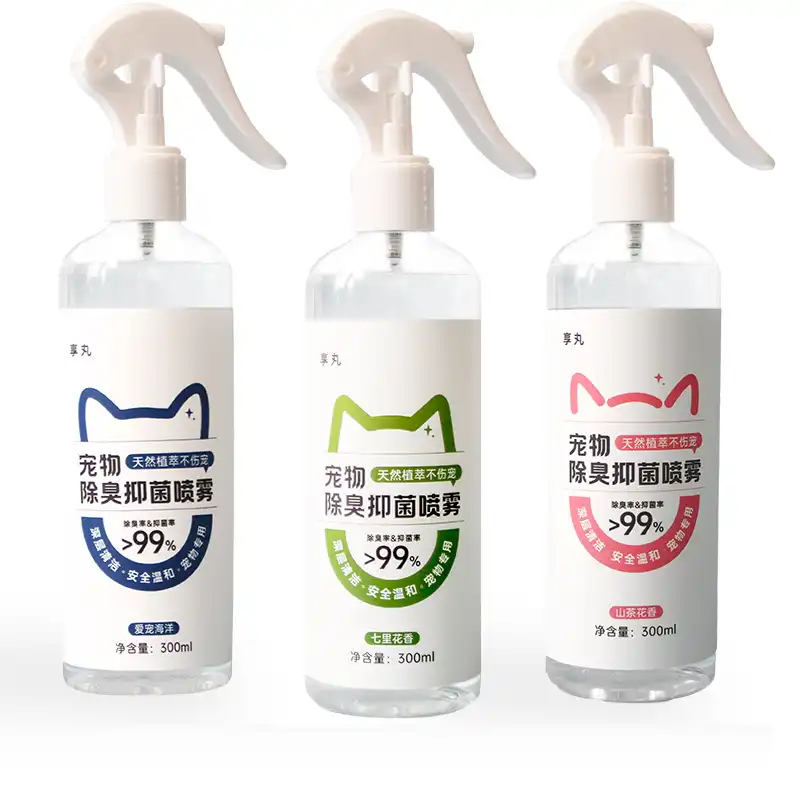
Pet hygiene is the core of family pet health management. Ordinary household disinfectants contain irritating and toxic ingredients that easily harm dogs and cats. A professional and safe pet disinfectant can effectively kill germs, viruses and fungi in living environments. It avoids pet skin irritation, respiratory damage and accidental ingestion poisoning risks. This article systematically analyzes the value, selection standards, mainstream types and procurement skills of pet-safe disinfection products to help pet owners and commercial pet institutions choose suitable solutions.
Necessity of Professional Pet Disinfectant for Pet Health
Many pet owners ignore the hidden dangers of daily household cleaning products. Common disinfectants for human use cannot adapt to the physiological characteristics of dogs and cats. Replacing them with dedicated pet disinfection products is the key to blocking pet diseases and cross-infection between humans and pets.
Hazards of Traditional Household Disinfectants to Pets
Most traditional household cleaners contain ammonia, bleach and phenol components. These chemical ingredients have strong irritation and toxicity. Dogs and cats have sensitive skin and fragile respiratory systems. They are prone to red skin, itching and respiratory discomfort after contacting residual chemicals. A qualified pet disinfectant completely abandons these harmful formulas to eliminate potential safety hazards.
Pets have a special habit of licking their fur and paws every day. Residual disinfectant on floors, toys and pet bedding will be swallowed by pets accidentally. Long-term intake of toxic chemicals will cause gastrointestinal diseases and even organ damage. This unique behavioral characteristic makes pets far more vulnerable to cleaning product hazards than humans.
In addition, harsh chemical disinfectants will destroy the microecological balance of the pet living environment. They kill beneficial bacteria while eliminating harmful bacteria. This situation reduces the pet’s natural environmental adaptability and increases the probability of repeated infections. Professional pet-specific products can avoid this one-sided disinfection defect.
Core Value of Pet-Specific Disinfection Solutions
A dedicated pet disinfectant balances safety and disinfection efficiency perfectly. It targets common pet pathogens including bacteria, fungi and zoonotic viruses. It effectively cuts off the transmission path of pet diseases and protects the physical health of dogs, cats and their owners.
Zoonotic diseases are a major hidden danger of family pet breeding. Many germs carried by pets can spread to humans through contact. Regular use of pet-safe disinfectants can significantly reduce the risk of cross-infection between humans and pets. This is an indispensable part of daily pet health management.
Veterinary institutions have long recommended targeted pet disinfection products. These professional products are developed according to pet physiological habits. They will not cause adverse reactions such as skin allergies and mental irritability. They are suitable for long-term repeated use in family and commercial pet scenarios.
Scientific Selection Criteria for High-Quality Pet Disinfectant
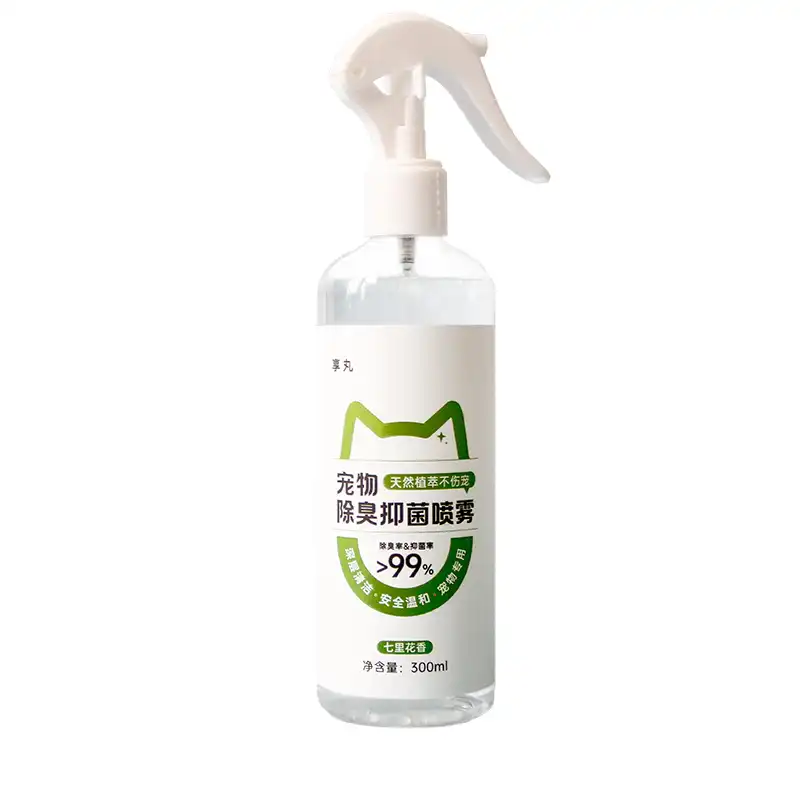
After understanding the importance of dedicated pet disinfection products, it is necessary to master standardized selection methods. Many products on the market exaggerate disinfection effects or have hidden safety risks. The following multi-dimensional standards can help users screen reliable pet disinfectant products accurately.
Absolute Safety of Ingredients and Formulas
Safety is the primary evaluation index for a qualified pet disinfectant. High-quality products must achieve zero toxicity in skin contact, inhalation and accidental ingestion. They must completely exclude harmful ingredients such as bleach, heavy metals and synthetic irritating agents.
Premium pet disinfection formulas mostly adopt hypochlorous acid, natural plant extracts and enzymatic active ingredients. These ingredients are consistent with pet physiological tolerance characteristics. They will not damage the pet’s skin barrier and respiratory mucosa during long-term use.
Formal products will clearly mark all ingredient compositions and detailed usage instructions. They will pass professional safety tests and certification. Unqualified products often have vague ingredient labels and lack safety verification, which brings long-term hidden dangers to pet health.
Stable Disinfection and Decontamination Effect
Safety cannot be traded off at the cost of disinfection efficiency. Excellent pet disinfectant can effectively kill common pathogenic microorganisms such as E. coli, staphylococcus, pet ringworm fungi and parvovirus. It ensures a sterile and healthy living environment for pets.
Different from single-function household cleaners, professional pet disinfection products have targeted decontamination and odor removal capabilities. They can decompose organic pollutants such as pet urine, feces and vomit. They solve the problem of residual odor and bacterial reproduction fundamentally.
High-standard products have stable pH values and will not fail due to environmental temperature and humidity changes. They maintain lasting antibacterial and disinfection effects after use. They avoid the problem of repeated bacterial growth caused by incomplete disinfection.
Scene Adaptability and Cost Performance
A practical pet disinfectant supports multi-scene and multi-surface use. It can be safely applied to pet floors, furniture, plush toys, bedding and feeding utensils. It does not damage furniture materials and does not leave stubborn residues.
Products with fast-drying and non-residual characteristics are more suitable for daily pet life. They will not hinder pet activities and avoid secondary pollution caused by wet surfaces. They greatly improve the convenience of daily disinfection work.
Cost performance does not mean low price. High-quality concentrated formulas and bulk-packaged pet disinfectant have lower long-term use costs. They meet the frequent disinfection needs of families, pet shops and veterinary hospitals while ensuring quality.
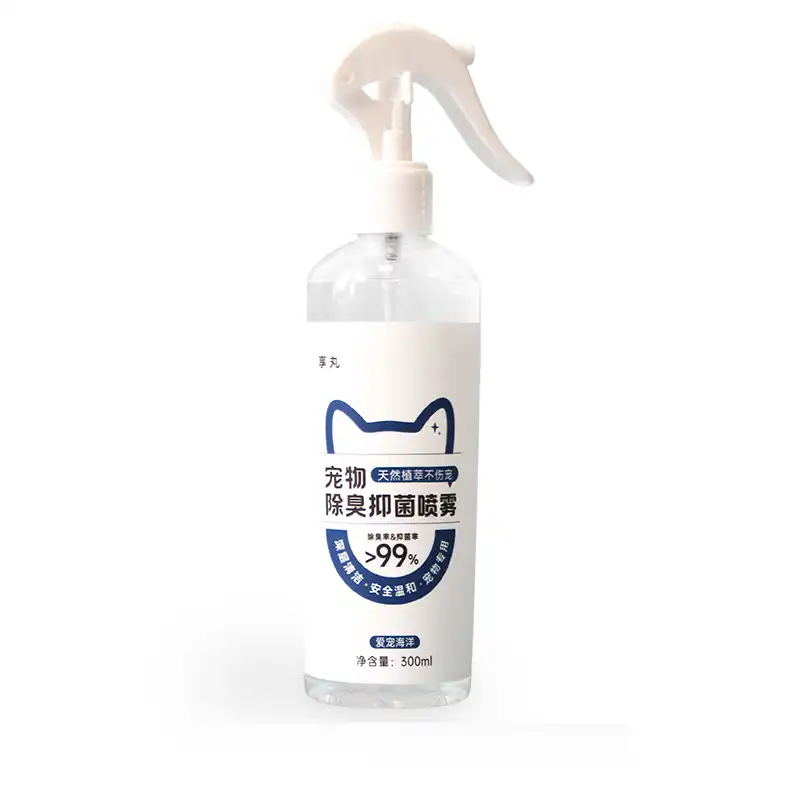
Mainstream Safe and Efficient Pet Disinfectant Types
Combining market mainstream formulas and veterinary professional verification, there are three types of pet disinfection products with the best comprehensive performance. Each type has unique advantages and applicable scenarios. Users can choose according to actual breeding and use needs.
Hypochlorous Acid Based Pet Disinfectant
Hypochlorous acid formula is recognized as the safest and most efficient pet disinfectant in the pet industry. Its active ingredients are similar to the antibacterial substances produced by human and animal white blood cells. It has natural biological safety.
This type of product has a broad-spectrum bactericidal effect. It can quickly kill bacteria, viruses, fungi and spores on pet contact surfaces. It has no pungent smell and no toxic byproducts. It is widely used in professional veterinary clinics and high-standard pet breeding places.
The neutral pH formula will not irritate pet skin and respiratory tract. It can be used for daily environmental disinfection and pet body surface local cleaning. The product has stable performance and long shelf life, which is very suitable for long-term daily use.
Enzymatic Pet Decontamination and Disinfectant
Enzymatic cleaning and disinfection products use natural biological protease ingredients. This type of pet disinfectant focuses on decomposing organic dirt that is easy to breed bacteria. It solves pet peculiar smell and bacterial pollution from the source.
Different from traditional odor-masking products, enzymatic formulas can decompose urine, feces and vomit pollutants at the molecular level. It continuously inhibits bacterial reproduction after use. It thoroughly eradicates pet peculiar smell and avoids repeated odor recurrence.
The whole biological cleaning process does not rely on chemical irritants. It is safe and environmentally friendly. It is very suitable for families with young pets, pregnant pets and sensitive pet breeds. It has no adverse impact on pet health.
Plant-Based Natural Antibacterial Disinfectant
Plant-based pet disinfectant extracts natural antibacterial ingredients such as tea tree oil, thyme extract and citrus essence. It relies on natural plant activity to inhibit harmful bacteria. It features green safety and mild properties.
Most of these products are concentrated formulas. Users can adjust the dilution ratio according to pollution degrees. They can be matched with high-concentration use for heavy pollution areas and mild dilution for daily disinfection. The use flexibility is extremely high.
Natural plant essences have faint natural fragrance. They cover pet odor naturally without synthetic chemical fragrance. They will not stimulate pets’ sensitive sense of smell. They are favored by users who pursue green and healthy pet raising.
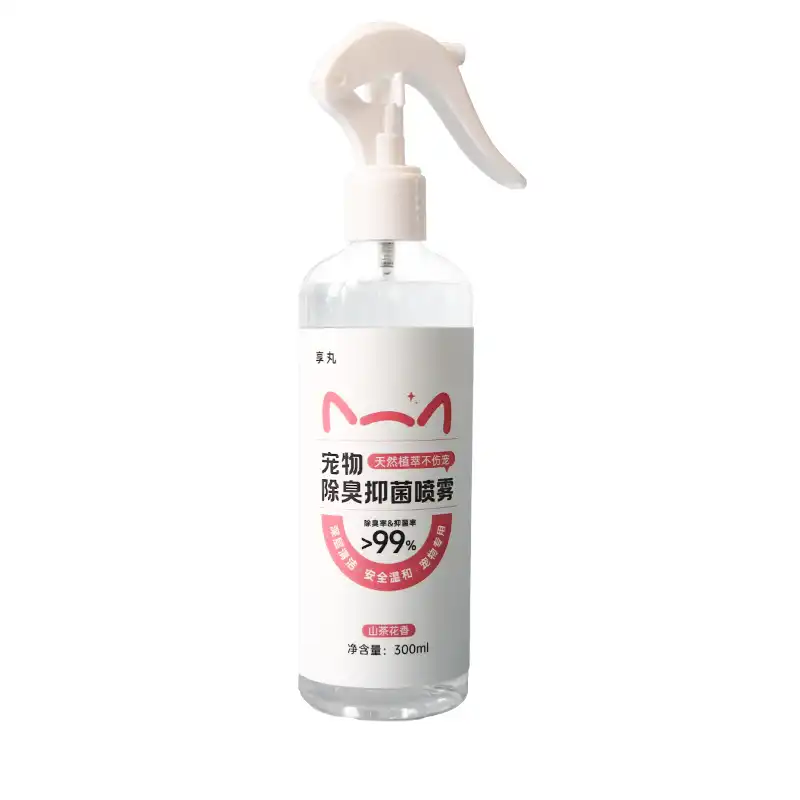
FAQs
Q1: What core standards make a disinfectant safe for dogs and cats?
A: A qualified pet disinfectant must abandon toxic and irritating ingredients such as bleach, ammonia and phenol. It adopts hypochlorous acid, enzyme or plant-based safe formulas. It passes professional animal safety tests, and no poisoning or irritation risk occurs in cases of skin contact, inhalation and accidental ingestion by pets.
Q2: How often should I disinfect pet living areas?
A: Daily active areas such as pet floors and activity mats need daily light disinfection. Pet toys, bedding and nest supplies are disinfected once a week. For sick pets or multi-pet breeding environments, increase the disinfection frequency appropriately to avoid cross-infection.
Q3: Can human household disinfectants replace pet-specific products?
A: It is not recommended. Human disinfectants pursue high sterilization efficiency and add a variety of chemical irritants. These ingredients cannot resist pet licking and contact habits. Long-term use will cause chronic damage to pet skin and respiratory system. Only dedicated pet disinfectant can balance safety and disinfection effect.
Q4: How to store pet disinfectant correctly?
A: Most pet disinfection products need to be stored in a cool, dry and dark environment. Avoid high temperature and direct sunlight to prevent ingredient failure. Keep them out of reach of pets and children to avoid accidental knocking over and misuse.
Scientific Purchasing and Use Strategies
For family users, priority should be given to mild and multi-scene universal pet disinfectant. Choose spray or small-capacity concentrated products to meet daily disinfection needs. Avoid buying high irritability single-function products.
For commercial scenarios such as pet shops and veterinary hospitals, select high-efficiency and high-purity bulk products. Match standardized dilution and use processes. Cooperate with staff training to ensure uniform disinfection standards and stable environmental hygiene.
When purchasing, focus on product qualification certificates, antibacterial test reports and environmental certification. Prioritize products with complete qualifications and traceable quality. Avoid cheap unqualified products with incomplete ingredient labels.
Conclusion
Safe and efficient pet disinfectant is an essential product for modern scientific pet raising. Different from traditional human disinfectants, professional pet-specific formulas take pet physiological habits and safety needs as the core. It achieves efficient sterilization, decontamination and odor removal while protecting the physical health of dogs and cats.
Users need to select suitable products according to breeding scenarios, pet physical conditions and product safety standards. Standardize daily disinfection operations to build a sterile, safe and comfortable living environment for pets. It effectively reduces pet disease incidence and realizes healthy interaction between humans and pets.
Get Premium Pet Disinfectant Solutions
If you need high-quality, pet-safe disinfectant products for family pet raising, pet shop operation or veterinary hospital hygiene management, our professional team provides one-stop customized disinfection solutions. Our pet disinfectant adopts hypochlorous acid and natural plant safe formulas, with complete qualifications and stable effects.
-
Apply for free product samples to test safety and disinfection effect
-
Obtain exclusive wholesale quotations for bulk institutional purchases
-
Get professional pet scene disinfection guidance and usage tutorials
-
Receive complete product qualification and test report documents
-
Enjoy long-term stable supply and customized packaging services
Contact our professional customer service team at minghuixu6717@gmail.com anytime to customize your exclusive pet hygiene solution and protect the health of your dogs and cats comprehensively.
References
-
Thompson, J.K., & Martinez, L.R. (2023). Antimicrobial Efficacy of Hypochlorous Acid in Veterinary Environmental Disinfection. Journal of Veterinary Hospital Management, 45(3), 178-195.
-
Chen, S.M., Rodriguez, P.A., & Wilson, D.T. (2024). Comparative Safety Analysis of Pet-Safe Disinfectants in Multi-Animal Environments. International Pet Care Research Quarterly, 12(2), 89-107.
-
Anderson, K.L., & Foster, M.J. (2023). Plant-Based Antimicrobial Compounds: Applications in Pet Care Facility Sanitation. Natural Pet Product Science Review, 8(4), 234-251.
-
Liu, X.W., & Parker, R.S. (2024). Enzymatic Cleaning Systems for Pet-Related Biological Contamination Control. Pet Facility Management Today, 31(1), 45-62.
-
Davis, A.R., Kim, H.J., & Brown, T.L. (2023). Global Regulatory Standards for Pet-Safe Disinfection Products: A Comprehensive Review. International Animal Health Regulations Journal, 19(6), 312-329.
-
Williams, C.P., & Zhang, Y.F. (2024). Economic Analysis of Pet Disinfectant Selection in Commercial Veterinary Practice. Veterinary Business Management Review, 27(3), 156-173.