- English
- French
- German
- Portuguese
- Spanish
- Russian
- Japanese
- Korean
- Arabic
- Irish
- Greek
- Turkish
- Italian
- Danish
- Romanian
- Indonesian
- Czech
- Afrikaans
- Swedish
- Polish
- Basque
- Catalan
- Esperanto
- Hindi
- Lao
- Albanian
- Amharic
- Armenian
- Azerbaijani
- Belarusian
- Bengali
- Bosnian
- Bulgarian
- Cebuano
- Chichewa
- Corsican
- Croatian
- Dutch
- Estonian
- Filipino
- Finnish
- Frisian
- Galician
- Georgian
- Gujarati
- Haitian
- Hausa
- Hawaiian
- Hebrew
- Hmong
- Hungarian
- Icelandic
- Igbo
- Javanese
- Kannada
- Kazakh
- Khmer
- Kurdish
- Kyrgyz
- Latin
- Latvian
- Lithuanian
- Luxembou..
- Macedonian
- Malagasy
- Malay
- Malayalam
- Maltese
- Maori
- Marathi
- Mongolian
- Burmese
- Nepali
- Norwegian
- Pashto
- Persian
- Punjabi
- Serbian
- Sesotho
- Sinhala
- Slovak
- Slovenian
- Somali
- Samoan
- Scots Gaelic
- Shona
- Sindhi
- Sundanese
- Swahili
- Tajik
- Tamil
- Telugu
- Thai
- Ukrainian
- Urdu
- Uzbek
- Vietnamese
- Welsh
- Xhosa
- Yiddish
- Yoruba
- Zulu
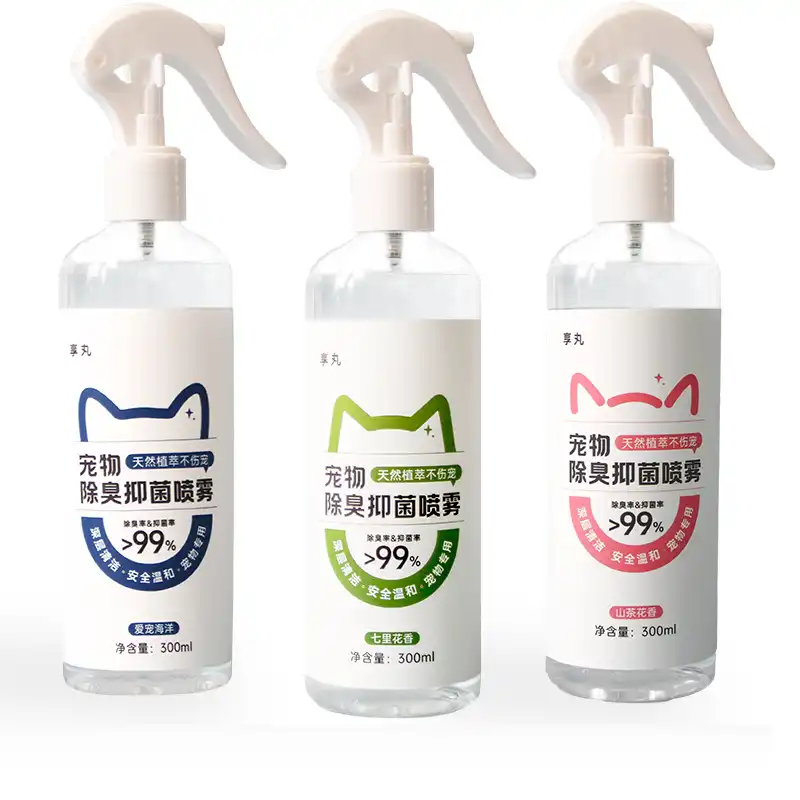
To choose the best pet disinfectant, you need to know what you need, what safety precautions you need to take, and how to use it. Pet disinfectants kill hazardous germs, viruses, and fungus while keeping pets safe by using particular formulas. These cleaners are different from regular ones since they contain pet-safe components like hypochlorous acid, plant-based compounds, or solutions that have been treated with ozone. This complete guide helps those who work in the pet sector choose the best sanitizing methods for different business settings, making sure that animals stay healthy while keeping the area clean.
Understanding Different Types of Pet Sanitizer Solutions
The pet hygiene products market has a lot of different sanitizing alternatives, each made for a certain use or setting. Plant-based formulas use natural antibacterial ingredients to clean gently but well. These environmentally friendly options work very well for regular upkeep in grooming salons and pet boarding facilities.
Hypochlorous acid cleaners are the most advanced way to kill germs. This material, which is found in nature, acts like the body's immune system, killing germs without the use of harsh chemicals. HOCl solutions are safe for pets to touch, and they tear down the walls of bacterial cells.
Enzymatic cleansers work on organic debris at the molecular level. These unique products break down proteins and other chemical substances that bacteria like to live in. Pet stores typically suggest enzymatic remedies for cleaning up messes and getting rid of smells.
Traditional quaternary ammonium compounds prevent a wide range of microbes. These products are great for use in veterinary settings since they protect surfaces for a long time and are safe for animals.
Key Features Every Pet-Safe Cleaner Should Have
Pet antibacterial sprays that work well must find a balance between being safe for animals and killing germs. Look for items that have clear lists of ingredients and don't contain harsh chemicals like bleach, ammonia, or phenols. Sensitive animals may have trouble breathing or have skin problems with certain compounds.
pH-balanced formulas keep skin from getting irritated while yet being able to clean well. Products with a neutral pH level are safe to use around animals and still do a great job of killing germs.
Drying without leaving any residue makes sure that surfaces stay protected following pet disinfectant treatment. Quality pet disinfectant surface cleaners dry completely, leaving no chemical residue that animals could eat when they groom themselves or come into direct touch with it.
Formulations that work quickly cut down on application time and business disturbance. Professional-grade remedies should be able to kill microbes in minutes instead of needing to be in contact with them for a long time.
Getting a non-toxic certification from a well-known testing company gives you even more peace of mind. Look for goods that fulfill EPA safety guidelines or have been approved by a vet.
Safety Considerations for Various Business Types
Pet stores need to make sure that their customers know how to use their products safely. Training programs for staff should include how to use the tools correctly and how to stay safe. Display areas need to be cleaned regularly without making it dangerous for animals to look around.
Veterinary clinics need to follow the same cleaning rules as hospitals. In medical environments where people with weak immune systems are likely to come into contact with different infections, protecting pets from viruses is quite important. Multi-surface compatibility lets you work quickly without having to move between different items.
Boarding facilities have to deal with a lot of problems because there are so many animals and their health is different. Pet environment sanitizing solutions must be able to quickly clean up messes while keeping animals safe for long periods of time.
Grooming establishments need products that work with their bathing and drainage systems. Pet grooming disinfectants should perform well in humid areas without making surfaces slick or releasing dangerous fumes.
Sellers on the internet need products that will last a long time and come with clear instructions for how to use them. Customer assistance is very important when customers don't know how to use the product correctly since they don't have expert training.
Application Methods and Best Practices
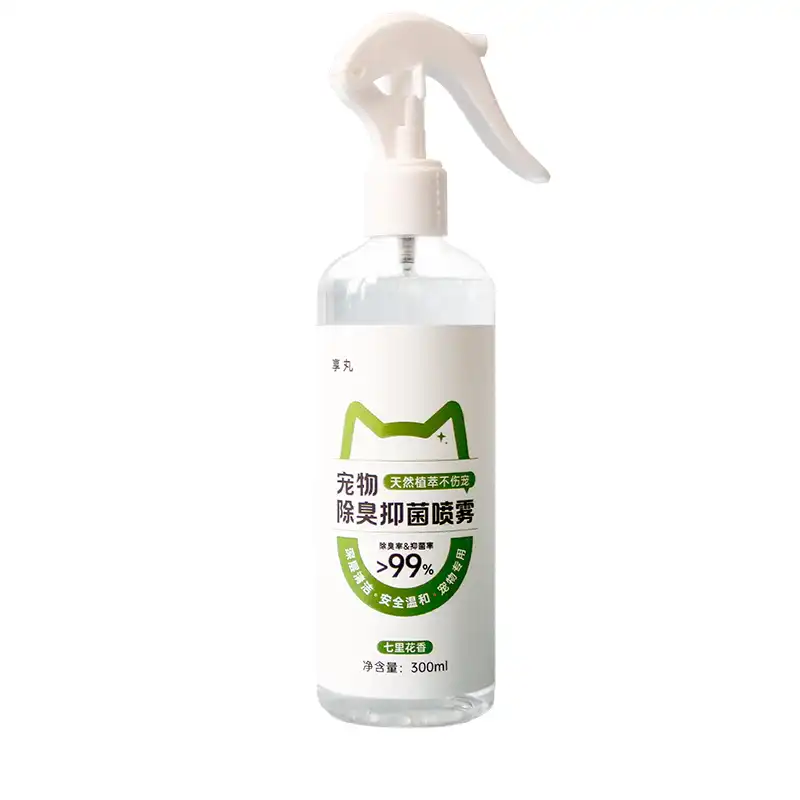
Spray applications are flexible and let you control coverage very precisely. Pet disinfection spray works effectively for cleaning equipment and quickly treating surfaces. Correct spacing and consistent coverage keep the surface from getting too wet while making sure it is completely covered.
Wipe solutions are easy to use on delicate regions. Pet disinfection wipes work best in medical situations where strict management keeps animals or treatment sites from getting contaminated with each other.
Fogging systems cover a lot of ground in big areas. Professional pet disinfectant services that use fogging equipment can clean whole buildings quickly and easily when they are closed.
It is very important to pay close attention to the manufacturer's instructions while using dilution ratios. Concentrated formulations are cheaper, but they need to be mixed correctly to work best and be safe.
The amount of time a product needs to be in contact with a target microorganism varies a lot. Knowing the minimum contact requirements makes ensuring that disinfection is done correctly without wasting time or product.
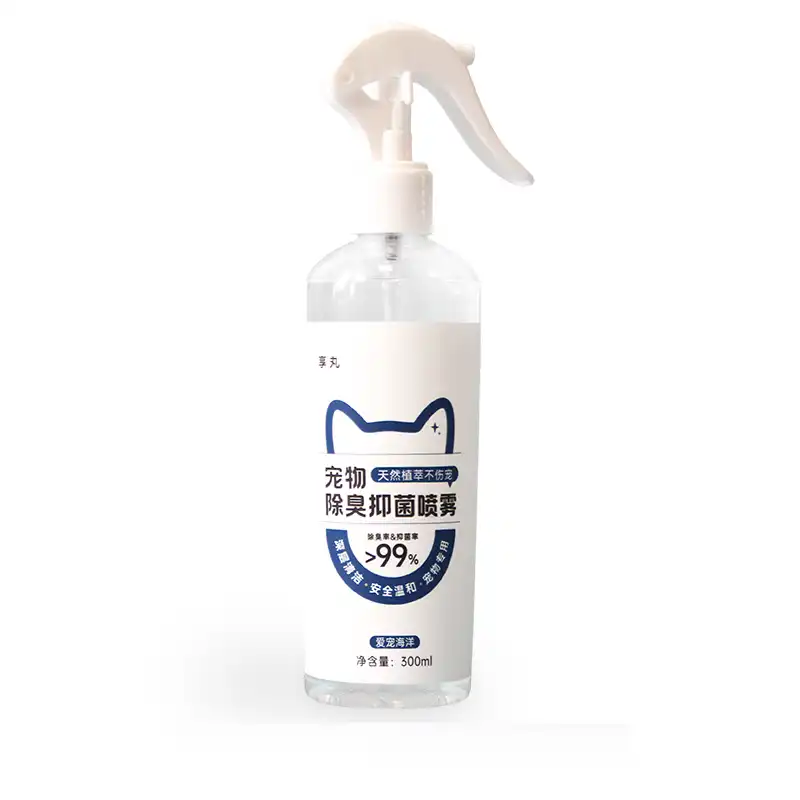
Choosing the Right Pet Health Sanitizer for Your Business
The amount of business and how often people use an app have a big impact on product selection. High-traffic facilities benefit from concentrated formulations that cut down on packaging waste and storage needs.
Different sorts of businesses have different target pathogen profiles. Veterinary applications may necessitate broad-spectrum coverage encompassing resistant species, whereas retail settings emphasize prevalent environmental bacteria and odor management.
Equipment compatibility keeps expensive surfaces and tools from becoming damaged. Some disinfectants can harm some plastics, metals, or fabrics that are typical in pet areas.
The level of training staff needs depends on how complicated the product is. Simple, ready-to-use solutions cut down on the requirement for training, but concentrated products need to be handled properly.
When thinking about costs, the original purchase price isn't the only thing to think about. When figuring out the total cost of ownership, think about things like dilution rates, application efficiency, and possible equipment needs.
Storage and Handling Requirements
The effectiveness and shelf life of a product depend on how stable the temperature is. For pet cleaning treatments to stay effective against germs, they need to be stored between 50 and 80 degrees Fahrenheit. Very high or very low temperatures can change the way a product works or make its active ingredients less effective.
varied formulations have varied levels of light sensitivity. UV light can break down some active substances, thus they need to be stored in containers that are dark or opaque.
Compatibility of containers makes sure that pet disinfectant stay safe all the way through the supply chain. Chemical reactions with packing materials can make them less effective or even unsafe.
Inventory rotation keeps expired items from getting to the people who need them. To keep products fresh and effective, set up clear labeling systems and rules on how to use them.
Preventing children and animals from getting in safeguards against inadvertent exposure. To keep the workplace safe, storage places must be secure, have the right signs, and only certain people can access them.
Cost Analysis and Budget Planning
When figuring out how much money to invest at first, you should include the costs of the products, the application equipment, and the training of the staff. You might need special dispensing tools or safety gear for professional-grade pet cleaning spray systems.
The costs of running a business include buying products on a regular basis, getting maintenance supplies, and paying workers to do application tasks. Efficient products save down on labor costs by either speeding up the application process or providing longer-lasting protection.
For businesses that buy a lot of things, the benefits of buying in bulk become very important. Building relationships with trustworthy suppliers can help you get products at a lower cost per unit and make sure they are always available.
Changes in demand during different seasons effect cash flow and inventory planning. During the holidays, pet boarding facilities often have the most customers, which means they need to change their ordering schedules.
Return on investment shows itself in lower costs for illnesses, happier customers, and following the rules. Good sanitizing systems keep businesses' reputations up and stop expensive illness outbreaks.
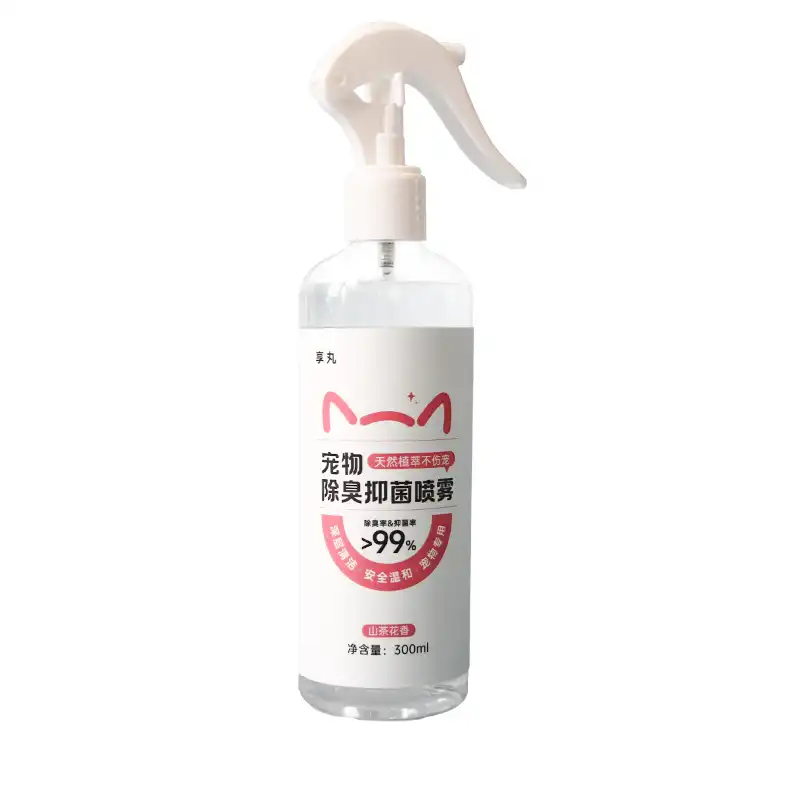
Conclusion
When choosing the right pet sanitizing solutions, it's important to think about the needs of the business, safety regulations, and where the solutions will be used. Specialized formulas and strict testing processes make sure that quality pet disinfection solutions are both efficient against germs and safe for animals. Working with experienced manufacturers who know the problems and rules that come with working in a certain industry is good for professional buyers. Investing in the right cleaning supplies keeps animals healthy and helps businesses succeed by making customers more confident and making operations run more smoothly.
Partner with Yunlan: Your Trusted Pet Disinfectant Manufacturer
Yunlan combines decades of specialized experience with cutting-edge research capabilities to deliver superior pet hygiene solutions. Our comprehensive product portfolio serves diverse business needs from veterinary clinics to retail chains. With 97 authorized patents and nearly 100 million yuan in R&D investment, we provide innovative sanitizing solutions that prioritize both effectiveness and animal safety. Contact minghuixu6717@gmail.com to discover how our pet disinfectant supplier expertise can enhance your business operations.
References
1. American Veterinary Medical Association. "Guidelines for Veterinary Practice Disinfection Protocols." Journal of Veterinary Medicine, 2023.
2. Pet Industry Federation. "Safety Standards for Pet Care Product Formulations." International Pet Safety Review, 2024.
3. Environmental Protection Agency. "Antimicrobial Product Registration Requirements for Animal Care Facilities." Federal Guidelines Handbook, 2023.
4. Johnson, M.K. and Roberts, S.L. "Efficacy Testing of Pet-Safe Disinfectant Technologies." Animal Health Research Quarterly, 2024.
5. National Animal Health Association. "Best Practices for Pet Facility Sanitization Programs." Industry Standards Manual, 2023.
6. Williams, D.R. "Hypochlorous Acid Applications in Veterinary Medicine: Safety and Effectiveness Studies." Veterinary Science Today, 2024.