- English
- French
- German
- Portuguese
- Spanish
- Russian
- Japanese
- Korean
- Arabic
- Irish
- Greek
- Turkish
- Italian
- Danish
- Romanian
- Indonesian
- Czech
- Afrikaans
- Swedish
- Polish
- Basque
- Catalan
- Esperanto
- Hindi
- Lao
- Albanian
- Amharic
- Armenian
- Azerbaijani
- Belarusian
- Bengali
- Bosnian
- Bulgarian
- Cebuano
- Chichewa
- Corsican
- Croatian
- Dutch
- Estonian
- Filipino
- Finnish
- Frisian
- Galician
- Georgian
- Gujarati
- Haitian
- Hausa
- Hawaiian
- Hebrew
- Hmong
- Hungarian
- Icelandic
- Igbo
- Javanese
- Kannada
- Kazakh
- Khmer
- Kurdish
- Kyrgyz
- Latin
- Latvian
- Lithuanian
- Luxembou..
- Macedonian
- Malagasy
- Malay
- Malayalam
- Maltese
- Maori
- Marathi
- Mongolian
- Burmese
- Nepali
- Norwegian
- Pashto
- Persian
- Punjabi
- Serbian
- Sesotho
- Sinhala
- Slovak
- Slovenian
- Somali
- Samoan
- Scots Gaelic
- Shona
- Sindhi
- Sundanese
- Swahili
- Tajik
- Tamil
- Telugu
- Thai
- Ukrainian
- Urdu
- Uzbek
- Vietnamese
- Welsh
- Xhosa
- Yiddish
- Yoruba
- Zulu
Black soldier fly larvae for fish serve as a practical, high‑quality feed raw material for modern aquaculture. Many fish farmers use this insect‑based protein source to support fish growth, cut feed costs and lower environmental pressure. From small‑scale fish ponds to large commercial fish farms, these insect larvae bring tangible value to daily breeding work. This article breaks down its core value, procurement guidance and real‑world application effects for aquaculture practitioners.

Advantages of Black Soldier Fly Larvae for Fish in Aquaculture Feeds
Feed nutrition, environmental performance and breeding economic returns decide whether a new raw material can be widely adopted in fish farming. BSFL stand out on these key dimensions. The following sections unpack nutrition features, environmental strengths and real‑world cost benefits for fish producers.
Balanced Nutrition Supports Stable Fish Growth and Immunity
Black soldier fly larvae for fish deliver well‑rounded nutrition for most farmed aquatic species. The larvae contain rich protein, natural fat, essential amino acids and multiple trace elements. These nutrients work together to sustain fish muscle development and strengthen their basic immune response. Proper processing locks in these natural nutrients. Microwave drying technology removes harmful pathogens without heavy nutrient loss. Finished BSFL normally reach 40 percent protein content. This nutrition level meets the basic growth needs of tilapia, carp and many other farmed fish. Fish fed with this insect protein source show good feed digestibility. High digestibility means fish absorb more nutrition from each feeding. It reduces waste output and helps fish reach target weight within expected breeding cycles. Farmers do not need to add extra complex nutritional supplements under normal feeding schemes.
Environmental Benefits Compared With Traditional Aquaculture Feed
Aquaculture faces growing pressure to reduce resource consumption. Black soldier fly larvae for fish offer a circular economy solution for fish farms. BSFL can convert organic waste into high‑value protein resources. This process lowers waste landfill volume and reduces reliance on wild fish resources used to produce traditional fishmeal. The whole production chain generates relatively low carbon emissions. Traditional fishmeal production consumes large amounts of wild marine fish stock. Overfishing risk and unstable raw material supply always trouble large‑scale aquaculture. This insect feed material relies on controllable insect breeding instead of ocean capture. It eases the burden on marine ecosystems and gives farms a more sustainable feed option for long‑term operation.
Practical Cost Advantages for Fish Farms of Different Scales
Many farmers care about the real economic performance of black soldier fly larvae for fish. Short‑term raw material price may cause concern, but long‑term farm operation tells a clearer story. BSFL bring good feed conversion performance. Fish turn feed into body weight more efficiently. This cuts total feed consumption for the same breeding cycle. Farm operators can see real savings on feed expenditure. Stable supply of the larvae helps farms avoid violent price swings of conventional fishmeal. Farmers can make more predictable budget plans for breeding seasons. Better fish survival rate and more stable growth further lift overall farm revenue. Both small pond operators and large aquaculture enterprises can gain economic benefits after reasonable formula adjustment.

Practical Guidance to Source Qualified Black Soldier Fly Larvae for Fish
Good product performance can only take effect when farmers source qualified raw materials. Unqualified BSFL may bring safety risks and weaken breeding outcomes. Below covers supplier evaluation standards and practical purchasing tips for aquaculture buyers.
Key Standards to Evaluate Reliable Feed Suppliers
When purchasing black soldier fly larvae for fish, buyers need to check supplier qualification and production capacity first. Formal factories should hold valid food and feed related certification such as ISO22000, BRC and IFS. These documents prove the factory follows standardized production and quality control rules. Buyers should ask suppliers to provide batch test reports. Test reports show real protein index, microbial safety status and heavy metal inspection results of BSFL. Trustworthy suppliers keep transparent records for raw material substrate sources, production workflows and batch tracking. Production scale also matters. Large‑volume aquaculture projects need suppliers with stable mass production capacity. Small‑scale fish farmers can focus on product stability and small‑batch delivery ability. Avoid partners who cannot provide clear quality inspection documents for this insect‑derived feed material.
Bulk Purchasing and Inventory Management Tips
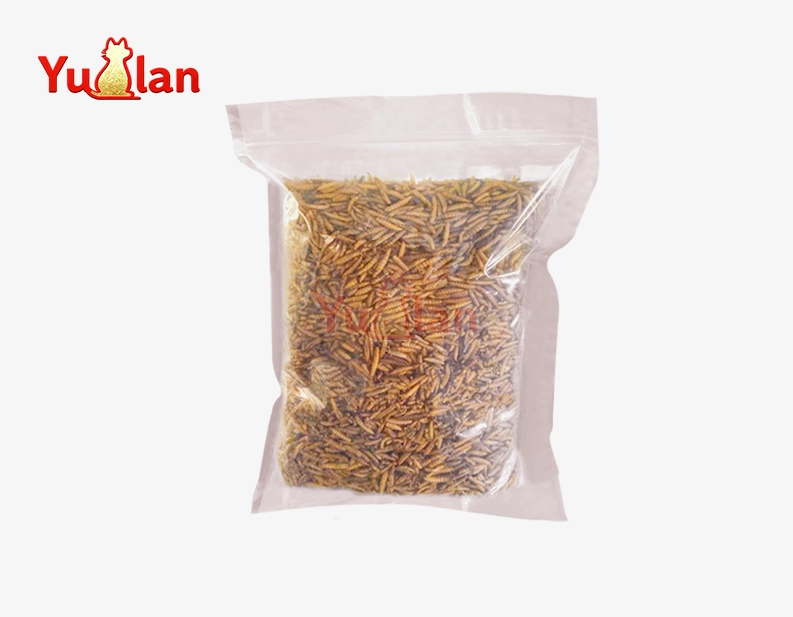
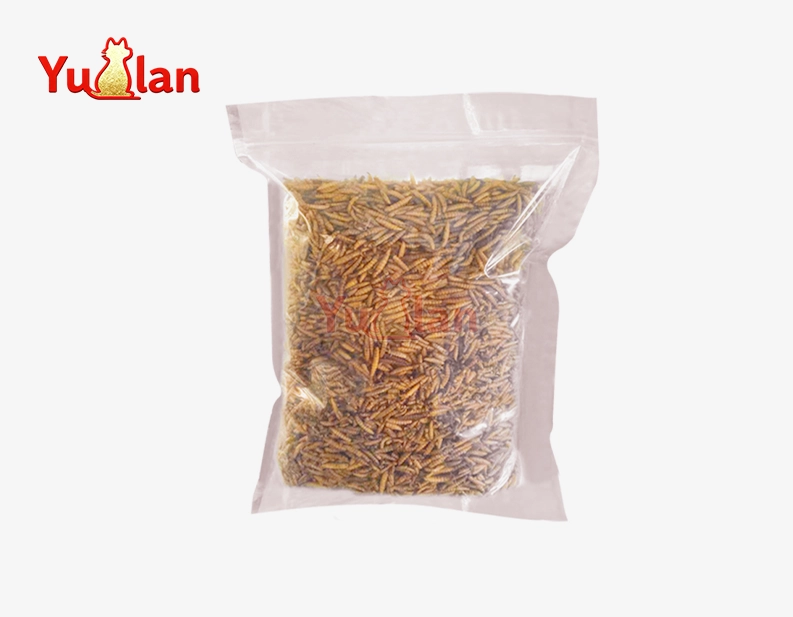
Buyers can select different product forms of black soldier fly larvae for fish according to actual breeding demands. Live larvae can be used directly for feeding. Dried BSFL support longer‑time storage and more convenient transportation. Bulk purchasing can reduce unit cost for regular large‑scale users. Before signing cooperation contracts, buyers should confirm delivery cycle, quality acceptance standard and contingency plan for supply delay. Good inventory management balances purchase cost, storage condition and product freshness. Dried larvae need dry and cool storage environment to prevent mold. Plan purchase volume based on fish consumption speed. Avoid overstock that causes raw material deterioration and economic loss.

Field Application and Practical Limits of Black Soldier Fly Larvae for Fish
Many aquaculture institutions and commercial farms have carried out real tests on BSFL. Positive results appear in many cases, while users also need to understand its practical usage limits for scientific application.
Real‑World Application Performance in Aquaculture Projects
Multiple practical breeding trials prove the application value of black soldier fly larvae for fish. Under reasonable feed formula, fish show improved feed conversion efficiency and enhanced disease resistance. Fish maintain steady growth speed without extra artificial growth‑promoting additives. Different fish species show different adaptation degrees to these insect larvae. Tilapia, common carp and many omnivorous fish perform well with insect‑based feed. Many Southeast Asian tilapia farms adopt BSFL in feed formula and obtain improved survival rate under complex water environment. It is worth noting that growth improvement degree relates to feed mixing ratio, water quality and daily management. No raw material can offset losses caused by poor water environment or improper daily feeding management.
Objective Usage Restrictions for Farmers to Notice
Black soldier fly larvae for fish is an excellent protein source, but it cannot fully replace fishmeal under all farming conditions. Different fish species have unique nutritional requirements. Some carnivorous fish still need partial fishmeal in feed formula. Farmers need to finish gradual feed transition. Do not complete formula replacement in one day. Slow proportion adjustment lets fish adapt to BSFL and keeps stable feeding appetite. Storage risk deserves attention. Improper storage of dried larvae will trigger mold and microbial spoilage. Bad raw material will harm fish health. Every batch should get simple appearance inspection before feeding work.
Conclusion
Black soldier fly larvae for fish represent a promising insect‑based feed solution for modern sustainable aquaculture. It brings balanced nutrition, relatively low environmental footprint and observable economic benefits for fish farms. It helps aquaculture balance breeding output and environmental protection goals. Farmers should not treat BSFL as an all‑in‑one solution. They need to combine fish species characteristics, farm conditions and supplier quality to set proper feed mixing proportion. Standard supplier screening, scientific purchasing and correct storage are essential steps to give full play to its value. With standardized production and rational application, this insect protein feed will keep playing an important role in the future development of global aquaculture industry.
FAQs
Q1: Can black soldier fly larvae for fish completely replace traditional fishmeal for all fish species?
A1: BSFL can replace part of fishmeal in most aquaculture scenarios. It has high protein content and balanced amino acid composition. But complete replacement is not suitable for every fish. Some carnivorous fish still need fishmeal in feed. Farmers should adjust mixing ratio step by step according to fish variety and breeding stage, and refer to real test data to get ideal feeding outcomes.
Q2: What core environmental advantages do black soldier fly larvae for fish have compared with traditional fish feed?
A2: These insect larvae can turn organic waste into usable protein. It reduces waste disposal pressure and cuts dependence on wild fish captured for fishmeal production. Its production process brings lower carbon emission. It supports circular aquaculture development and reduces damage to marine fishery resources.
Q3: How do I judge whether a supplier provides qualified black soldier fly larvae for fish?
A3: First check formal certification documents including ISO22000, BRC and IFS. Ask suppliers to provide batch product test reports. Confirm they own complete batch tracking and quality control workflows. You can learn about their actual production capacity. When possible, learn about feedback from other aquaculture buyers who use BSFL.
Partner With Yunlanpets for Premium Black Soldier Fly Larvae for Fish Solutions
If you want to source stable, high‑quality black soldier fly larvae for fish for your aquaculture business, Yunlanpets can provide professional feed raw material solutions. Our production facility adopts mature microwave drying technology to keep stable nutrition index and microbial safety for each batch of BSFL. Our team accumulates rich experience in pet and aquaculture‑related supply chain management. We keep investing in product research and development to optimize insect‑based feed raw materials. We support bulk order cooperation for fish farms of different sizes. If you want to know product parameters, sample application and bulk order quotation, please visit yunlanpets.com. You can send email to minghuixu6717@gmail.com for business consultation. Our team will reply to your aquaculture feed‑related questions as soon as possible.
References
1. Gasco, L., & Finke, M. D. (2021). Black soldier fly larvae as alternative protein source for aquafeeds: A review. Aquaculture Nutrition, 27(3), 897‑914.
2. Barroso, F. G., de Haro, C., Sánchez‑Muros, M. J., & Barros, A. (2014). The potential of insects as food and feed in animal production. Journal of Animal Science and Biotechnology, 5(1), 53.
3. Magalhães, R., Sánchez‑López, A., Leal, R., & Oliva‑Teles, A. (2017). Black soldier fly (Hermetia illucens) meal as fishmeal substitute in diets for European sea bass juveniles. Aquaculture, 479, 310‑317.
4. Rojas, R., & Van Huis, A. (2020). Environmental performance of black soldier fly larvae production for feed purposes. Journal of Cleaner Production, 263, 121487.
5. Cullere, M., Tasoniero, G., Giaccone, V., & Dalle Zotte, A. (2019). Digestibility and growth performance of tilapia fed diets including black soldier fly larvae meal. Aquaculture Reports, 14, 100194.
6. Spranghers, T., Ottoboni, M., Koutsos, A., & De Clercq, P. (2017). Nutritional composition of black soldier fly larvae reared on different organic waste substrates. Journal of Insects as Food and Feed, 3(3), 201‑211.