- English
- French
- German
- Portuguese
- Spanish
- Russian
- Japanese
- Korean
- Arabic
- Irish
- Greek
- Turkish
- Italian
- Danish
- Romanian
- Indonesian
- Czech
- Afrikaans
- Swedish
- Polish
- Basque
- Catalan
- Esperanto
- Hindi
- Lao
- Albanian
- Amharic
- Armenian
- Azerbaijani
- Belarusian
- Bengali
- Bosnian
- Bulgarian
- Cebuano
- Chichewa
- Corsican
- Croatian
- Dutch
- Estonian
- Filipino
- Finnish
- Frisian
- Galician
- Georgian
- Gujarati
- Haitian
- Hausa
- Hawaiian
- Hebrew
- Hmong
- Hungarian
- Icelandic
- Igbo
- Javanese
- Kannada
- Kazakh
- Khmer
- Kurdish
- Kyrgyz
- Latin
- Latvian
- Lithuanian
- Luxembou..
- Macedonian
- Malagasy
- Malay
- Malayalam
- Maltese
- Maori
- Marathi
- Mongolian
- Burmese
- Nepali
- Norwegian
- Pashto
- Persian
- Punjabi
- Serbian
- Sesotho
- Sinhala
- Slovak
- Slovenian
- Somali
- Samoan
- Scots Gaelic
- Shona
- Sindhi
- Sundanese
- Swahili
- Tajik
- Tamil
- Telugu
- Thai
- Ukrainian
- Urdu
- Uzbek
- Vietnamese
- Welsh
- Xhosa
- Yiddish
- Yoruba
- Zulu
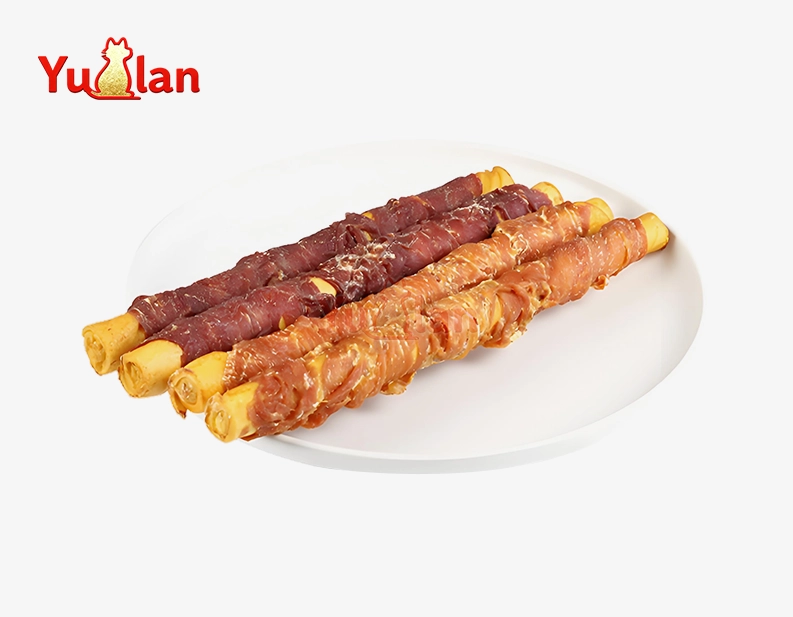
Because it has both a delicious and healthy flavor, the duck meat roll for dogs is a premium treat that many dog owners love to give their pets. These innovative chews provide a healthy and fresh source of protein for dogs by nourishing them with essential nutrients and making them suitable for dogs with common dietary sensitivities. Duck meat rolls are a unique and delicious snack with a lot of health benefits. The secret ingredient is dried duck breast wrapped in natural cowhide. This synergy has shook up the pet treat industry, drawing in health-conscious pet owners as well as B2B buyers seeking to bolster their product lines with trustworthy, high-quality solutions.

Understanding the Benefits of Duck Meat Rolls for Dogs
In addition to being a huge step forward in canine nutrition, duck meat rolls have many advantages over regular treats. These treats are great for active dogs and puppies because duck meat has a complete protein profile that includes all the amino acids needed for muscle growth and contractions.
Superior Nutritional Profile and Health Benefits
Duck meat has fourteen grams of protein per hundred grams. Furthermore, B vitamins, iron, and selenium are all abundant in duck meat. Ducks' cognitive function, coat sheen, and joint health are all improved by the natural omega-3 fatty acids they contain. Duck meat roll for dogs are crafted from all-natural ingredients that contribute to their general well-being, in contrast to traditional treats that include artificial additives. Traditional treats, on the other hand, often include artificial ingredients.
Treats like these are great for dogs with food sensitivities since duck protein is hypoallergenic. A large percentage of dogs get allergies to common proteins like chicken or beef, even though duck is still an unknown source of protein for most dogs. Veterinary professionals and pet nutritionists who support elimination diets for allergic animals are seeing a rise in the popularity of these duck meat rolls.
Dental Health and Oral Hygiene Benefits
By means of mechanical action, the inventive design of duck meat rolls offers substantial dental benefits. The treat gradually dissolves as the dog chews, cleaning teeth and getting rid of stains. Dogs can relieve pressure through enjoyable chewing sessions because the natural cowhide base retains the proper hardness while remaining flexible and bite-resistant.
Natural oral hygiene is maintained and tooth surfaces are cleaned by the mild physical friction created during chewing. Duck meat rolls are a useful treat that promotes general wellness because of their dual-action strategy, which takes care of both nutritional requirements and dental health. In addition to offering additional health advantages, the dried duck breast wrapping can remove heat and lessen inflammation, making these treats even more enticing to dogs.
Safety Considerations and Feeding Guidelines
Safety and optimal benefits are guaranteed by adhering to appropriate feeding guidelines. The daily calorie intake of a dog should not exceed 10% duck meat rolls; portion sizes should be adjusted in accordance with the pet's weight and activity level. The risk of choking is reduced by the gradual dissolution of these treats in comparison to harder alternatives.
The nutritional value of high-quality duck meat rolls is preserved while harmful bacteria are eliminated through the use of rigorous cooking procedures. Because of the transparency of the ingredient sourcing and manufacturing processes, B2B buyers are assured of the safety and consistency of the products sold. These treats are guaranteed to improve current diet regimens without causing nutritional imbalances through frequent veterinary examinations.

Comparing Duck Meat Rolls with Other Popular Dog Treats
B2B professionals are better able to make informed procurement decisions when they are aware of how duck meat rolls stack up against other protein sources. Although each type of protein has unique benefits, duck meat rolls constantly exhibit better qualities in important performance areas.
Protein Quality and Digestibility Analysis
With absorption rates exceeding 85% in healthy adult dogs, duck meat roll for dogs exhibits higher digestibility rates than beef-based treats. Duck protein's amino acid composition closely resembles that of canines, offering leucine, lysine, and methionine in ideal proportions. Better energy use and muscle growth are the results of this increased bioavailability.
Chicken treats are popular, but they can trigger severe allergic reactions in some dogs. Because of the higher saturated fat content, beef treats might not be the best choice for overweight pets. Despite the high omega-3 content, dogs don't enjoy the satisfying chew that salmon treats provide. Turkey treats are just as healthy as duck treats, but they're more expensive due to their seasonality.
Allergenicity and Sensitivity Considerations
Among common protein sources, duck meat rolls have the lowest allergenicity rates; veterinary nutrition studies show that less than 3% of dogs experience negative reactions. Because duck is a novel protein for the majority of pets, there is less chance of prior sensitization, which accounts for this exceptional tolerance rate.
High-quality duck meat rolls made without grains remove another source of allergens that are present in traditional treats. A lot of competing products contain soy, corn, or wheat fillers, which can cause skin irritations or upset stomachs. Duck meat rolls are appropriate for sensitive stomach management and elimination diets due to their clean ingredient profile.
Processed versus Natural Options
Compared to highly processed alternatives, natural duck meat rolls retain a higher level of nutritional integrity. The minimal processing method keeps the natural enzyme content that aids in digestion and protects heat-sensitive vitamins. Artificial preservatives, which are frequently present in mass-produced confections, can lower palatability and raise long-term health risks.
When prepared correctly, duck meat rolls have a longer shelf life than many natural alternatives without the need for artificial preservatives. By concentrating flavors and prolonging storage life, the natural dehydration process gives retailers goods that hold up well over long inventory cycles. Duck meat roll for dogs are appealing to distributors and customers alike because of their harmony between natural composition and commercial viability.
How to Choose the Best Duck Meat Roll Supplier and Brand?
A thorough assessment of several aspects that affect long-term success, business relationships, and product quality is necessary when choosing a supplier. Modern supply chains are complex, necessitating careful due diligence to guarantee dependable partnerships and consistent quality.
Ingredient Transparency and Certification Standards
Prominent vendors offer full ingredient traceability, tracing the origin of dog duck meat rolls from farm to final product. Organic certifications show that rigorous farming methods free of growth hormones and antibiotics are followed. International standards are met by third-party testing for contaminants, such as bacterial pathogens and heavy metals.
Reputable suppliers are happy to share with prospective partners the stringent testing procedures and quality control measures needed for hypoallergenic labeling. Insights into operational excellence can be gained from the documentation of manufacturing processes, including temperature controls and sanitation protocols. Suppliers who embrace transparency and offer thorough product specifications should be given preference by B2B buyers.
Private Labeling and OEM Services
In order to stand out in crowded markets, successful distributors and retailers frequently need customization options. Businesses can leverage established product formulations and develop brand equity by using private labeling services. Custom sizing, packaging, and ingredient modifications that satisfy particular market demands are made possible by OEM capabilities.
Reputable vendors provide adjustable minimum order amounts to suit both long-standing distributors and new retailers. Operational flexibility is offered by the ability to modify packaging sizes, from bulk containers to individual retail units. Businesses can create distinctive products that cater to particular market niches or regional preferences by using custom formulation services.
Supplier Evaluation and Quality Assessment
A thorough evaluation of a supplier includes determining their financial stability, production capacity, and quality control systems. Site visits offer firsthand knowledge of operational standards and manufacturing capabilities. Supplier dependability and service quality are determined by analyzing current client relationships and references.
Customer satisfaction and supply chain efficiency are greatly impacted by distribution capabilities. Suppliers with well-established logistics networks can offer lower shipping costs and quicker delivery times. Operational maturity and dependability are demonstrated by the capacity to manage seasonal variations in demand without sacrificing quality.

Conclusion
Due to their outstanding nutritional profile, hypoallergenic qualities, and creative design that supports dental health, duck meat roll for dogs have become a premium dog treat. Both pets and their owners gain a great deal from the combination of premium protein, organic ingredients, and practical advantages. Business-to-business (B2B) professionals who are aware of the benefits of duck meat rolls can take advantage of the expanding market demand and establish fruitful alliances with reliable suppliers. Due to rising consumer awareness of pet nutrition and ongoing development of improved formulations that cater to particular health needs, the future of these novel treats is still bright.
Partner with Yunlan for Premium Duck Meat Roll Solutions
Yunlan stands as your trusted duck meat roll for dogs manufacturer, offering comprehensive solutions for B2B partners seeking premium pet treat options. Our advanced production facilities utilize cutting-edge meat protein enzymolysis technology and livestock bone crisping processes to create superior products that meet international quality standards. With over 20 years of specialized experience in pet supply chain management, our team provides customized formulations, flexible minimum order quantities, and reliable delivery schedules that support your business growth. Contact us at minghuixu6717@gmail.com to explore our private labeling services and discover how our innovative duck meat rolls can enhance your product portfolio while meeting the growing demand for natural, hypoallergenic pet treats.
FAQs
①Are duck meat rolls safe for daily consumption?
Duck meat rolls are safe for daily consumption when fed according to proper guidelines. These treats should comprise no more than 10% of your dog's daily caloric intake to maintain nutritional balance. The natural ingredients and minimal processing make them suitable for regular feeding, but portion control remains essential for maintaining optimal health.
②How do duck meat rolls compare to other proteins for allergic dogs?
Duck meat demonstrates superior hypoallergenic properties compared to common proteins like chicken, beef, or lamb. As a novel protein source for most dogs, duck rarely triggers allergic reactions. The clean ingredient profile and grain-free formulation eliminate additional allergen sources, making duck meat rolls ideal for elimination diets and sensitive stomach management.
③What should B2B buyers look for when validating product quality in large orders?
Quality validation requires comprehensive documentation including ingredient sourcing, manufacturing processes, and third-party testing results. Reputable suppliers provide certificates of analysis, organic certifications where applicable, and detailed nutritional information. Sample testing from bulk orders ensures consistency throughout the production run and maintains quality standards.
④How long do duck meat rolls maintain freshness during storage?
Properly stored duck meat rolls maintain optimal freshness for 12-18 months when kept in cool, dry conditions. The natural dehydration process and minimal processing preserve nutritional value without requiring artificial preservatives. First-in-first-out inventory rotation and regular quality monitoring ensure products remain fresh throughout their shelf life.
⑤Can duck meat rolls help with dental health in dogs?
Duck meat rolls provide significant dental benefits through mechanical cleaning action during chewing. The appropriate hardness and flexible texture help remove plaque and tartar while providing gentle friction that cleans tooth surfaces. The gradual dissolution process ensures extended chewing time that maximizes dental health benefits.
References
1. Association of American Feed Control Officials. "Nutritional Guidelines for Complete and Balanced Dog Foods." Pet Food Regulations Manual, 2023.
2. Case, Linda P., et al. "Canine and Feline Nutrition: A Resource for Companion Animal Professionals." 4th Edition, Mosby Elsevier, 2022.
3. Freeman, Lisa M. "Food Allergies and Intolerances in Dogs: Clinical Signs and Dietary Management." Veterinary Clinics of North America, 2021.
4. Mueller, Ralf S. "Novel Protein Sources in Canine Nutrition: Benefits and Considerations." Journal of Small Animal Practice, 2022.
5. National Research Council. "Nutrient Requirements of Dogs and Cats." National Academies Press, 2023.
6. Verlinden, Adronie. "Food Allergy in Dogs and Cats: A Review of Clinical Signs, Diagnosis and Treatment." European Journal of Companion Animal Practice, 2022.