- English
- French
- German
- Portuguese
- Spanish
- Russian
- Japanese
- Korean
- Arabic
- Irish
- Greek
- Turkish
- Italian
- Danish
- Romanian
- Indonesian
- Czech
- Afrikaans
- Swedish
- Polish
- Basque
- Catalan
- Esperanto
- Hindi
- Lao
- Albanian
- Amharic
- Armenian
- Azerbaijani
- Belarusian
- Bengali
- Bosnian
- Bulgarian
- Cebuano
- Chichewa
- Corsican
- Croatian
- Dutch
- Estonian
- Filipino
- Finnish
- Frisian
- Galician
- Georgian
- Gujarati
- Haitian
- Hausa
- Hawaiian
- Hebrew
- Hmong
- Hungarian
- Icelandic
- Igbo
- Javanese
- Kannada
- Kazakh
- Khmer
- Kurdish
- Kyrgyz
- Latin
- Latvian
- Lithuanian
- Luxembou..
- Macedonian
- Malagasy
- Malay
- Malayalam
- Maltese
- Maori
- Marathi
- Mongolian
- Burmese
- Nepali
- Norwegian
- Pashto
- Persian
- Punjabi
- Serbian
- Sesotho
- Sinhala
- Slovak
- Slovenian
- Somali
- Samoan
- Scots Gaelic
- Shona
- Sindhi
- Sundanese
- Swahili
- Tajik
- Tamil
- Telugu
- Thai
- Ukrainian
- Urdu
- Uzbek
- Vietnamese
- Welsh
- Xhosa
- Yiddish
- Yoruba
- Zulu
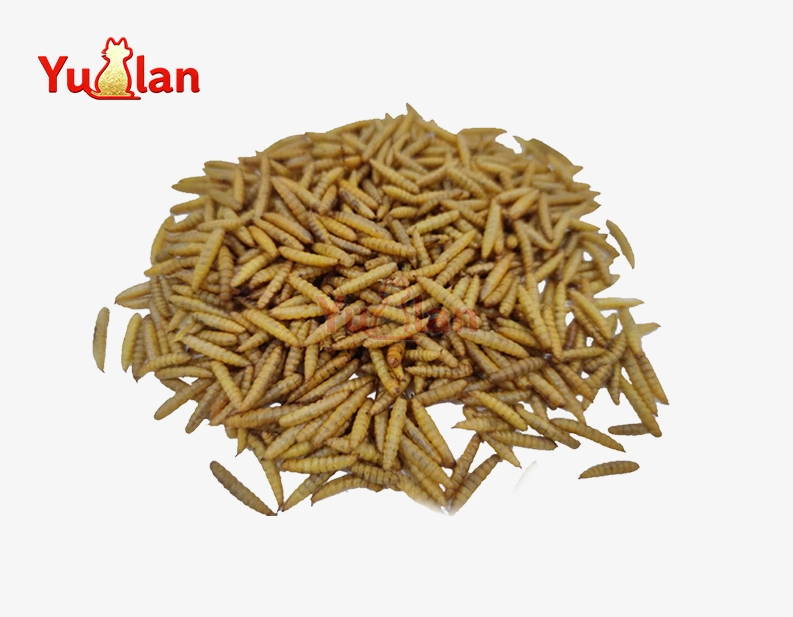
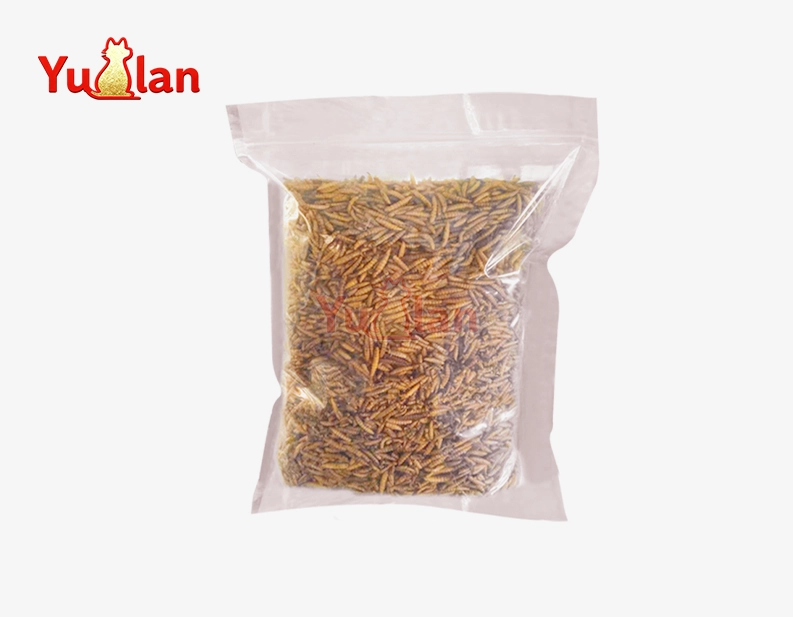
Black soldier fly larvae for chickens represent a revolutionary protein source that addresses modern poultry nutrition challenges while supporting sustainability goals. These nutrient-dense larvae deliver approximately 40% protein content alongside essential amino acids, healthy fats, and trace minerals that promote robust growth, enhanced immunity, and superior egg production. Utilizing industrial microwave-drying technology at 110 degrees Celsius, premium BSFL products eliminate harmful bacteria while preserving maximum nutritional integrity—offering a clean, chemical-free alternative to traditional feed supplements without artificial colors or seasonings.

Nutritional Value and Health Benefits of Black Soldier Fly Larvae for Chickens
Business-to-business buyers who are looking for alternatives to traditional protein sources are very interested in the nutritional profile of insect-based chicken products. Veterinarian clinics, pet stores, and wholesalers can make better buying choices when they know about all the health benefits.
Superior Protein Content and Amino Acid Profile
Good black soldier fly larvae for chickens has about 40% crude protein, which makes it comparable to soybean meal (44% to 48%) and fish meal (62% to 72%). Insect protein is different because it has a balanced mix of amino acids, especially lysine and methionine, which are two important limiting amino acids for chicken growth. Multiple chicken farms have done studies that show birds that are fed BSFL-enriched diets gain more weight and use their food more efficiently than birds that are fed normal formulations. The digestibility rate of insect protein is between 85 and 90%, which means that nutrients are absorbed efficiently, leading to better growth during key times of development.
Essential Fatty Acids and Mineral Composition
Along with protein, dried larvae provide lauric acid, a medium-chain fatty acid that fights microbes and promotes gut health and disease protection. The calcium-to-phosphorus ratio in good black soldier fly larvae for chickens is close to 2:1, which is ideal for laying hens' bone growth and eggshell formation. Zinc, iron, and magnesium are examples of trace elements that help enzymes work, move oxygen around, and power metabolism. Pet boarding and grooming shops that use these vitamins say that the feather quality and shine are much better, which shows that the micronutrients are bioavailable.
Immune System Enhancement and Gut Health
Insect exoskeletons contain chitin, which acts as a prebiotic fiber and supports the growth of good bacteria in the gut microbiome. Studies show that chickens that eat BSFL have higher levels of immunoglobulin and are less likely to get sick from common pathogens. Veterinary workers have seen that groups that get extra insect protein don't need as many antibiotics. This is in line with growing regulatory pressures to limit the use of pharmaceuticals in cattle production. Antimicrobial peptides that are naturally found in larvae boost innate immune reactions even more, creating multiple ways to fight against disease.

Comparing Black Soldier Fly Larvae with Conventional Poultry Feed Options
To see how insect-based nutrition compares to other feed products, procurement managers need to do a thorough comparison. Not only should nutritional measures be taken into account in cost-benefit analyses, but so should supply chain stability and environmental effect.
Insect Protein Versus Traditional Plant-Based Feeds
Soybean meal is still the main source of protein in commercial chicken feed, but the price changes due to crop yields and geopolitical issues make it hard to know how to buy it. The production of black soldier fly larvae for chickens is not limited by the amount of land available for farming, which makes price more stable. The impact on the environment is very different. For example, raising insects doesn't need much water, doesn't produce many greenhouse gases, and turns organic garbage into useful protein. This cycle economy method is becoming more and more appealing to wholesalers who work with brands that care about the environment. When it comes to nutrition, insect protein has a better balance of amino acids and doesn't have the trypsin inhibitors and phytates that are found in raw legumes. This could mean lower processing costs for heat treatment and enzyme addition.
Fish Meal Alternatives and Marine Resource Conservation
Fish meal has been the best source of high-quality animal protein for a long time, but worries about overfishing and limited supplies are driving up prices and putting ocean ecosystems at risk. Black soldier fly larvae for chickens are a land-based option that tastes and has the same amino acid profile as marine proteins without destroying wild fish sources. The amount of lauric acid is similar to the amount of fatty acids in some fish meals, which supports the same health benefits. Pet stores that sell their products as being good for the ocean like the marketing benefits of insect-based formulas, especially as people become more aware of the need to protect the ocean. Regulatory bodies are favoring more and more protein sources that don't put too much stress on threatened fisheries. This is good for BSFL's long-term market positioning.
Comparative Analysis with Other Insect Proteins
Mealworms and cricket flour are also good sources of protein, but BSFL is better because it can be used on a larger scale and makes production more efficient. Compared to cricket farming, black soldier fly farming achieves higher biomass conversion rates and quicker production cycles. The larvae do well on a variety of organic waste substrates, which lowers the cost of feed for producers. These saves could be passed on to wholesalers who serve price-sensitive markets. Usually has a higher nutritional value per unit weight than mealworms, which means that smaller amounts have the same nutritional effects. Vet centers that make special meals like that controlled BSFL production settings make the quality constant, which is different from other insect protein sources that can be inconsistent.

Why Choose Trusted Black Soldier Fly Larvae Suppliers for Poultry Feed?
The supplier you choose has a big effect on how well your products work, how reliable your operations are, and how well your brand is known. E-commerce platforms and retail chains need to put quality standards and client values at the top of their list when looking for partners.
Manufacturing Standards and Production Capabilities
Leading black soldier fly larvae for chickens suppliers use cutting edge technologies like automatic sorting, precise drying systems, and contamination control methods to make sure that each batch is the same. Having enough production capacity to keep up with rising demand is very important. Suppliers with multiple facilities or operations that can be expanded give you supply security as your business grows. Understanding how substrates are managed shows a commitment to sustainability. For example, producers who turn leftover food or farm waste into bug food follow the ideals of the circular economy. Adding quality control checks all the way through the production process, from choosing the larvae to the final packing, cuts down on mistakes and keeps the most of the food's nutritional value.
Traceability Systems and Transparency
Full traceability lets buyers check where a product came from, how it was processed, and how it was handled from production to delivery. Blockchain-based tracking systems, which are being used by more and more forward-thinking companies, keep records that can't be changed and are available to everyone in the supply chain. This openness is very helpful when dealing with customer questions or government audits. Suppliers who write down the temperature and humidity of the surroundings during storage and transport show that they know what affects the security of the product. Pet stores that want to build trust with smart customers should work with sellers who are open and honest. This lets the stores make confident product claims and stand out in competitive markets.
Customer Support and Technical Services
Outstanding suppliers go above and beyond business relationships by offering formulation advice, training materials, and quick technical support. Customers do better when they can get species-specific feeding suggestions, help with problems, and nutritional optimization strategies. When suppliers participate in research partnerships and share results through white papers or webinars, customers are at the head of changes in the industry. Customized packaging choices, adjustable minimum order amounts, and shipping times that work with your plan all show that the business cares about its customers. Veterinary offices and other specialized pet facilities really value providers who understand their specific needs and work with them to find custom solutions.
Conclusion
Black soldier fly larvae for chickens can be added to poultry feeding plans to improve growth, immune function, and environmental sustainability. BSFL is a great option to traditional protein sources because it has a high nutritional profile with 40% protein, balanced amino acids, and soluble minerals. Better supply chain resilience, less damage to the environment, and compatibility with growing consumer preferences for environmentally friendly products are all benefits for business-to-business buyers. As production methods improve and rules become more clear, insect-based proteins will become a bigger part of competitive poultry nutrition plans after 2026.

FAQs
How much should I feed my chickens daily?
When used as treats or prizes, 8 to 10 larvae per bird per day are suggested as supplements. These should be added to complete feed formulations instead of being used instead of balanced diets to make sure birds get all the nutrients they need while also enjoying the health and behavior benefits of BSFL.
Are dried larvae as nutritious as live ones?
Drying things in an industrial microwave at 110 degrees Celsius keeps the nutrients intact and gets rid of dangerous germs. When properly prepared, dried larvae keep the same amount of protein, amino acids, and fatty acids as live ones. This makes them easier to use and gives them a longer shelf life without lowering their nutritional value for most uses.
Can BSFL replace fish meal in commercial feeds?
BSFL are good partial replacements for fish meal because they have the same amino acid profiles and taste. While full substitution needs careful changes to the formula, inclusion rates of up to 15 to 20 percent can reduce the need for marine-derived proteins while keeping performance standards for chicken in a variety of production systems.
Our all-around method blends more than 20 years of experience in the supply chain with cutting-edge production tools, making Yunlan the best company for you to buy black soldier fly larvae for chickens. Our industrially microwave-dried foods go through strict processing at 110 degrees Celsius that kills pathogens and keeps all the nutrients—40% protein, essential amino acids, and good fats—without adding any artificial flavors or colors. We have high quality standards throughout the whole production process, which is supported by a lot of money spent on research and development and an ever-growing list of approved patents. We can help you whether you run pet stores, veterinary clinics, boarding facilities, or wholesale distribution networks. Our team can make solutions that are unique to your needs. Contact us at minghuixu6717@gmail.com to talk about possible partnerships and find out how our dedication to innovation and sustainability can help you improve your products and meet the needs of more environmentally conscious customers.
References
- Makkar, H.P.S., Tran, G., Heuzé, V., & Ankers, P. (2014). State-of-the-art on use of insects as animal feed. Animal Feed Science and Technology, 197, 1-33.
- Veldkamp, T., & Bosch, G. (2015). Insects as a sustainable feed ingredient in pig and poultry diets: a feasibility study. Wageningen UR Livestock Research Report.
- Oonincx, D.G.A.B., & de Boer, I.J.M. (2012). Environmental impact of the production of mealworms as a protein source for humans. PLoS ONE, 7(12), e51145.
- Sánchez-Muros, M.J., Barroso, F.G., & Manzano-Agugliaro, F. (2014). Insect meal as renewable source of food for animal feeding: a review. Journal of Cleaner Production, 65, 16-27.
- Lalander, C., Diener, S., Zurbrügg, C., & Vinnerås, B. (2019). Effects of feedstock on larval development and process efficiency in waste treatment with black soldier fly. Journal of Cleaner Production, 208, 211-219.
- Van Huis, A., & Oonincx, D.G.A.B. (2017). The environmental sustainability of insects as food and feed: A review. Agronomy for Sustainable Development, 37(5), 43.