- English
- French
- German
- Portuguese
- Spanish
- Russian
- Japanese
- Korean
- Arabic
- Irish
- Greek
- Turkish
- Italian
- Danish
- Romanian
- Indonesian
- Czech
- Afrikaans
- Swedish
- Polish
- Basque
- Catalan
- Esperanto
- Hindi
- Lao
- Albanian
- Amharic
- Armenian
- Azerbaijani
- Belarusian
- Bengali
- Bosnian
- Bulgarian
- Cebuano
- Chichewa
- Corsican
- Croatian
- Dutch
- Estonian
- Filipino
- Finnish
- Frisian
- Galician
- Georgian
- Gujarati
- Haitian
- Hausa
- Hawaiian
- Hebrew
- Hmong
- Hungarian
- Icelandic
- Igbo
- Javanese
- Kannada
- Kazakh
- Khmer
- Kurdish
- Kyrgyz
- Latin
- Latvian
- Lithuanian
- Luxembou..
- Macedonian
- Malagasy
- Malay
- Malayalam
- Maltese
- Maori
- Marathi
- Mongolian
- Burmese
- Nepali
- Norwegian
- Pashto
- Persian
- Punjabi
- Serbian
- Sesotho
- Sinhala
- Slovak
- Slovenian
- Somali
- Samoan
- Scots Gaelic
- Shona
- Sindhi
- Sundanese
- Swahili
- Tajik
- Tamil
- Telugu
- Thai
- Ukrainian
- Urdu
- Uzbek
- Vietnamese
- Welsh
- Xhosa
- Yiddish
- Yoruba
- Zulu
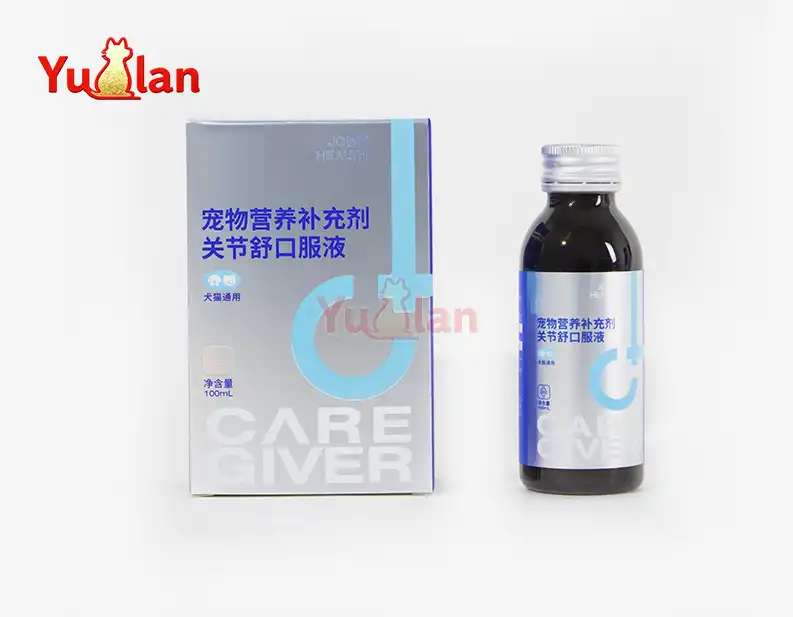
When selecting the optimal collagen for canine joint health, Type II collagen stands out as the most beneficial choice. Unlike Type I and Type III collagens commonly used in beauty supplements, Type II specifically targets articular cartilage and synovial fluid. Modern collagen joint tablets formulated with Type II collagen, combined with glucosamine chondroitin and green-lipped mussel extract, deliver comprehensive joint support. These tablets address cartilage degradation, enhance mobility, and reduce inflammation—particularly valuable for dogs experiencing arthritis or age-related joint deterioration. This triple-action approach represents the current gold standard in canine joint supplementation.

Understanding Collagen and Its Role in Canine Joint Health
About 30% of your dog's body is made up of collagen, which is the building block of all of his joint tissues. The thickness of synovial fluid in joints stays fixed because of this structural protein. It also keeps cartilage strong and supports bones while they move. It's normal for busy dogs and big breeds to make less collagen as they age. This thins out cartilage, makes joints less moist, and leads to movement issues over time.
Why Collagen Supplementation Matters for Dogs?
It has been found that almost 20% of dogs older than one year old have arthritis. When someone has degenerative joint disease, their joints get stiff after rest. This makes them less active and less willing to climb stairs. These issues can be fixed by taking collagen supplements. These supplements have amino acid precursors (glycine, proline, and hydroxyproline) that help the body's own cartilage repair systems. The extracellular tissue of joints gets better when these vitamins are turned into pills containing chemicals that work well together, such as glucosamine and chondroitin. This makes the joints stronger and less likely to get inflamed.
Collagen's Mechanism in Joint Maintenance
The biological process begins when hydrolyzed collagen peptides are taken in through the intestinal wall. Chondrocytes start to work when these small pieces (generally 1,000 to 3,000 Daltons) hit them. It is made up of cells called chondrocytes. At the same time, collagen peptides change the inflammatory chemicals. This slows down the cellular chain reaction that causes pain in the joints. Collagen-based treatments are being suggested by veterinarians more and more as a way to prevent joint problems and treat joint problems in dogs and cats over six weeks old. These actions strengthen the structure and lower inflammation at the same time.
Types of Collagen Best Suited for Dogs' Joint Health
When you know the differences between collagen types, you can buy the right things and put them in the right places. Based on their goals, different kinds of collagen are good for dogs' health. In order to find joint support, for instance, you need to pay extra attention to the source material and molecular make-up.
Type II Collagen: The Joint Health Specialist
The protein that makes up 90% of joint cartilage is type II collagen. These long chains of collagen are what give hyaline cartilage its shape. When bones meet in a synovial joint, hyaline cartilage covers the ends of the bones. Collagen joint tablets containing undenatured Type II collagen may provide a convenient way to deliver this collagen in supplement formulations. Studies have shown that giving osteoarthritic dogs 10 to 40 mg of undenatured Type II collagen (UC-II) every day for 60 to 90 days makes their joints work much better. The structure of the undenatured form is still a triple-helix, which lets immune tolerance mechanisms work to stop autoimmune cartilage degradation. This is a major cause of joint disease that gets worse over time.
Type I and Type III Collagens: Supporting Roles
Thick connective tissues like bones, tendons, and ligaments are very strong because they are mostly made up of type I collagen. Type III collagen can be found in skin and blood vessels. It helps break down tough tissues. If you want to keep your joints healthy, Type III collagens aren't as good as Type II collagens, but they still do. Connective tissues can get full support from multi-collagen forms that have Types I, II, and III. If your dog is active or just got surgery, this will help their muscles and ligaments heal faster. It will also help their cartilage heal.
Marine vs. Bovine Collagen: Source Considerations
Collagen from the sea comes from fish scales and skin. It is mostly Type I collagen, and the peptides are smaller, which should make it easier for the body to take in. Bovine collagen, which comes from cows' hides and bones, has both Type I and Type III collagens. Dogs' diets have changed over time, and bovine sources are more in line with that. They are also generally less allergenic than sea sources, which is especially helpful for dogs that are allergic to fish. This is good news for people who want to buy collagen: it's cheaper and easier to get. This is very important when you are looking at big orders that will be sent to a lot of pet stores and vet offices.

How Do Dollagen Joint Tablets Work for Dogs, and What Are the Expected Outcomes?
For collagen supplements to work best, they need to be made properly, taken as recommended, and given at the right time. When you know how biological processes work, you can help your clients set reasonable goals and back up marketing claims with facts.
Mechanism of Action at the Cellular Level
When you eat collagen pills, they break down in your stomach. USP standards say that good formulations break down completely in 30 minutes. The released collagen peptides don't break down in stomach acid because they have already been broken down. After that, they go through epithelial cells in the small intestine. The blood helps these peptides get to the right tissues. Twelve to twenty-four hours after being given, they build up in cartilage. In the level of cells, collagen fragments tell chondrocytes and fibroblasts to make more collagen and stop matrix metalloproteinases, which are enzymes that break down cartilage.
Dosage Recommendations and Administration Best Practices
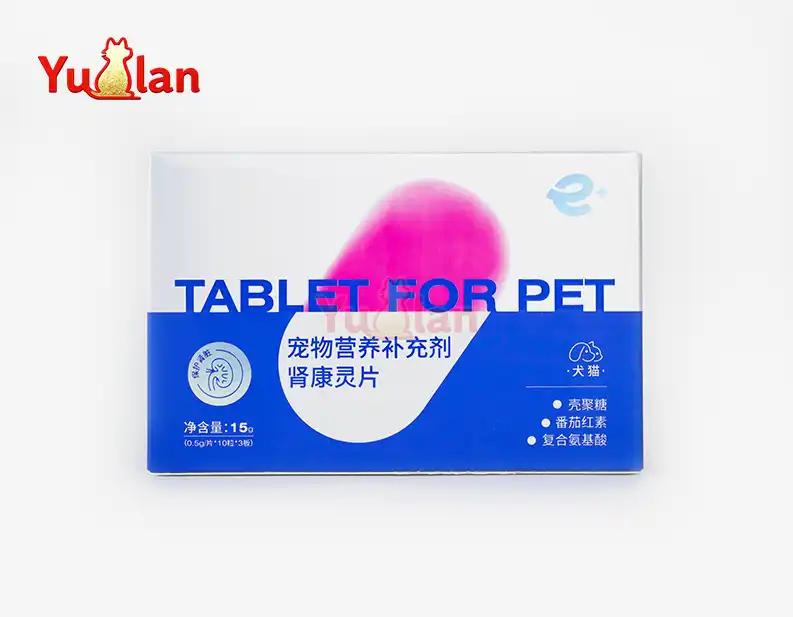
How much someone needs relies on how much they weigh and how bad their health is. Dogs that weigh less than 25 pounds should get 500 mg of the drug every day. Dogs that weigh more than 75 pounds should get 2,000 mg. Doses may be raised by 50 to 100 percent for people with active joint disease. Collagen joint tablets are better than pills for exact doses because they make sure that the daily dose is always the same and don't need to be measured out. People are more likely to take their supplements as recommended when they taste like chicken. This is very important because joint pills need to be taken regularly to keep working. Tablets can be eaten as meals or as treats. This gives people more choices and helps them stick to their plan for a long time.
Timeline for Observable Results
Pet owners and vets should know that things will get better in the long run. The anti-inflammatory effects may start to show up in 14 to 21 days, making you want to do more activities and have less joint pain. When supplements are taken regularly for 45 to 60 days, structural cartilage improvements that need new collagen matrix formation can generally be seen. If you take supplements every day for 90 days, you will see the best effects. Case studies show that after 12 weeks of collagen treatment, 78% of dogs with mild osteoarthritis were able to move around better. These due dates help B2B clients teach end customers and keep their expectations in check, which makes customers happy and encourages them to buy again.
Safety Profile and Potential Side Effects
There is a lot of safety in taking collagen supplements for the joints. While they do happen, adverse reactions are still very rare. Sensitive people may experience mild stomach upset when they first start taking vitamins. Quality control steps include testing for heavy metals (lead, mercury, and arsenic below 0.1 ppm), testing for microbes, and getting a certificate of analysis (COA). These steps make sure the product is safe. Pharmaceutical-grade distributors and veterinarians need to be able to trust their suppliers. Strict quality control measures, such as amino acid profiling via HPLC and stability testing under ICH conditions that guarantee a 24-month shelf life, give them that.

Comparing Collagen Joint Tablets with Other Forms and Supplements
Structure affects product dissolution, use, and shipping costs. Comparing delivery methods helps procurement staff guarantee product lines fit all customers.
Capsules vs. tablets
Tablets are better for dose, packaging, and usage than capsules. Tablets are pre-measured and easier to give than powders. Measure and mix powders. Tablets are cheaper to make than pills; therefore, bulk sales boost earnings. Single-dose tablets may include glucosamine, chondroitin, Type II collagen, and green-lipped mussel. It simplifies medication compliance. When water activity is below 0.65 Aw, 160 g tablets stay stable the longest. Most dogs can get plenty monthly.
Collagen pills vs. injections
Collagen injections into animal joints may swiftly heal serious injuries. Costlier injections necessitate a doctor and clinic visit. Oral pills simplify vitamin consumption without a doctor. Prevent disease and give light treatment. Pills save money over injections for long-term maintenance. Use injections only in emergencies. This position allows B2B clients to target neighboring market segments like tablets for retail and internet retailers, understanding extreme scenarios would go to veterinary clinical products.
Combining Hyaluronic Acid, Collagen, and Glucosamine
Second-generation joint care solutions boost joint health with collagen and minerals. Chondroitin resists bending and retains water, whereas glucosamine creates glycosaminoglycans. In green-lip mussels, glycosaminoglycans thicken joint fluid, and omega-3s prevent inflammation. Smooths and absorbs impact. Multiple drugs improve joints differently. In crowded markets, they spot expensive things. Combining items helps, say studies. Combination supplements boost mobility more than single-ingredient ones.
Product Differentiation and Market Situation
From 2024 to 2026, scientific cat joint supplements sell more. Clear constituent amounts (mg per dose), bioavailability increases (hydrolyzed peptides vs. native collagen), organic approval, and third-party testing separate companies. Products that meet USP or European Pharmacopeia criteria, have batch-specific COA documentation, and are cold-pressed to avoid heat-sensitive co-factors are best. In established markets, eco-friendly, allergen-free, and veterinarian-recommended companies may price extra.
Conclusion
The best collagen for a dog's joints relies on how well Type II collagen supports cartilage. Mixtures of glucosamine, chondroitin, and green-lipped mussel make this possible. Collagen joint tablets make it easier for pet owners to follow their dogs' supplement routines and achieve consistent results because they can be dosed accurately, stay stable on the shelf for longer, and be used every day. To get good products, you need to carefully check that each supplier follows manufacturing standards, is open about ingredients, and that the supply chain is stable. It's important for vet offices, pet shops, and online stores that cater to the growing dog health market to carry collagen joint supplements. These supplements are scientifically proven to work, people want them, and new products are being released all the time.

FAQ
1. Which collagen type provides the most effective joint support for dogs with arthritis?
Type II collagen helps dogs with arthritis the most because it stops cartilage breakdown and joint pain right away. Studies on animals have shown that taking 10–40 mg of undenatured Type II collagen every day can help with pain relief and movement within 60–90 days.
2. Can collagen joint tablets cause side effects in dogs?
Taking collagen supplements is very safe, and they don't usually cause any problems. This medicine might make some dogs' stomachs hurt a little at first if they are sensitive. Heavy metal (below 0.1 mg for lead, mercury, and arsenic) and microbe guidelines mean that things are safe for dogs and cats over six weeks old to use for a long time.
3. How can I verify the quality and origin of collagen supplements before bulk purchase?
You should ask for a full Certificate of Analysis (COA) that has studies on heavy metal test results, amino acid profiles, and microbial pollution. See if the production place and supplier have the right qualifications (GMP, ISO 9001). Sellers you can trust will test each batch, confirm the hydroxyproline content, and tell you where the raw materials come from. This helps buyers make smart decisions.
Partner with Yunlan for Premium Canine Joint Health Solutions
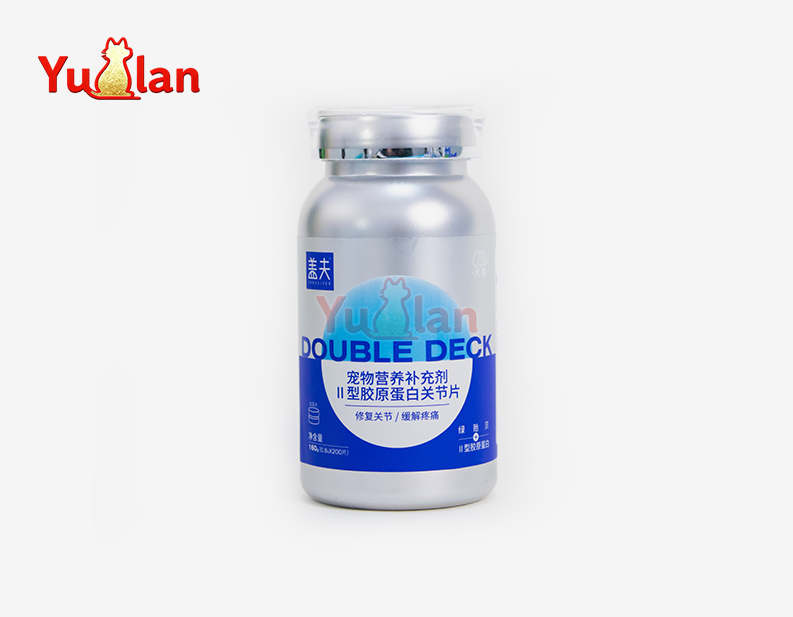
Yunlan is a leader in new ideas for pet food. Their joint support goods are backed by science and are used by vets and pet shops in over 60 countries. As a collagen joint tablets supplier, we have access to cutting-edge manufacturing technology and have worked in the pet supply chain for more than 20 years. Heavy metal tests, stability checks, and amino acid profiles are just a few of the strict quality control checks that are done on every 160g bottle with 200 chicken-flavored pills. The pills will stay fresh for 24 months this way. Our OEM/ODM services are open, and we offer low minimum order amounts, full COA paperwork, and bulk wholesale things that are ready to ship right away. Cutting-edge technologies are used in both of our production facilities to break down meat proteins and crisp up bones. These are backed by partnerships that make sure we use the best materials and the most up-to-date ways to sterilize them. Yunlan has 97 patents that have been accepted and an ongoing R&D budget of almost 100 million yuan. This means that your brand can make one-of-a-kind, science-based goods that meet the high standards of the European and American markets. Feel free to email our purchasing team at minghuixu6717@gmail.com right now to talk about unique formulations and business partnership choices that will benefit your joint health line.
References
1. Deparle, L.A., Gupta, R.C., Canerdy, T.D., Goad, J.T., D'Altilio, M., Bagchi, M., & Bagchi, D. (2005). Efficacy and safety of glycosylated undenatured type-II collagen (UC-II) in therapy of arthritic dogs. Journal of Veterinary Pharmacology and Therapeutics, 28(4), 385-390.
2. Anderson, K.L., & Zulch, H. (2016). Canine osteoarthritis: Current therapeutic approaches and future directions. Journal of Small Animal Practice, 57(7), 325-333.
3. Bhathal, A., Spryszak, M., Louizos, C., & Frankel, G. (2017). Glucosamine and chondroitin use in canines for osteoarthritis: A review of the evidence. Veterinary Medicine: Research and Reports, 8, 41-48.
4. Comblain, F., Serisier, S., Barthelemy, N., Balligand, M., & Henrotin, Y. (2016). Review of dietary supplements for the management of osteoarthritis in dogs. Veterinary Record, 178(4), 96-106.
5. Nakatani, S., Mano, H., Sampei, C., Shimizu, J., & Wada, M. (2009). Chondroprotective effect of the bioactive peptide prolyl-hydroxyproline in mouse articular cartilage. Osteoarthritis and Cartilage, 17(12), 1620-1627.
6. Peal, A., D'Altilio, M., Simms, C., Simunek, M., Fey, E., & Rosa, M. (2007). Therapeutic efficacy and safety of undenatured type II collagen alone or in combination with glucosamine and chondroitin in arthritic dogs. Toxicology Mechanisms and Methods, 17(4), 189-196.