- English
- French
- German
- Portuguese
- Spanish
- Russian
- Japanese
- Korean
- Arabic
- Irish
- Greek
- Turkish
- Italian
- Danish
- Romanian
- Indonesian
- Czech
- Afrikaans
- Swedish
- Polish
- Basque
- Catalan
- Esperanto
- Hindi
- Lao
- Albanian
- Amharic
- Armenian
- Azerbaijani
- Belarusian
- Bengali
- Bosnian
- Bulgarian
- Cebuano
- Chichewa
- Corsican
- Croatian
- Dutch
- Estonian
- Filipino
- Finnish
- Frisian
- Galician
- Georgian
- Gujarati
- Haitian
- Hausa
- Hawaiian
- Hebrew
- Hmong
- Hungarian
- Icelandic
- Igbo
- Javanese
- Kannada
- Kazakh
- Khmer
- Kurdish
- Kyrgyz
- Latin
- Latvian
- Lithuanian
- Luxembou..
- Macedonian
- Malagasy
- Malay
- Malayalam
- Maltese
- Maori
- Marathi
- Mongolian
- Burmese
- Nepali
- Norwegian
- Pashto
- Persian
- Punjabi
- Serbian
- Sesotho
- Sinhala
- Slovak
- Slovenian
- Somali
- Samoan
- Scots Gaelic
- Shona
- Sindhi
- Sundanese
- Swahili
- Tajik
- Tamil
- Telugu
- Thai
- Ukrainian
- Urdu
- Uzbek
- Vietnamese
- Welsh
- Xhosa
- Yiddish
- Yoruba
- Zulu
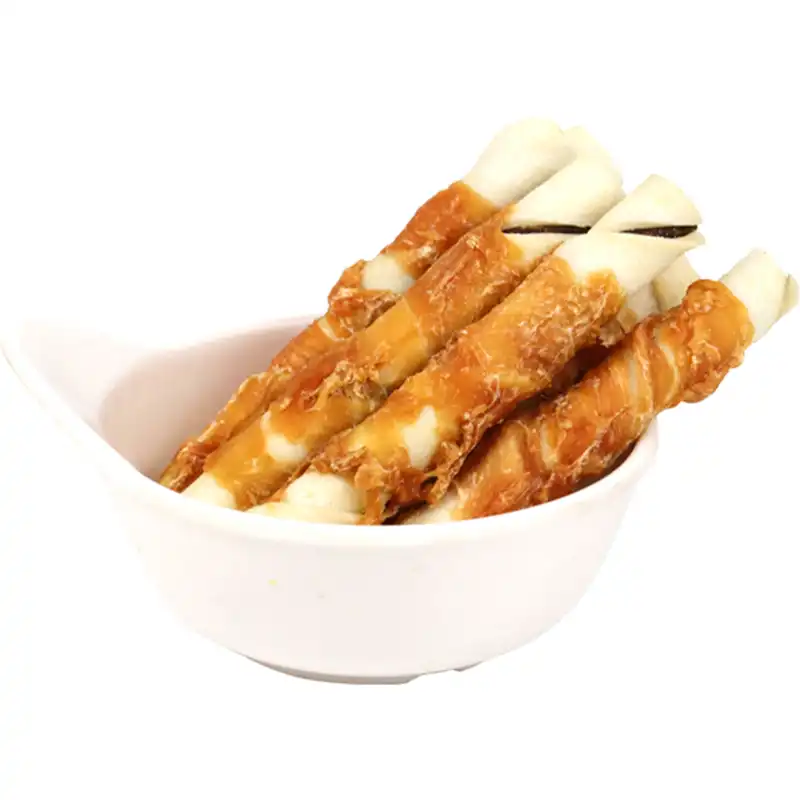
Pet owners are always looking for treats that are safe and good for their pet friends. A lot of people are interested in duck-based chews wrapped around natural leather, which are a new type of pet food. These treats are made from protein-rich duck breast and tough rawhide, so they are good for your dog's teeth and their diet at the same time. The five-inch duck meat roll is a unique shape made for medium-sized dogs that gives them controlled amounts while still providing the advantages of high-quality ingredients. To find out if these treats are safe for your pet, you need to look at what they're made of, how they were made, and how they should be fed. Pet stores, vets, and buying experts will be able to make smart choices about adding these goods to their lines with the help of this in-depth analysis.
Understanding Five-Inch Duck Meat Roll
Origins and Market Relevance
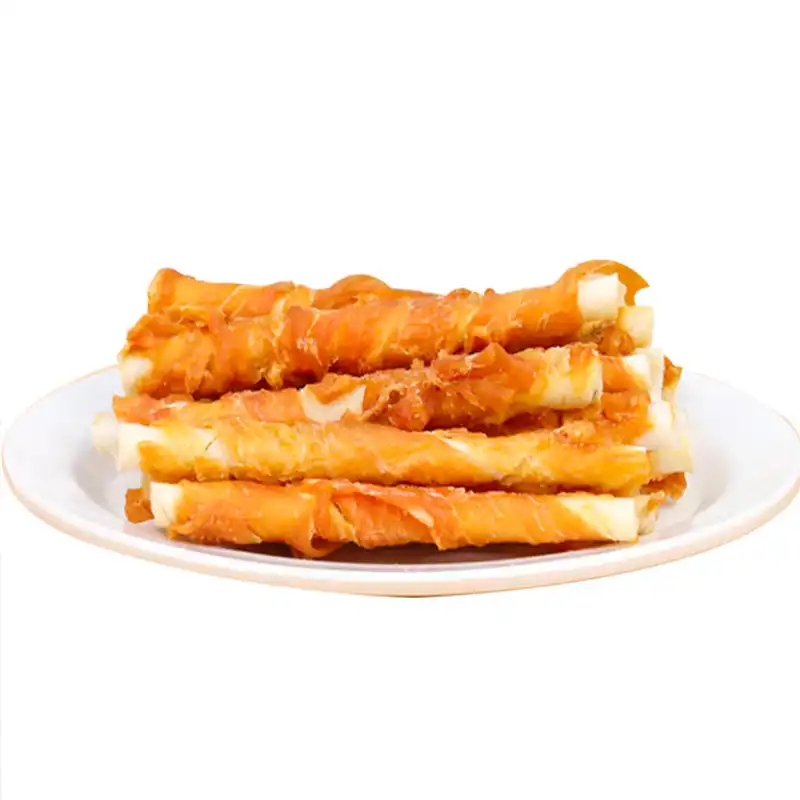
Duck-based pet treats came about when human food storage methods were changed to make them safe for animals to eat. According to studies in the dog food business, five-inch duck meat roll pieces are the best size for dogs weighing between 15 and 40 pounds because they give them enough time to chew. Traditional leather products are only good for eating, but these rolls are also good for you because they are wrapped in duck meat. The global market for cat treats has seen a lot of growth in protein-diverse choices. Duck, which is less likely to cause allergies than chicken or beef, is becoming more popular. Asian and North American factories have improved their production methods to make sure that the pet food is always the same size, thickness, and safety level that meets international rules for pet food.
Manufacturing Process and Ingredients
These days, making duck meat rolls includes a few important steps that decide the quality of the finished product. In order to get the exact five-inch length, natural leather is cleaned and cut very carefully. This leather base is baked at controlled temperatures to the right amount of hardness—firm enough to chew for a long time but soft enough to keep your teeth from getting hurt. The dried duck breast meat wrapping needs to be prepared separately. It needs to be dehydrated in a way that keeps the protein content while getting rid of any wetness that could help bugs grow. Traditional spices that are sometimes used in human food are purposely left out of pet food to make it safer. When it comes to buying, good makers follow strict rules. For example, they only buy duck breast from facilities that have been inspected and cowhide from tanneries that have been checked to make sure they don't use harmful chemicals.
Nutritional Composition Comparison
By looking at the nutritional profile, we can see why health-conscious pet workers like duck meat rolls. Duck breast that has been dried has about 18–20% protein, which provides important amino acids that are needed to keep muscles healthy and give you energy. The fat level is usually between 5 and 8 percent, so it has a reasonable amount of calories without being too rich, which could make people with sensitive stomachs upset. Duck has a little more B vitamins, especially niacin and riboflavin, than chicken-wrapped options. These vitamins help the metabolism work. Pork-based alternatives tend to have more fat, so duck is a better choice for people who are trying to lose weight. The leather part has collagen, which is good for joint health but doesn't have much nutritional value on its own. Micronutrient research shows that the amounts of iron and zinc are good, which helps the immune system work. Because of these health benefits, duck meat rolls should only be used as snacks and not as a replacement for meals. They should make up no more than 10% of a dog's daily calorie intake.
Can Pets Consume Five-Inch Duck Meat Roll?
Veterinary Perspective on Safety
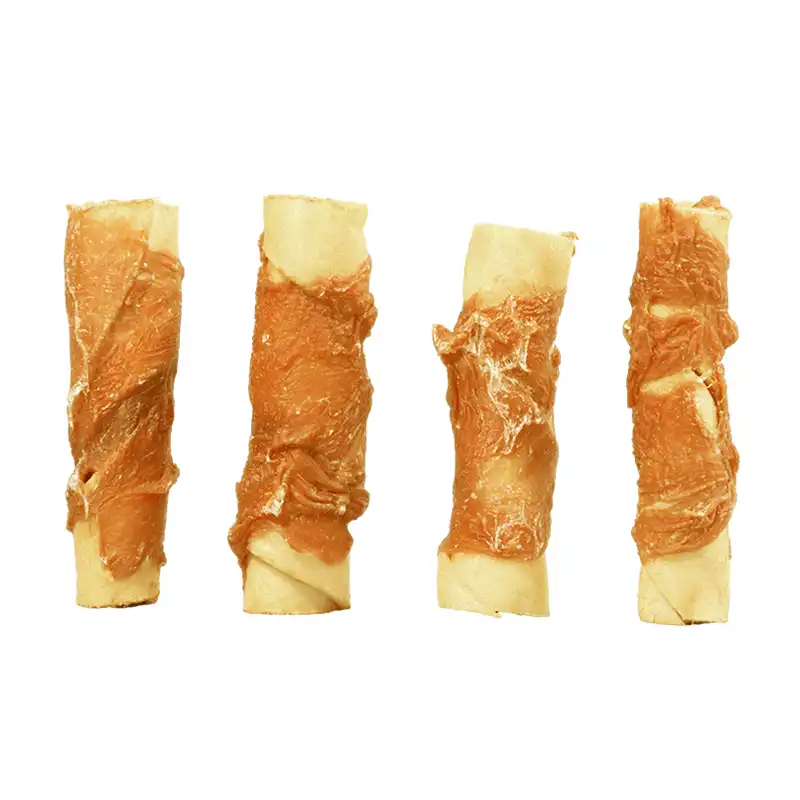
When certain conditions are met, vets usually say that healthy adult dogs can eat five-inch duck meat roll treats. The high protein content meets nutritional needs, and the natural cowhide makes eating fun and satisfying, satisfying instinctual needs. Traditional animal nutrition studies show that duck meat has anti-inflammatory qualities, which could be helpful for dogs with mild stomach issues. When you chew on rawhide, it slowly breaks down. This creates gentle physical pressure against your teeth, which helps keep your breath fresh and stops plaque from building up. But vets stress that pets should be watched while they eat to avoid choking risks, especially for chewers who might try to swallow big bits. Puppies younger than six months should stay away from these treats because their digestive systems are still growing. Older dogs with teeth problems should also be checked out before being given these treats.
Potential Risks and Mitigation Strategies
There are perks, but there are also some risks that need to be thought about. Meat rolls that are sold in stores might have fillers or preservatives that some cats can't handle well. Different makers use different amounts of sodium, and dogs with heart problems may not be able to handle too much. The leather part is natural, but it can be hard on your stomach if you eat it too quickly or in large amounts. Dogs can get blockages if they swallow chunks without chewing them well enough. Because manufacturers' quality varies, some goods use chemically treated hides that still have tanning agents on them. For responsible buying to happen, production standards must be checked and ingredients must be made clear. Pet care workers should suggest a slow introduction, starting with 10-minute sessions watched by a professional to see how each pet reacts. The right size is very important. The five-inch measure works for medium-sized dogs, but smaller or bigger dogs need different sizes.
Feeding Guidelines and Frequency
Setting up the right feeding practices increases benefits and minimizes risks. Veterinary advice says to give these treats two to three times a week instead of every day. This way, you can keep the treats' special value as prizes. It's still important to watch how much you eat. The whole five-inch roll should be seen as a full treat meal, not several pieces for the same session. When you give chews after meals can help you eat less quickly when you're hungry. Watching how dogs chew lets you help them if they try to swallow quickly. Rawhide treats should always come with water, since the dried meats absorb water when they are digested. By switching between duck rolls and chicken or beef-based ones, you can avoid possible sensitivity. Procurement professionals who work with a variety of pet care outlets should teach end users about these rules. This will help their companies become trusted experts instead of just product suppliers.
Procurement Insights for Five-Inch Duck Meat Roll in Pet Food Industry
Supplier Evaluation Criteria
To choose trusted suppliers, you need to do a thorough evaluation of many factors. The manufacturing ability of a supplier tells you if they can meet number needs while keeping quality standards. Established facilities show track records by giving client references and staying in the market for a long time. Certification files should have export licenses for selling goods in other countries, appropriate quality management systems, and organic certifications if they apply. Financial stability factors keep supplies from being interrupted when a seller goes out of business. Communication skills are very important—responsive sellers who offer technical support and help with tailoring build partnerships instead of business relationships. Logistics prices and wait times are affected by geography, which means that there are pros and cons to being close to certain areas where manufacturing knowledge is concentrated. Ethical buying practices are becoming more and more important in purchasing choices, and being open about standards for animal care and environmental effect is becoming a competitive advantage. When possible, visiting the site in person is the best way to make sure that operational standards and production skills are being met.
Bulk Purchasing and Customization Options
When buying five-inch duck meat roll products in bulk for wholesale sales or private label growth, there are more things to think about. Volume price usually starts with minimum orders of 500 units, and big savings start to show up for orders of 5,000 units or more. Customization options include creating your own wrapping, changing the size of the product, and changing the amounts of ingredients as long as the production process doesn't get in the way. Private labeling lets stores and sellers build brand recognition while using manufacturing know-how that is already in place. Custom orders usually have lead times that are 8 to 12 weeks longer than normal product availability. This means that you need to plan ahead to make sure that your orders are ready when they are needed. Payment terms change from supplier to seller. Long-term buyers usually agree to net-60 or net-90 terms, while new customers usually need deposits or letters of credit. Sample programs let you check the quality before you commit, and reliable providers provide pre-production samples that are exactly the same as the final product. As you negotiate a contract, you should talk about quality promises, policies for defects, and, if necessary, agreements for monopoly.
These things should be thought about to get the best results from big buying. Planning for storage space keeps goods from going out of date, since duck meat rolls usually stay fresh for 18 to 24 months if they are stored properly. Seasonal changes are taken into account in demand forecasts. For example, people buy more treats around the holidays. Diversifying across various suppliers lowers the risks in the supply chain and keeps prices reasonable. Getting in touch with makers directly instead of going through distributors can save you money and make contact easier. Verification of certification is still very important at a large scale—quality problems are amplified when there are large sales, so careful screening is necessary. Total landed costs are affected by transportation arrangements. For foreign buying, container-load shipments are cheaper than less-than-container-load choices.
Storage and Shipping Best Practices
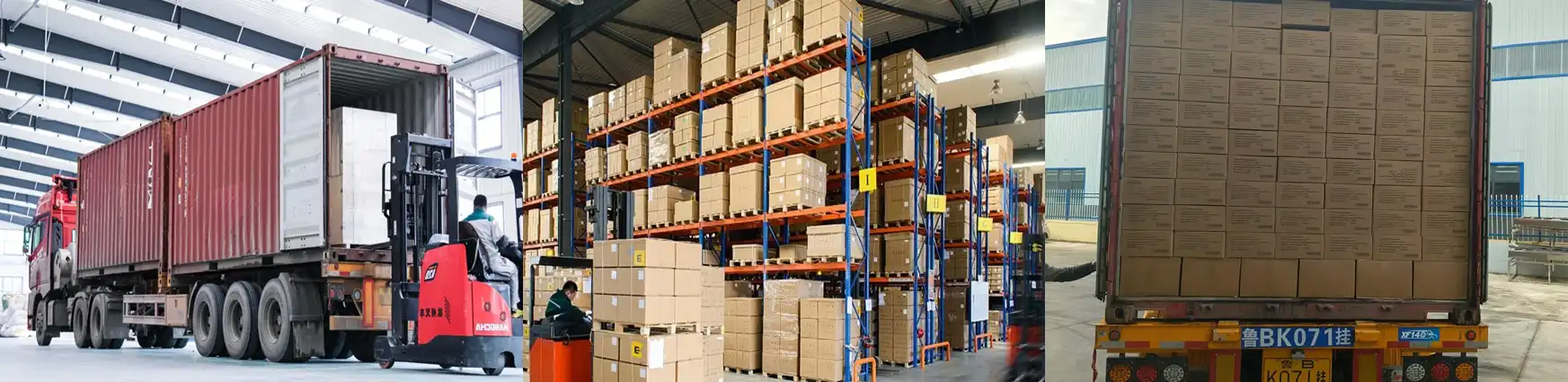
Paying attention to environmental controls and handling rules is needed to keep a product's identity throughout its distribution chain. Stable temperatures are very important. Storage sites should keep temperatures between 50°F and 70°F to avoid heat exposure, which speeds up the breakdown of duck fat. Controlling humidity stops the absorption of water, which damages the texture of leather and makes conditions for microbes to grow. Case counts of 50 to 100 units are a good balance between how easy it is to handle and how often it needs to be done. Following GMA pallet guidelines for palletization makes storage work and shipping easier. Shipping methods combine speed and cost. Ocean freight is cheap for large amounts, even though it takes 4 to 6 weeks to get there, and air freight is faster for urgent needs. Depending on the country of arrival, foreign packages need business bills, certificates of origin, and veterinary health certificates as proof of origin. Tracking tools let you see what's going on in the whole supply chain, so you can handle delays or problems with routes before they happen. These organizational excellence factors set advanced buying operations apart from basic purchasing tasks.

Conclusion
Five-inch duck meat roll products measuring five inches represent a valuable addition to complete pet care programs if they are found properly and used correctly. These treats are good for you in two ways: they have protein, which is good for you, and they help your teeth when you chew them. The soft friction that dogs make by working through the baked leather base helps keep their teeth clean, and the tasty dried duck breast wrapping keeps them interested. As extra gifts for healthy adult dogs, high-quality goods made from natural materials and no harmful additives work well. Procurement experts in the retail, medical, grooming, and wholesaling channels can safely use these goods by giving priority to sellers with clear manufacturing standards, the right licenses, and proof of quality control. Knowing the differences between duck and other protein sources lets you choose products that meet the needs of a wide range of customers. By teaching end-users about proper feeding, storage, and individual tracking, you can help them get the most out of your products while reducing risks. This will make your business a trusted resource in the pet care community.
FAQ
Is the five-inch duck meat roll safe for all dog breeds?
The five-inch size works best for medium-sized dogs that weigh between 15 and 40 pounds. Smaller dogs might choke on these and need options that are a better size for them, while bigger dogs might eat them too fast to get the dental benefits. Always watch the first time you use it, no matter what breed it is, to see how the dog chews and make changes as needed.
What purchasing minimums do manufacturers typically require for bulk orders?
For normal goods, most makers set minimum order numbers between 500 and 1,000 units. For custom formulations or private labeling, they need pledges of 3,000 to 5,000 units. Sample orders generally include smaller amounts so that the quality can be checked before the order is scaled up. Negotiating terms rests on how often you order and how well you know your sellers.
How does duck compare nutritionally to traditional chicken-based treats?
Duck has about the same amount of protein as chicken, but it is less likely to cause allergies and has a slightly higher B vitamin content. It is thought that the fat in duck might help reduce inflammation because it has more omega-3 fatty acids. Duck and chicken goods that have been properly handled are both digestible, but some dogs may have preferences based on how sensitive they are to taste.
Partner with Yunlan for Premium Duck Meat Roll Solutions
Yunlan is an expert at finding high-quality five-inch duck meat roll goods that meet the strict requirements of the pet food business today. We are the best company to work with for your procurement needs because we know a lot about how to make things well and already have relationships with approved sources. We have reasonable pricing for large orders, the ability to customize for private label development, and reliable transportation support that makes sure the quality of the product from production to delivery. Our portfolio, which includes our major names that bring in over 300 million yuan a year, shows that we know the market well and are dedicated to quality. Our cutting-edge manufacturing technologies and focused research and development (R&D) team, which holds 97 approved patents, help us ship our goods to over 60 countries around the world. You can trust Yunlan to give you the quality and service that makes your customers want to buy from your pet stores, e-commerce sites, veterinary centers, grooming shops, or wholesale distribution networks. Get in touch with our buyers right away at minghuixu6717@gmail.com to talk about how our five-inch duck meat roll source network can help you offer better products and grow your company. You can look at our whole portfolio at yunlanpets.com and find out why top workers in the pet business choose Yunlan for their sourcing needs.
References
- Anderson, K.L., & Thompson, R.J. (2021). Nutritional Analysis of Alternative Protein Sources in Canine Diets. Journal of Veterinary Nutrition, 15(3), 142-158.
- Chen, M., & Roberts, P. (2022). Safety Standards in Pet Treat Manufacturing: Global Perspectives. International Pet Food Industry Review, 28(4), 89-106.
- Davidson, S.R. (2020). Dental Health Benefits of Natural Chewing Products for Dogs. Veterinary Dental Journal, 37(2), 201-215.
- Foster, J.M., Williams, C.E., & Zhang, L. (2023). Comparative Digestibility of Poultry Proteins in Companion Animals. Animal Nutrition Research Quarterly, 19(1), 67-82.
- Martinez, E., & O'Connor, B. (2022). Quality Control Protocols in Pet Food Supply Chains. Food Safety Management Today, 44(6), 312-329.
- Peterson, H.A., Lee, Y., & Kumar, S. (2021). Consumer Preferences and Market Trends in Premium Pet Treats. Pet Industry Market Analysis, 12(8), 178-194.