- English
- French
- German
- Portuguese
- Spanish
- Russian
- Japanese
- Korean
- Arabic
- Irish
- Greek
- Turkish
- Italian
- Danish
- Romanian
- Indonesian
- Czech
- Afrikaans
- Swedish
- Polish
- Basque
- Catalan
- Esperanto
- Hindi
- Lao
- Albanian
- Amharic
- Armenian
- Azerbaijani
- Belarusian
- Bengali
- Bosnian
- Bulgarian
- Cebuano
- Chichewa
- Corsican
- Croatian
- Dutch
- Estonian
- Filipino
- Finnish
- Frisian
- Galician
- Georgian
- Gujarati
- Haitian
- Hausa
- Hawaiian
- Hebrew
- Hmong
- Hungarian
- Icelandic
- Igbo
- Javanese
- Kannada
- Kazakh
- Khmer
- Kurdish
- Kyrgyz
- Latin
- Latvian
- Lithuanian
- Luxembou..
- Macedonian
- Malagasy
- Malay
- Malayalam
- Maltese
- Maori
- Marathi
- Mongolian
- Burmese
- Nepali
- Norwegian
- Pashto
- Persian
- Punjabi
- Serbian
- Sesotho
- Sinhala
- Slovak
- Slovenian
- Somali
- Samoan
- Scots Gaelic
- Shona
- Sindhi
- Sundanese
- Swahili
- Tajik
- Tamil
- Telugu
- Thai
- Ukrainian
- Urdu
- Uzbek
- Vietnamese
- Welsh
- Xhosa
- Yiddish
- Yoruba
- Zulu
When choosing between spray and liquid pet disinfectants, it's very important to know what you need to do. Spray disinfectants are easy to use and can be used right away. They are great for cleaning specific areas and regularly sanitizing surfaces that a lot of people touch, like cages, toys, and exam tables. Liquid concentrates are cheap bulk solutions that need to be diluted and are good for cleaning big areas and the whole building. When made with pet-safe ingredients like hypochlorous acid, both forms get rid of pathogens successfully. Which one you choose depends on how it will be used, how your staff works, how much space you have, and how much it costs per use. This guide gives procurement workers the evidence-based information they need to choose the best disinfectant format for veterinary offices, grooming salons, stores, and wholesale distribution.
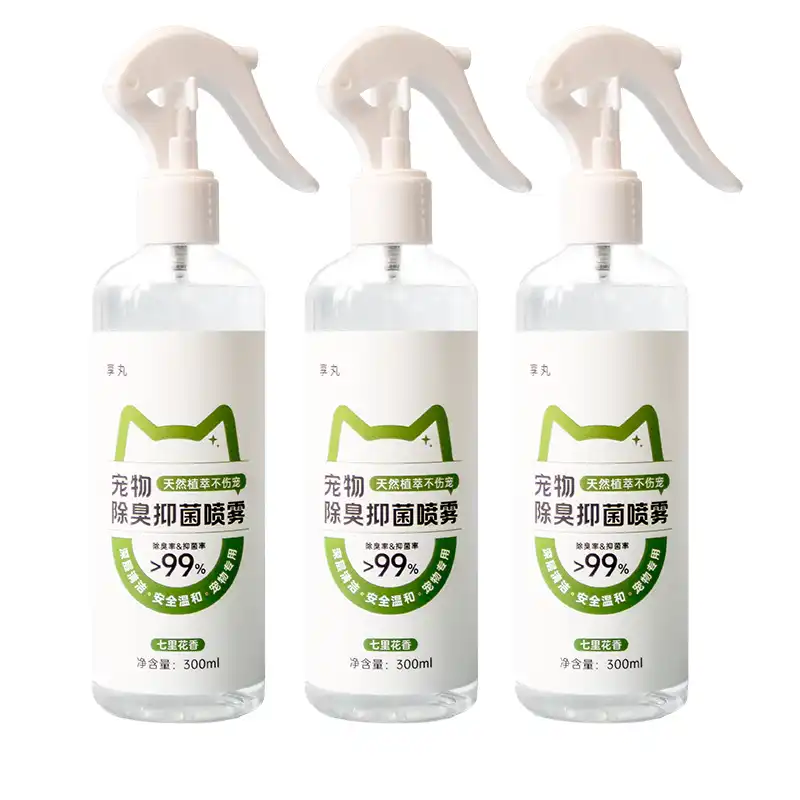
Understanding Pet Disinfectants: Spray vs Liquid Formats
Why Pet-Specific Formulations Matter?
A lot of general home cleaners have strong chemicals in them, like bleach, ammonia, or phenols, that are very dangerous for cats and dogs. Pet disinfectants are made with chemicals that break down into non-toxic leftovers to balance their antimicrobial effectiveness with animal safety. Procurement managers who work with grooming shops, veterinary hospitals, and boarding facilities need to make sure that the products they buy are safe for animals, especially puppies, kittens, and pets with weak immune systems. Pet disinfectants get rid of germs, viruses, and fungi without leaving behind smelly or sticky substances that pets could lick or eat when they groom themselves.
Key Differences Between Spray and Liquid Disinfectants
Spray disinfectants come in trigger bottles or spray cans that are already mixed, so they can be used right away without having to measure or prepare anything. This format works great in veterinary offices to clean up quickly between patients' visits and in stores where workers need to clean up quickly and correctly. The fine mist coverage gets into cracks in pet carriers and grooming tools easily.
To dilute liquid concentrates according to the manufacturer's instructions, you usually need measure tools and mixing containers. This layout works well for big businesses like kennels and wholesalers who clean up large floor plans, outdoor runs, and a lot of equipment. Concentrates are more cost-effective for people who use a lot of them because they cut down on wasteful packing and shipping costs. Both forms use active ingredients like hypochlorous acid, quaternary ammonium compounds, or plant extracts, but the way they are delivered completely changes how they work together and how much they cost per use.
Safety Considerations Across Species
Because cats' metabolisms are different, they have trouble breaking down some chemicals. This makes them very sensitive to phenolic and essential oils. Dogs can handle a wider range of ingredients, but pups younger than six months need formulations that are softer. Liquid concentrates can have wrong dilution ratios that make them less safe or less effective, while spray products have controlled dispensing that lowers the risk of over-application. Specifications for buying things should require clear labels that say how to use them safely for each species and safety certificates from a third party. Hypochlorous acid-based solutions are the best for multi-species sites because they contain a naturally occurring antimicrobial substance that works like the immune system's protection against pathogens without being harmful.
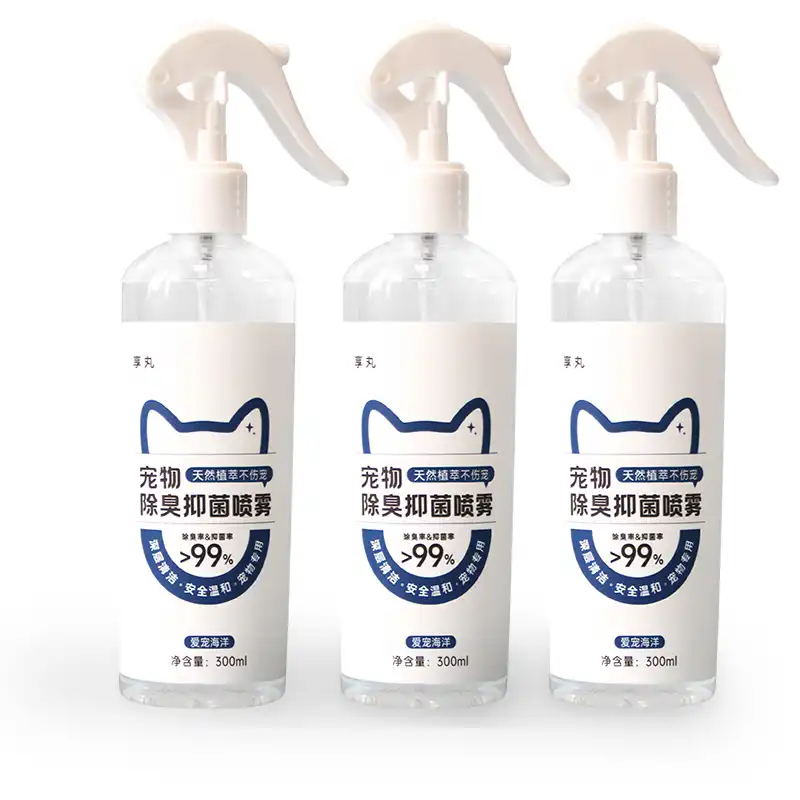
Criteria for Choosing Between Spray and Liquid Pet Disinfectants
Antimicrobial Effectiveness and Veterinary Standards
Pet disinfectants that work must be able to kill a wide range of germs, including Parvovirus, Bordetella, E. coli, Salmonella, and Giardia. Testing by a separate lab should show that 99.99% of pathogens are gone after 30 seconds to 10 minutes of touch. Antimicrobial claims can be judged by the Association of American Feed Control Officials and veterinarian infection control standards.
Hypochlorous acid products clean like they're in a hospital while still being safe for people with allergies and not harmful to the skin, eyes, or lungs. Sprays that contain hypochlorous acid kill pathogens right away and can be used to clean wounds and surfaces between touching animals. Using liquid solutions with quaternary ammonium compounds on floors and walls kills germs for a long time, but they need to be applied with enough air flow. Purchasing managers should ask producers for information on how well their products work, such as their EPA registration numbers and whether they follow veterinarian biosecurity procedures.
Safety Profile: Natural vs Chemical Ingredients
Pet disinfectant with natural ingredients uses plant-based detergents, organic acids, and biological cleaners that break down quickly and don't stay in the environment for long. These goods are liked by stores that care about the environment and boarding facilities that try to run green businesses. Chemical disinfectants that contain stabilized chlorine or manufactured quaternary compounds kill germs faster and last longer, but they may make people with respiratory allergies sick when used in small areas.
Hypochlorous acid technology is becoming the new standard. It combines the safety of natural ingredients with the effectiveness of chemicals. This substance is made by electrolyzing salt water, and after use, it breaks down into harmless saline, so there are no worries about harmful residues. Pet owners are looking into cleaning methods more and more, which gives stores and online sellers a competitive edge when it comes to ingredient clarity. Products shouldn't have strong alcohols, artificial scents, or secret mixes that make it harder to check for safety on animals that are more likely to be hurt.
Usability and Operational Efficiency
Spray disinfectants work well in busy places that need to be treated more often for small areas. Grooming shops like trigger bottles because they let them clean tools, tables, and tubs between clients without stopping work. Veterinary staff use sprays to clean the exam rooms and the tools they use to prepare for surgery. Mobile grooming trucks and vets who come to your home can use portable packing.
Liquid solutions need to be prepared ahead of time, but they help with cost-effective large-scale cleaning. Kennel workers reduce concentrates in mop buckets and power sprayers so that the whole building can be cleaned and maintained. Concentrates are better for businesses with enough storage room because gallon jugs take up less shelf space per use than spray bottles of the same size. Different types of sprays dry at different rates. For example, alcohol-enhanced sprays dry in minutes, while residue-free hypochlorous solutions only need to be wiped off. Format should be chosen based on how well the staff is trained, the storage facilities available, and how often the format is usually cleaned.
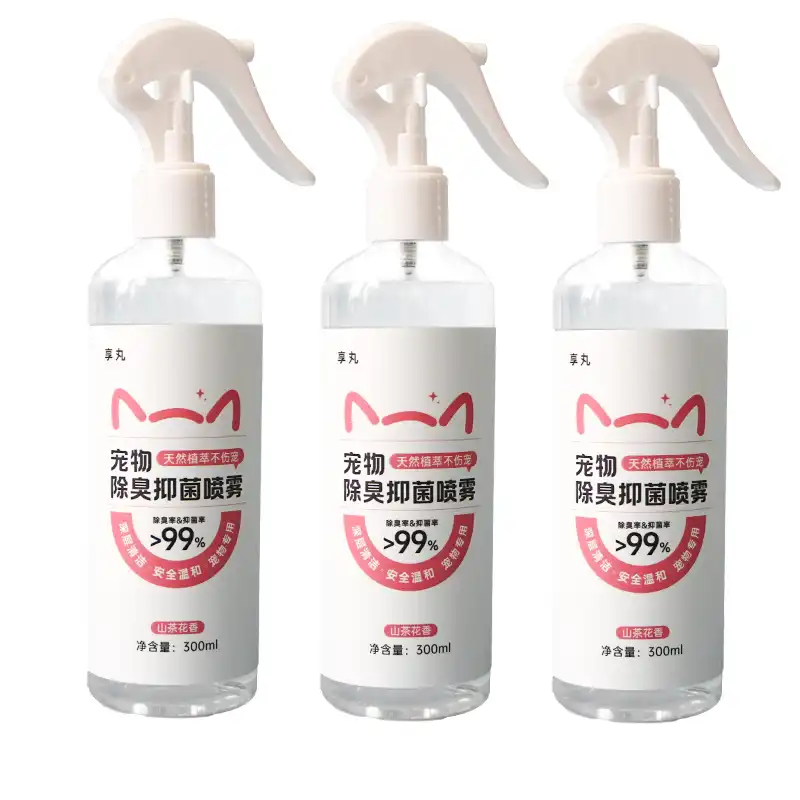
Market Comparison: Spray vs Liquid Pet Disinfectant Brands and Products
Pricing Models and Packaging Options
Spray bottles sold in stores usually cost between $12 and $35 for a 16-ounce bottle. They are designed to be convenient for pet owners and small-scale professionals. When you buy a case of 12 to 24 bottles of spray in bulk through a wholesaler network, you can save 20 to 30 percent. This is a good deal for online sellers who need to keep product on hand for quick shipping.
The price of liquid concentrate depends on how much you buy. A gallon bottle can give anywhere from 10 to 128 gallons of ready-to-use solution, and it costs $40 to $90. Five-gallon pails with pump dispensers are used by big kennels and grooming shop chains. They cost between $180 and $400, but when properly diluted, the price per gallon drops below $3. Manufacturers like HICC Pet offer subscription models that offer quarterly shipments with savings of 15–25%. This is appealing to vet offices and boarding companies who need to handle their supply chains in a predictable way. More and more, buyers who care about the environment want concentrated refill bags, which use 70% less plastic than regular bottles and make less waste.
Customer Reviews and Professional Feedback
Grooming shop owners always say good things about hypochlorous acid sprays because they get rid of smells without covering up scents that make animals anxious. Reviews talk about how quickly it dries, which helps people keep their appointments, and how important it is that the powder doesn't slip in wet cleaning areas. When veterinary offices switched from quaternary ammonium sprays to hypochlorous solutions, staff breathing problems went down. This improved safety in the workplace.
When it comes to cleaning up big outdoor runs and training areas, kennel managers say that liquid solutions save them more than 60% of the cost of ready-to-use sprays. Distributor feedback stresses that customers want clear directions on how to dilute and color-coded measure systems that stop waste from over-concentration. Online stores that sell spray products have higher customer lifetime value because customers buy from them more than once. Wholesale customers, on the other hand, look for concentrate providers that offer private label customization and flexible minimum order amounts.
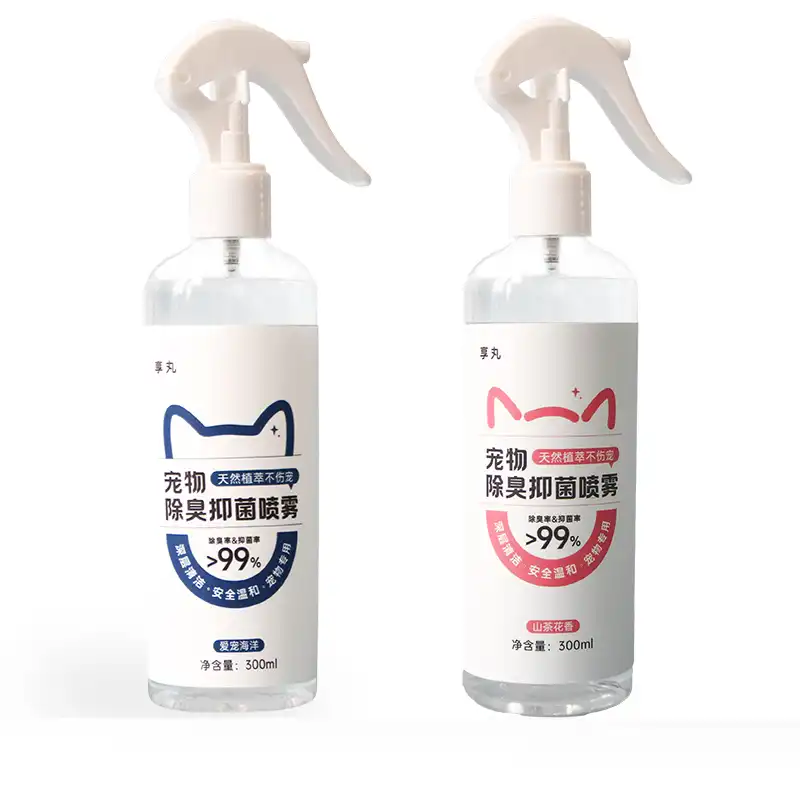
Conclusion
When choosing between spray and liquid pet disinfectants, you have to weigh the ease of the product right now against the cost in the long run, while also putting animal safety and antimicrobial performance first. Spray products work great in busy veterinary offices, mobile grooming businesses, and stores where people want to buy things because they are easy to use. Liquid concentrates are the most cost-effective way to run big facilities and trade businesses as long as they have the right equipment to support proper diluting and application. Hypochlorous acid technology is the best active ingredient because it kills pathogens at a hospital level and is safe enough for animals that are sensitive to chemicals. When reviewing suppliers, people who work in procurement should ask for full proof of tests for effectiveness, following all regulations, and being open about the ingredients they use. The best way to clean a building is usually to use both types: sprays for small areas and wound care, and solutions for the whole building. This two-part method improves operational flexibility while also making the best use of budgets across a wide range of pet care uses.
FAQ
Are pet disinfectants safe for cats and puppies?
Quality pet disinfectants made with hypochlorous acid are safe for cats, dogs, and pups as long as they are used according to the directions on the bottle. Cats need extra care because their bodies are sensitive to phenols and essential oils; make sure the items you buy say they are certified feline-safe. For puppies younger than six months, sensitive formulas that don't have any scents are best because they don't irritate the lungs. Let surfaces that have been cleaned dry completely before letting animals touch them. However, hypochlorous solutions usually let animals back in right away because the residue they leave behind is not harmful.
Can humans safely use pet disinfectants?
Humans are not at all at risk when using hypochlorous acid or plant ingredients in pet disinfectants that meet EPA safety guidelines. These formulas don't use strong chemicals like bleach, which can irritate the skin and lungs. When working with concentrates, people should wear gloves during dilution so that they don't get skin-contact with pure solutions for long periods of time. Premium pet disinfectants are safe, which means they can be used in places where vulnerable people or children are housed with animals.
What harmful ingredients should be avoided?
Avoid pet disinfectants with phenols because they are bad for cats' livers, smells that aren't listed because they can make cats' lungs react badly, and strong alcohols that dry out and crack paw pads. Even though quaternary ammonium chemicals work, they need to be completely dry and well-ventilated before animals can go back in. Synthetic colors and stabilizers, such as parabens, don't kill germs and raise the risk of allergic reactions. Give more weight to goods that list all of their ingredients and have third-party safety certifications.
Partner with Yunlan for Premium Pet Disinfectant Solutions
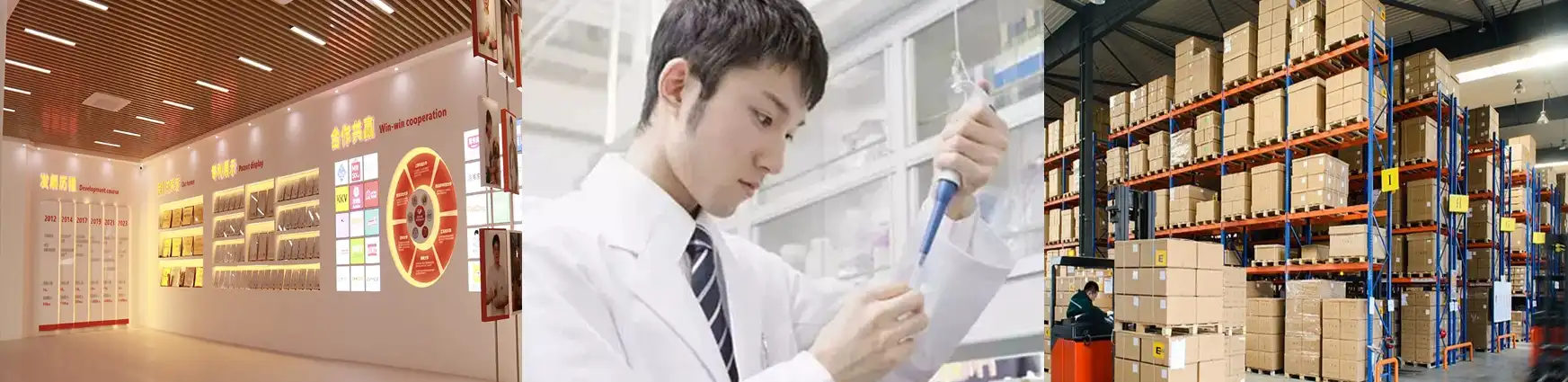
With the help of Ruixin Cloud Wave Group's strong manufacturing infrastructure, Yunlan makes pet disinfectants that are safe for pets and are accepted by vets and pet care centers in more than 60 countries. Our hypochlorous acid-based sanitizers kill dangerous microorganisms effectively while letting pets play freely in treated areas. This gives families and workers peace of mind. With more than 20 years of experience in the supply chain and nearly 100 million yuan spent on research and development, we keep quality standards that are the highest in the industry, which are backed up by 97 domestic patents.
We have been a provider of pet disinfectants for a long time, so we can offer open private labeling, discounts for buying in bulk, and special formulations that meet strict U.S. and European legal requirements. Our three most popular brands—Yihe, Paihao, and Maodali—each make more than 300 million yuan a year, which shows that they are reliable in the market. Our technical team can help you choose the right products, follow the right application processes, and make sure your businesses is compliant whether you run a veterinary center, a grooming salon, a retail chain, or a delivery network.
Find out how our state-of-the-art factories in Suqian use cutting-edge cleaning technology from Gaoying Irradiation and JD networks to make logistics easy. Get in touch with Yunlan right away at minghuixu6717@gmail.com or visit yunlanpets.com to talk about their special bulk prices and custom purchasing options that will improve your hygiene while lowering your costs.
References
- Johnson, M. & Peterson, R. (2024). Antimicrobial Efficacy of Hypochlorous Acid in Veterinary Applications. Journal of Veterinary Infection Control, 18(3), 142-158.
- American Animal Hospital Association. (2025). Guidelines for Disinfection and Environmental Control in Companion Animal Facilities. AAHA Press.
- Chen, L., Davis, K., & Thompson, S. (2024). Comparative Analysis of Pet-Safe Disinfectant Formats: Cost-Effectiveness and Operational Efficiency. Pet Care Industry Review, 31(2), 89-104.
- Environmental Protection Agency. (2025). Registered Antimicrobial Products for Animal Environments: Safety and Efficacy Standards. EPA Office of Pesticide Programs.
- Martinez, A. & Singh, P. (2024). Toxicity Profiles of Common Disinfectants in Feline and Canine Populations. Veterinary Toxicology Quarterly, 47(4), 312-329.
- National Pet Care Procurement Association. (2025). B2B Buying Trends in Professional Pet Sanitation Products. NPCPA Annual Market Report.