- English
- French
- German
- Portuguese
- Spanish
- Russian
- Japanese
- Korean
- Arabic
- Irish
- Greek
- Turkish
- Italian
- Danish
- Romanian
- Indonesian
- Czech
- Afrikaans
- Swedish
- Polish
- Basque
- Catalan
- Esperanto
- Hindi
- Lao
- Albanian
- Amharic
- Armenian
- Azerbaijani
- Belarusian
- Bengali
- Bosnian
- Bulgarian
- Cebuano
- Chichewa
- Corsican
- Croatian
- Dutch
- Estonian
- Filipino
- Finnish
- Frisian
- Galician
- Georgian
- Gujarati
- Haitian
- Hausa
- Hawaiian
- Hebrew
- Hmong
- Hungarian
- Icelandic
- Igbo
- Javanese
- Kannada
- Kazakh
- Khmer
- Kurdish
- Kyrgyz
- Latin
- Latvian
- Lithuanian
- Luxembou..
- Macedonian
- Malagasy
- Malay
- Malayalam
- Maltese
- Maori
- Marathi
- Mongolian
- Burmese
- Nepali
- Norwegian
- Pashto
- Persian
- Punjabi
- Serbian
- Sesotho
- Sinhala
- Slovak
- Slovenian
- Somali
- Samoan
- Scots Gaelic
- Shona
- Sindhi
- Sundanese
- Swahili
- Tajik
- Tamil
- Telugu
- Thai
- Ukrainian
- Urdu
- Uzbek
- Vietnamese
- Welsh
- Xhosa
- Yiddish
- Yoruba
- Zulu
Mealworms are a great source of protein for young birds, and dried mealworms baby birds may be a healthy addition to their diet in those first few weeks of life. The larvae of mealworms (Tenebrio molitor) look a lot like the insects that birds gather in the wild to feed to their young. When it comes to hand-raising orphaned chicks, wildlife rehabilitators have used mealworms for a long time. Licensed bird rehabilitator Laura Erickson has said that mealworms were "especially important for feeding baby birds" while she was rescuing birds from the 1980s onwards.
It is important to be careful while selecting, preparing, and serving mealworms to newborn birds. Different animals have different reactions. Always include the larvae in a larger feeding plan since they are not nutritionally adequate on their own. Learn all you need to know about mealworms, including how to feed them properly, potential dangers to look out for, and how to find a good source, in this comprehensive guide.

Nutritional Value of Mealworms for Baby Birds
The widespread use of mealworms in baby-bird care may be better understood when one considers what they really contain. Impressive as the nutritional profile is, there are still gaps that carers should fill in.
Protein, Fat, and Key Micronutrients
Protein is abundant in mealworm larvae. Research published in the journal Animals indicates that crude protein usually falls between the 50 to 60 percent range on a dry-weight basis. The composition of raw, live larvae is around 20% protein, 13% fat, and 62% water. Because nestlings cannot sip water on their own and must rely only on the moisture in their food, it is crucial that the live mealworms that newborn birds consume also provide critical hydration.
Mealworms are a great source of micronutrients in addition to macronutrients. The larvae include significant amounts of potassium, phosphorus, zinc, iron, copper, and selenium, according to laboratory analytical results. Additionally, the profile of amino acids is robust. Important for tissue development in growing chicks, lysine (about 3.18% of the total) and threonine (about 1.34% of the total) are present in significant amounts. Oleic acid and linoleic acid are two essential fatty acids that help with brain development and the creation of feathers in the beginning.
Nutritional Limitations to Keep in Mind
Although mealworms are beneficial, they do not provide all of the nutrients that young birds need. A stern warning has been issued by the North American Bluebird Society: mealworms "do not provide complete nutrition" and "are calcium depleting, which can leave young birds with weak bones." One of the most significant dangers when mealworms constitute an excessive portion of a newborn bird's diet is this calcium shortage.
The nutritional quality of dried mealworms baby birds may also differ according on the food that the larvae are given. In comparison to larvae given supplemented meals, those reared on plain wheat bran substrates will have lower nutrient densities. Adding pea or rice protein to larval nutrition increased the larvae's protein content to 70.9% to 74.1% dry weight, according to research from Wageningen University. Because of this, it is highly advised to do what is known as "gut-loading" — giving mealworms a nutrient-dense substrate for a day or two before giving them to birds.
As a general rule, mealworms fed to young birds should never be served alone. A more well-rounded diet than only mealworms is achieved by adding soft fruits, different kinds of insects, and species-appropriate commercial hand-rearing formula.

How to Feed Mealworms to Baby Birds Safely?
The nutritional value of mealworms is only half the story. Very nothing is more important than the method of preparation, the size, and the timing, particularly for delicate nestlings whose digestive systems are still maturing.
Choosing Between Live and Dried Mealworms
In most cases, young birds do better when fed live mealworms. Their writhing motion may stimulate natural feeding reactions in chicks who are starting to eat on their own, their soft bodies are easier on immature digestive systems, and their high moisture content helps hydrate them. When it comes to hand-rearing, experienced bird rehabilitators often choose using live larvae and dried mealworms baby birds.
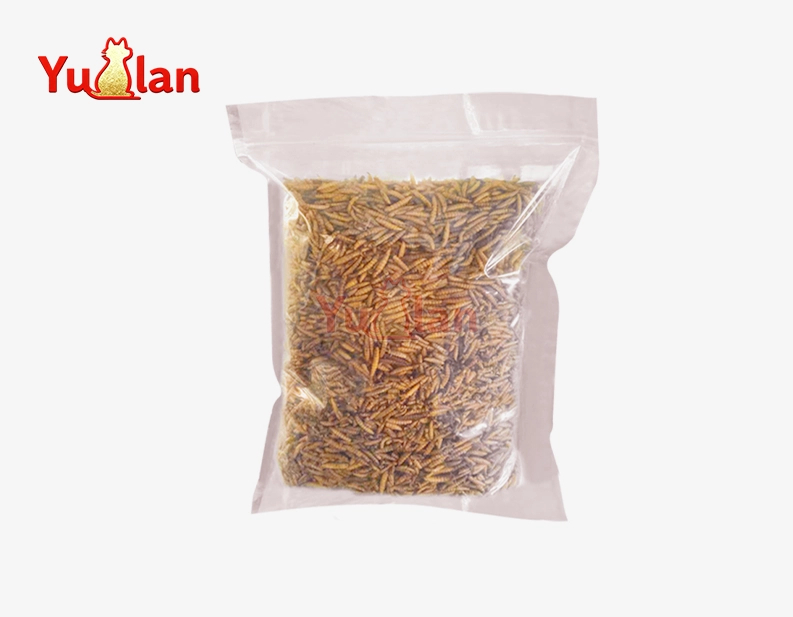
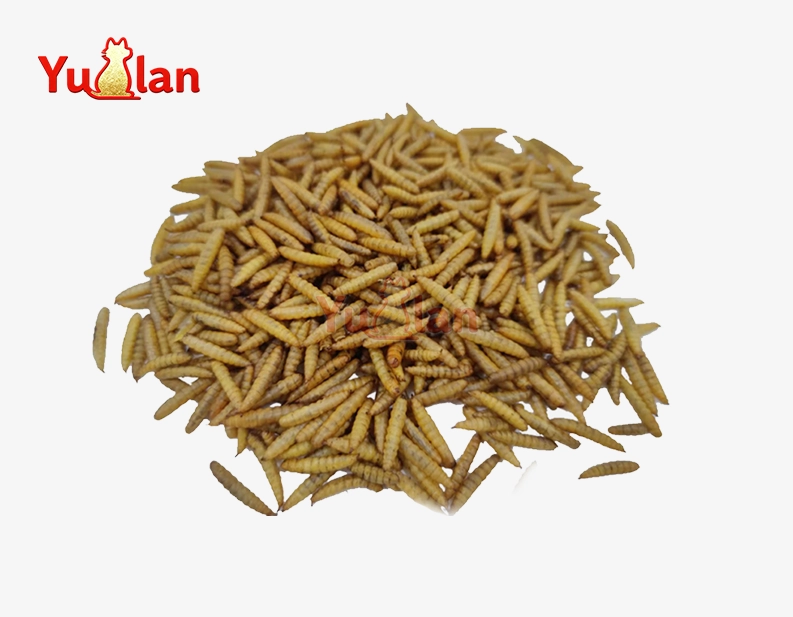
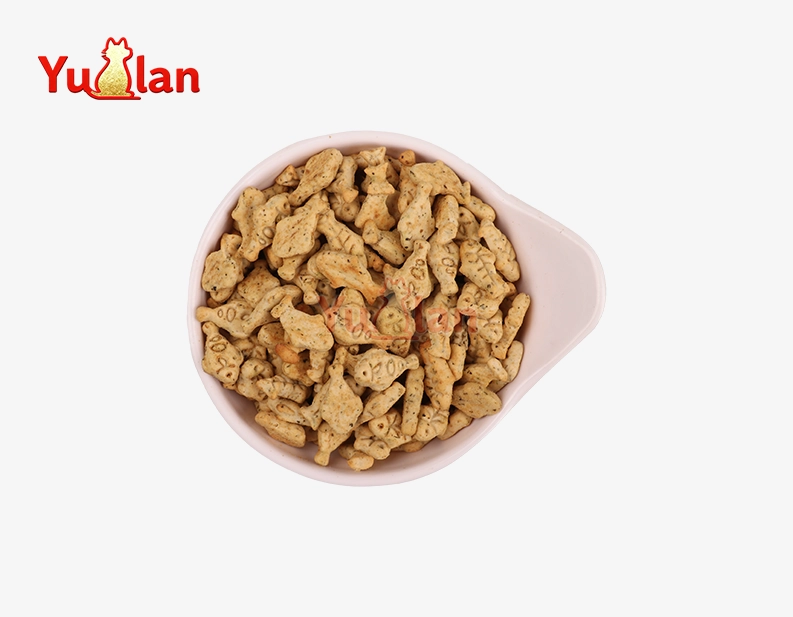
Whether you're a home bird enthusiast or run a facility with a huge bird population, dried mealworms are a practical choice due to their extended shelf life and ease of use. But, before eating, young birds should soak the dried mealworms that they get during breeding season in warm water for around ten to fifteen minutes. Little nestlings face a real risk of choking when they attempt to swallow a hard, dry larva; however, soaking them replenishes moisture, softens their exoskeleton, and greatly minimises this risk.
Try to get dried mealworms that haven't been treated with any artificial flavours or preservatives. Drying foods at very high temperatures tends to destroy most of the nutrients, whereas choices that are microwaved or freeze-dried keep most of the nutrients. Dried mealworms that include just one ingredient are the best option, but you should always read the label.
Age-Appropriate Preparation and Sizing
The best way to cook mealworms depends on the chick's age. The digestive tracts and little bills of nestlings, who are usually 10 to 14 days old, are still developing. These little birds need mealworms that have been crushed or sliced very finely. An alternative that is both practical and economical is mini mealworms, which are around 1/3 the size of larvae. At this point in their development, young birds may even be given crushed mealworms with a little water using an eye dropper.
Around two to five weeks of age, fledglings are able to eat either entire micro larvae or minced mealworms. Plastic tweezers or a stick with a blunt point should be used for feeding. Because of the delicate tissue in the bird's mouth, metal tweezers should never be used on it. To initiate the swallowing reflex, gradually move food toward the rear of the mouth.
Feeding Frequency and Portion Sizes
Young birds have rapid metabolic rates and little bellies. Eating often is necessary for them. During the day, you should feed your nestlings every fifteen to thirty minutes. Keep to this routine; if you suddenly start feeding your chick more often, it may start to reject food altogether. You may progressively expand the feeding intervals as the bird matures.
Both underfeeding and overfeeding pose risks. As a rule of thumb, you shouldn't feed a newborn bird more than five times an hour. Ten to fifteen percent of a young bird's daily caloric intake should come from mealworms. A mixture of various soft meals and a formula tailored to the species should make up the rest.
Trust is developed by a regular, regular schedule. Consistently feed your pet throughout the day. Keep an eye on the chick's crop—that little pouch sitting at the base of its neck—to make sure it empties properly in between feedings. Constant fullness in the crop might be a sign of gastrointestinal issues that need veterinarian care.
Species Differences That Matter
While hand-rearing, mealworms are a boon to the majority of songbirds, including robins, bluebirds, wrens, thrushes, and starlings, all of which eat insects and other small animals. It is well-known that bluebird parents feed their nestlings mealworms while they are in the wild.
In order to digest grains, seed-eating birds, such as finches, have evolved specialised digestive systems. While young birds of other species may gleefully devour mealworms, it's important to ease them into eating these insects and ensure they don't take over their diet. Mealworms aren't a good fit for nectar-feeding animals like hummingbirds because of their specific dietary needs. When it comes to feeding raptors, ducks, or any other animal with a unique eating biology, it's best to have the advice of an avian vet.

Risks, Precautions, and Common Mistakes
Even if mealworms are generally harmless for juvenile birds, they may still cause serious injury if not handled properly. Avoidable situations may be prevented by being forthright and understanding the dangers.
Calcium Depletion and Metabolic Bone Disease
When it comes to the dangers of feeding mealworms to young birds, this is the biggest concern. The ratio of calcium to phosphorus is low in mealworms. Mealworms are a great source of calcium, but eating too many of them might cause metabolic bone disease (MBD). Feeling weak, shaky, and unable to perch—and in the worst instances, broken bones—are the symptoms.
The answer is simple: you should never rely just on mealworms for your diet. Add a calcium supplement to the mealworms' dust before feeding them. Additionally, provide meals that are high in calcium. Make sure the chick is also getting a species-appropriate, balanced hand-rearing mix. Despite their many benefits, mealworms should only be used as a dietary supplement.
Contamination and Storage Hazards
Your mealworms will only be as clean as the place you raise them in. Inadequately supplied larvae can potentially harbour pollutants, mould, or bacteria that were present in their substrate. The larvae of certain commercial mealworms may be able to absorb poisons made of ink if they consume newsprint, which is a common shipping material for these worms. It is important to swiftly transfer the mealworms that young birds will consume onto a clean substrate, such as oatmeal or wheat bran, after purchasing them.
Storage is also important. To keep mealworms from pupating and slowing their metabolism, place them in a well-ventilated container and store them in the fridge at 40-50°F (4-10°C). To make it more moist, you may add thin slices of potato, apple, or carrot. Keep dried mealworms in an airtight container in a cold, dry place where the humidity is less than 60%. Keep an eye out for pests, mould, or moisture in containers on a regular basis. Get rid of any merchandise that has gone bad right away.
Over-Reliance on a Single Insect Species
When raising young, birds in the wild eat a broad range of insects. There is a distinct dietary profile for each species. No matter how well-prepared mealworms are, they still can't compare nutritionally to a diversified diet of insects. Be sure to provide your young birds a variety of safe feeder insects, such as waxworms, tiny crickets, or insect mixes that are sold in stores, in addition to mealworms and dried mealworms baby birds. This approach offers a wider range of micronutrients and is more in line with how the body naturally absorbs them.

Sourcing Quality Mealworms for Baby Birds
The amount of nourishment your birds get is proportional to the quality of the mealworms you feed them. You can't trust any mealworm you buy from the store.
What to Look for in a Supplier?
Trustworthy vendors uphold open and honest manufacturing procedures. Concerned about the larvae's food source? Top-notch facilities employ enhanced grain-based substrates, not trash, for their larval nutrition. Enquire about the protein content, moisture levels, and findings for common pollutants such as heavy metals and Salmonella by requesting certificates of analysis. This paperwork will be easily provided by reputable providers.
Be sure to look for mealworms that are devoid of additives and preservatives when purchasing them for your young birds. Having organic certification or being in conformity with GMP (Good Manufacturing Practices) is an added layer of confidence. Get several samples to make sure the quality is right before you commit to a big purchase if you're buying in bulk.
Live vs. Dried: A Practical Comparison
Although they have a shorter useable lifetime and need careful temperature control, live mealworms provide excellent moisture and palatability. They need to be fed often and kept cold. For long-term storage, dried mealworms are more cost-effective, simpler to portion, and have a shelf life. The most versatility is provided by having both formats available, which is ideal for most venues and backyard hobbyists.
Think about the whole cost, not simply the price per unit, when you calculate it. There are immediate and recurring expenses associated with caring for young birds that feed mealworms, including substrate, refrigeration, and waste. Tho they are more expensive per gram of protein initially, dried mealworms are very easy to work with and create nearly little waste. When it comes to commercial bird breeding operations, dried mealworms are usually the most cost-effective option.
Gut-Loading: Maximizing Nutritional Value
Gut loading is a simple approach to increase the amount of mealworms that newborn birds eat. Before you give live mealworms to chicks, feed them a nutrient-dense diet for at least two days. Muesli that has been fortified with calcium powder, high-quality chicken chick starting feed and fresh vegetable peelings are all excellent substrates for gut loading. This method greatly improves the nutritional density of every single larva by increasing their vitamin, mineral, and total nutrient content.
The more nutritious the mealworm, the more nutrients it will provide to the bird. When mealworms constitute the main supply of insects for juvenile birds, rather than just one among several kinds, gut-loading becomes even more crucial.
FAQ
Can all baby bird species eat mealworms?
Most insectivorous and omnivorous baby birds — including robins, bluebirds, wrens, and starlings — thrive with mealworm supplementation. Seed-specialized species like finches can accept small amounts if introduced gradually. Nectar feeders like hummingbirds are not suitable candidates. Always consult an avian veterinarian for species-specific advice.
At what age can baby birds start eating mealworms?
Nestlings as young as 10 to 14 days old can eat finely crushed or mini mealworms. The exact timing depends on the species, the chick's developmental stage, and the maturity of its digestive system. Younger hatchlings should remain on liquid or formula-based diets until they are developmentally ready for solid insect matter.
Should I use live or dried mealworms for baby birds?
Live mealworms are preferred for hand-rearing because they provide moisture and are easier to digest. Dried mealworms work well when soaked in warm water for 10 to 15 minutes before feeding. During breeding season, soaking dried mealworms is especially critical because baby birds cannot drink water and depend on food for hydration.
How many mealworms should I feed a baby bird per day?
Mealworms should make up about 10 to 15 percent of the chick's total daily food intake. The exact number varies by species, age, and size. Feed small amounts frequently rather than large amounts infrequently. Avoid feeding more than five times per hour to prevent overfeeding.
Are mealworms safe as the only food for baby birds?
No. Mealworms lack sufficient calcium and do not provide complete nutrition on their own. A diet relying solely on mealworms can cause metabolic bone disease. Always combine mealworms with a species-appropriate hand-rearing formula, calcium supplements, and a variety of other soft foods.
How should I store mealworms to keep them fresh?
Store live mealworms in a ventilated container in the refrigerator (40–50°F / 4–10°C) with oatmeal substrate and vegetable slices for moisture. Store dried mealworms in airtight containers in a cool, dry location with humidity below 60 percent. Inspect regularly and discard any stock showing mold or spoilage.

Elevate Your Bird Care Operations with Premium Mealworm Solutions
If your bird-rearing business is serious about producing healthy birds and running efficiently, you need Yunlan's top-notch feeding solutions. A diet free of chemicals and preservatives, our young birds thrive on our microwave-dried mealworms, which promote healthy growth and lessen the likelihood of illness. Yunlan offers trustworthy mealworms baby birds supplier partnerships and dried mealworms baby birds supplier partnerships supported by state-of-the-art production technology and over 20 years of specialised experience. The company's three flagship brands generate over 300 million yuan per year, and its distribution networks reach over 60 countries and 10,000 retail outlets.
To learn more about how our premium mealworm products may improve your bird feeding operations and increase operational profits, contact minghuixu6717@gmail.com now.
References
- Bovera, F., Piccolo, G., Gasco, L., Marono, S., Loponte, R., Vassalotti, G., Mastellone, V., Lombardi, P., Attia, Y.A., & Nizza, A. (2015). Yellow mealworm larvae (Tenebrio molitor, L.) as a possible alternative to soybean meal in broiler diets. Journal of Animal Feed Sciences, 24(2), 104–111.
- Biasato, I., De Marco, M., Rotolo, L., Renna, M., Lussiana, C., Dabbou, S., Capucchio, M.T., Biasibetti, E., Costa, P., Gai, F., Pozzo, L., Dezzutto, D., Bergagna, S., Martínez, S., Tarantola, M., Gasco, L., & Schiavone, A. (2016). Effects of dietary Tenebrio molitor meal inclusion in free-range chickens. Journal of Animal Physiology and Animal Nutrition, 100(6), 1104–1112.
- Loponte, R., Nizza, S., Bovera, F., De Riu, N., Fliber, K., Mehber, M., Vassalotti, G., Mastellone, V., Nizza, A., & Meo, C.D. (2017). Growth performance, blood profiles and carcass traits of barbary partridge (Alectoris barbara) fed two different insect larvae meals (Tenebrio molitor and Hermetia illucens). Research in Veterinary Science, 115, 183–188.
- Benzertiha, A., Kierończyk, B., Kołodziejski, P., Pruszyńska-Oszmałek, E., Rawski, M., Józefiak, D., & Józefiak, A. (2020). Tenebrio molitor and Zophobas morio full-fat meals as functional feed additives affect broiler chickens' growth performance and immune system traits. Poultry Science, 99(1), 196–206.
- Dabbou, S., Gai, F., Biasato, I., Capucchio, M.T., Biasibetti, E., Dezzutto, D., Meneguz, M., Plachà, I., Gasco, L., & Schiavone, A. (2018). Black soldier fly defatted meal as a dietary protein source for broiler chickens: effects on growth performance, blood traits, gut morphology and histological features. Journal of Animal Science and Biotechnology, 9, 49.
- Hussain, I., Khan, S., Sultan, A., Chand, N., Khan, R., Alam, W., & Ahmad, N. (2020). Meal worm (Tenebrio molitor) as potential alternative source of protein supplementation in broiler. International Journal of Biosciences, 10(4), 225–232.