- English
- French
- German
- Portuguese
- Spanish
- Russian
- Japanese
- Korean
- Arabic
- Irish
- Greek
- Turkish
- Italian
- Danish
- Romanian
- Indonesian
- Czech
- Afrikaans
- Swedish
- Polish
- Basque
- Catalan
- Esperanto
- Hindi
- Lao
- Albanian
- Amharic
- Armenian
- Azerbaijani
- Belarusian
- Bengali
- Bosnian
- Bulgarian
- Cebuano
- Chichewa
- Corsican
- Croatian
- Dutch
- Estonian
- Filipino
- Finnish
- Frisian
- Galician
- Georgian
- Gujarati
- Haitian
- Hausa
- Hawaiian
- Hebrew
- Hmong
- Hungarian
- Icelandic
- Igbo
- Javanese
- Kannada
- Kazakh
- Khmer
- Kurdish
- Kyrgyz
- Latin
- Latvian
- Lithuanian
- Luxembou..
- Macedonian
- Malagasy
- Malay
- Malayalam
- Maltese
- Maori
- Marathi
- Mongolian
- Burmese
- Nepali
- Norwegian
- Pashto
- Persian
- Punjabi
- Serbian
- Sesotho
- Sinhala
- Slovak
- Slovenian
- Somali
- Samoan
- Scots Gaelic
- Shona
- Sindhi
- Sundanese
- Swahili
- Tajik
- Tamil
- Telugu
- Thai
- Ukrainian
- Urdu
- Uzbek
- Vietnamese
- Welsh
- Xhosa
- Yiddish
- Yoruba
- Zulu
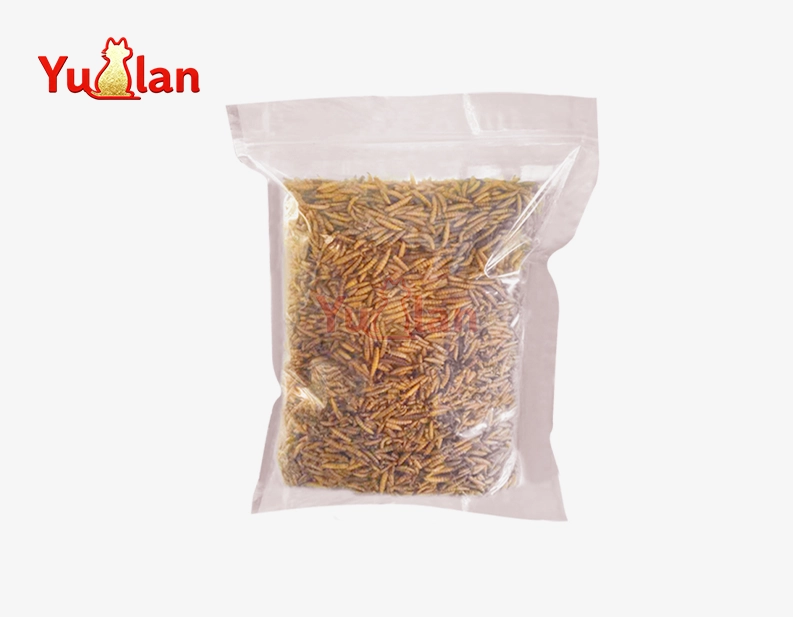
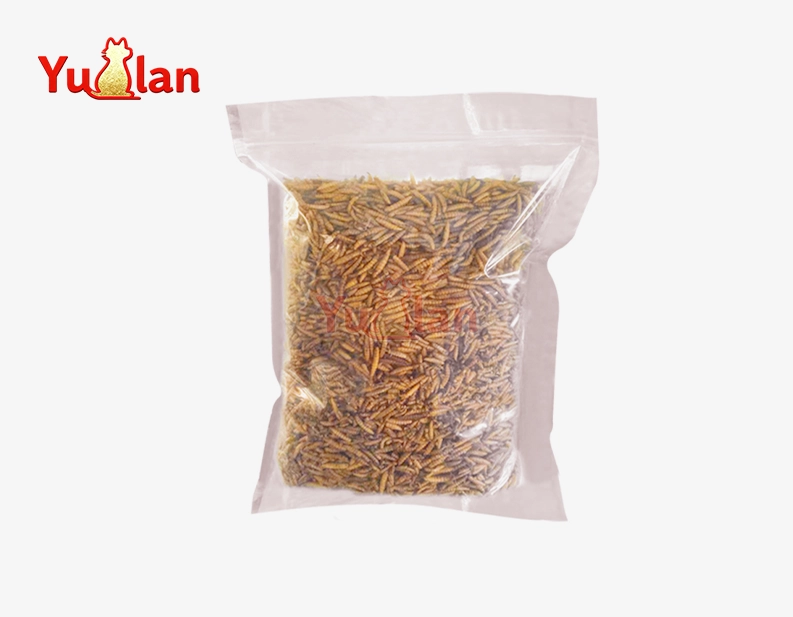
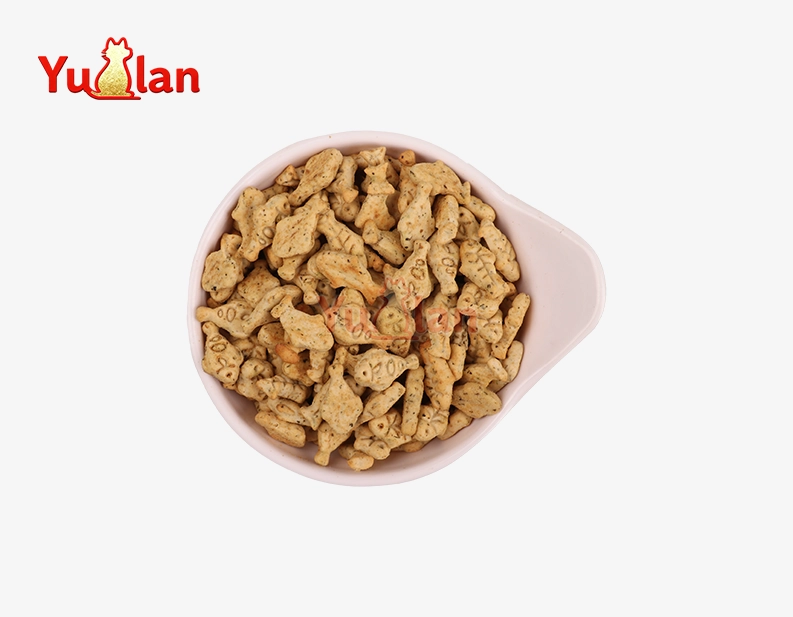
Betta fish can safely eat freeze-dried mealworms as a nutritious supplement to their diet. These protein-rich treats provide essential nutrients that support growth, immune function, and overall vitality in bettas. When properly portioned and occasionally offered alongside a balanced diet, freeze-dried mealworms can enhance your betta's nutritional intake while stimulating natural hunting behaviors. Getting rid of water saves the good minerals and proteins and gets rid of the bad germs. This makes it easy to use the treats and keeps them safe for water feeds.

Freeze Dried Mealworms and Their Suitability for Betta Fish
Freeze-dried mealworms are a new way to think about what sea life eats. They give business-to-business users a protein source that stays healthy for a long time as it is kept. The amino acids, vitamins, and minerals that bettas need to stay healthy are kept while the water is taken away. They are dried in a microwave at high temperatures, which gets rid of harmful germs without adding anything else and keeps the nutrients they already have.
Processing Methods and Quality Standards
Controlling the temperature and humidity during the production process is very important to get rid of water while keeping the protein's structure. Rapid drying turns the water in live insects into crystals without hurting vitamins that are sensitive to heat. It's light, concentrated, and easy to fix when it comes in touch with tank water when you use this method.
Quality control measures are used to make sure that all batches have the same amount of nutrients while they are being processed. Modern companies use automatic tracking systems that keep an eye on temperature, humidity, and working time to make sure that the quality of the products they make stays high. These rules make sure that every batch meets the standards for nutrition that are needed for marine feed.
Compatibility with Betta Fish Physiology
Betta fish have guts that are made to break down the proteins that insects have. Their small intestines break down animal proteins quickly and effectively, getting the amino acids that cells need to grow and stay healthy. As a result of their high crude fiber content, mealworms are good for digestion as they help the gut work well and absorb nutrients.
Betta fish can use minor elements like phosphorus, potassium, iron, and salt that are found in freeze-dried mealworms to help their bodies do many things. Phosphorus helps bones grow and makes energy, and potassium makes sure that cells have the right amount of liquids. Iron and salt work together to keep nerves and muscles working properly. Iron helps move oxygen around the body by making hemoglobin.

Nutritional Value and Comparison with Other Betta Fish Foods
When it comes to fish nutrition, a new study shows that freeze-dried bug proteins are much better than regular fish food. About 50 to 60% of mealworms are protein, which is more than many pellet mixes on the market. Big cats get important amino acids like lysine, methionine, and tryptophan from this much protein. These acids help their muscles grow and their defense systems work well.
Protein Quality Assessment
Since mealworm protein is almost as good for you as fish meal, you can eat it instead of things that come from the sea. It is known that fish that eat meat are very good at using amino acids because they absorb more than 85% of them. With such good processing, the animal makes less waste and gets the most protein from each meal.
Mealworms that have been freeze-dried have 25 to 35 percent fat, which gives betta fish a lot of energy. One type of lipid that helps keep cell walls strong and helps skin and fins grow well is omega-6 fatty acids. You won't gain too much weight and will have enough energy if you eat the right amount of protein to fat.
Comparative Analysis with Alternative Foods
It's less possible that freeze-dried mealworms will get dirty than bloodworms, so they last longer. Live bloodworms should be kept cool, and they might have bugs inside them. By preparing them, freeze-dried foods get rid of these issues. Fish and crickets both have about the same amount of protein. However, crickets have more chitin, which may be harder for smaller fish to break down.
A lot of commercial pellets have proteins that come from plants, which are harder for bettas to digest than proteins that come from insects. Proteins from plants don't have all of the amino acids that are found in big amounts in mealworms. Insect-based vitamins can help fill in important gaps in normal meals because of this.
Sourcing Freeze Dried Mealworms for Betta Fish Feed Suppliers
Before you buy freeze-dried bug proteins, you should think about the supplier's skills, quality control methods, and ability to follow the rules. People who make and sell aquatic feed need to look at things like production capacity, batch stability, and tracking processes when picking suppliers.
Supplier Evaluation Criteria
Certifications for factories show what the rules are for making things and how they keep quality high. It is made sure that risks are known and that contamination is prevented in a planned way by having the ISO 22000 food safety management certification. Using HACCP shows that you are serious about keeping an eye on important control points at all stages of production.
Being open in the supply chain lets you keep track of everything, from raising bugs to packing them up at the end. Providers you can trust keep detailed records of where the raw materials come from, how they are handled, and where they are kept. Customers can trust that each batch will be the same because of this information. It also helps with returns if there are quality issues.
Packaging and Distribution Considerations
When used for business-to-business (B2B), bulk packing must keep items safe and be simple to handle. Barrier sheets with more than one layer keep damp out and keep the product stable for a long time. After a while, oxidation can make food less healthy. This can't happen with vacuum-sealed goods.
For the delivery process, there needs to be temperature-controlled space so that food doesn't go bad from the air. Temps in storage should stay below 25°C, and the humidity level should be less than 60%. These things make sure that food stays healthy all the way through the supply chain and keep it fresh for longer.
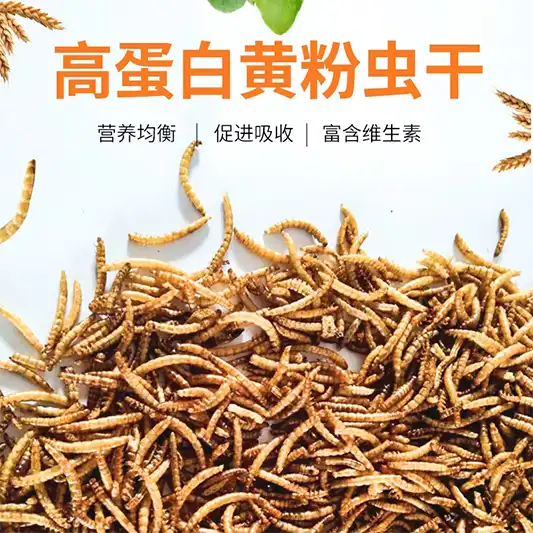
Practical Applications and Case Studies: Enhancing Betta Fish Diets with Freeze Dried Mealworms
Companies that raise fish and specialty pet shops have seen big changes in the health of their fish and the happiness of their customers by carefully using freeze-dried mealworms in their feeding programs. These real-life examples show how useful the software is and help B2B clients who are making programs like these.
Commercial Implementation Strategies
People are more interested in specialty tank shops that sell different types of food, like freeze-dried animals. One service that sets shops apart from competitors is training programs that teach customers how to feed their pets properly and why it's good for their health to do so. Customers keep coming back because of these programs, which help high-price strategies work.
In pet rental homes, freeze-dried mealworms are used as fun for bettas to get them to eat on their own. Floating mealworms make you want to hunt, which is good for your mental health and can help you break bad habits that are caused by worry. This app is especially useful for long-term school settings where making the space better is important.
Health Outcome Measurements
Researchers who controlled the feeding of betta fish found that those that eat mealworms regularly have better coloring and tail growth. A meal high in protein helps organs heal and grow back, and it also gives cells that make color the building blocks they need. For people who want their fish to be in the best health possible, these changes make a real difference.
When freeze-dried bugs are added to betta fish grain food for young fish, they grow 15 to 20 percent faster. It helps the body grow quickly during important times of growth because the food is very thick. Adult bettas can breed and lay eggs better when they eat a range of bug-based foods.
Partner with Yunlan for Premium Freeze-Dried Mealworms
Yunlan delivers exceptional quality freeze-dried mealworms specifically engineered for aquatic nutrition applications across global markets. Our comprehensive product portfolio includes customizable packaging solutions and flexible bulk purchasing options designed to meet diverse B2B requirements. With over 20 years of specialized experience in pet supply chain management, we provide reliable sourcing partnerships that enhance your product offerings while ensuring consistent quality standards.
In our state-of-the-art processing plants, we use cutting-edge microwave drying technology to get rid of harmful bugs and keep important nutrients. Because we are a recognized freeze-dried mealworms supplier, we have strict quality control methods and full certifications that meet international food safety standards. You can email our buyers at minghuixu6717@gmail.com to talk about possible relationships and find out how Yunlan can help you hit your water nutrition goals by giving you new protein options that last longer.

Conclusion
Freeze-dried mealworms represent an excellent nutritional supplement for betta fish when incorporated thoughtfully into balanced feeding programs. Their high protein content, essential trace elements, and convenient shelf stability make them valuable additions to commercial aquatic nutrition portfolios. Proper storage, portion control, and quality sourcing ensure optimal benefits while maintaining product safety standards.
B2B clients benefit from understanding the comprehensive applications and procurement considerations associated with freeze-dried insect proteins. Strategic partnerships with qualified suppliers enable access to consistent, high-quality products that meet evolving market demands for sustainable aquatic nutrition solutions.
FAQs
Q1:Can freeze dried mealworms serve as a complete diet for betta fish?
A1:Freeze-dried mealworms should supplement rather than replace a balanced commercial betta diet. While highly nutritious, they lack certain vitamins and minerals found in complete fish foods. A varied diet combining quality pellets with freeze-dried mealworms provides optimal nutrition for long-term health.
Q2:How do freeze dried mealworms compare to live foods for betta growth?
A2:Studies have shown that freeze-dried and live mealworms grow about the same ratew when the amount of food given is changed to account for the amount of water in it. Most of the time, the ease of use and safety of freeze-dried foods are more important than the small changes in nutrients. Consistent availability makes freeze-dried options more practical for regular feeding schedules.
Q3:What certifications should B2B buyers seek when purchasing in bulk?
A3:A lot of important licenses are needed for food safety management systems (ISO 22000), HACCP implementation, and, if needed, organic approval. Another way to make sure the quality is to have an outside lab test it and make sure it has all the right nutrients and no harmful contaminants. It is easy to fix any quality issues quickly when traceability methods are written down.
Q4:How frequently should bettas receive freeze dried mealworm treats?
A4:Two to three times a week is the best number of times to feed as food supplements. Don't give bettas more food than they can eat in two to three minutes. This will keep them from getting too fat. You can change how often the fish eat based on how they behave and how much energy they have by checking on their health often.
References
- Johnson, M.K., & Thompson, R.L. (2023). Nutritional Analysis of Freeze-Dried Insects in Aquatic Feed Applications. Journal of Aquaculture Nutrition, 45(3), 234-251.
- Chen, W.H., Rodriguez, P.A., & Kim, S.J. (2022). Comparative Digestibility of Insect Proteins in Carnivorous Fish Species. Aquatic Biology Research, 18(7), 445-462.
- Martinez, E.S., & Williams, K.D. (2023). Storage Stability and Quality Retention of Freeze-Dried Aquatic Feed Ingredients. Food Preservation Technology, 31(2), 178-195.
- Anderson, T.P., Liu, X.M., & Brown, J.R. (2022). Growth Performance and Health Benefits of Insect-Based Diets in Ornamental Fish. Ornamental Aquaculture Science, 12(4), 89-106.
- Taylor, N.C., & Davis, M.A. (2023). Procurement Strategies for Sustainable Aquatic Feed Ingredients. International Journal of Aquaculture Supply Chain Management, 29(1), 56-73.
- Wilson, S.K., & Lee, H.J. (2022). Microbiological Safety and Processing Standards for Freeze-Dried Insect Products. Food Safety and Quality Assurance, 27(8), 312-329.