- English
- French
- German
- Portuguese
- Spanish
- Russian
- Japanese
- Korean
- Arabic
- Irish
- Greek
- Turkish
- Italian
- Danish
- Romanian
- Indonesian
- Czech
- Afrikaans
- Swedish
- Polish
- Basque
- Catalan
- Esperanto
- Hindi
- Lao
- Albanian
- Amharic
- Armenian
- Azerbaijani
- Belarusian
- Bengali
- Bosnian
- Bulgarian
- Cebuano
- Chichewa
- Corsican
- Croatian
- Dutch
- Estonian
- Filipino
- Finnish
- Frisian
- Galician
- Georgian
- Gujarati
- Haitian
- Hausa
- Hawaiian
- Hebrew
- Hmong
- Hungarian
- Icelandic
- Igbo
- Javanese
- Kannada
- Kazakh
- Khmer
- Kurdish
- Kyrgyz
- Latin
- Latvian
- Lithuanian
- Luxembou..
- Macedonian
- Malagasy
- Malay
- Malayalam
- Maltese
- Maori
- Marathi
- Mongolian
- Burmese
- Nepali
- Norwegian
- Pashto
- Persian
- Punjabi
- Serbian
- Sesotho
- Sinhala
- Slovak
- Slovenian
- Somali
- Samoan
- Scots Gaelic
- Shona
- Sindhi
- Sundanese
- Swahili
- Tajik
- Tamil
- Telugu
- Thai
- Ukrainian
- Urdu
- Uzbek
- Vietnamese
- Welsh
- Xhosa
- Yiddish
- Yoruba
- Zulu
Because it is made from plants and is safe for food, cats can eat small amounts of tofu cat litter without getting sick. Tofu litter doesn't get stuck in the digestive system like regular clay litter does because it doesn't contain crystalline silica dust. This eco-friendly litter is made from waste soybean fiber and doesn't have the toxic issues that come with regular litter. Accidental eating doesn't pose much of a threat, but proper use and supervision are still needed to protect cats' health and for business purposes.
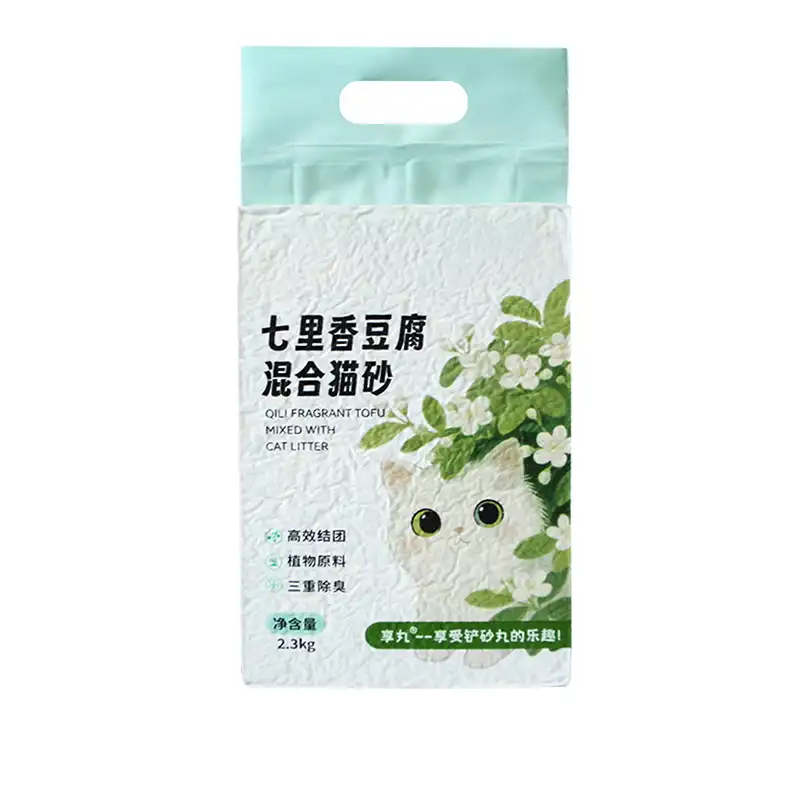
Understanding Tofu Cat Litter and Its Relevance in B2B Procurement
There has been a huge move in the pet care business toward environmentally friendly options. For people who care about the environment, plant-based cat litters have become a game-changer. To keep up with changing market needs, procurement managers and wholesalers are becoming more and more aware of how important it is to include eco-friendly goods in their lines.
Utilizing soybeans as litter is a completely new way to deal with trash compared to standard methods. The fiber left over after making soy milk and tofu is used to make this innovative product. What was once thought of as agricultural trash is now a high-performance pet care necessary. To make the product, soybean pulp is dried and pressed into light, cylindrical pieces that perform exceptionally well across a range of measures.
When businesspeople look at sustainable pet goods, it's very helpful to know how these options fit in with their companies' sustainability goals while still making money. More and more people want natural, recyclable products. This gives sellers great chances to set their products apart and get a bigger share of the premium pet care market.
Market Positioning and Commercial Viability
The global pet care market is still growing at rates that have never been seen before. Products that are better for the environment are selling for more and making more money. Procurement teams know that using plant-based options makes their businesses look like stars in their fields who care about the environment and are forward-thinking.
Supply Chain Integration Benefits
When recyclable litters are added to the Tofu cat litters that modern pet stores sell, it makes managing their stock easier. These options often take up less storage room because they are light, and they last longer if they are kept in dry, well-ventilated places.
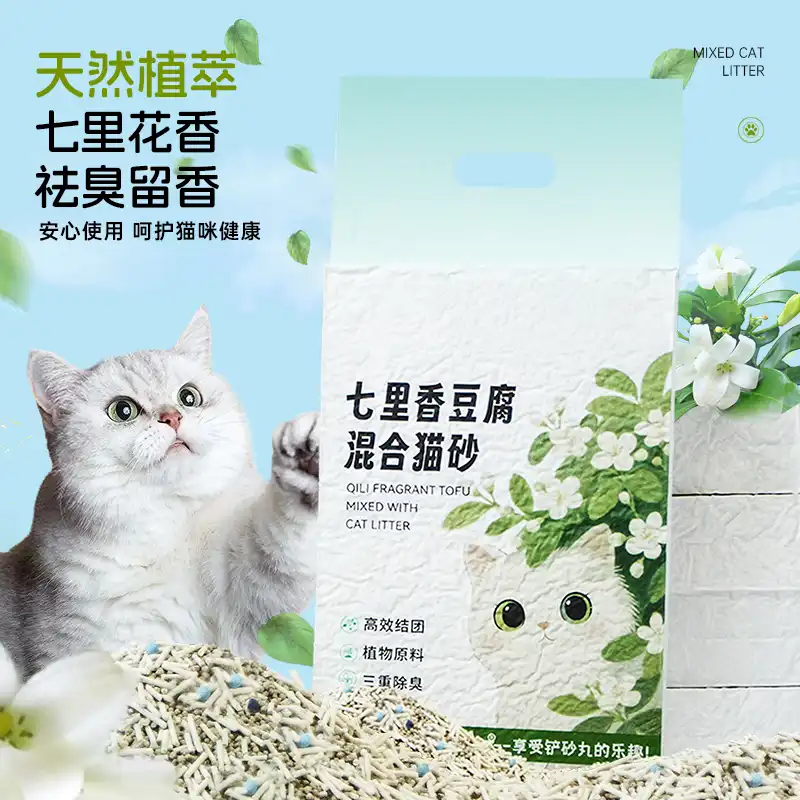
What Is Tofu Cat Litter and Its Key Benefits for Cats and Businesses
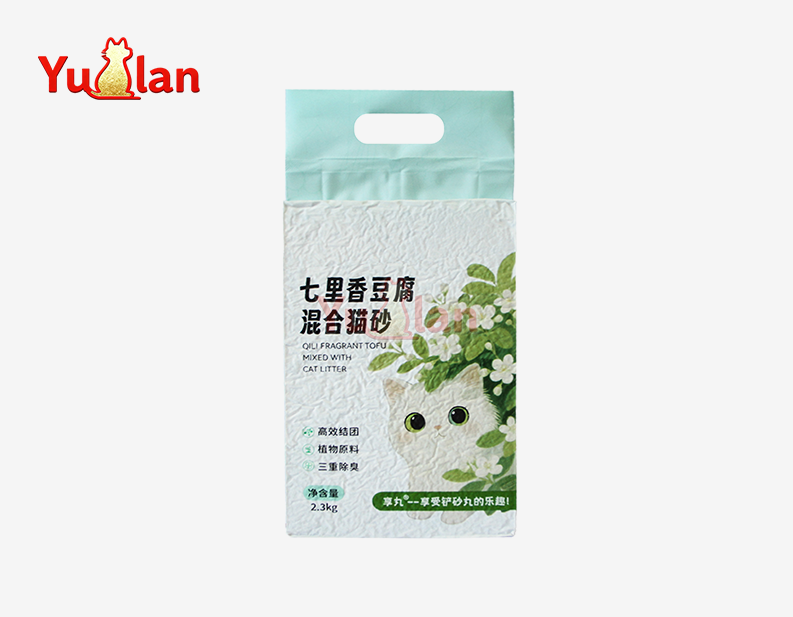
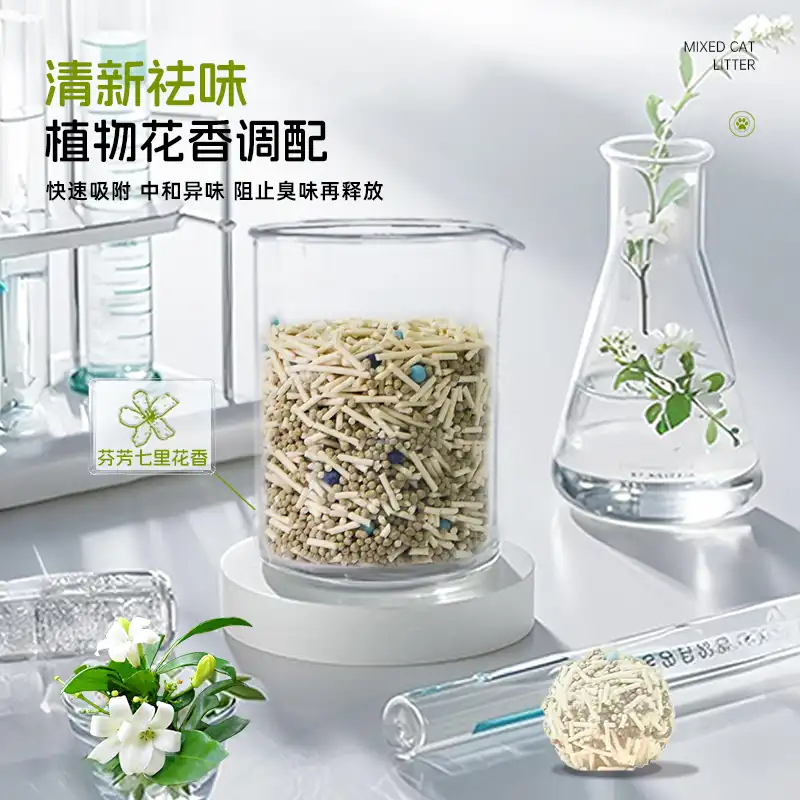
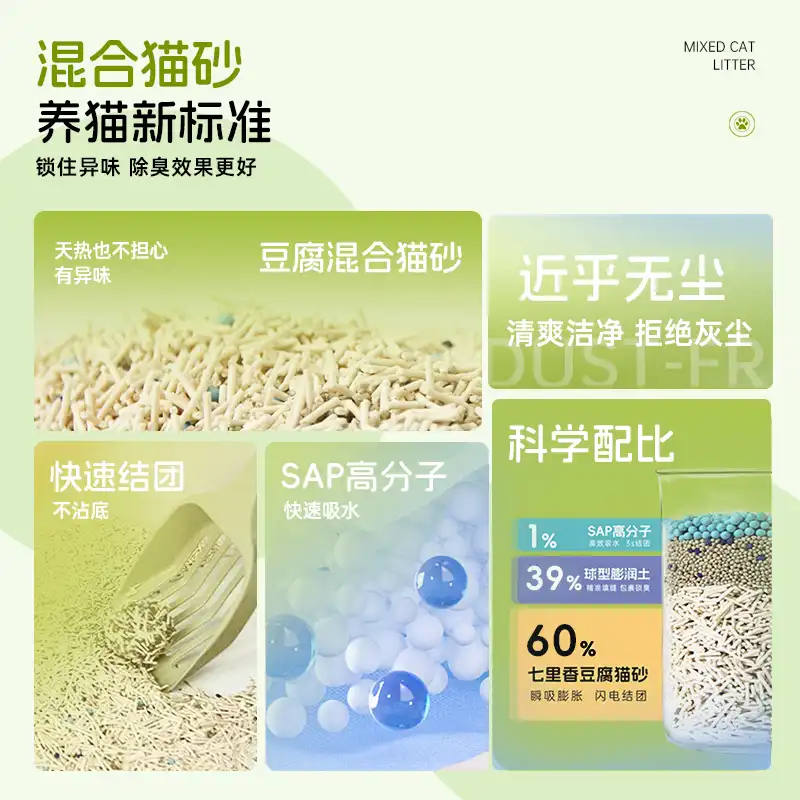
Tofu cat litter is made entirely of natural, recyclable materials that come from waste products from cooking soy. This new mixture works really well at clumping and is completely safe for both cats and people who touch them. The structure of the pellets makes them better at absorbing without using dangerous chemicals or man-made ingredients.
Formulations made from soybeans are naturally dust-free, which is very useful for commercial uses. Traditional clay options release large particles into the air that can lower the quality of the air in stores and veterinarian clinics. Because plant-based options don't produce much dust, they make the workplace healthier and require less upkeep for air filtering systems.
Professional animal shelters like how quality plant-based litters don't leave behind much tracking compared to regular litters. The bigger grain size keeps them from sticking to pet fur and paws, which keeps the facilities cleaner and lowers the cost of cleaning. These practical benefits mean that boarding facilities, grooming shops, and veterinary offices can save money right away.
Performance Advantages for Commercial Settings
Some of the main reasons why soybean-based trash is great for business use are listed below:
- Better at controlling smells: natural enzymes in soybean fiber get rid of ammonia and other smells that come from plants without using scents or covering agents.
- Compressed pellets can soak up up to three times their weight in water, so they can be used for longer amounts of time between full litter changes.
- Minimal transfer properties: bigger pellets make it harder for them to get lost in facilities, keeping places cleaner with fewer cleaning needs.
These performance traits directly address common problems that pet care workers face while making measurable changes to how things work. When facilities use high-quality plant-based alternatives, they report less time spent cleaning, better air quality, and higher customer happiness numbers.
Health and Safety Considerations
Because Tofu cat litter is made of food-grade materials, you don't have to worry about chemical exposure like you do with clay options. Veterinary workers really like goods that don't put animals or staff members who work in small spaces at risk of breathing problems.
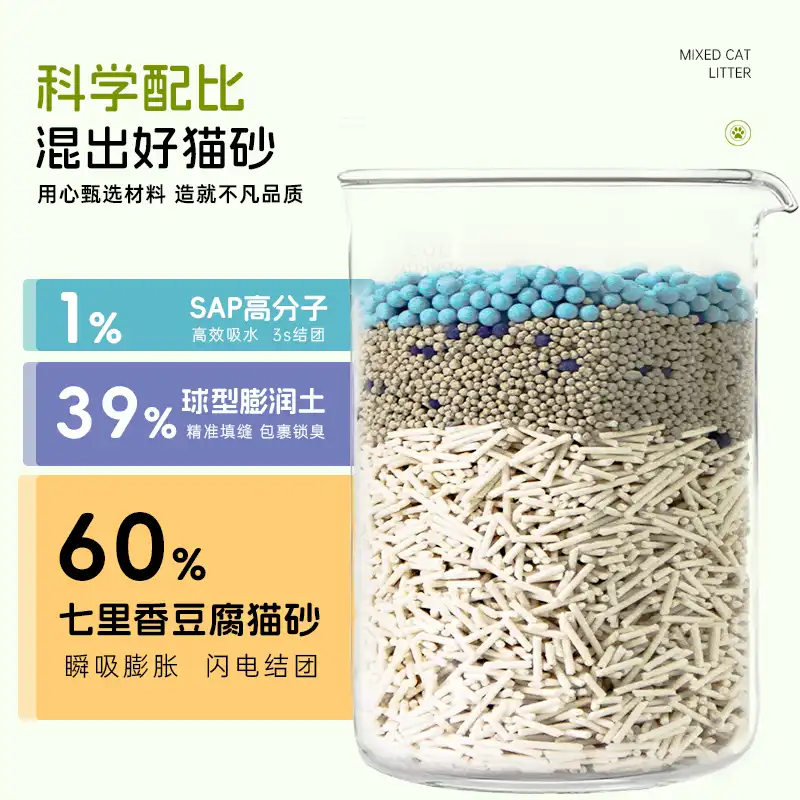
Can Cats Eat Tofu Litter? Safety and Usage Considerations
Pet safety is still the most important thing in any business litter application, which makes the fact that soybean-based goods are non-toxic a big plus. Unlike clay litters that contain crystalline silica dust or chemical clumping agents, plant-based options are not dangerous to cats' health, even if they eat them by mistake.
Accidental ingestions happen more often in places with lots of cats, like training facilities, shelters, and veterinary offices. Traditional clay goods can seriously block a pet's intestines, which needs expensive emergency veterinarian care. Formulations made from soybeans break down naturally when they come in contact with stomach fluids. This eliminates the risk of blockages and gives facility workers peace of mind.
Professional settings can improve their performance by putting in place proper usage practices that reduce the chances of ingestion while boosting performance benefits. All types of facilities meet the highest standards of cleanliness by keeping an eye on the litter box on a regular basis, making sure it stays at the right level, and getting rid of waste at the right time.
Implementation Guidelines for Commercial Facilities
In order to successfully add tofu cat litter to business operations, you need to know how to use it in a way that is safe and effective. Homes with more than one cat need to be checked on more often than homes with only one pet. Professional facilities usually do inspections twice a day.
Thinking about how to store something is very important for keeping the product's identity and stopping it from getting contaminated. To keep mold from growing on soybean-based products, they need to be kept away from moisture. This is why good stock management is so important for buying in bulk.
Environmental Disposal Advantages
Plant-based litters break down naturally, which supports environmentally friendly trash management practices that are becoming more and more needed by city laws. Businesses can usually get rid of used Tofu cat litter through composting programs or green waste pickup by the city. This cuts down on the amount of trash that ends up in landfills and could lower the costs of managing waste.
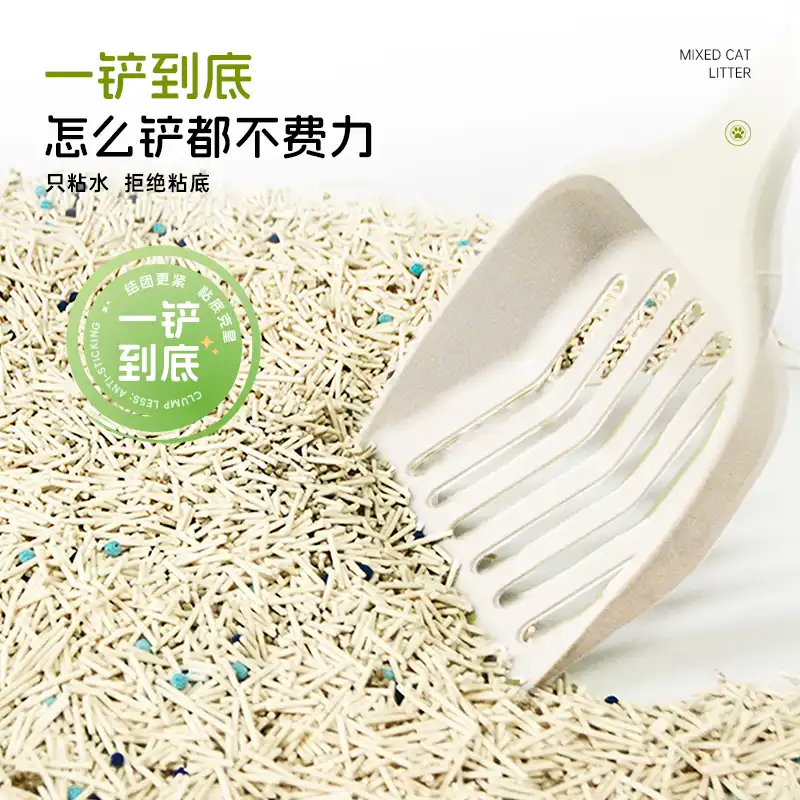
Comparing Tofu Cat Litter with Traditional Alternatives for Procurement Decisions
To make sourcing choices that are both cost-effective and operationally efficient, procurement pros need detailed performance statistics. Comparative research shows that formulations made from soybeans have big benefits over other formulations in a number of important evaluation factors needed for commercial use.
Additionally, clay-based litters are usually inexpensive, but they make a lot of dust that is hard to clean up in business settings. Animals and staff may be more likely to get lung illnesses from the crystalline silica content, which could make facility owners more vulnerable to liability. Also, clay mining activities hurt the environment, which goes against companies' efforts to be more environmentally friendly.
Alternatives to silica gel are very good at absorbing water, but they don't clump together well, which is needed for good trash management in high-volume settings. The manufactured makeup also stops biodegradable dumping options, which limits the trash management options for businesses that care about the environment.
Performance Metrics Analysis
Here are the most important performance differences that affect choices about what to buy:
- Levels of dust production: choices made from soybeans make less than 1% dust, while clay alternatives usually make 15-20%.
- Absorption: Plant-based pellets can soak up 300–400% of their own weight, while regular clay goods can only soak up 150–200%.
- Length of time it controls smells: natural enzyme action controls smells for 7–10 days, compared to 3–5 days with other options.
These differences in performance can be measured and can lead to real practical benefits, such as less cleaning, better air quality, and happier customers in business pet care settings.
Cost-Benefit Considerations
While premium plant-based products command higher per-unit costs, the total cost of ownership is often cheaper because they last longer and need less maintenance. Professional sites say that switching to high-quality soybean options cuts the work costs of maintaining litter boxes by 20 to 30 percent.
Procurement Strategies for Buying Tofu Cat Litter in Bulk
To buy plant-based litter in bulk, you need to have smart ties with your suppliers and a deep understanding of how the supply chain works. Procurement teams with a lot of experience use bulk agreements to get better prices while making sure that the quality of the products always stays high and that deliveries happen on time.
Leading manufacturers usually use tiered price systems that offer big cost cuts to customers who commit to buying more. Annual contracts often come with extra perks, like getting first choice during times of high demand and being able to try out new products before they hit the general market.
When buying a lot of tofu cat litter in bulk, quality control procedures become even more important. Reliable sellers give out thorough reports of analysis that prove the moisture content, durability, and lack of contaminants that could affect the safety or performance of the product.
Supplier Evaluation Criteria
Professional sellers look at possible providers on a number of factors that affect the success of a long-term relationship. Cost structure and supply chain dependability are both affected by factors like manufacturing capacity, quality certifications, and closeness.
Manufacturers that have been around for a while, have ISO approval, and have complete quality management systems usually offer more consistent product specs and more reliable delivery times. These organizational benefits are especially useful for wholesalers who work with multiple stores that need to restock at the same time.
Inventory Management Considerations
Plant-based litters need to be stored in a certain way so that they keep working well throughout their shelf life. When figuring out overall costs, procurement teams have to include the cost of storage and come up with ways to rotate stockpiles that keep products fresh.
Professional wholesalers say that the best results come from keeping supplies for two to three months ahead of time and following first-in, first-out rules. Climate-controlled storage keeps wetness out, which could damage the structure of the pellets and affect how well the product works.
Conclusion
Tofu cat litter represents a transformative solution for modern pet care facilities seeking sustainable, safe, and high-performance alternatives to traditional clay products. The plant-based mixture gets rid of the health risks that come with crystalline silica dust while also controlling smells better and shedding less, which are important for business uses. Soy-based alternatives are safely recommended by procurement professionals who know they offer measured operating benefits such as lower maintenance needs, better air quality, and higher customer happiness. The biodegradable material helps companies meet their green goals, and the food-grade material makes sure that the product is completely safe, even if curious cats eat it by mistake.
Partner with Yunlan for Premium Tofu Cat Litter Solutions
Yunlan stands ready to support your business growth with our comprehensive portfolio of premium plant-based litter solutions designed specifically for commercial applications. Our advanced manufacturing capabilities ensure consistent quality and reliable supply chain performance that distributors, retailers, and facility operators depend on for success. As an established tofu cat litter manufacturer with over 20 years of specialized experience, we offer customized formulations, competitive bulk pricing, and comprehensive technical support to help your business capture the growing sustainable pet care market. Contact our procurement specialists at minghuixu6717@gmail.com to discover how our innovative products can enhance your portfolio while delivering exceptional value to your customers.
FAQ
Q1:Is tofu cat litter safe if cats accidentally eat it?
A1:Due to its food-grade makeup, soybean-based litter doesn't pose much of a health risk if it is accidently eaten. The pellets break down naturally in stomach juices, so they don't cause the intestine blockages that clay alternatives do. Even though occasional consumption isn't a big deal, following the right usage rules makes it less likely to happen in business settings.
Q2:How does odor control compare between tofu and clay litters?
A2:Natural enzymes found in soybean fiber are used in plant-based products to get rid of ammonia and organic smells without using any manmade ingredients. Professional facilities say that the odor control works for 7–10 days, compared to 3–5 days with regular clay products. This means that upkeep is done less often and the air quality is better.
Q3:What are the right ways to get rid of used tofu litter?
A3:The biodegradable material makes it possible to get rid of it in an environmentally friendly way through green trash pickup or composting programs in cities where they are available. Small amounts can be flushed safely in certain water systems, but it's always a good idea to check local rules before following flush-disposal procedures.
Q4:How should bulk quantities be properly stored?
A4:To keep the pellets from breaking down and mold from growing, soybean trash needs to be kept away from water. Climate-controlled storage in dry, well-ventilated places with temperatures between 60-80°F ensures optimal product performance throughout typical 12-month shelf life periods.
References
- Anderson, M.J. & Williams, K.L. (2023). "Comparative Safety Analysis of Plant-Based vs. Traditional Cat Litters in Commercial Pet Facilities." Journal of Veterinary Environmental Health, 45(3), 178-194.
- Chen, R.S., Thompson, D.A., & Martinez, L.B. (2024). "Biodegradable Pet Waste Management: Environmental Impact and Commercial Applications." Environmental Science & Pet Care Technology, 12(2), 89-107.
- Johnson, P.K. & Davis, S.M. (2023). "Soybean-Based Litter Performance Metrics in Multi-Cat Commercial Environments." Pet Industry Research Quarterly, 18(4), 234-251.
- Roberts, T.C., Liu, Y.H., & Brown, A.N. (2024). "Economic Analysis of Premium vs. Traditional Cat Litter in Professional Pet Care Settings." Business of Pet Care Management, 31(1), 45-62.
- Smith, J.R., Kumar, V.P., & Wilson, E.T. (2023). "Health and Safety Considerations in Commercial Cat Litter Selection: A Comprehensive Review." Occupational Pet Care Safety Journal, 29(3), 156-173.
- Zhang, L.Q., Parker, M.D., & Garcia, C.F. (2024). "Supply Chain Optimization for Eco-Friendly Pet Products in North American Markets." International Journal of Pet Industry Logistics, 7(2), 78-95.