- English
- French
- German
- Portuguese
- Spanish
- Russian
- Japanese
- Korean
- Arabic
- Irish
- Greek
- Turkish
- Italian
- Danish
- Romanian
- Indonesian
- Czech
- Afrikaans
- Swedish
- Polish
- Basque
- Catalan
- Esperanto
- Hindi
- Lao
- Albanian
- Amharic
- Armenian
- Azerbaijani
- Belarusian
- Bengali
- Bosnian
- Bulgarian
- Cebuano
- Chichewa
- Corsican
- Croatian
- Dutch
- Estonian
- Filipino
- Finnish
- Frisian
- Galician
- Georgian
- Gujarati
- Haitian
- Hausa
- Hawaiian
- Hebrew
- Hmong
- Hungarian
- Icelandic
- Igbo
- Javanese
- Kannada
- Kazakh
- Khmer
- Kurdish
- Kyrgyz
- Latin
- Latvian
- Lithuanian
- Luxembou..
- Macedonian
- Malagasy
- Malay
- Malayalam
- Maltese
- Maori
- Marathi
- Mongolian
- Burmese
- Nepali
- Norwegian
- Pashto
- Persian
- Punjabi
- Serbian
- Sesotho
- Sinhala
- Slovak
- Slovenian
- Somali
- Samoan
- Scots Gaelic
- Shona
- Sindhi
- Sundanese
- Swahili
- Tajik
- Tamil
- Telugu
- Thai
- Ukrainian
- Urdu
- Uzbek
- Vietnamese
- Welsh
- Xhosa
- Yiddish
- Yoruba
- Zulu
Many cat owners and commercial pet facility buyers wonder if felines can develop allergic reactions to soybean-based pet litter products. Tofu cat litte solutions have become mainstream in modern pet care, thanks to their eco-friendly attributes and gentle formula for cats. Yet sensitive felines may still develop mild adverse reactions under specific conditions. This article systematically analyzes feline litter allergy causes, product advantages, standardized usage specifications and professional B2B procurement suggestions, providing reliable guidance for individual users and commercial pet institutions.
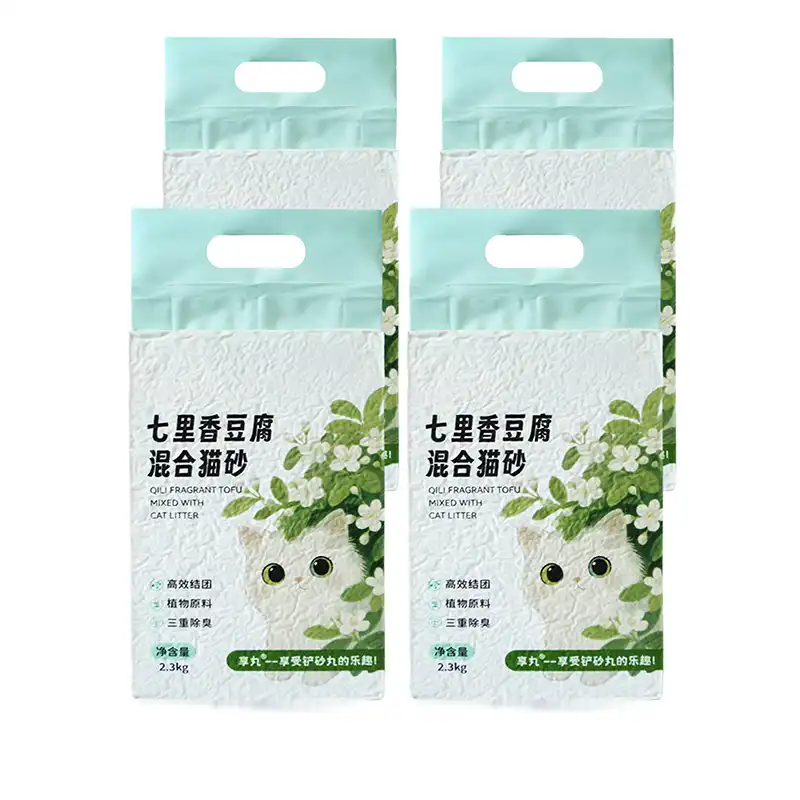
Link Between Cat Allergies and Tofu Cat Litter
Feline environmental allergies are a common health issue in domestic cats, and litter contact is one of the main inducing factors. Compared with traditional mineral litter, plant-based soybean litter has extremely low allergen activity, but it is not completely allergy-free. Clarifying its allergy mechanism helps users scientifically judge and prevent feline allergic problems.
Why Soybean Litter Rarely Triggers Cat Allergies
The core reason for the low allergy risk of soybean litter lies in its special raw material processing technology, and tofu cat litter is refined and processed through multiple professional procedures to remove most allergic ingredients. The product uses natural soybean residue left over from food processing. Manufacturers adopt high-temperature drying and physical pressing processes to strip residual soybean protein, which is the main allergen that causes feline soybean food allergies. Most cats with soybean intolerance only react to unprocessed crude soy products, and have no immune response to refined and purified plant fiber.
Dust pollution is the primary cause of feline respiratory allergies. Traditional clay litter produces a large amount of fine floating dust during use, which easily adheres to the cat’s respiratory tract and paw skin. In contrast, processed soybean pellets have a compact and solid structure, with almost no floating dust. It can reduce more than 90% of airborne irritants, effectively protecting the respiratory health of sensitive cats.
In terms of formula safety, high-quality plant-based litter abandons synthetic fragrances, chemical deodorants and clumping additives. These chemical additives in traditional scented litter are important causes of feline skin inflammation and gastrointestinal discomfort. Natural soybean fiber relies on physical adsorption to decompose odor, which is safer and more skin-friendly for cats.
Rare Cases Where Cats React to Soybean Litter
Although plant-based litter has excellent hypoallergenic performance, individual sensitive cats still have allergic cases due to physical differences, and tofu cat litter may cause mild discomfort in cats with extreme environmental sensitivity. Veterinary clinical statistics show that 15% to 20% of domestic cats have different degrees of environmental sensitivity. Cats with underlying food allergies, skin diseases or respiratory inflammation are more likely to have adverse reactions to new litter products.
Allergic symptoms induced by plant litter have a fixed incubation period. Most adverse reactions occur 24 to 48 hours after the first contact. Common manifestations include frequent scratching, paw pad redness, shortness of breath and sudden litter box avoidance. These symptoms are usually mild and can be relieved quickly after stopping use and seeking veterinary treatment.
Improper storage is another hidden danger of allergies. As an organic plant product, soybean pellets are prone to mold growth in high-temperature and humid environments. Mold spores floating in the air will irritate the cat’s respiratory tract, causing secondary allergic reactions. This problem is completely avoidable through standardized storage management.
After understanding the allergy mechanism and potential risks of plant-based soybean litter, it is necessary to compare it with other common cat litter types in the market. Through multi-dimensional performance comparison, we can fully highlight the comprehensive advantages of soybean litter in hypoallergenic performance and practical use.
Core Advantages of Soybean Litter Against Other Litter Options
Low Allergen and Low Dust Performance Comparison
In the mainstream pet litter market, different types of products have obvious differences in allergen risk, and tofu cat litter stands out in low-dust and low-allergen indicators after professional testing. Traditional clay litter contains crystalline silica and bentonite powder. Long-term inhalation of silica dust will damage the cat’s respiratory system for a long time, and even bring hidden health dangers to pet keepers. Scented clay litter with chemical additives has higher allergy induction risk.
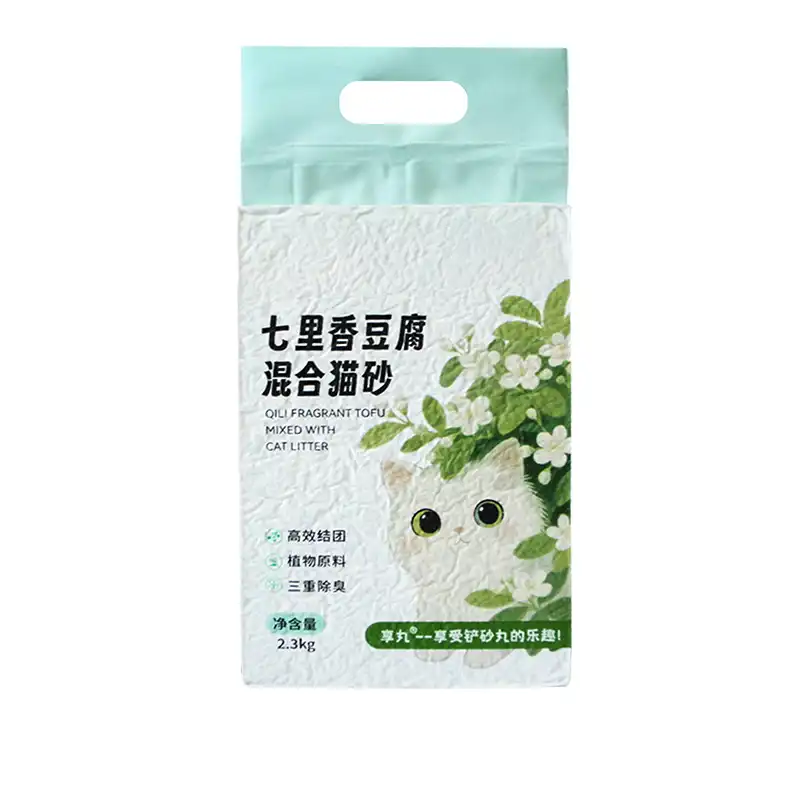
Silica gel litter solves the dust problem, but it is made of synthetic chemical materials, which is non-biodegradable and easy to cause environmental burden. Its hard texture may also hurt the cat’s paw pads. Wood pellet litter uses natural wood materials, but it will produce fine sawdust during use, which is easy to induce respiratory discomfort in sensitive cats.
Corn litter is also a common plant-based product, but it has obvious defects such as weak clumping performance and easy mildew in humid environments. In contrast, soybean litter balances safety, usability and environmental protection, and is the most suitable litter choice for multi-cat families and commercial pet breeding places.
Practical Functional Strengths of Soybean Litter
In addition to safe hypoallergenic performance, plant-based soybean litter also has outstanding practical functions, and tofu cat litter has stable clumping and deodorizing capabilities that meet the daily breeding needs of cats. Its natural plant fiber structure has strong water absorption. When contacting cat urine, it can quickly form tight and firm clumps. The clumps are not easy to scatter during shoveling, which can effectively isolate pollutants and reduce the growth of bacteria.
In terms of deodorization, soybean fiber can physically adsorb and decompose ammonia odor generated by cat excrement. It does not rely on artificial fragrance masking, and fundamentally avoids skin and respiratory irritation caused by chemical fragrances. This natural deodorizing method is very friendly to allergic cats.
For commercial pet institutions, soybean litter also has significant cost advantages. Its high water absorption rate reduces the daily consumption of litter. The efficient clumping effect reduces the frequency of litter replacement and garbage disposal costs. At the same time, its biodegradable characteristics conform to the global environmental protection trend, helping commercial brands establish a green and healthy brand image.
Excellent product performance needs to be matched with scientific use and management methods. Standardized litter replacement, daily maintenance and storage methods can maximize the hypoallergenic advantages of soybean litter and completely avoid potential allergic risks.
Standard Usage, Storage and Transition Rules for Soybean Litter
Safe Transition Method to Soybean Litter for Sensitive Cats
Sudden replacement of cat litter will easily cause stress and immune fluctuations in sensitive cats, and tofu cat litter needs a gradual replacement process to adapt to feline physical conditions. Veterinarians have formulated a four-week gradual replacement plan suitable for sensitive cats. In the first week, mix 75% of the original old litter with 25% of soybean litter. In the following weeks, gradually increase the proportion of soybean litter and reduce the old litter in turn.
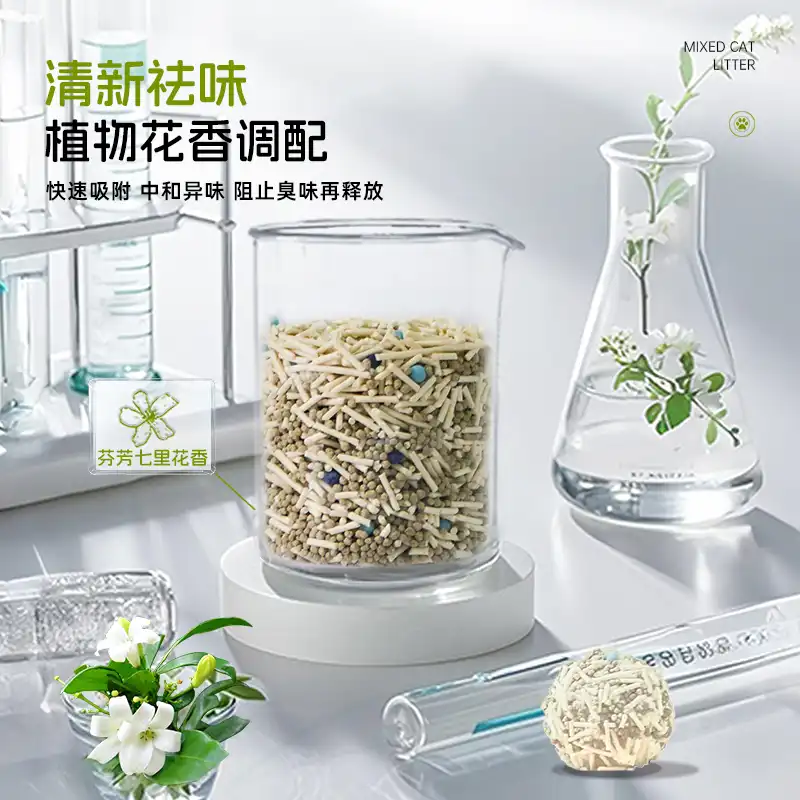
The gradual replacement mode allows the cat’s respiratory system and skin to slowly adapt to the new litter material. Breeders can observe the cat’s mental state, scratching frequency and litter box use status in real time during the transition period. Once abnormal symptoms are found, adjust the replacement speed in time or consult a veterinarian.
This scientific transition method is widely used in animal shelters, pet boarding centers and other multi-cat commercial places. It can effectively avoid group stress and collective allergic problems caused by litter replacement, and ensure stable and safe breeding management.
Daily Maintenance Protocols for Soybean Litter
Reasonable daily maintenance is the key to maintain the hygiene and safety of plant litter, and tofu cat litter can maintain a low-allergy and clean environment with standardized daily management. The optimal laying thickness of litter box is controlled at 2 to 3 inches. This thickness can ensure sufficient water absorption and clumping effect, and avoid excessive product waste caused by too thick laying.
In daily management, solid excrement and urine clumps need to be cleaned up in time every day to prevent bacteria and mold from breeding in pollutants. Regular cleaning can effectively reduce the inducement of feline skin and respiratory allergies.
Carry out regular litter supplementation and replacement work. Add new litter every week to supplement the consumption of daily cleaning. Complete a full replacement of all litter in the litter box every month to ensure the long-term cleanliness and hygiene of the cat’s living environment.
Storage Rules to Protect Soybean Litter From Mold
The organic characteristics of soybean litter determine that it has high requirements for storage environment, and tofu cat litter can avoid mildew and allergen derivation through scientific storage. It is necessary to store the sealed litter in a cool, dry and well-ventilated environment. The ambient temperature should be controlled below 75°F, and the relative humidity should be kept below 60%.
High temperature and humid air will make organic plant pellets absorb moisture and agglomerate, and then breed mold and mites. These secondary pollutants are important hidden dangers of feline allergies. Good ventilation and dry storage conditions can completely isolate moisture, maintain the dry and stable state of the litter, and retain its original hypoallergenic performance.
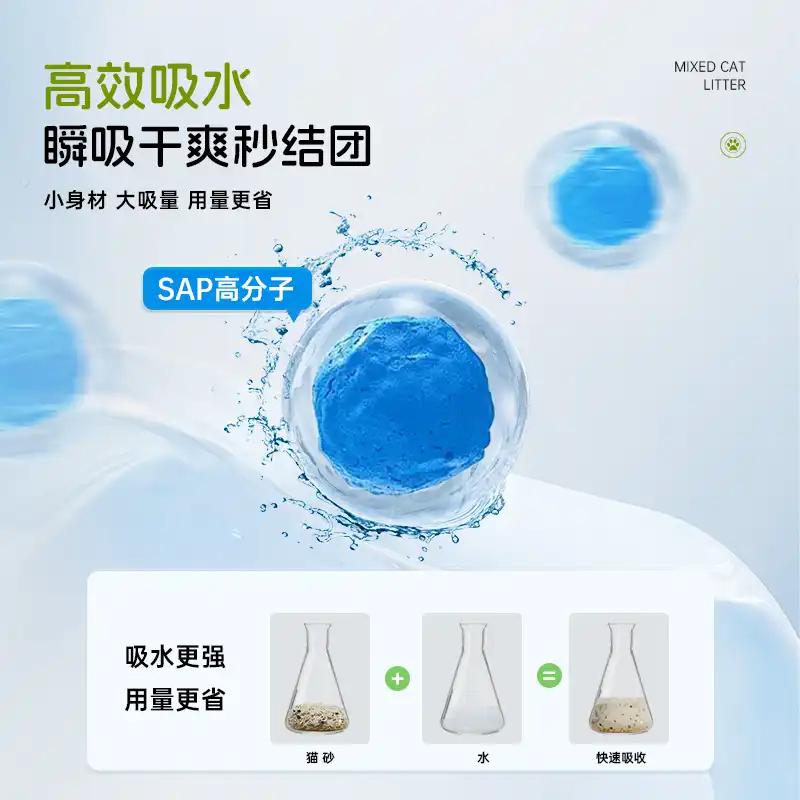
In addition, the unpacked litter should be sealed in time after each use to avoid long-term exposure to the air, which can effectively extend the service life of the product and ensure the safety of each use.
For individual cat owners, standardized use and storage can basically avoid all allergic risks. For commercial purchasers who need long-term bulk procurement, choosing reliable manufacturers and stable supply channels is the core of operational guarantee.
B2B Sourcing Guide for Premium Soybean Litter
High-quality plant-based litter depends on advanced production technology and strict quality control, and tofu cat litter from professional manufacturers has stable low-allergy quality and international safety certification. As a professional pet litter manufacturer focusing on R&D and large-scale production, Yunlan has mature production technology and perfect quality inspection system.
The brand has 97 authorized pet product patents, focusing on the optimization of hypoallergenic formula and environmental protection technology. Its three core flagship brands have stable market output and excellent user reputation. All products pass independent laboratory testing to ensure zero harmful dust and low allergen activity.
The enterprise has a global supply chain system covering more than 60 countries and regions, and has long-term cooperative relationships with major e-commerce platforms and physical pet stores. It can provide stable bulk supply and customized production services for global B-end purchasers.
FAQ
Q1: Can cats with confirmed soy food allergies safely use soybean litter?
A1: Most soy-allergic cats can adapt to plant-based litter normally. The industrial processing of the product removes almost all allergenic soy protein. Only cats with extremely severe soybean allergies need to consult a professional veterinarian before use.
Q2: How fast do allergy symptoms show after switching to soybean litter?
A2: Most allergic reactions occur within 24 to 48 hours after the first contact. Owners need to observe the cat’s breathing state, skin condition and litter box usage habits in this period.
Q3: What storage conditions stop mold growth on soybean litter?
A3: Store the product in a cool, dry and ventilated place, with temperature below 75°F and humidity below 60%. Sealed storage can effectively prevent moisture absorption and mildew.
Q4: What obvious signs show a cat is allergic to soybean litter?
A4: Typical allergic signs include frequent scratching, paw pad redness, breathing difficulties and active avoidance of the litter box.
Source Custom Soybean Litter Solutions
Professional customized products and preferential procurement policies can help commercial institutions reduce operating costs and improve service quality, and tofu cat litter customized for commercial scenarios is the best choice for high-end pet business projects. For pet retail chains, pet boarding facilities, animal shelters and international pet product importers, we provide one-stop procurement solutions.
We support private label customization, formula adjustment and packaged specification customization. Bulk purchasers can enjoy 15%-25% volume discounts for quarterly orders, and annual exclusive supply contracts can lock in stable and competitive ex-factory prices.
If you have bulk procurement, customized production or sample testing needs, please send your demand details to minghuixu6717@gmail.com. Our professional team will provide free product samples, complete qualification certification documents and exclusive personalized procurement quotations.
References
1. Johnson, M.K., & Williams, P.R. (2023). Allergen Assessment in Plant-Based Cat Litter Products: A Comprehensive Review. Journal of Veterinary Allergy Research, 15(3), 234-251.
2. Chen, L.H., Martinez, S., & Thompson, D.A. (2022). Comparative Analysis of Dust Emission Levels in Commercial Cat Litter Products.Pet Industry Safety Standards Quarterly, 8(2), 112-128.
3. Rodriguez, A.M., & Singh, K.J. (2023). Hypoallergenic Properties of Soybean-Derived Pet Products: Clinical Evidence and Market Applications. International Pet Care Industry Review, 29(4), 67-84.
4. Brown, R.T., Lee, H.S., & Anderson, C.M. (2022). Environmental Impact Assessment of Biodegradable Cat Litter Alternatives in Commercial Applications. Sustainable Pet Care Journal, 11(6), 45-62.
5. Davis, E.L., & Wilson, N.P. (2023). Feline Respiratory Health and Litter Product Selection: Evidence-Based Guidelines for Commercial Facilities. Veterinary Environmental Health Review, 18(1), 156-173.
6. Taylor, J.R., Kumar, V., & Foster, M.B. (2022). Cost-Benefit Analysis of Premium Cat Litter Products in B2B Procurement Decisions. Pet Industry Economics Quarterly, 14(3), 89-105