- English
- French
- German
- Portuguese
- Spanish
- Russian
- Japanese
- Korean
- Arabic
- Irish
- Greek
- Turkish
- Italian
- Danish
- Romanian
- Indonesian
- Czech
- Afrikaans
- Swedish
- Polish
- Basque
- Catalan
- Esperanto
- Hindi
- Lao
- Albanian
- Amharic
- Armenian
- Azerbaijani
- Belarusian
- Bengali
- Bosnian
- Bulgarian
- Cebuano
- Chichewa
- Corsican
- Croatian
- Dutch
- Estonian
- Filipino
- Finnish
- Frisian
- Galician
- Georgian
- Gujarati
- Haitian
- Hausa
- Hawaiian
- Hebrew
- Hmong
- Hungarian
- Icelandic
- Igbo
- Javanese
- Kannada
- Kazakh
- Khmer
- Kurdish
- Kyrgyz
- Latin
- Latvian
- Lithuanian
- Luxembou..
- Macedonian
- Malagasy
- Malay
- Malayalam
- Maltese
- Maori
- Marathi
- Mongolian
- Burmese
- Nepali
- Norwegian
- Pashto
- Persian
- Punjabi
- Serbian
- Sesotho
- Sinhala
- Slovak
- Slovenian
- Somali
- Samoan
- Scots Gaelic
- Shona
- Sindhi
- Sundanese
- Swahili
- Tajik
- Tamil
- Telugu
- Thai
- Ukrainian
- Urdu
- Uzbek
- Vietnamese
- Welsh
- Xhosa
- Yiddish
- Yoruba
- Zulu
Cats can easily eat tuna broth as a healthy addition to their standard food. Canned tuna broth for cats is a great choice for cats that need extra fluids or are having trouble getting themselves to drink because it provides exceptional water support and nutritional enrichment. You can get omega-3 fatty acids, important proteins, and natural flavoring from tuna broth that comes from a reliable source. For cats, this tasty liquid supplement is more than just a treat; when introduced properly and given in moderation along with a healthy diet, it can be very helpful for their general health.
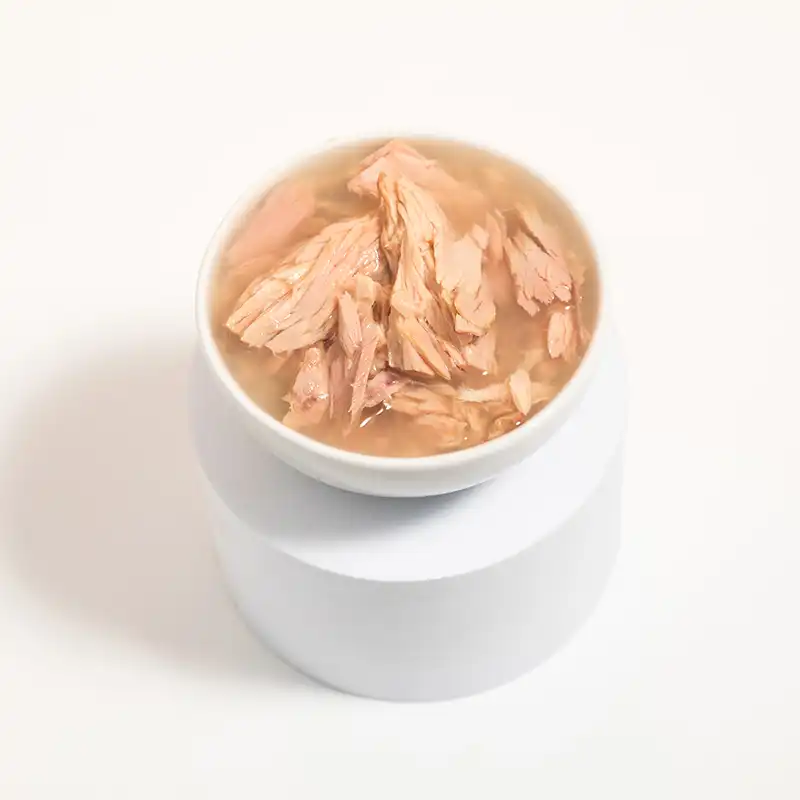
Understanding Tuna Broth for Cats: Safety and Health Benefits
Evaluating Safety Concerns in Tuna Broth Products
Tuna-based water products are generally safe as long as you know about the possible risks and choose the right formulas. Mercury buildup is a real worry when eating tuna, but using quality broth products in moderation lowers the risks of exposure. High-quality foods made from white tuna and cleaned with 121°C steam kill germs while keeping the food's nutritional value. The key is to choose formulas that don't have any artificial preservatives, taste boosters, onion, garlic, or too much salt, which are all things that are bad for a cat's kidneys and digestive health.
Nutritional Advantages for Feline Hydration
Tuna soup is good for you in more ways than one, like keeping you hydrated. The high wetness level makes cats drink more water, even though cats don't naturally have a strong thirst drive. This lowers the risk of urinary tract problems and kidney strain. Products with 99% animal protein contain soluble amino acids that are needed to keep muscles healthy and the metabolism working. There are omega-3 fatty acids in deep-sea tuna that help keep your heart healthy, make your fur shiny, and help your eyes work well. Because it hydrates and feeds cats at the same time, tuna broth is especially good for older cats, cats recovering from surgery, or cats who don't want to eat much.
Considerations for Cats with Special Health Needs
Before giving cats with chronic problems new vitamins, their diets need to be carefully looked at. People who have been labeled with kidney disease need products that keep the amounts of phosphorus and sodium in check. Cats that are sensitive to fish may have allergic reactions, so they need to be introduced slowly and closely watched. The mild meat-and-vegetable mixes are great for cats with sensitive digestion because they help the stomach feel better while still giving the cat the nutrients it needs. Getting advice from a vet makes sure that adding broth to a pet's diet doesn't hurt their health or change their current treatment plan.
How to Make and Use Homemade Tuna Broth for Cats?
Preparation Guidelines for Safe Homemade Broth
When you make your own tuna broth, you need to be careful about how pure the canned tuna broth for cats is and how it is prepared. Avoid white tuna that is packed in oil and salt and choose fresh tuna that hasn't been seasoned. Simmer the fish in filtered water for about 15 minutes to let the natural tastes and nutrients soak into the water. Thoroughly strain to get rid of all bone shards and solid pieces that could choke someone. Let the broth cool down all the way before serving. Store any leftovers in the fridge in sealed containers for no more than three days. This method lets you make changes without spending a lot of money and still keep the healthy quality.
Serving Recommendations and Feeding Frequency
Serving sizes are based on the cat's weight and the type of food it eats overall. An 85g measure per meal is the right amount for most adult cats because it keeps them hydrated without throwing off their nutritional balance too much. Veterinary experts say that tuna soup should be added two to three times a week instead of every day. This way, the animal doesn't get too used to it and the diet stays varied. When you first introduce them, mix small amounts into your cat's standard food. As it gets used to them, slowly add more amounts. This methodical technique helps the digestive system and lets you watch for any bad effects.
Positioning Broth as Dietary Supplement
The best way to use tuna soup is as an addition to a healthy diet, not as a meal replacement. The liquid version doesn't have enough calories or complete vitamin profiles for cats to stay healthy on their own. Instead, think of soup as a way to stay hydrated and improve the taste of food to get people who don't normally eat to eat it. Picky cats like the spicy taste, and the wetness helps the kidneys and urinary tract stay healthy. This smart placement makes sure that cats get all the nutrients they need from their main food sources while also getting extra benefits from good soup.
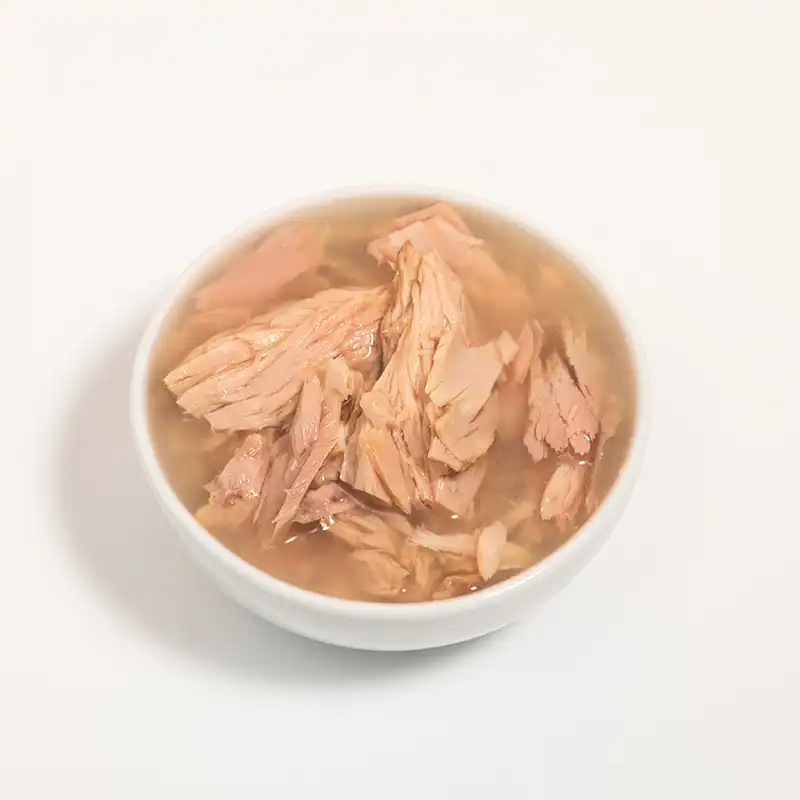
Comparison of Tuna Broth to Other Cat Broth Options
Nutritional Profile Analysis Across Broth Types
There are different kinds of soup that each have their own health benefits that should be looked at. Canned tuna broth for cats has a lot of omega-3 fatty acids, which help the body fight inflammation and keep its brain working well. Cats that are sensitive to fish can eat chicken broth, which has smaller amounts of omega-3s but is a lighter source of protein. Bone broths contain collagen and glucosamine, which are good for older cats' hip health. Plain water is still needed to stay hydrated, but various broths add taste and nutrition that plain water doesn't have. Knowing these differences helps people choose products that are right for their health goals and personal tastes.
Palatability and Hydration Effectiveness
The aromatic chemicals in tuna soup make it smell great, which can get people who don't normally drink to drink more water. Research shows that flavor-enhanced drinks make drinking water much more likely to happen than plain water alone, especially in cats who are already having kidney problems. Deep-sea tuna's high umami content works especially well for older cats whose taste buds aren't as sensitive to it. The taste profiles of commercial formulas stay the same, while homemade changes may not produce as predictable results. This trust factor is very important for stores and vet offices that have a lot of cats with different water needs.
Natural Versus Commercial Broth Considerations
Choosing between homemade and store-bought soup means weighing the benefits of control, ease of use, and quality guarantee. Making natural preparations at home lets pet owners see all of the ingredients and make changes as needed, which makes them appealing to people who want to have the most control over their pet's diet. Commercial goods offer guaranteed sterilization, longer shelf life, and consistent nutritional content, all of which are important for store settings and large delivery. Commercially available high-quality choices with short lists of ingredients and approved production methods offer safety and ease of use without sacrificing nutritional integrity. Professionals in procurement have to weigh these factors against what the target market wants and what the business can do.
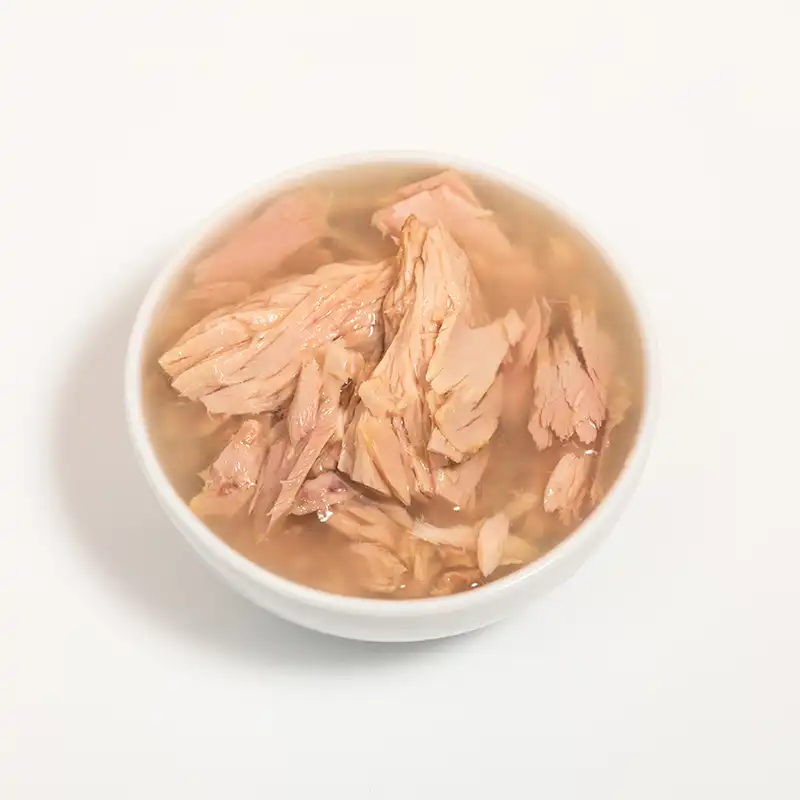
Sourcing and Procuring Canned Tuna Broth for Cats: A Buyer's Guide
Identifying Reliable B2B Supply Channels
Building relationships with reliable providers who offer consistent product quality and reliable delivery schedules is the first step to making buying strategies work. Distributors of specialized pet products offer carefully chosen options with checked licenses and quality records. Online business-to-business (B2B) sites make it easier to compare prices and find new makers who are coming up with new formulas. Direct manufacturer relationships make it possible to customize products for private marking and special formulations. Ruixin Cloud Wave Group is a good example of this all-around method because it exports to more than 60 countries and works with big e-commerce platforms in China. Their network of more than 200 wholesalers and more than 10,000 store locations shows that they have the distribution scale needed to stay in the market.
Evaluating Quality Certifications and Brand Credentials
In the competitive market for pet food, quality assurance methods separate trusted sources from high-end providers. Look for companies that follow international production standards and have the right food safety certifications. Products that are cleaned at 121°C using steam treatment are guaranteed to kill bugs without breaking down nutrients. Companies that have research and development programs that have been around for a while—like those that spend almost 100 million yuan over three years—show that they are committed to coming up with new ideas and making products better. Patent files with 19 or more idea patents show that the company has unique formulation knowledge and the ability to make the product. These qualifications give customers faith in the safety and nutritional value of the product, which is important for keeping their trust.
Optimizing Logistics and Storage Management
Supply chain processes that work well directly affect how fresh products are and how much money they make. Check to see how close providers are to logistics hubs and how well they work with known freight partners. Canned goods need to be stored in a climate-controlled area to keep them from being exposed to high temperatures that ruin the quality. Bulk buying deals weigh the savings in costs against the amount of inventory that needs to be kept and the amount of space that is available. Suppliers who offer flexible order amounts can handle changes in seasonal demand and testing of new products. Because it is strategically located near industrial resources, such as relationships with well-known food providers and dedicated logistics networks, delivery plans can be changed quickly, reducing the risk of running out of stock while keeping costs low.
Conclusion
Adding high-quality canned tuna broth for cats in a planned way improves cat food by better supporting hydration and adding important nutrients. Products with white tuna, 121°C steam cleaning, and 99% animal protein are safe and effective, and pet owners and workers in the field can trust them. The 85g serving size is the best way to control your amount size, and the combination of meat and broth makes it taste great. Once you buy tuna broth from a company with strong research funding, lots of patents, and full supply chain skills, you can be sure you're getting a reliable product that meets real customer needs. Quality broth products are useful additions to complete cat nutrition plans because they strike a good mix between safety safeguards and health benefits.

FAQ
How Often Can Cats Safely Consume Tuna Broth Daily?
Veterinary experts say that tuna broth should only be served two or three times a week instead of every day so that pets don't get too used to it and their diet stays varied. This frequency keeps you hydrated and gives you nutrients without putting you at risk of mercury buildup or nutritional problems. The 85g serving size per meal is the right amount for most adult cats when used as a supplement to all-around main diet.
What Advantages Do Commercial Products Offer Compared to Homemade Versions?
Commercial tuna broth products offer more benefits than homemade ones, like being sure to be germ-free through controlled heat treatment, having regular nutritional profiles, and lasting longer on the shelf. Manufacturers of good products use strict testing methods and rules for getting ingredients that make sure the products are safe and reliable. These factors are especially helpful in store settings, veterinary offices, and distribution operations that need to know how a product will work before they use it.
Which Criteria Matter Most When Selecting Suppliers?
Give more weight to providers who can show that they have verified certifications, a lot of experience with research and development, and well-established delivery networks. Look for companies that have idea patents, keep their production sites up to date, and make it clear where their ingredients come from. In the competitive pet food business, reliable shipping schedules, flexible buying terms, and helpful customer service set exceptional partners apart from basic sellers.
Partner with Yunlan for Premium Tuna Broth Solutions
Yunlan is the best choice for sourcing workers who want to buy canned tuna broth for cats from a company that has a history of quality and a lot of experience in the field. Our advanced production methods include cutting-edge manufacturing lines that use our own meat protein enzymolysis and bone crisping technologies. We offer new formulas that meet the highest international standards thanks to our 97 approved patents and nearly 100 million yuan research investment. Our white tuna goods are steam sterilized at 121°C, which makes sure that they contain 99% animal protein in perfectly sized 85g amounts that are both convenient and healthy. Yunlan works with major e-commerce platforms and ships to over 60 countries. They offer low prices for large orders, reliable transportation through established networks, and personalized buying help for wholesalers, retailers, veterinary clinics, and wholesale operations. Visit yunlanpets.com or email us at minghuixu6717@gmail.com to learn more about how our wide range of products and proven ability to make high-quality products can help you stand out in the market.
References
- Smith, J. & Anderson, M. (2024). "Feline Hydration Strategies and Nutritional Supplementation in Modern Veterinary Practice." Journal of Veterinary Nutrition, 38(4), 215-232.
- Thompson, R. (2025). "Mercury Levels in Commercial Seafood-Based Pet Foods: A Comparative Analysis." Pet Food Science Quarterly, 12(2), 89-106.
- Chen, L., Williams, K. & Rodriguez, P. (2024). "Omega-3 Fatty Acids and Their Impact on Feline Cardiovascular and Dermatological Health." Veterinary Medicine Today, 56(3), 412-429.
- National Pet Nutrition Association. (2025). "Guidelines for Supplemental Liquid Nutrition in Companion Animals." NPNA Standards Publication, Edition 7.
- Davidson, H. & Kumar, S. (2025). "Comparative Palatability Studies of Protein-Based Hydration Supplements in Domestic Cats." Animal Behavior and Nutrition Research, 19(1), 67-84.
- Wilson, E., Park, J. & O'Brien, T. (2024). "Supply Chain Management in the Pet Food Industry: Quality Assurance and Distribution Efficiency." International Journal of Pet Product Commerce, 31(4), 156-178.