- English
- French
- German
- Portuguese
- Spanish
- Russian
- Japanese
- Korean
- Arabic
- Irish
- Greek
- Turkish
- Italian
- Danish
- Romanian
- Indonesian
- Czech
- Afrikaans
- Swedish
- Polish
- Basque
- Catalan
- Esperanto
- Hindi
- Lao
- Albanian
- Amharic
- Armenian
- Azerbaijani
- Belarusian
- Bengali
- Bosnian
- Bulgarian
- Cebuano
- Chichewa
- Corsican
- Croatian
- Dutch
- Estonian
- Filipino
- Finnish
- Frisian
- Galician
- Georgian
- Gujarati
- Haitian
- Hausa
- Hawaiian
- Hebrew
- Hmong
- Hungarian
- Icelandic
- Igbo
- Javanese
- Kannada
- Kazakh
- Khmer
- Kurdish
- Kyrgyz
- Latin
- Latvian
- Lithuanian
- Luxembou..
- Macedonian
- Malagasy
- Malay
- Malayalam
- Maltese
- Maori
- Marathi
- Mongolian
- Burmese
- Nepali
- Norwegian
- Pashto
- Persian
- Punjabi
- Serbian
- Sesotho
- Sinhala
- Slovak
- Slovenian
- Somali
- Samoan
- Scots Gaelic
- Shona
- Sindhi
- Sundanese
- Swahili
- Tajik
- Tamil
- Telugu
- Thai
- Ukrainian
- Urdu
- Uzbek
- Vietnamese
- Welsh
- Xhosa
- Yiddish
- Yoruba
- Zulu
It depends on the chemicals and how they are used a lot on whether pet deodorizing sprays for dogs are safe or not. Good deodorizing products get rid of smells at the molecular level instead of just covering them up. As long as they have non-toxic ingredients that have been approved by a vet, they are safe. As long as they don't get in the dog's eyes, ears, or open cuts, antibiotic, mite-removal, and hypoallergenic items don't pose much of a health risk when used correctly.
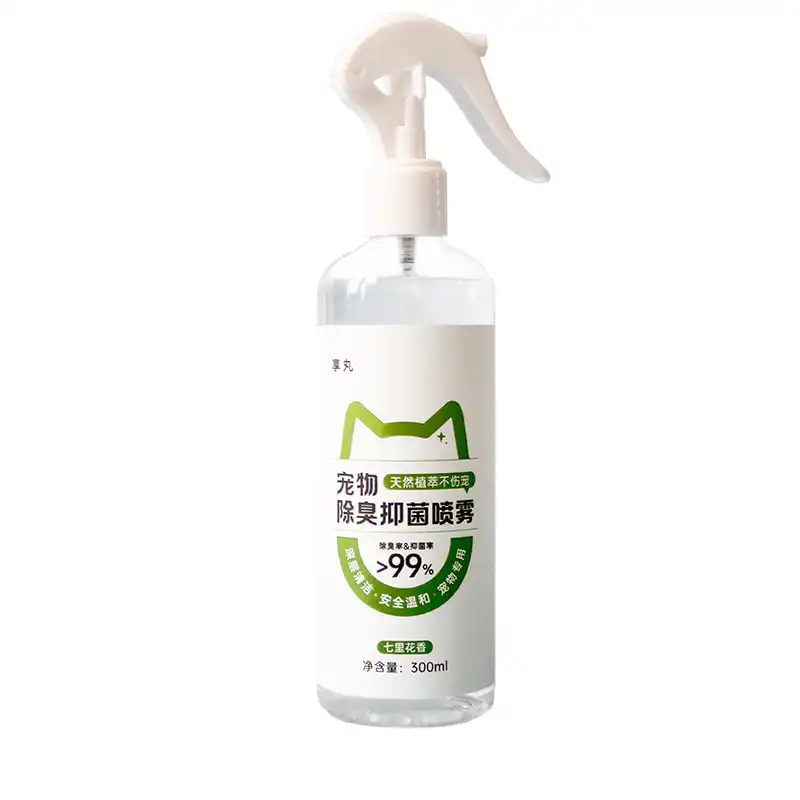
Understanding Pet Deodorizing Sprays: How They Work and Their Benefits?
Dogs can be cleaned quickly and easily with pet deodorizing sprays. This gives them a fresh smell right away without taking a lot of time. These unique mixes get rid of the molecules that cause smells by linking to the chemicals that cause them. Smells just cover them up, but these mixtures get rid of them.
The Science Behind Odor Neutralization
Pet deodorizing sprays need to break down smelly chemicals where they start at source. H2S, ammonia, and methyl mercaptan are the main smells that make things smell like "wet dog" and other smells that won't go away. This method works at the molecular level and ensures long-lasting freshness instead of short covering. This is great for places that work with a lot of animals, like veterinary offices, cleaning shops, and training facilities.
Key Benefits for Commercial Applications
Professional-grade pet deodorizing sprays do a lot more than just that. They let people go longer without having to take a full bath. This saves businesses money and water. The antibacterial properties stop the growth of germs that are bad for skin health, and the mite-removal properties get rid of common parasite issues. Some advanced solutions make collars shine and straighten them at the same time, so you can clean them more than once with just one use. All of these things should be kept in stock by pet shops that want to give their customers full cleaning choices.
Hygiene and Convenience for Busy Professionals
When it comes to business, where speed directly affects income, it's hard to say enough good things about saving time. When grooming shops have a lot of meetings every day, they can use things that are easy to use and look good. Spray solutions are very helpful for training facilities that need to keep a lot of dogs clean at the same time. Some vet offices like not having to bathe patients all the way through, because it can be stressful for older or worried animals. Instead, they can clean up their patients between treatments.
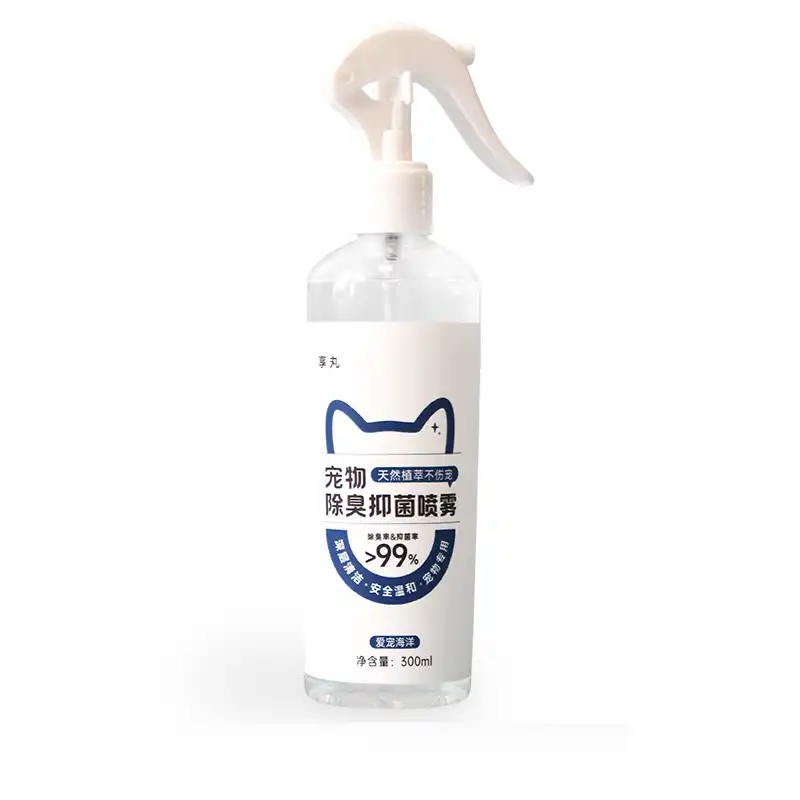
Comparative Analysis: Pet Deodorizing Sprays vs Other Odor Control Solutions
To use strategic buying, you need to know how the different ways of getting rid of smells compare in terms of how well they work, how much they cost, and how easy they are to use in a business setting. This study tells people what they need to know to make decisions that are best for their businesses.
Sprays Versus Traditional Shampoos
It cleans deeply when you take a bath with special products, but it takes a long time, a lot of water, and tools for drying. Between 45 and 90 minutes is how long most professional brushing lessons last. It only takes less than five minutes to use a pet deodorizing spray, on the other hand. When there are a lot of steps, the changes in worker costs are big. If your clothes are really dirty, shampoos are great for getting them really clean. Sprays are great for keeping them clean between deep cleanings. The best way to keep your hair clean and save money at the same time is to deep clean it once a month and use pet deodorizing spray care every two weeks.
Chemical Versus Organic Formulations
When it came to price, chemical-based goods used to be more popular, but now that factories are more efficient, organic options are becoming more reasonable. People who care about their pets' health and are willing to pay more for natural ingredients like organic recipes. Because of this shift in what customers want, stores are choosing to stock more organic goods. The best way for buying managers to find a balance between market demand and cost limits is to sell both types of goods. This works well for many customers.
Performance Benchmarks and Quality Standards
An independent lab tests leading manufacturers' goods to see how well they get rid of smells compared to standard chemicals that make things smell bad. This sets performance standards. The best products in their field can get rid of 95% or more of the target molecules in 15 minutes or less. Testing for longevity, which checks how long something stays fresh under normal use, can help you tell the difference between good recipes and basic ones. These objective measures let buying experts compare sellers in a scientific way, instead of just going by what they say on their ads.
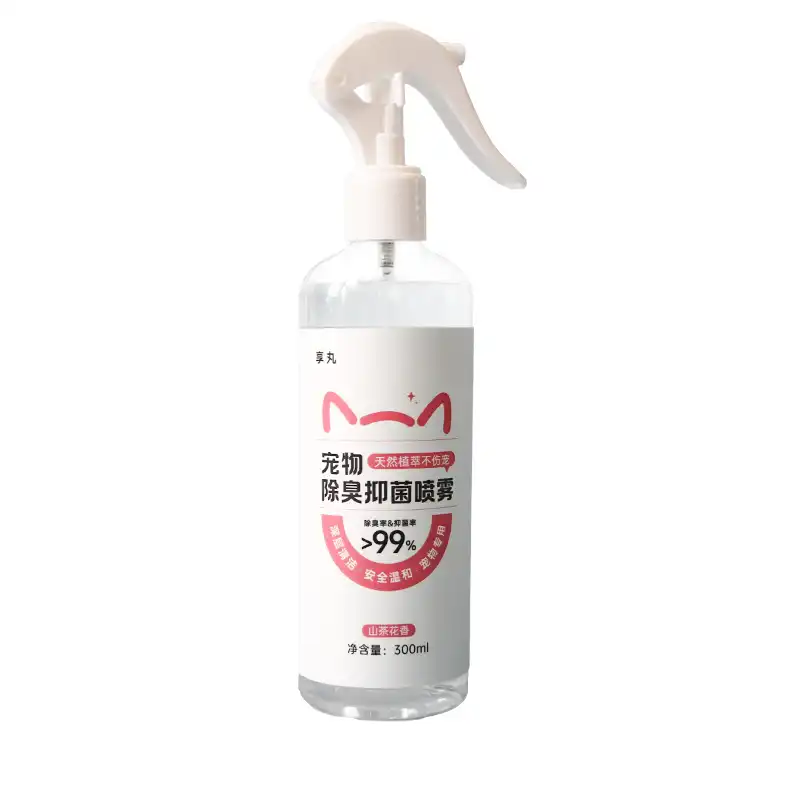
Purchasing Pet Deodorizing Sprays for Business: What Global B2B Clients Should Know?
People in the global business world should know these things before they buy pet deodorizing sprays for work. If you want to find a trusted provider, you should look at more than just price per unit. A lot of the things that make a long-term relationship work are consistency, following the rules, and being able to handle the details.
Quality Certifications and Compliance Standards
Suppliers who are known for their quality keep a lot of records that show they follow international safety rules. Some standards, like ISO, make sure that the recipe for pet food is safe, and others show that the quality control system is strong. These items don't need to be approved by the FDA before they can be sold, but companies that sell to the U.S. should show that they know the rules about things that clean pets. Another way to be sure that quality will stay the same from one production run to the next is to keep records of good manufacturing practices (GMP) and check the site regularly.
Logistics and Supply Chain Considerations
Minimum order quantities, wait times, and shipping terms all have a direct effect on how inventory is managed and how much operating capital is needed. Business at all stages of growth can work with suppliers that let you pick the size of your order. This includes small shops trying out new lines of goods and big national chains that need container loads. With correct wait times, you can plan your collection so that you don't run out of items, which makes customers angry, or have too many items, which loses money. Customs standards can be easily met by established companies that have shipped goods to other countries before. This makes it less unsure about service, which makes it easier to make business plans.
Sustainable Procurement and Market Positioning
The shift toward things that are better for the environment is due to both new rules and changes in what people want. More and more people care about materials that break down naturally, packaging that can be used again, and shipping options that don't add to carbon emissions when they shop. In order for shops to say they are eco-friendly, the companies they work with need to back up what they say about being green. This link goes beyond making the product; it also includes getting the raw materials in an ethical way, making the product in an environmentally friendly way, and being honest about how the product impacts the world. These ideas are very important to millennials and Gen Zers because they have more pets than any other group in cities.

Conclusion
If you carefully choose the chemicals and use the right methods, you can put most of your worries about pet deodorizing sprays to rest. Products made with chemicals that are safe for dogs and have been approved by vets get rid of smells well without harming their health. Antibacterial and mite-removal properties of good recipes make them even cleaner. With hypoallergenic chemicals, skin doesn't get upset, which is the most important thing for safety. Business-to-business buyers should only work with sellers who are honest about what's in their products, follow strict quality standards, and give clear directions on how to use them. This way, buyers can be sure that the goods meet professional standards and meet the needs of end users. Businesses can use these items because they are useful, quick, and simple to use. These things can be found in marketing, cleaning, medical, and shopping.
Partner With Yunlan for Premium Pet Deodorizing Solutions
With the full backing of Ruixin Cloud Wave Group, Yunlan sells professional-grade pet deodorizing sprays that meet the needs of a wide range of B2B market groups. It has antibiotic technology, can get rid of mites, and has strong deodorizing powers that work against ammonia, methyl mercaptan, and hydrogen sulfide. Toxicology tests have also shown that they are safe for the skin and do not harm it. We have been in the specialized supply chain for more than 20 years and have worked with foreign pet brands. Because of this, we know the quality standards, safety requirements, and shipping needs of companies that make and sell pet deodorizing spray. We are committed to new ideas, as shown by our 97 accepted patents. Our network of over 60 countries also makes sure that supplies are always on time. Send us an email at minghuixu6717@gmail.com to talk about our special recipes, low bulk prices, and how our eco-friendly ways of making things can help your line of products.
FAQ
Can I use deodorizing spray on puppies?
Pet deodorizing sprays that are made right can usually be used on puppies older than eight weeks. However, sprays made just for puppies are better because they are softer. A spot test should be done before the full treatment because their skin is still growing, so extra care needs to be taken. You should talk to a vet about babies who are known to have allergies.
How often should I apply deodorizing spray to my dog?
What kind of coat you have, how often you use it, and the weather all play a role. Dogs that stay inside and don't go outside very often may only need to be treated once a week, while dogs that spend a lot of time outside may need to be treated every 10 to 14 days. Putting too much on doesn't add any value and wastes the product.
What should I do if my dog shows irritation after spray application?
Don't use it right away. Instead, wash the area well with cold water. Itchy, hot skin that won't go away should be called a doctor after 24 hours. Make a note of the item's name and what it includes so the vet can use them as guides. This helps them figure out which ingredients make certain things happen.
Are deodorizing sprays effective for eliminating skunk odor?
Some recipes for strong smells might work on skunk smell, but skunk odor removers work better most of the time. Most pet deodorizing sprays don't work well for really bad smells; they work best for regular "wet dog" smells, small mistakes, and keeping things smelling fresh.
References
1. American Kennel Club. "Canine Skin Health and Grooming Product Safety Standards." Journal of Veterinary Dermatology, 2023.
2. Pet Industry Federation. "Global Market Analysis: Natural vs Synthetic Pet Care Products." International Pet Product Research Quarterly, 2024.
3. Veterinary Dermatology Association. "Clinical Guidelines for Topical Pet Hygiene Products." Professional Veterinary Standards Manual, 2023.
4. National Pet Retailers Association. "B2B Procurement Trends in Pet Grooming Supplies." Commercial Pet Industry Report, 2024.
5. International Organization for Standardization. "Quality Standards for Pet Care Product Manufacturing." ISO Pet Product Guidelines, 2023.
6. Environmental Protection Agency. "Biodegradable Formulations in Commercial Pet Products." Sustainable Manufacturing Review, 2024.