- English
- French
- German
- Portuguese
- Spanish
- Russian
- Japanese
- Korean
- Arabic
- Irish
- Greek
- Turkish
- Italian
- Danish
- Romanian
- Indonesian
- Czech
- Afrikaans
- Swedish
- Polish
- Basque
- Catalan
- Esperanto
- Hindi
- Lao
- Albanian
- Amharic
- Armenian
- Azerbaijani
- Belarusian
- Bengali
- Bosnian
- Bulgarian
- Cebuano
- Chichewa
- Corsican
- Croatian
- Dutch
- Estonian
- Filipino
- Finnish
- Frisian
- Galician
- Georgian
- Gujarati
- Haitian
- Hausa
- Hawaiian
- Hebrew
- Hmong
- Hungarian
- Icelandic
- Igbo
- Javanese
- Kannada
- Kazakh
- Khmer
- Kurdish
- Kyrgyz
- Latin
- Latvian
- Lithuanian
- Luxembou..
- Macedonian
- Malagasy
- Malay
- Malayalam
- Maltese
- Maori
- Marathi
- Mongolian
- Burmese
- Nepali
- Norwegian
- Pashto
- Persian
- Punjabi
- Serbian
- Sesotho
- Sinhala
- Slovak
- Slovenian
- Somali
- Samoan
- Scots Gaelic
- Shona
- Sindhi
- Sundanese
- Swahili
- Tajik
- Tamil
- Telugu
- Thai
- Ukrainian
- Urdu
- Uzbek
- Vietnamese
- Welsh
- Xhosa
- Yiddish
- Yoruba
- Zulu
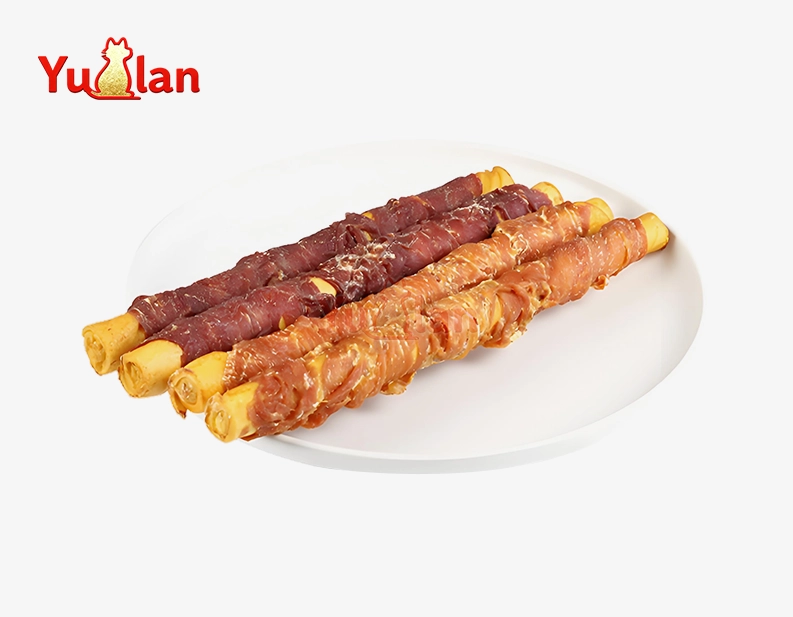
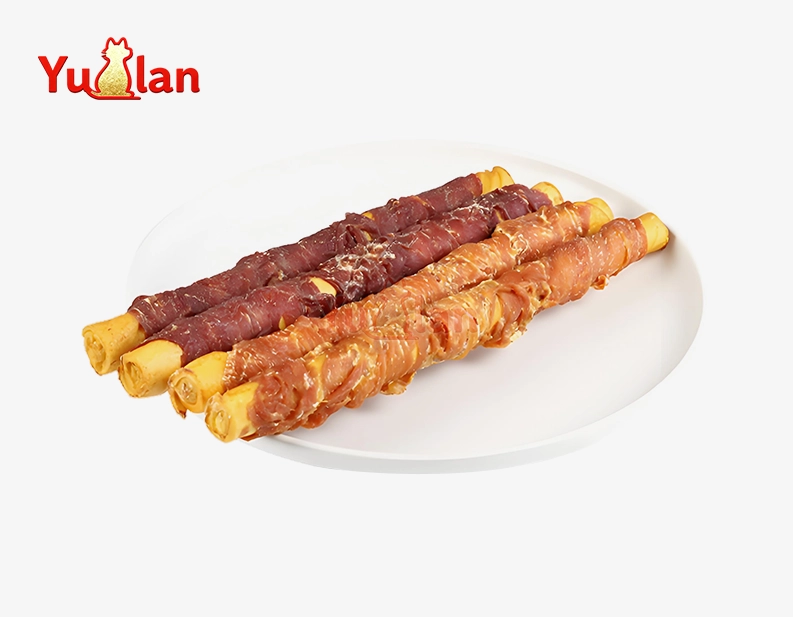
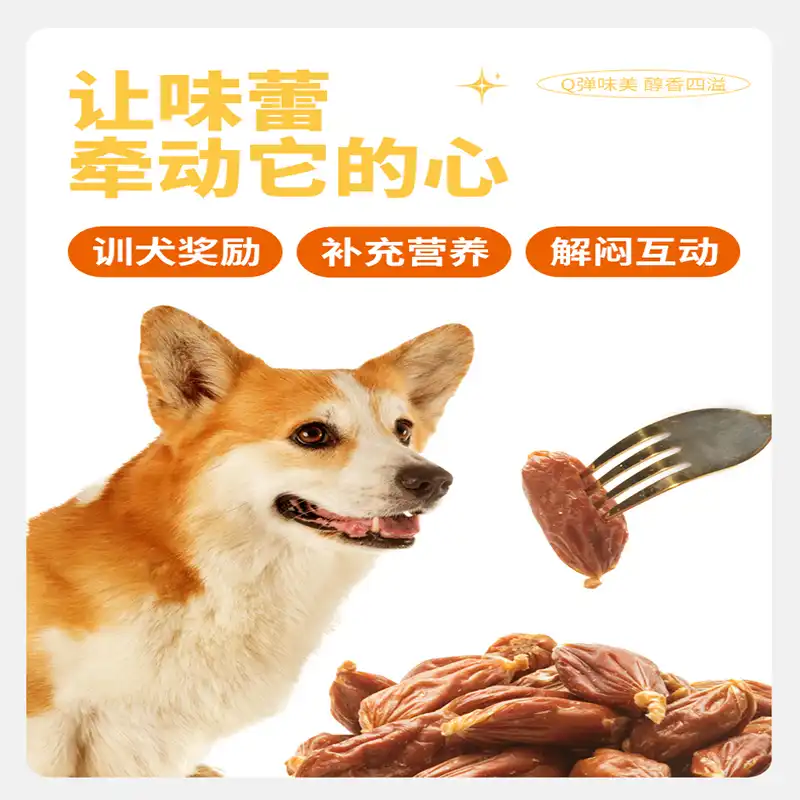
Chicken soft sausage can help your dog get more protein every day if you cook it the right way and give it to them the right kind. Your body can use the soluble amino acids in this soft, protein-rich food to build muscle, fix cells, and stay healthy in general. Good protein in chicken makes it a healthy food that dogs of all ages and exercise levels can eat. It naturally gives dogs a quick energy boost. When looking for chicken soft sausage for your pet's food, it's important to know about its safety, nutritional value, and buying guidelines to make sure the product works and people trust it.

Chicken Soft Sausage Nutritional Profile
What Distinguishes Chicken Soft Sausage from Traditional Sausage Products?
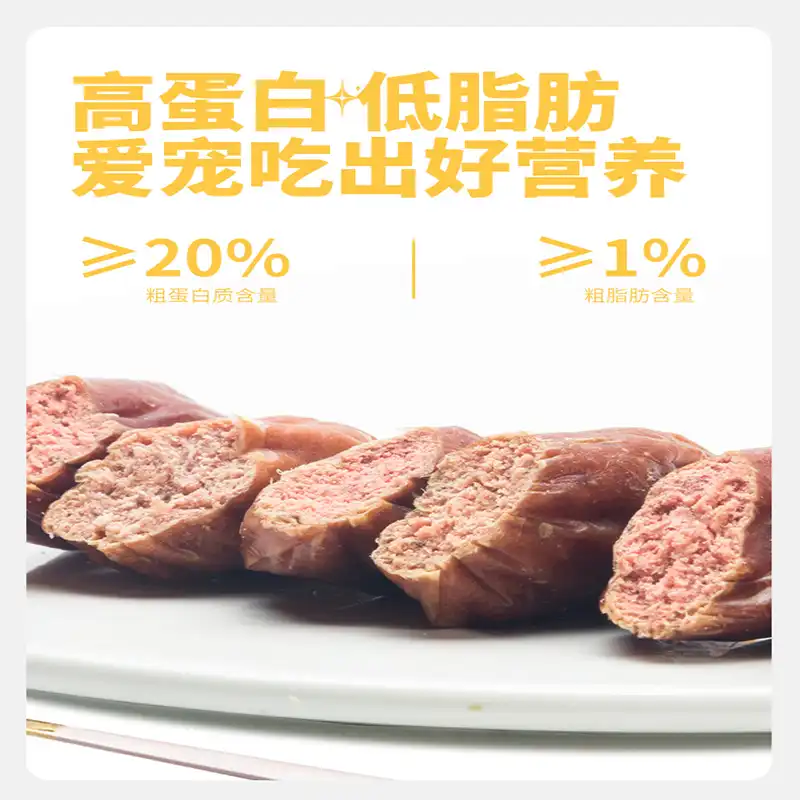
The things that go into making chicken soft sausage are very different from those used to make pig or hard sausages. Because it has more water and was made using special emulsification techniques, the texture stays soft and wet. This makes it safe for dogs to eat. Traditional sausages may have a lot of pig fat or beef pieces in them, but sausages made from chicken tend to have less saturated fat and more lean meat. It's important to remember this difference when shopping for items for dogs that need special food or want to lose weight.
Protein Composition and Nutritional Content
Based on how the chicken was fed, good, soft chicken sausage generally has a protein value of 15% to 22%. This may be different depending on the sausage's recipe and how much water it has. Some of the amino acids that dogs need to stay fit are lysine, methionine, and tryptophan. It is easy to process and has more amino acids than plant-based proteins because it has a nutritional value of about 79%. Foods have different amounts of fat, but most of the time it's between 8% and 15%. The coat needs fatty acids to stay healthy and make energy, which this fat gives it.
Additives, Preservatives, and Processing Considerations
Buyers in the business world need to read chemical lists very carefully. To keep things stable, some businesses use sodium nitrite or sodium erythorbate. It is safe for dogs to eat these chemicals in small amounts because they make food last longer. Fillers with gluten, like wheat flour or breadcrumbs, are often found in low-quality goods. For dogs who are allergic, this can be a problem. Many high-end sellers use natural methods to keep their food fresh, such as vacuum packing, cooling, or natural vitamins like mixed tocopherols. You can choose a processing company that meets the safety standards expected in the pet food business if you know about these things.
Can Chicken Soft Sausage Effectively Supplement Dogs' Daily Protein Intake?
Evaluating Protein Requirements Across Life Stages
Every day, adult dogs need about 1 gram of protein for every pound of body weight. However, this amount can change based on how busy they are and how their digestion is working. Puppies need more protein in their food—about 22% to 32% of it—so they can grow and develop quickly. Adult dogs should eat a healthy amount of protein to keep their fit muscle mass without putting too much stress on their kidneys. Because it is a good source of extra protein and shouldn't be used in place of a full meal, chicken soft sausage can help meet these goals when added to healthy meal plans in the right way.
Amino Acid Profiles and Bioavailability Comparison
All eight types of amino acids are found in chicken meat, just like they are in turkey or chicken breast. If you treat chicken the right way, 85% to 90% of it will be digestible. This means it's easy for dogs to take in and use most of the protein. Chicken soft sausage has about the same amount of branched-chain amino acids (leucine and isoleucine) as fish proteins. These acids are important for growing muscle. But fish generally has more omega-3 fatty acids than other foods. Chicken has the same amount of protein as beef but less fatty fat, so it's a good choice for dogs who need to eat healthy foods.
Health and Safety Considerations for Responsible Inclusion
A lot of sausages are bad for you because they have a lot of salt in them. Heart and blood vessel stress can happen when a dog eats more than 100 mg of salt per 100 calories. This is especially true for dogs that already have heart problems. The AAFCO standards say that the amount of sodium in food should not be more than 0.3% dry matter and no more than 1.5% for extra treats. People who buy food should make sure that this amount is met. How things are set up makes a big difference in how safe they are. Getting Salmonella or Campylobacter from raw or uncooked chicken is not a good idea for business. The chicken needs to be cooked all the way through or properly cleaned. Providers you can trust use heat processing or irradiation to kill germs on food while keeping its essential nutrients. We have partnerships with places like Gaoying Irradiation that let us use these tools.
Storage Protocols and Protein Integrity Maintenance
As long as the cold chain is managed properly, the protein's quality stays the same throughout the supply chain. If you store amino acids frozen at -18°C or below, they will keep their shapes for up to twelve months and stop germs from growing. Keep foods in the fridge between 0°C and 4°C. Once opened, foods need to be eaten within five to seven days. Antioxidative damage stops food from going bad by stopping oxidative damage. This damage breaks down protein molecules and makes tastes go bad. When a business buys something from another business, they should make sure that their sellers keep a cold chain from production to delivery. This will make sure that the product still has all of its nutritional value when it gets to the customer.
Procurement Insights: Sourcing Quality Chicken Soft Sausage for Pet Nutrition
Supplier Evaluation Criteria and Quality Certifications
To find reliable service providers, you need to do more than just look at price. Check to see if the company has certifications for both quality control systems (like ISO 9001) and food safety. Even better, look for businesses that follow the well-known BRC or IFS guidelines. If a chicken is certified organic, it means that it was raised in a way that doesn't use pesticides and follows strict rules. Stores that want to get people with allergic dogs will need to put "gluten-free" labels on their products. Low-fat versions are popular with pet owners who are trying to lose weight. Working with trustworthy chicken suppliers like Yike Foods and CP Foods and being open about where our food comes from shows that we care about quality control and being able to track our raw materials.
Pricing Dynamics and Bulk Procurement Frameworks
Based on the cost of the ingredients, the quantity produced, and the difficulty of the requirements, the wholesale price of chicken soft sausage varies. Most large purchases cost between $3.50 and $7.00 per kilogram. Things that are more expensive, like organic or one-of-a-kind items, will cost more. You can often set different prices when you commit to a certain amount of traffic. When you buy more than 5,000 kilos, the price per unit goes down by 15% to 25%. The terms of payment vary from seller to seller. Well-known brands give net-30 or net-60 deals to qualified buyers. Procurement managers should talk about example orders to see how well the product works before accepting long-term contracts. They should figure out how to save money while still getting good product.
Cold-Chain Logistics and Regional Sourcing Advantages
Being close to factories cuts down on the time it takes to move goods and keeps them fresh. Our plant in Suqian City is linked to JD Logistics Park by well-established roads and bridges. We can quickly get our goods to local stores and send them to over 60 countries, including the US, Europe, Japan, and South Korea. The goods stay fresh during delivery because the temperature is controlled, and tools keep an eye on everything the whole time. More and more companies that care about the environment are worried about their carbon footprints, which is another way that buying locally helps with sustainable goals. Buyers should make sure that companies are good at moving goods and have back-up plans in case the supply chain breaks down.
How to Incorporate Chicken Soft Sausage into Your Dog-Related Product Offering?
Private-Label Manufacturing and Co-Branding Opportunities
With private-label deals, stores and sellers can put their own names on chicken protein products they sell. In places where there is a lot of competition, this helps them stand out. We're good at ODM because we've worked with top foreign pet brands for 20 years. This lets us make recipes that are exactly what each customer wants. When producers and well-known shops work together under the same name, the marketing costs are spread out and the market grows. In these deals, new recipes, package designs, and nutritional profiles can be added as new customer needs come up, such as grain-free or single-protein needs.
Innovative Product Formats and Market Positioning
There are clever ways to use chicken soft sausage besides making treats. Meal kits that include sausage and other foods like grains, vegetables, or vitamins are easy for pet owners who want to make sure their pets get all the nutrients they need. A way we came up with through Yichong Bio is custom mixes of natural spices for pet food. This makes the food taste better without using chemicals to attract pets. People who like to be outside and travel will like freeze-dried or frozen types because they keep their nutritional value and last longer. When you put something in a special category, it draws attention to things like the quality of the products, the amount of protein it contains, and how it can help your joints or digestive health. This makes sense of the higher prices and makes people more loyal to the brand.
Market Success Examples and Consumer Engagement Strategies
Some pet shops that are ahead of the curve have been able to add chicken protein products by emphasizing clear stories about where the protein comes from. People are more likely to trust food that comes in packaging that tells them where it came from, how it was handled, and how much protein it has. People who own pets can learn more about the benefits of protein supplements and the right way to give them to their pets by reading articles or looking at posts on social media sites. Sample programs and promises of happiness make people less hesitant to buy, which turns casual watchers into loyal customers. The main "Mao Gou Gou" store is part of our "Hundred Cities, Thousand Stores" project, which started in 2025 and combines the ease of shopping in person with the comfort of shopping online. This shows how committed we are to digital interaction.
Conclusion
It's possible for chicken soft sausage to help your dog get extra protein if you get it from a good source and add it to their food in a smart way. This food has bioavailable amino acids, a good amount of fat, and a taste that dogs of all ages will enjoy. To be good at business-to-business (B2B) buying, you need to carefully look at sources, know about certifications, keep the cold chain honest, and agree good terms that balance price with quality guarantee. People who buy high-quality chicken protein products will be able to compete as cat food goes toward more open and useful ingredients. It's very easy for shops, dealers, veterinary offices, and suppliers to stand out in the growing pet nutrition market when they use new processing technologies, eco-friendly ways to get their products, and teach their customers about these things.
Partner with Yunlan for Premium Chicken Soft Sausage Solutions
Yunlan offers full chicken soft sausage supply partnerships that are made for B2B quality with the help of Ruixin Cloud Wave Group's three key brands: Yihe, Paihao, and Maodali. Because we've worked in the supply chain for 20 years and use cutting-edge technologies like advanced meat protein enzymolysis and animal bone crisping methods, we can make things. The 97 trademarks that back up our high quality standards are there to show it. To make sure our things are safe and healthy, we follow strict rules. No matter if you run a pet shop, an e-commerce site, a veterinary center, a grooming salon, or a wholesale distribution network, our shipping plans and bulk options will help you reach your growth goals. Click on yunlanpets.com or email our team at minghuixu6717@gmail.com to get product samples, find out about private-label options, and get personalized help that will help you stand out in the market for top protein sources.
FAQ
Is chicken soft sausage safe for all dog breeds?
The safest way for most dog breeds to eat chicken soft sausage is to make sure it has the right amount of salt and no other harmful ingredients. Large breeds can handle bigger amounts than small breeds because they can handle more calories. There are about 15% of dogs that are allergic to certain foods, and those dogs should never eat anything that has chicken in it. Always check the ingredients to make sure they don't have common allergens like wheat gluten if you want to reach sensitive groups.
Can chicken soft sausage completely replace traditional protein sources?
Still, changing all of your meals is not a good idea. As an extra source of protein, chicken soft sausage can make up 10% to 25% of your daily protein needs. Dogs need a variety of foods, like different types of protein, vegetables, grains or grain replacements, and important nutrients, to get a healthy diet. Over time, you might not get enough nutrients if you only get protein from one source.
What storage methods best preserve product quality during distribution?
Keeps the food's caloric value and germ-free for twelve months when frozen at -18°C. For cold delivery, the food must be between 0°C and 4°C, and it needs to be eaten within seven days of being opened. By sealing things in a vacuum, oxidative breakdown is slowed down. When you buy something, the contract should include rules for keeping the cold chain intact and keeping track of the temperature across all transport networks.

References
1. Case, L.P., Daristotle, L., Hayek, M.G., & Raasch, M.F. (2011). Canine and Feline Nutrition: A Resource for Companion Animal Professionals. Third Edition. Mosby Elsevier.
2. National Research Council (2006). Nutrient Requirements of Dogs and Cats. The National Academies Press, Washington, DC.
3. Gross, K.L., Yamka, R.M., Khoo, C., Friesen, K.G., Jewell, D.E., Schoenherr, W.D., Debraekeleer, J., & Zicker, S.C. (2010). Macronutrients in Small Animal Clinical Nutrition. Fifth Edition. Mark Morris Institute, Topeka, Kansas.
4. Association of American Feed Control Officials (AAFCO) (2023). Official Publication: Model Regulations for Pet Food and Specialty Pet Food Under the Model Bill. AAFCO Incorporated, Champaign, Illinois.
5. Fascetti, A.J. & Delaney, S.J. (2012). Applied Veterinary Clinical Nutrition. Wiley-Blackwell Publishing, Ames, Iowa.
6. Hand, M.S., Thatcher, C.D., Remillard, R.L., Roudebush, P., & Novotny, B.J. (2010). Small Animal Clinical Nutrition: An Iterative Process. Fifth Edition. Mark Morris Institute, Topeka, Kansas.