- English
- French
- German
- Portuguese
- Spanish
- Russian
- Japanese
- Korean
- Arabic
- Irish
- Greek
- Turkish
- Italian
- Danish
- Romanian
- Indonesian
- Czech
- Afrikaans
- Swedish
- Polish
- Basque
- Catalan
- Esperanto
- Hindi
- Lao
- Albanian
- Amharic
- Armenian
- Azerbaijani
- Belarusian
- Bengali
- Bosnian
- Bulgarian
- Cebuano
- Chichewa
- Corsican
- Croatian
- Dutch
- Estonian
- Filipino
- Finnish
- Frisian
- Galician
- Georgian
- Gujarati
- Haitian
- Hausa
- Hawaiian
- Hebrew
- Hmong
- Hungarian
- Icelandic
- Igbo
- Javanese
- Kannada
- Kazakh
- Khmer
- Kurdish
- Kyrgyz
- Latin
- Latvian
- Lithuanian
- Luxembou..
- Macedonian
- Malagasy
- Malay
- Malayalam
- Maltese
- Maori
- Marathi
- Mongolian
- Burmese
- Nepali
- Norwegian
- Pashto
- Persian
- Punjabi
- Serbian
- Sesotho
- Sinhala
- Slovak
- Slovenian
- Somali
- Samoan
- Scots Gaelic
- Shona
- Sindhi
- Sundanese
- Swahili
- Tajik
- Tamil
- Telugu
- Thai
- Ukrainian
- Urdu
- Uzbek
- Vietnamese
- Welsh
- Xhosa
- Yiddish
- Yoruba
- Zulu
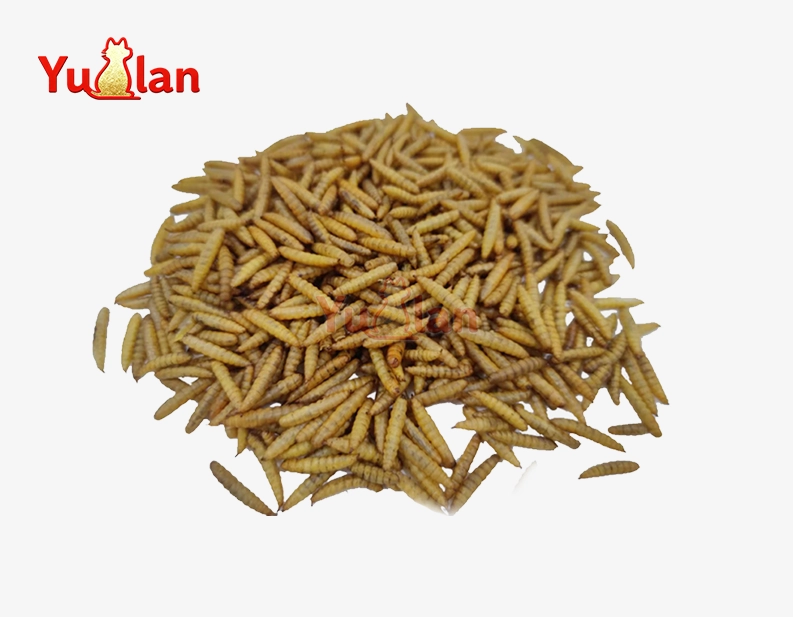
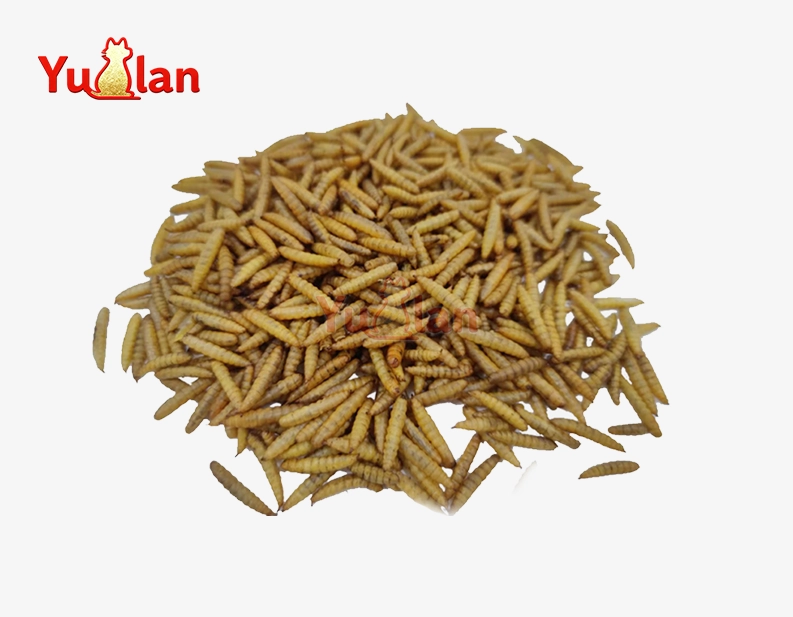
Scientists have named black soldier fly larvae (BSFL) Hermetia illucens. They are becoming a new sustainable protein source in many fields. The main way these nutrient-dense larvae are used is to replace traditional protein sources like fishmeal and soybean meal in animal feed for poultry, livestock, aquaculture, and pet food.
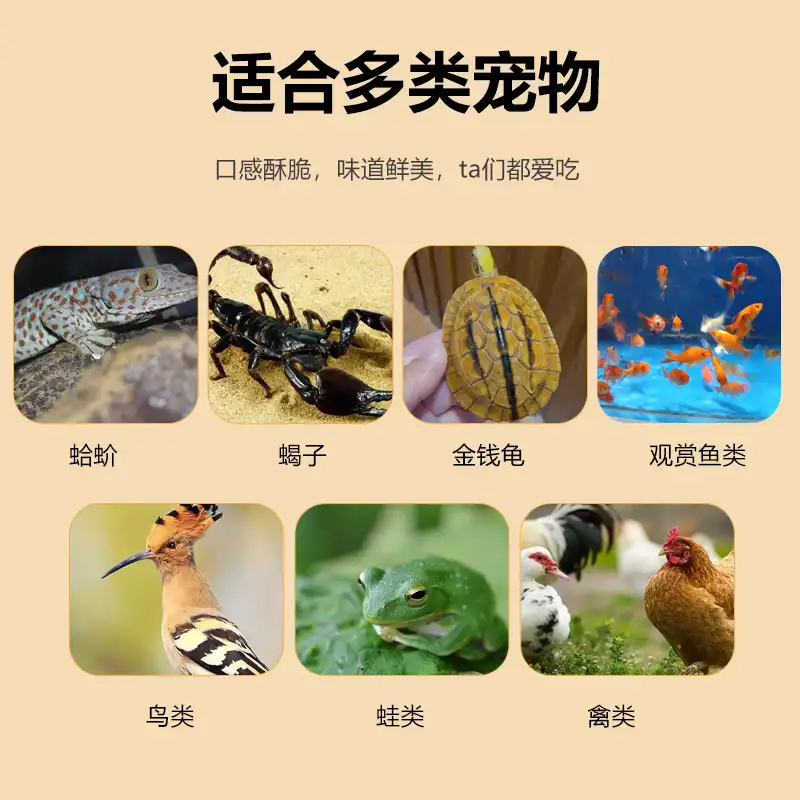
Understanding Black Soldier Fly Larvae and Their Lifecycle
The Distinctive Lifecycle of BSFL
The black soldier fly larvae life cycle starts with eggs that, in ideal conditions, hatch within four days. The best temperatures and humidity levels for their growth are between 77°F and 86°F and 60–70% humidity, respectively. Over the course of about two weeks, larvae go through six instars and eat a lot of organic matter during this time. When compared to other protein sources, they are very good for industrial production because they mature so quickly.
Nutritional Profile That Outperforms Traditional Sources
The amazing thing about these black soldier fly larvae is how densely they are fed. By dry weight, mature dried larvae have between 40 and 45 percent crude protein and 23 to 36 percent crude fat. With lysine levels at 22.6-25.7 g/kg and arginine levels at 19.9-20.3 g/kg, their amino acid makeup is very well balanced. The amount of calcium to phosphorus is about 2.6:1, which is higher than most popular feed ingredients and fills in a nutritional gap in animals' diets. This quality is as good as or better than fishmeal, and it's also more environmentally friendly.
Diet and Bioconversion Efficiency
Knowing what black soldier fly larvae eat shows how good they are for the world. These larvae do well on a wide range of organic waste, such as food scraps, farm waste, and even manure. Their feed conversion ratios are often higher than those of standard animals, which shows how well they can turn waste into high-quality protein. Because of this, they are a good fit for the circular economy because they turn waste into useful feed materials while also lowering the amount of trash that ends up in landfills and greenhouse gas emissions.
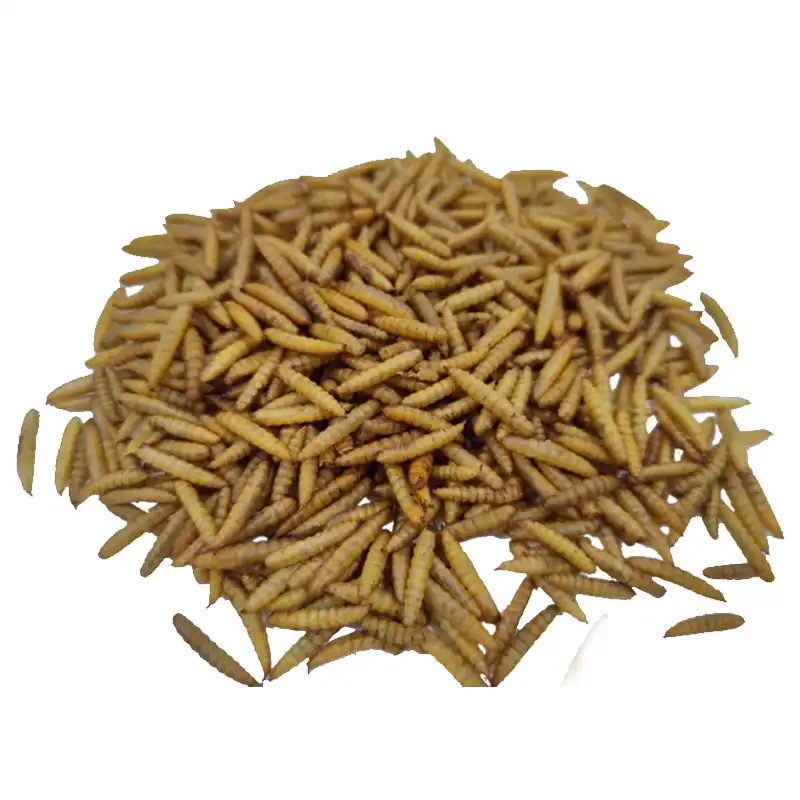
Main Industrial Uses of Black Soldier Fly Larvae
Sustainable Protein Source in Animal Feed
The feed business is the main place where black soldier fly larvae protein is used. When used in aquaculture, black soldier fly larvae meal can be used instead of fishmeal in the diets of tilapia, salmon, catfish, and shrimp at levels up to 8% without affecting their growth or feed conversion ratios. Studies show that these larvae can be used instead of at least 33.3% of fishmeal in broiler meals to keep weight gain and feed efficiency at their best. As much as 40 to 60 percent of the overall fatty acids are lauric acid, which has antimicrobial qualities that help animals stay healthy and avoid getting diseases. When laying hens are fed 5% larval powder, their laying rates go up from 54.45% to 58.77%, which is a clear sign of greater output. Because marine resources are being used up, it is now an economically possible option as fishmeal prices keep going up.
Organic Waste Management Solutions
In addition to being food, these black soldier fly larvae help get rid of trash by breaking down organic matter. Because they eat so much, they can consume twice their body weight in organic matter every day, which breaks down materials much faster than standard composting. Facilities that use black soldier fly larvae systems say that the amount of trash they produce drops by 50 to 80% in days instead of months. Rapid bioconversion reduces smells, stops methane emissions, and makes safe end products. Businesses, restaurants, and farms are using larvae-based systems more and more to meet environmental goals and make money from things that used to cost money to throw away.
Frass as Premium Organic Fertilizer
The waste left over after black soldier fly larvae eat something is called frass, and it is a useful secondary product. This biological fertilizer has between 4% and 5% nitrogen, 2% to 3% phosphorus, and microorganisms that are good for the soil and plants. Frass has better patterns of nutrient release than manufactured fertilizers, which means less waste and pollution of the environment. Agricultural tests show that using frass increases crop output and soil carbon storage. This gives black soldier fly larvae farmers more ways to make money and completes the nutrient cycle.
Emerging Applications in Biotechnology
Innovative businesses are getting special chemicals from these larvae that can be used in medicine and cosmetics. Antimicrobial peptides that were identified from black soldier fly larvae are effective against a wide range of bacteria, which is why researchers are interested in developing new antibiotics. Chitin, which makes up 6–7% of the dry weight of larvae, is used to make chitosan, which is used in wound treatments and medicine delivery systems. The beauty industry likes derived oils because they are good for conditioning the skin, and experts are looking into bioactive chemicals that can help with inflammation and immune system regulation.
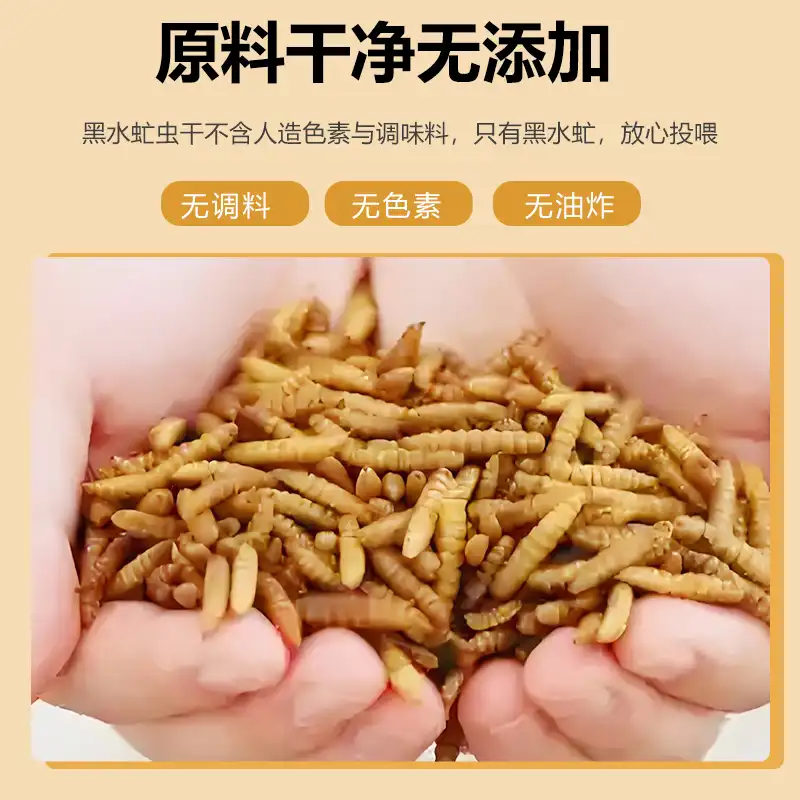
Environmental and Economic Benefits of Using Black Soldier Fly Larvae
Reducing Carbon Footprint and Emissions
Adding black soldier fly larvae protein to feed formulas has real environmental benefits that can be measured. Lifecycle analyses show that making BSFL releases 75–80% fewer greenhouse gases than making fishmeal and 40–50% fewer than making soybean meal. It's possible to achieve this decrease by not fishing in the water, not turning land into soy farms, and using waste materials that would normally break down and release methane. The circular economy plan turns environmental problems into assets. It keeps thousands of tons of organic trash out of landfills and turns them into useful protein. Companies that use black soldier fly larvae can measure these cuts for ESG reports and carbon swap programs, which makes them look more environmentally friendly to stakeholders.
Economic Advantages and Return on Investment
The way the market works is moving in favor of black soldier fly larvae protein more and more. Due to overfishing, fishmeal prices have tripled in the last fifteen years. On the other hand, its prices have stayed pretty fixed because waste-based fuel costs are almost zero. Feed formulators say that using larvae meal instead of fishmeal at the right amounts saves 8 to 15 percent of the cost. Selling larvae, frass, and maybe even chemicals that have been removed all bring in more money, which makes the business more profitable overall. Pet food companies really like the business benefit of sustainable protein sources because they can charge more for them, which covers the costs of the ingredients. Early users say that supply chain changes have a ROI of 18 to 24 months and then ongoing saves after that.
Supporting Long-term Sustainability Commitments
Multiple aspects of corporate environmental plans are improved by using black soldier fly larvae. By ending nutrient loops and cutting down on trash, these ingredients directly support the ideas behind the circular economy. They help achieve goals for animal care because eating insects is a normal way for many species to eat. Several places give incentives or preferred buying policies to encourage the use of sustainable protein sources. Market study shows that 68% of pet owners think about sustainability when they buy something, which gives brands that use insect products an edge in the market. As the world's need for protein grows, adding scalable, land-efficient sources to supply chains makes them more resistant to the effects of climate change and a lack of resources.
Conclusion
Black soldier fly larvae can be used for much more than just food, and they could be a game-changer for many businesses that are struggling with sustainability. Because they are so healthy, can turn trash into something else, and are good for the earth, they are essential to the circular economy. From fish and chicken farms to pet food companies and organic farms, black soldier fly larvae improve performance and lower carbon footprints in a way that can be measured. Adoption rates keep going up across global markets as production tools get better and regulatory settings change. The economic benefits and rising customer desire for eco-friendly goods make strong business cases for procurement pros. When companies add these larvae to their supply lines, they become more competitive and also help protect resources and the environment, which is important for the long-term survival of the business.
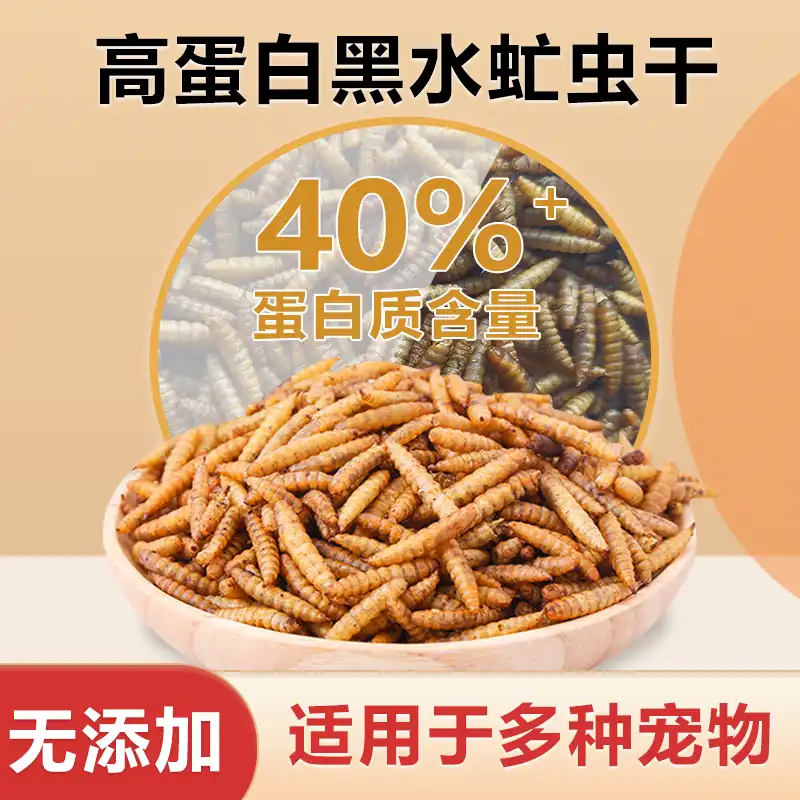
Partner with Yunlan for Premium Black Soldier Fly Larvae Solutions
Yunlan, which is part of the Ruixin Cloud Wave Group, is ready to become your reliable source for black soldier fly larvae. They have more than twenty years of experience in providing healthy food for pets. Our wide range of products includes high-quality insect-based protein ingredients that are made at our cutting-edge Suqian production plant using advanced enzymolysis technology. We get high-quality raw materials from partners who are certified, and we make sure that every batch meets the strict international standards for feed safety. Our R&D investments of almost 100 million yuan support continuous product improvement based on your needs. We have 97 approved patents, including 19 invention patents. Our established shipping network covers more than 60 countries, and we work with JD Logistics to make sure that deliveries happen on time. Our team can help you improve your product lines with unique formulations and technical support whether you run pet stores, e-commerce sites, veterinary clinics, or wholesale sales. We know that quality control and a steady supply chain are the most important things for buying experts. That's why we keep full records from production to delivery. Contact our team at minghuixu6717@gmail.com to talk about how our sustainable protein options can help you stay competitive and meet your ESG goals. Come with us as we show you why top pet brands trust Yunlan to consistently produce high-quality black soldier fly larvae.
FAQ
What animals can safely consume black soldier fly larvae?
Animals like chickens, turkeys, quails, aquaculture species (salmon, tilapia, shrimp), cattle (pigs), and pets (dogs, cats, snakes, birds) eat these larvae because they are safe and healthy. The fact that insects are naturally found in the foods of wild animals (6% of a stray cat's food) shows that they are naturally safe. For most species, the right amount of inclusion is between 5 and 15% of the total food. Any higher or lower than that won't hurt health or performance.
How should businesses store bulk quantities of dried larvae?
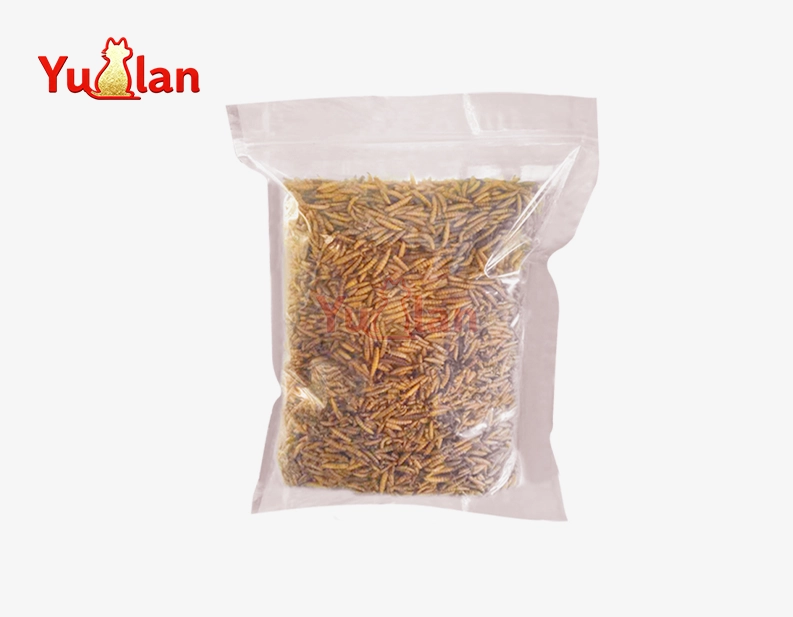
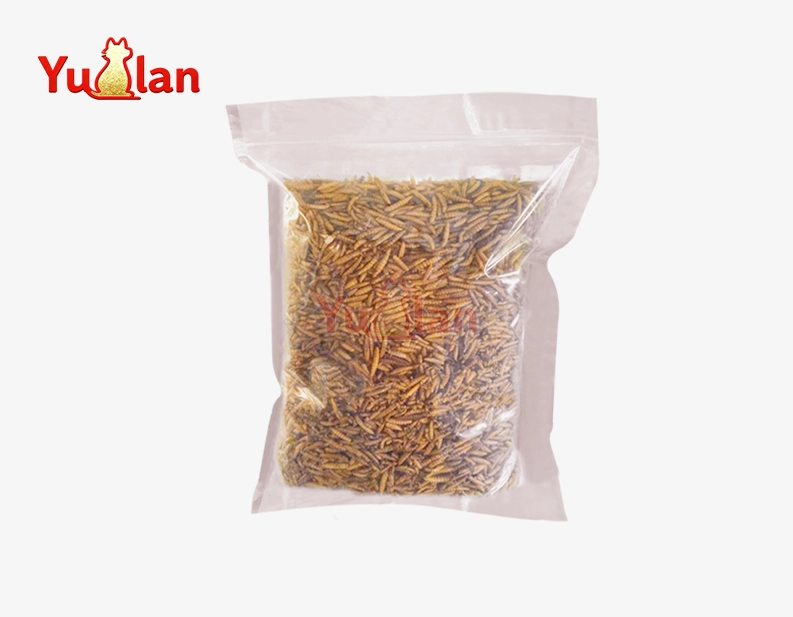
The best way to store something keeps its quality and makes it last longer. Dried larvae should be kept in cases that can't get wet and are sealed. They should be kept below 68°F in dry places with less than 60% humidity. Stay out of strong sunshine, which breaks down nutrients. Dried goods can be used for 12 to 18 months if they are kept properly. When kept at 0°F or below, frozen larvae live for 24 months or more. Use first-in, first-out product turnover and test for moisture on a regular basis to keep things from breaking down.
Can BSFL completely replace fishmeal in commercial formulations?
Even though larvae are very nutritionally similar to fishmeal, they may not be able to completely replace it in some situations and with some animal species. According to research, replacement rates of 33 to 50 percent can be used in most chicken and aquaculture feeds without affecting performance. Some products can replace all amino acids, but only if they use the right ingredients to balance out certain amino acids. Gradual transfer times help animals get used to new protein sources, which makes them more likely to accept them and helps their digestion work better.
What certifications should procurement teams verify from suppliers?
As a top priority, you should get certifications for feed safety standards like FSSC 22000 or FAMI-QS, organic certifications if your customers require them, and compliance with regional feed ingredient rules like FDA permission or EU Novel Food clearance. Other important qualifications are ISO quality management certifications, audit records from a third party, and proof of good manufacturing practices. Make sure that the providers follow set procedures for checking each batch for protein content, microbial standards, and heavy metals.
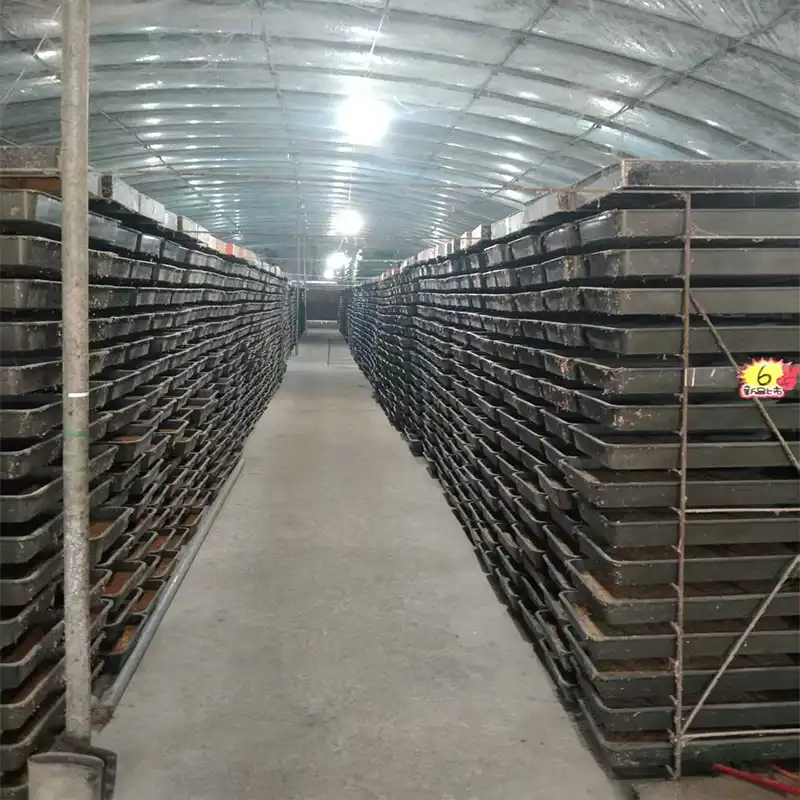
References
1. Makkar, H.P.S., Tran, G., Heuzé, V., and Ankers, P. (2014). State-of-the-art on use of insects as animal feed. Animal Feed Science and Technology, 197, 1-33.
2. Wang, Y.S. and Shelomi, M. (2017). Review of black soldier fly as animal feed and human food. Foods, 6(10), 91.
3. Józefiak, A., Nogales-Mérida, S., Mikołajczak, Z., Rawski, M., Kierończyk, B., and Mazurkiewicz, J. (2019). The utilization of full-fat insect meal in rainbow trout nutrition: The effects on growth performance, intestinal microbiota and gastrointestinal tract histomorphology. Annals of Animal Science, 19(3), 747-765.
4. Smetana, S., Mathys, A., Knoch, A., and Heinz, V. (2015). Meat alternatives: life cycle assessment of most known meat substitutes. International Journal of Life Cycle Assessment, 20, 1254-1267.
5. Berggren, Å., Jansson, A., and Low, M. (2019). Approaching ecological sustainability in the emerging insects-as-food industry. Trends in Ecology & Evolution, 34(2), 132-138.
6. Lalander, C., Diener, S., Zurbrügg, C., and Vinnerås, B. (2019). Effects of feedstock on larval development and process efficiency in waste treatment with black soldier fly. Journal of Cleaner Production, 208, 211-219.