- English
- French
- German
- Portuguese
- Spanish
- Russian
- Japanese
- Korean
- Arabic
- Irish
- Greek
- Turkish
- Italian
- Danish
- Romanian
- Indonesian
- Czech
- Afrikaans
- Swedish
- Polish
- Basque
- Catalan
- Esperanto
- Hindi
- Lao
- Albanian
- Amharic
- Armenian
- Azerbaijani
- Belarusian
- Bengali
- Bosnian
- Bulgarian
- Cebuano
- Chichewa
- Corsican
- Croatian
- Dutch
- Estonian
- Filipino
- Finnish
- Frisian
- Galician
- Georgian
- Gujarati
- Haitian
- Hausa
- Hawaiian
- Hebrew
- Hmong
- Hungarian
- Icelandic
- Igbo
- Javanese
- Kannada
- Kazakh
- Khmer
- Kurdish
- Kyrgyz
- Latin
- Latvian
- Lithuanian
- Luxembou..
- Macedonian
- Malagasy
- Malay
- Malayalam
- Maltese
- Maori
- Marathi
- Mongolian
- Burmese
- Nepali
- Norwegian
- Pashto
- Persian
- Punjabi
- Serbian
- Sesotho
- Sinhala
- Slovak
- Slovenian
- Somali
- Samoan
- Scots Gaelic
- Shona
- Sindhi
- Sundanese
- Swahili
- Tajik
- Tamil
- Telugu
- Thai
- Ukrainian
- Urdu
- Uzbek
- Vietnamese
- Welsh
- Xhosa
- Yiddish
- Yoruba
- Zulu
Many poultry breeders and commercial feed suppliers wonder if chickens can safely consume parrot food as a supplementary diet. Parrot food contains seeds, pellets, nuts and insect ingredients that are non toxic to chickens. It can serve as a nutritious occasional treat rather than a staple chicken feed. Among all ingredients in standard parrot food, high protein insect supplements stand out for poultry health. Dried mealworms for parrots are a core high quality ingredient in premium parrot feed mixes, bringing unique nutritional benefits for chicken growth and laying performance. This article comprehensively analyzes the safety, nutritional value, scientific feeding methods and bulk procurement guidelines of feeding parrot food to chickens, providing practical references for family poultry breeding and commercial B2B feed supply.
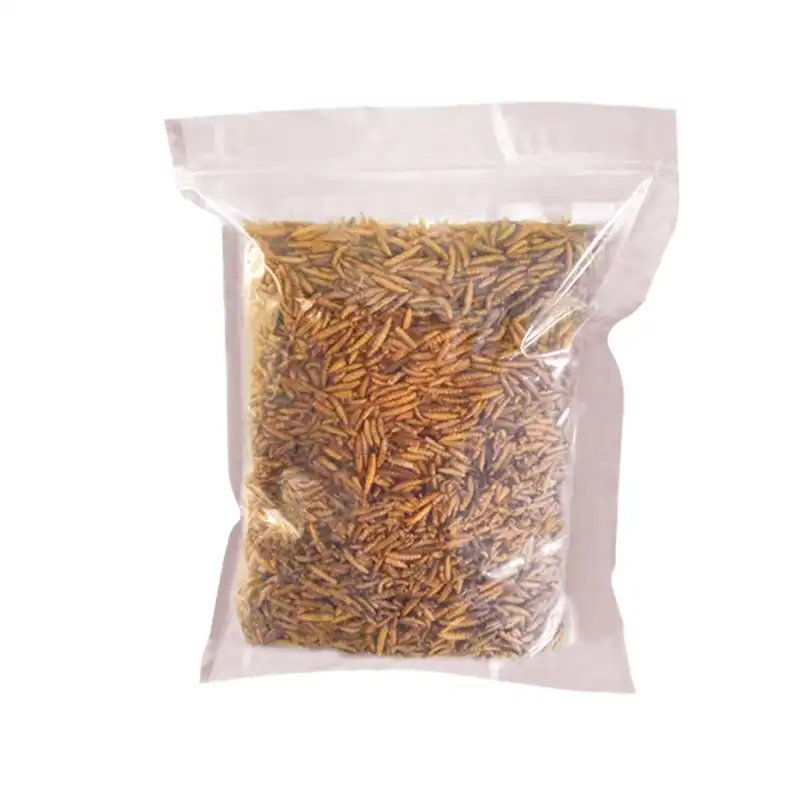
Composition and Nutritional Value of Parrot Food for Chickens
To judge whether parrot food is suitable for chickens, it is necessary to first clarify the basic ingredients and nutritional characteristics of conventional parrot feed. Different types of parrot food have diverse ingredient ratios, and most qualified products can form a benign nutritional supplement for chicken diets.
Basic Safe Ingredients in Standard Parrot Food
Commercial parrot food adopts a compound formula to meet the omnivorous dietary needs of parrots. The main ingredients include millet, sunflower seeds and safflower seeds, which provide basic carbohydrates and plant protein. Fortified nutrition pellets are added with balanced vitamins and minerals to supplement daily nutritional gaps for birds. Many high end parrot feed formulas also add dried fruits and vegetables to enrich dietary diversity.
The most valuable nutritional component in parrot food is insect based protein supplements. Dried mealworms for parrots are widely added to premium parrot feed mixes. These processed insect ingredients are completely safe for chickens to digest and absorb. They do not contain any harmful substances that may affect poultry growth, making them the best functional supplementary ingredient in parrot food for chicken breeding.
Core Nutritional Advantages of Dried Mealworms for Poultry
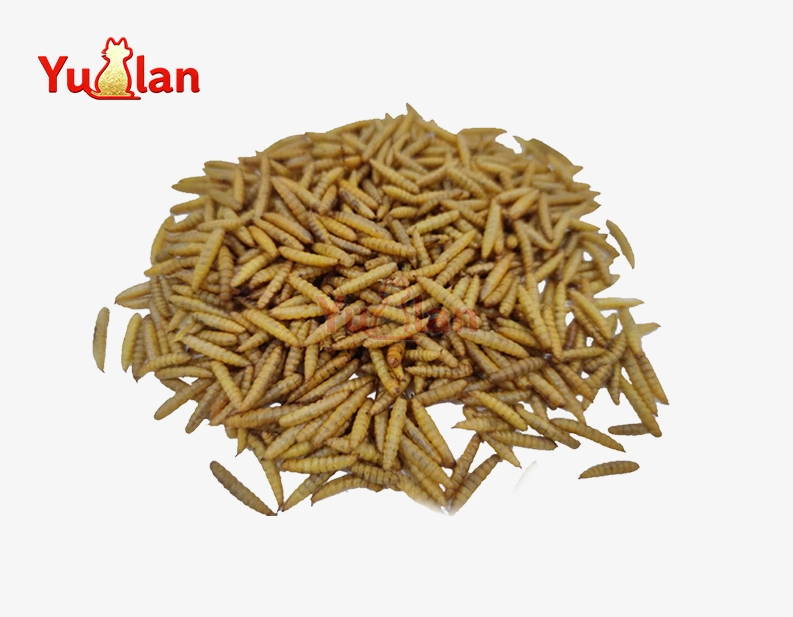
Dried mealworms for parrots are processed through professional low temperature drying and high temperature sterilization technology. This processing method completely retains the rich nutrients of darkling beetle larvae while eliminating harmful bacteria and parasites. The finished product has stable quality and ultra high nutritional concentration, far exceeding ordinary plant based feed ingredients.
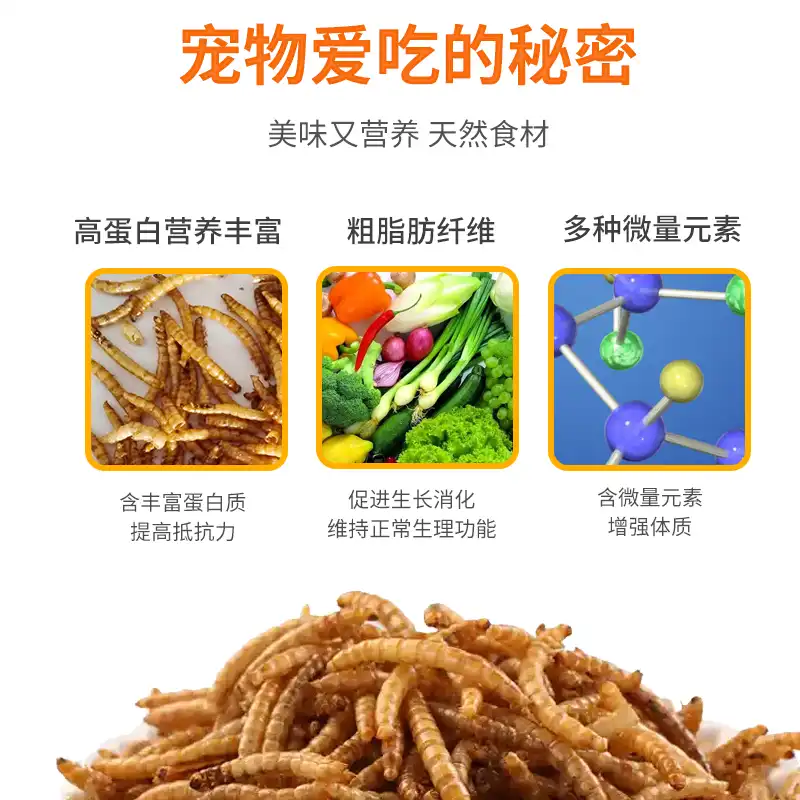
This special insect supplement has a precise and balanced nutritional ratio. It contains 53 percent high quality protein, 28 percent healthy fat and 6 percent crude fiber. It also retains essential trace elements including potassium, phosphorus, iron and sodium required for chicken growth. The rich amino acid group can promote chicken muscle development and enhance immune function. Moderate crude fiber can optimize intestinal peristalsis, improving the nutrient absorption efficiency of chickens.
For laying hens and molting chickens, dried mealworms for parrots can provide sufficient energy and nutrition support. It effectively improves feather quality, enhances egg production stability and optimizes eggshell quality. Whether for small family chicken flocks or large scale commercial poultry farms, this insect supplement can significantly improve the overall health status of flocks.
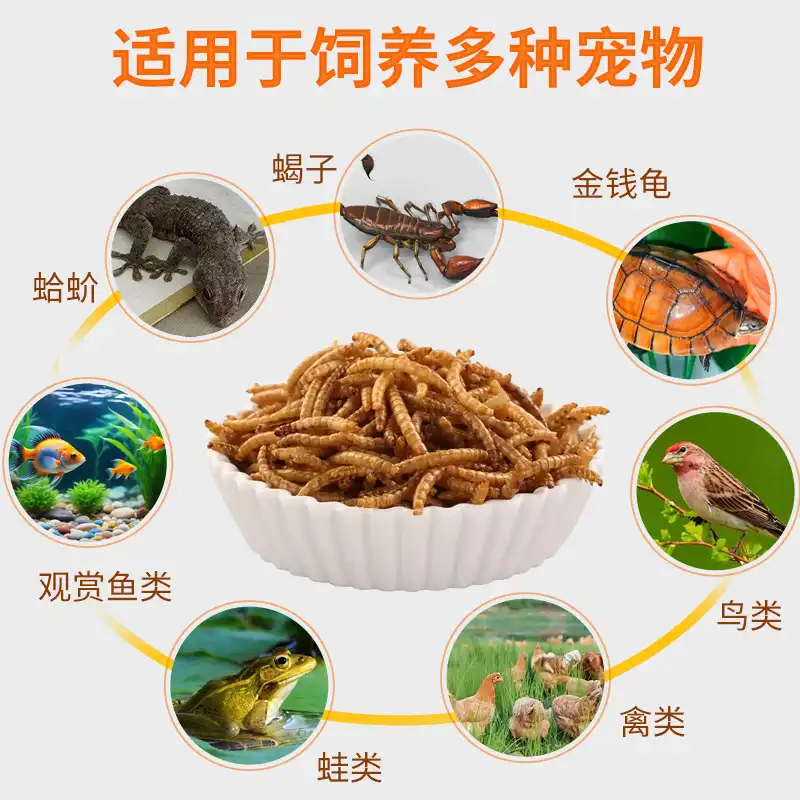
Safety Risks and Feeding Taboos of Parrot Food for Chickens
Although parrot food and its core insect ingredients are safe for chickens, unreasonable feeding methods and inappropriate product selection will bring potential health risks. Mastering safety taboos is the premise of standardized supplementary feeding.
Potential Health Risks of Improper Feeding
The nutritional ratio of parrot food is customized for parrots, not completely matching the long term dietary needs of chickens. Long term single feeding or excessive intake will cause nutritional imbalance in chickens. Excess fat and protein may lead to fat accumulation and weight gain, especially for caged chickens with low activity.
Some low grade parrot food adds artificial pigments and synthetic chemical additives to improve appearance. These additives are harmless to parrots but may cause intestinal discomfort and decreased appetite in chickens. Individual chickens may have slight allergic reactions to non natural additives. Dried mealworms for parrots in pure natural formulas can effectively avoid such risks with zero chemical addition.
Sudden large scale replacement of daily feed will irritate the chicken intestinal flora. It may cause indigestion, loose stools and even temporary drop in egg production. For breeding chickens and young chicks with sensitive physical conditions, arbitrary feed replacement will affect growth and reproduction efficiency.
Nutritional Difference Between Parrot Food and Professional Chicken Feed
Standard commercial chicken feed has targeted nutritional ratios for different growth stages. Layer feed contains 16 to 24 percent protein, while broiler feed contains 20 to 24 percent protein. It is supplemented with high calcium and phosphorus ingredients to ensure eggshell quality and bone health, fully adapting to the physiological needs of chickens.
Parrot food has higher overall protein content than conventional chicken feed, so it can only be used as a supplementary treat instead of staple feed. The plant protein in chicken feed mainly comes from corn and soybean meal, with low cost and stable supply. In contrast, the insect protein from dried mealworms for parrots has higher digestibility and richer amino acid types, which can make up for the nutritional shortcomings of plant feed.
The trace element system of parrot food is designed for avian ornamental birds, lacking part of the mineral components required for long term chicken breeding. Therefore, mixed feeding can only play a supplementary role. It cannot completely replace professionally formulated chicken feed to ensure long term flock health.
Standardized Feeding and Bulk Storage Methods
Scientific feeding dosage, gradual feeding mode and standardized storage management can maximize the utilization value of parrot food and its insect ingredients. It can also avoid feeding risks and product waste, suitable for individual breeding and commercial bulk procurement.
Scientific Feeding Dosage and Frequency
Adult chickens have clear tolerance standards for supplementary insect feed. It is suitable to feed 10 to 15 pieces of dried mealworms for parrots per chicken every day. The total supplementary feeding amount should not exceed 10 percent of the daily staple feed intake, which ensures nutritional balance without causing physical burden.
Young chicks need to reduce the feeding amount according to their body size and growth stage. Laying hens in peak egg production period can appropriately increase the supplementary dosage to supplement energy and protein consumption. Scattered feeding at intervals can simulate the natural foraging state of chickens and improve feeding activity.
For group breeding, mixed feeding with staple feed is recommended. This method ensures uniform intake of supplementary nutrition for all chickens and prevents dominant chickens from occupying all treats, realizing balanced flock nutrition.
Gradual Introduction and Flock Health Monitoring
Any new feed needs a gradual adaptation cycle for chickens. Abrupt diet changes will destroy the stability of intestinal flora and affect growth and production status. Breeders need to strictly follow the step by step feeding principle.
In the initial stage, mix parrot food and dried mealworms for parrots into staple feed according to 5 percent of the total feed amount. Continuously observe the chicken's mental state, feeding desire and fecal status for three to five days. If no adverse reactions occur, gradually increase the supplementary proportion within two weeks.
Timely detect early problems such as listlessness, decreased drinking water and abnormal defecation. Early intervention can prevent small scale discomfort from spreading to the whole flock. Long term feeding records can also optimize the seasonal supplementary feeding plan to adapt to the growth changes of chickens.
Bulk Storage and Inventory Management Specifications
Good storage conditions are key to maintaining the nutritional activity of parrot food and insect supplements. All feed products need to be stored in cool and dry environments, avoiding direct sunlight and humid air to prevent mildew and deterioration.
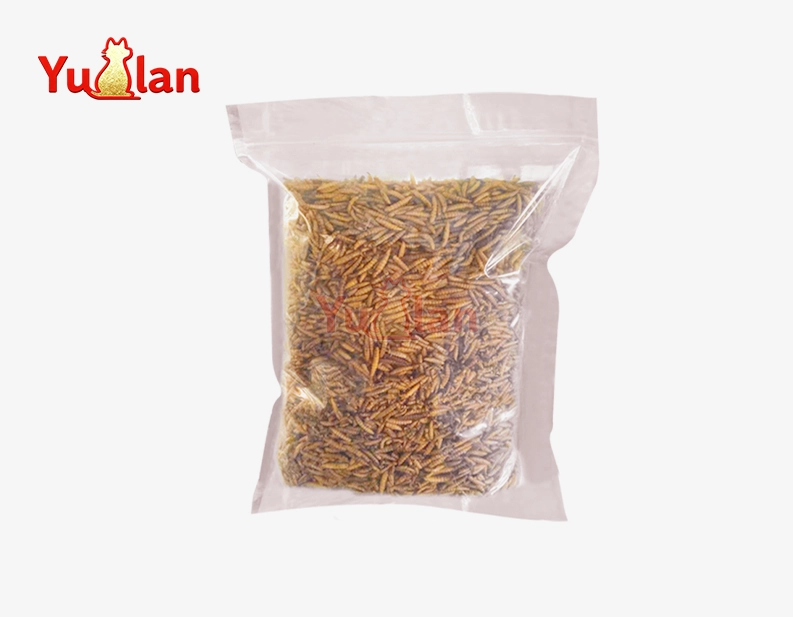
Sealed and airtight containers are essential for bulk storage. Professional sealing can isolate external moisture, pests and dust, prevent fat oxidation and taste deterioration. For bulk stocked dried mealworms for parrots, constant humidity management is more important than temperature control, especially in coastal and high temperature and humid areas.
Commercial bulk procurement and sales must adopt the first in first out inventory management mode. Mark the batch number and incoming date of each batch of products to facilitate quality traceability. Regular quality inspection ensures that all outgoing products maintain stable nutrition and safety, reducing inventory loss and after sales risks.
Conclusion
Chickens can safely eat qualified parrot food as a nutritional supplement, and the core valuable ingredient is dried mealworms for parrots. Conventional seeds, pellets and natural insect ingredients in parrot food are non toxic and digestible for chickens. They can supplement high quality protein, trace elements and amino acids that are insufficient in ordinary staple feed. Proper supplementary feeding can improve chicken immunity, optimize feather quality and stabilize egg production efficiency. However, parrot food cannot replace professional chicken feed for long term staple feeding due to mismatched nutritional ratio. Breeders and B2B feed merchants need to follow standardized feeding dosage and gradual introduction rules. With scientific storage management, they can give full play to the nutritional advantages of this insect based supplementary feed. It is an efficient, safe and cost effective nutritional optimization solution for modern family breeding and commercial poultry breeding.
FAQ
Can chickens digest parrot food ingredients safely?
Chickens have strong digestive systems and powerful gizzards, which can fully digest and absorb conventional parrot food ingredients such as seeds, pellets and dried insects. Natural insect products represented by dried mealworms for parrots have high digestibility and will not cause intestinal burden under standardized feeding. The main safety risk comes from excessive feeding and low grade feed additives. As long as breeders insist on gradual feeding and select pure natural formula products, chickens can adapt to this supplementary diet stably and healthily.
How do dried mealworms compare to black soldier fly larvae for chicken feeding?
Both dried mealworms and black soldier fly larvae are high quality insect protein supplements for chickens. Black soldier fly larvae have higher fat and calcium content with about 40 percent protein, suitable for promoting chicken bone development. Dried mealworms for parrots have higher protein concentration up to 53 percent, with more balanced amino acid ratio, which is better for improving feather quality and laying performance. Dried mealworms also have wider market circulation and more stable prices, making them more suitable for long term bulk procurement and daily supplementary feeding.
How long can dried parrot feed insect ingredients be stored?
With standardized sealed storage in cool and dry environments, dried mealworms for parrots can maintain complete nutritional activity for 12 to 18 months. The protein and crude fiber content remain stable during the storage period, while individual fat soluble vitamins will slowly attenuate. Low temperature refrigeration can further extend the shelf life, but conventional commercial inventory does not require excessive refrigeration equipment. Adhering to the first in first out rule and regular quality inspection can always ensure the feeding safety and nutritional value of bulk products.
Is long term supplementary feeding of parrot food suitable for laying hens?
Long term quantitative supplementary feeding is suitable for laying hens, but total feeding proportion must be controlled. Dried mealworms for parrots can supplement high efficiency protein for laying hens in peak production period, effectively alleviating nutritional consumption and improving egg quality. It is necessary to avoid excessive feeding to prevent nutritional imbalance and fat deposition. Matching with professional layer staple feed and seasonal adjustment of dosage can maximize the breeding benefit of this supplementary feed.
Partner with Yunlan for Premium Dried Mealworms Solutions
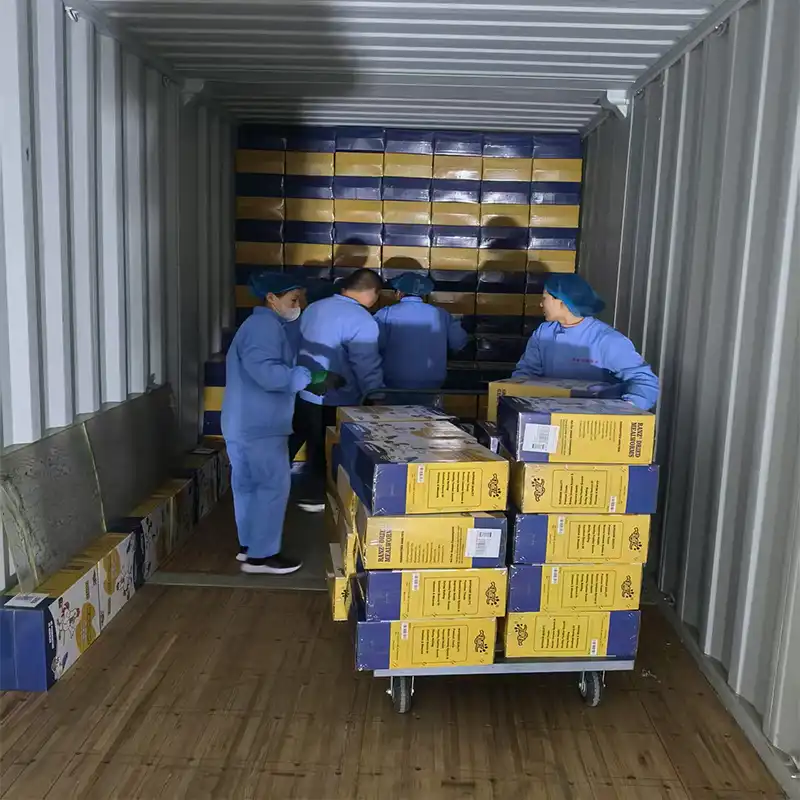
Yunlan is a professional and reliable global supplier specializing in high quality avian insect feed products. We focus on providing premium dried mealworms for parrots for B2B feed merchants, poultry farms and pet supply retailers worldwide. Adopting advanced microwave drying and high temperature sterilization technology, our products completely remove harmful bacteria and impurities while retaining 100 percent core nutrients. Our dried mealworms stably maintain 53 percent high protein content, rich healthy fat and various trace elements, meeting the dual feeding needs of ornamental parrots and farmed chickens. With 20 years of industry supply chain experience, more than 97 independent patents and nearly 100 million yuan in R and D investment, our products have passed multiple international safety certifications. We support stable bulk supply, customized processing and global logistics distribution, covering more than 60 countries and regions. Our products feature long shelf life, zero mildew deterioration and ultra high digestibility, helping customers reduce inventory loss and improve product competitiveness. We provide one stop procurement services and professional after sales support. If you need product samples, bulk wholesale prices and exclusive cooperative policies, please contact our professional sourcing team via minghuixu6717@gmail.com or visit yunlanpets.com to start a win win long term cooperation.
References
Journal of Applied Poultry Research. (2023). Nutritional Composition of Insect-Based Protein Supplements in Avian Diets. Volume 28, Issue 3, 112-120.
Smith, J.R., & Thompson, K.L. (2024). Comparative Digestibility of Alternative Protein Sources in Domestic Poultry. International Poultry Science Association Annual Proceedings, 45-53.
USDA Animal and Plant Health Inspection Service. (2023). Guidelines for Novel Feed Ingredients in Commercial Poultry Production. Official Publication 2023-04.
Martinez, D. (2024). Sustainable Insect Farming for Animal Feed Applications: Production Methods and Quality Standards. Agricultural Innovations Press, 78-92.
Veterinary Nutrition Journal. (2023). Safety Assessment of Cross-Species Feed Supplementation in Captive Bird Populations. Volume 15, Number 2, 36-49.
National Poultry Improvement Plan. (2024). Best Management Practices for Supplemental Feeding Programs in Commercial and Backyard Flocks. Technical Bulletin Series, 22-35.