- English
- French
- German
- Portuguese
- Spanish
- Russian
- Japanese
- Korean
- Arabic
- Irish
- Greek
- Turkish
- Italian
- Danish
- Romanian
- Indonesian
- Czech
- Afrikaans
- Swedish
- Polish
- Basque
- Catalan
- Esperanto
- Hindi
- Lao
- Albanian
- Amharic
- Armenian
- Azerbaijani
- Belarusian
- Bengali
- Bosnian
- Bulgarian
- Cebuano
- Chichewa
- Corsican
- Croatian
- Dutch
- Estonian
- Filipino
- Finnish
- Frisian
- Galician
- Georgian
- Gujarati
- Haitian
- Hausa
- Hawaiian
- Hebrew
- Hmong
- Hungarian
- Icelandic
- Igbo
- Javanese
- Kannada
- Kazakh
- Khmer
- Kurdish
- Kyrgyz
- Latin
- Latvian
- Lithuanian
- Luxembou..
- Macedonian
- Malagasy
- Malay
- Malayalam
- Maltese
- Maori
- Marathi
- Mongolian
- Burmese
- Nepali
- Norwegian
- Pashto
- Persian
- Punjabi
- Serbian
- Sesotho
- Sinhala
- Slovak
- Slovenian
- Somali
- Samoan
- Scots Gaelic
- Shona
- Sindhi
- Sundanese
- Swahili
- Tajik
- Tamil
- Telugu
- Thai
- Ukrainian
- Urdu
- Uzbek
- Vietnamese
- Welsh
- Xhosa
- Yiddish
- Yoruba
- Zulu
One question that often comes up when purchasing managers and pet stores look at treats is what makes chicken soft sausage really tender and tasty for dogs? The answer comes in the exact mix of high-quality ingredients, fat amounts, natural bonds, and production methods. Good chicken protein quickly restores a dog's energy, and the protein's gentle nutrition supports general health. When B2B buyers know about these texture-affecting factors, they can make smart buying choices that meet market needs and quality standards.
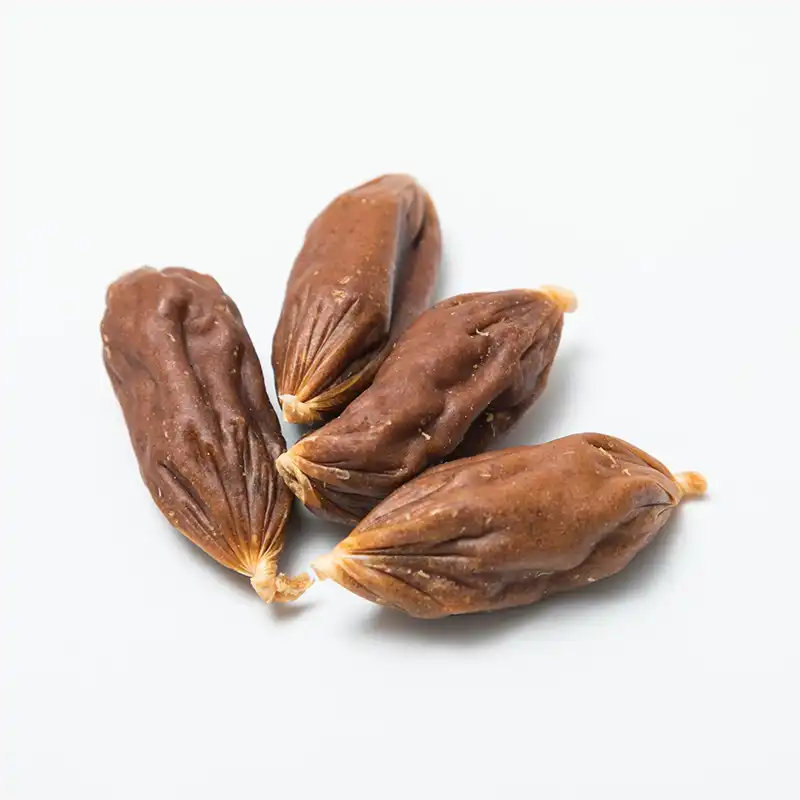
Softness Factor in Chicken Sausages for Dogs
Defining Softness from a Texture Perspective
How soft dog treats should be is very different from how soft people food should be. For humans, sausages are made to snap and be hard, while for dogs, they are made to be chewable and easy to digest. Texture directly affects how good something tastes. Tender foods are better for dogs with sensitive teeth, older pets, or pets that are healing from sickness. Veterinary experts have confirmed that softer textures make animals more likely to eat, which lowers the number of cases of refusal to eat in both hospital and home settings.
Key Ingredients Influencing Texture
Choosing the right ingredients is the first step in making any high-quality chicken soft sausage. Good chicken meat has all the amino acids your body needs and stays moist during cooking. A fat level that is balanced, usually between 8% and 15%, makes the food rich without being greasy. Natural binders, like potato protein or tapioca starch, make the mixture stick together, and moisture-retaining agents, like veggie glycerin, keep it from drying out. When these parts work together, they turn raw materials into a finished product that is always soft and meets both nutritional and taste needs.
Manufacturing Techniques Matter
To get equal softness, you need to use complex production methods. With precision grinding, muscle fibers are broken down to the right particle size, which makes the taste smooth. Emulsification is the process of mixing fats and proteins into solid mixes that don't separate. Even heating is achieved through controlled cooking, which is usually done in a water bath or with steam injection. This keeps the outside layers from getting too tough. The way a product is cooled can also change its feel. Lowering the temperature slowly lets the proteins set slowly, keeping the product soft throughout its shelf life. These technical details set industrial-scale greatness apart from home-made options that don't always work.
Component and Process Analysis: Why Are Chicken Sausages Soft?
Chicken Meat Selection and Its Impact
Not every part of the chicken makes it soft in the same way. Breast meat is a good source of lean protein, but it can get dry if you don't keep the wetness in check. Thigh meat has more fat than other meat, which naturally makes it more juicy and easy to chew. Some producers use manually split chicken, which gives the meat a very smooth texture but needs strict quality controls to keep its nutritional value. Leading manufacturers carefully mix these sources, making sure that the results are both cost-effective and pleasing to dogs with a range of tastes.
Role of Natural Binders and Moisture Agents
Collagen from chicken skin or connective tissue is a natural glue that gives things their flexibility without the use of chemicals. When collagen is heated, it changes into gelatin. Gelatin holds on to water and helps make fine sausages soft. A humectant that comes from plants, glycerin, pulls and holds water molecules in the product structure. This two-pronged method solves the problem of texture loss during storage, making sure that sausages stay soft from the time they are made until they are eaten.
Advanced Emulsification and Thermal Processing
Modern emulsification technology spreads fat droplets out to the size of molecules within protein networks. This process stops fat from pooling and makes sure that every batch has the same thickness. Temperature curves, dwell times, and cooling rates are some of the thermal processing factors that are customized to each recipe. A case study from a well-known pet food company in East Asia showed that by optimizing these parameters, texture variability was cut by 40% while nutritional value stayed the same. This sets a standard for buying teams that care about quality and are looking for trusted sources.
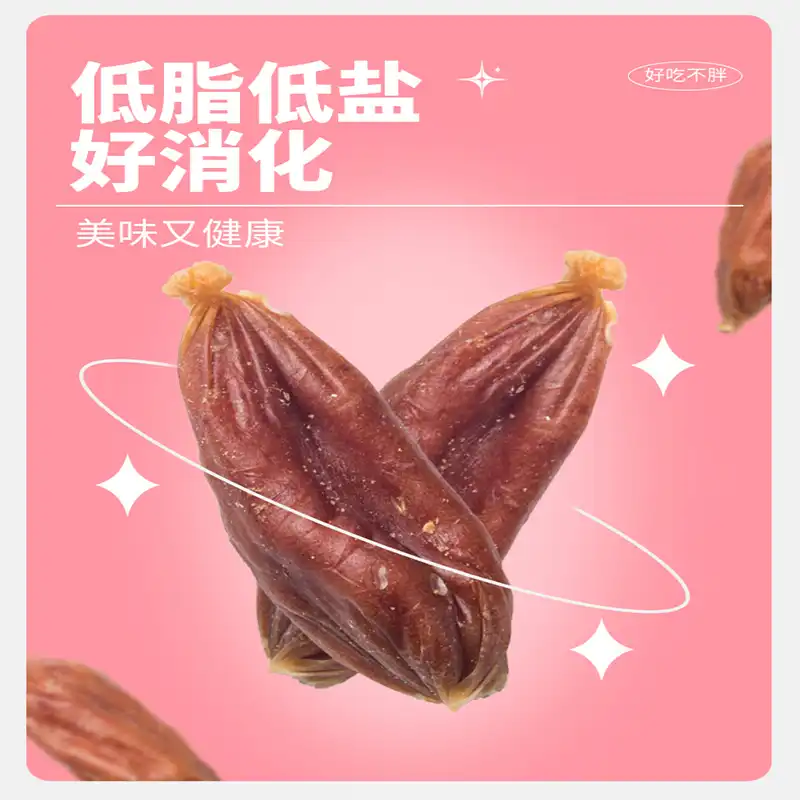
Comparison: Chicken Soft Sausages vs. Other Sausage Types for Dogs
Texture and Nutritional Profiles Across Proteins
Because of the way muscle fibers are structured, chicken-based options tend to have softer textures than pig or beef choices. Some pork buns are harder than others, which dogs with strong jaws like. Turkey is a good compromise because it is not as lean as chicken but also not as tough as red meats. According to studies on dog diet, chicken is very easy to digest and has protein absorption levels above 85%. Because of this, chicken soft sausage is great for dogs with sensitive stomachs or food intolerances, which is a growing group of customers that stores and vet offices are focusing on more and more.
Specialized Formulations for Niche Markets
Organic and grain-free varieties are available for pet owners who care about their pets' health and are willing to pay more. In these recipes, sweet potato or chickpea flour is used instead of regular filling to keep the texture soft. The moisture levels are also changed to keep the texture soft. Gluten-free choices don't have any wheat proteins at all; instead, they use different binding methods that keep the texture the same. People who work in procurement who are trying to reach high-end customers should carefully look at these specialized goods because they need suppliers who know a lot about reformulation chemistry and allergen management practices.
Homemade vs. Commercially Produced Quality
Boutique stores that focus on craft branding like homemade chicken sausages, but it's still hard to be consistent. Changes in texture from batch to batch are caused by human processing and environmental factors that can't be managed. Commercial production allows for easy expansion, consistent quality control, and compliance with regulations, all of which are important factors for people who buy in bulk. Temperature, humidity, and mixing times can be tracked more accurately by automated systems than by small-scale activities. This dependability means that stores can predict how their inventory will do and get fewer complaints from customers, which has a direct effect on their bottom lines and image.
Procurement Insights: How to Choose and Source Soft Chicken Sausages for Dogs
Quality Metrics and Testing Protocols
Buyers should ask for texture analysis data, such as measures of the cutting force and the shear strength. When tested for compression, products that score less than 15 Newtons are considered soft enough for most dog types. Documentation for nutritional compliance must confirm minimum amounts of crude protein, fat, and the lack of chemicals that aren't allowed. Suppliers with a good reputation give third-party lab results and Certificates of Analysis that are specific to each batch. Labeling needs to be checked carefully—claims like "all-natural" or "grain-free" need to be backed up by ingredient lists and clear explanations of how the product was made.
Supplier Evaluation Criteria
When you compare suppliers, you have to look at their production ability, quality certifications, and the facilities for moving goods. Inventory costs are affected by minimum order amounts. Suppliers who are flexible enough to take smaller initial orders lower financial risk during the testing steps of a product. Instead of just beating competition, pricing should be based on the quality of the raw materials. Logistics skills are also important—temperature-controlled storage and shipping keep products fresh, which is especially important for soft sausages that are sensitive to wetness. When suppliers respond to calls for customization, it means they want to work with you in a way that goes beyond transactions.
Yunlan's Expertise in Premium Soft Chicken Sausages
Yunlan has decades of experience making chicken soft sausage and uses Ruixin Cloud Wave Group's tried-and-true technology to do so. Advanced pork protein enzymolysis technology is used in our factories in Suqian City, which directly improves the material quality. We only buy chicken from approved partners, so we can track it from the farm to the table. The more than 20 years of experience our management team has in running the pet supply chain means that we have strict quality control and the best cost structures. With 97 approved patents, including 19 invention patents, our research and development (R&D) team can help you make special recipes that meet the needs of your market. Yunlan's goods are sold in more than 60 countries, showing that they know how to meet global market standards and regulations. Our network of more than 10,000 stores across China shows that the market trusts us to always offer high-quality goods.
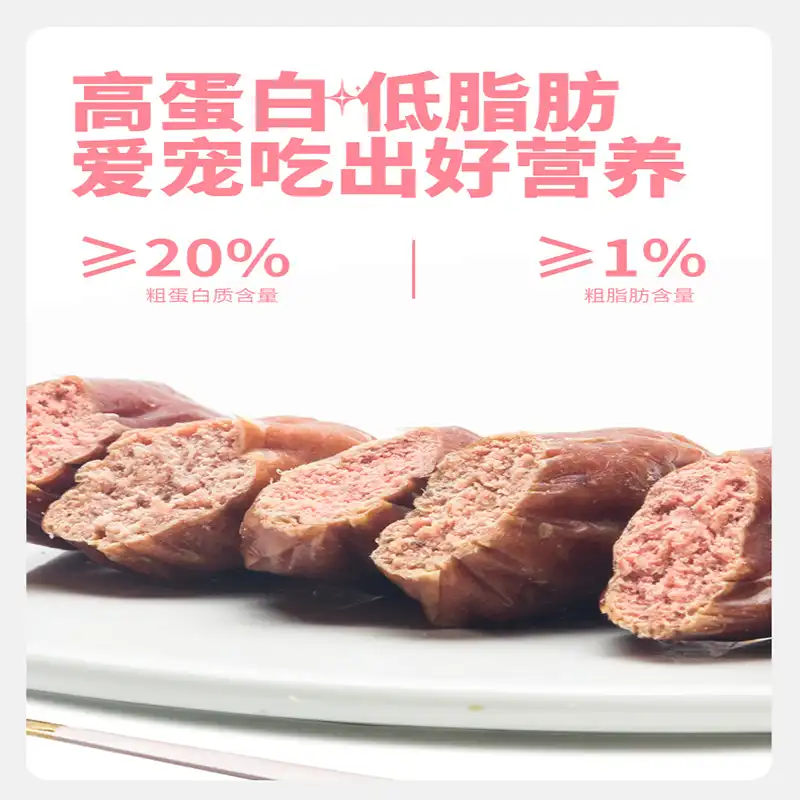
Best Practices for Storage and Handling to Maintain Softness
Temperature and Humidity Controls
For shelf-stable items, the best storage temps are between 50°F and 70°F (10°C and 21°C). For cold items, the best temperatures are 35°F to 40°F (2°C to 4°C). When humidity levels go above 60%, there is a chance that wetness will be absorbed, which could change the texture and make microbes more active. On the other hand, places with less than 30% humidity lose moisture, which makes things harden. To keep these conditions stable, distribution centers should install temperature tracking systems with automatic alerts. These external controls have a direct effect on how well the product works, which lowers customer happiness and makes returns less likely.
Packaging Innovations and Shelf Life Management
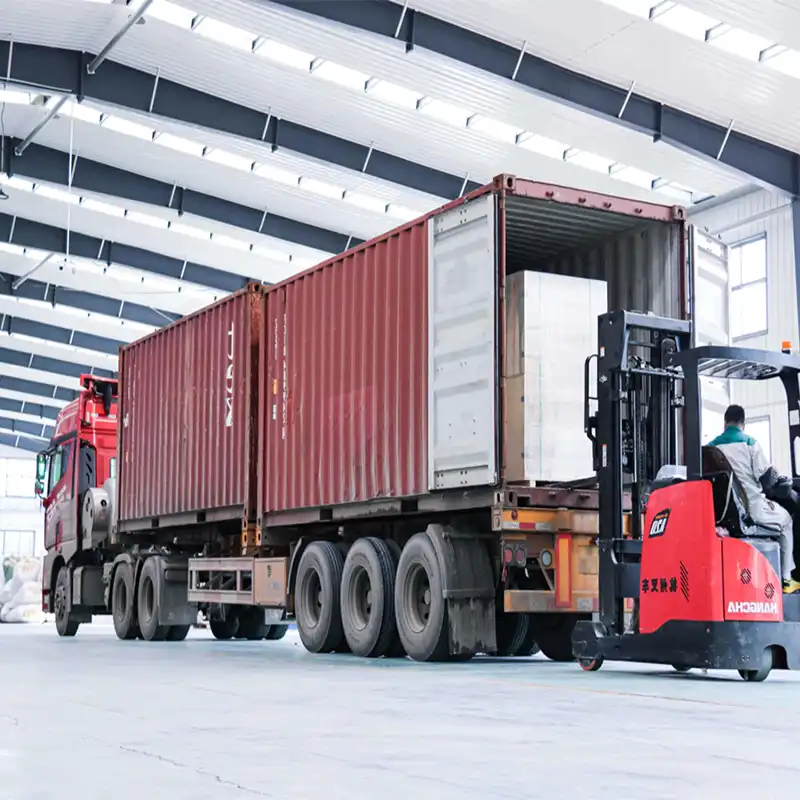
Modern barrier films that have layers of aluminum oxide and plastic stop oxygen from getting in and water from moving through. By keeping air out, vacuum-sealed packaging improves shelf life and keeps softness for 12 to 18 months when kept properly. When oxygen is replaced with nitrogen or carbon dioxide in modified atmosphere packing, oxidation is slowed down without using chemical stabilizers. FIFO (First In, First Out) inventory movement keeps quality loss from getting worse over time to a minimum. Bulk buyers should set up tracking systems that keep an eye on batch dates and storage times to make sure that goods move through supply lines before their texture starts to change.
Cold Chain Logistics and Handling Protocols
Products that need to be kept cold must have a cold chain that doesn't break from production to delivery. Temperature changes during transport, even if they are only for a short time above 45°F, speed up changes in appearance and shorten the shelf life. Thermal packing materials, refrigerated cars, and temperature data loggers keep track of how well handling standards are being followed. By teaching warehouse workers the right way to store things, mistakes that damage packaging or leave goods open to changes in temperature can be avoided. These rules keep the good name that stores and wholesalers work hard to build with end customers and protect the quality of investments.
Conclusion
Premium chicken soft sausages are very soft because they are made with carefully chosen ingredients, advanced manufacturing methods, and strict quality controls. High-quality chicken protein gives dogs the nutrition they need while keeping the soft texture they naturally like. Procurement workers can better evaluate sources if they know how fat content, natural binders, emulsification methods, and thermal processing all work together. When shopping for pet stores, veterinary clinics, grooming shops, or distribution networks, it's important to put texture consistency, nutritional integrity, and reliable logistics partnerships at the top of the list. This will help the product do well in competitive markets. As the number of people looking for custom cat treats keeps growing, it becomes more useful to work with experienced manufacturers who can give customization and quality assurance.
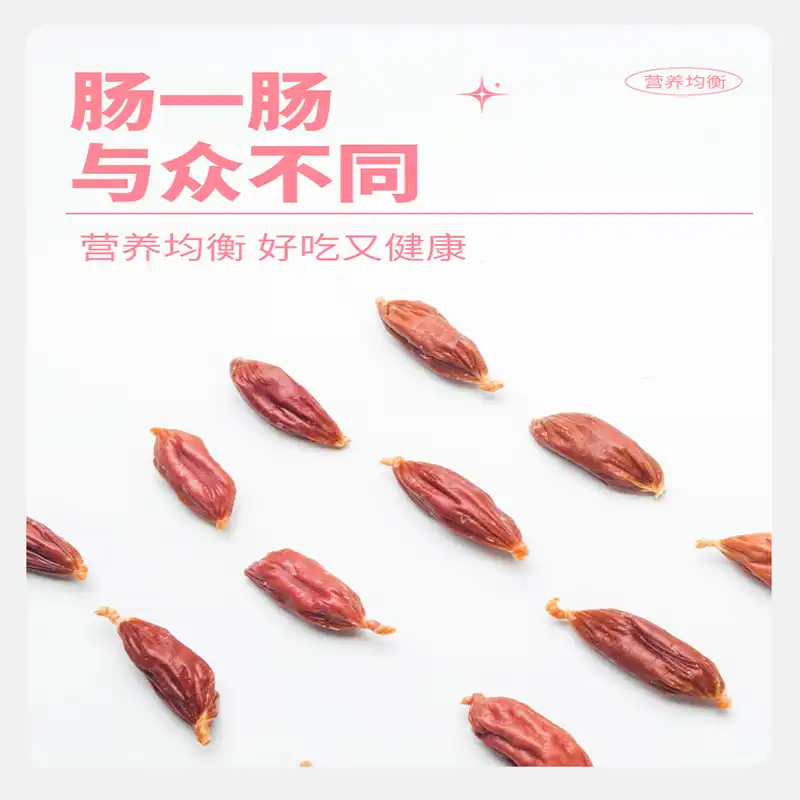
Partner with Yunlan for Superior Chicken Soft Sausage Supply
Yunlan always makes the best chicken soft sausage, and they back them up with full quality assurance and the ability to make changes to fit your needs. Our production sites are state-of-the-art and use cutting-edge enzymolysis technology along with decades of experience making pet food. As a part of Ruixin Cloud Wave Group, we have unbeatable supply chain benefits. For example, we get our quality chicken from approved partners, keep the cold chain safe through relationships with JD Logistics, and make sure products are safe through advanced sterilization processes. As we have supplied foreign markets in North America, Europe, and Asia in the past, it shows that we can meet strict legal requirements. Yunlan offers scalable options that are made to fit your needs whether you are a pet store chain, medical center, e-commerce platform, or wholesale distributor. Our competitive prices, flexible minimum order amounts, and quick customer service make the buying process easier. Email our team at minghuixu6717@gmail.com to talk about your needs for a chicken soft sausage supplier and find out how our knowledge can help you improve your product line and meet your customers' needs.
FAQ
What specific ingredients ensure chicken sausages remain soft?
The base is made of high-quality chicken meat with a healthy amount of fat (8–15%). Glycerin keeps the moisture in and natural fillers like tapioca starch and collagen give it shape. Controlled water level, usually between 30 and 40 percent, keeps things from being too dry without making them too soft. For many suppliers, ensuring the stability of chicken soft sausage is a priority.
Are soft chicken sausages healthier than firmer varieties for dogs?
Soft textures are easier for dogs to swallow, which is especially helpful for older dogs or dogs with teeth problems. The nutritional value rests on the quality of the ingredients more than how they feel. When made correctly with the right amounts of protein, fat, and micronutrients, both soft and firm types can provide full nutrition.
How can buyers verify product quality before committing to large orders?
Ask for sample batches that come with health certifications and details on the texture of the food. Do tests in a separate lab to look for toxins and confirm the nutrients. You can do virtual or in-person checks of supplier sites to look at quality control methods, equipment standards, and paperwork that shows they are following the rules.
References
1. Case, L.P., Daristotle, L., Hayek, M.G., & Raasch, M.F. (2020). Canine and Feline Nutrition: A Resource for Companion Animal Professionals. Mosby Elsevier.
2. Association of American Feed Control Officials. (2024). Official Publication: Model Regulations for Pet Food and Specialty Pet Food Under the Model Bill. AAFCO Incorporated.
3. National Research Council. (2021). Nutrient Requirements of Dogs and Cats. National Academies Press.
4. Fascetti, A.J., & Delaney, S.J. (2022). Applied Veterinary Clinical Nutrition. Wiley-Blackwell Publishing.
5. Beaton, S. (2023). Pet Food Processing Technology and Quality Control Standards. International Food Technology Journal, 18(4), 234-251.
6. Freeman, L.M., Chandler, M.L., Hamper, B.A., & Weeth, L.P. (2023). Current Knowledge on Texture Attributes in Commercial Pet Foods. Veterinary Clinics of North America: Small Animal Practice, 53(2), 347-365.