- English
- French
- German
- Portuguese
- Spanish
- Russian
- Japanese
- Korean
- Arabic
- Irish
- Greek
- Turkish
- Italian
- Danish
- Romanian
- Indonesian
- Czech
- Afrikaans
- Swedish
- Polish
- Basque
- Catalan
- Esperanto
- Hindi
- Lao
- Albanian
- Amharic
- Armenian
- Azerbaijani
- Belarusian
- Bengali
- Bosnian
- Bulgarian
- Cebuano
- Chichewa
- Corsican
- Croatian
- Dutch
- Estonian
- Filipino
- Finnish
- Frisian
- Galician
- Georgian
- Gujarati
- Haitian
- Hausa
- Hawaiian
- Hebrew
- Hmong
- Hungarian
- Icelandic
- Igbo
- Javanese
- Kannada
- Kazakh
- Khmer
- Kurdish
- Kyrgyz
- Latin
- Latvian
- Lithuanian
- Luxembou..
- Macedonian
- Malagasy
- Malay
- Malayalam
- Maltese
- Maori
- Marathi
- Mongolian
- Burmese
- Nepali
- Norwegian
- Pashto
- Persian
- Punjabi
- Serbian
- Sesotho
- Sinhala
- Slovak
- Slovenian
- Somali
- Samoan
- Scots Gaelic
- Shona
- Sindhi
- Sundanese
- Swahili
- Tajik
- Tamil
- Telugu
- Thai
- Ukrainian
- Urdu
- Uzbek
- Vietnamese
- Welsh
- Xhosa
- Yiddish
- Yoruba
- Zulu
For cat owners who are thinking of getting tofu cat litter, the question of whether it's safe to flush down the toilet naturally arises. Although there are key qualifiers, the quick answer is that technically yes. Tho modest quantities of tofu litter may be flushed via contemporary plumbing, most households would be better off composting or storing it in bags for safety reasons. What sets this plant-based litter apart from the competition and how to properly dispose of it so that you don't have to worry about costly plumbing problems is explained in this article.
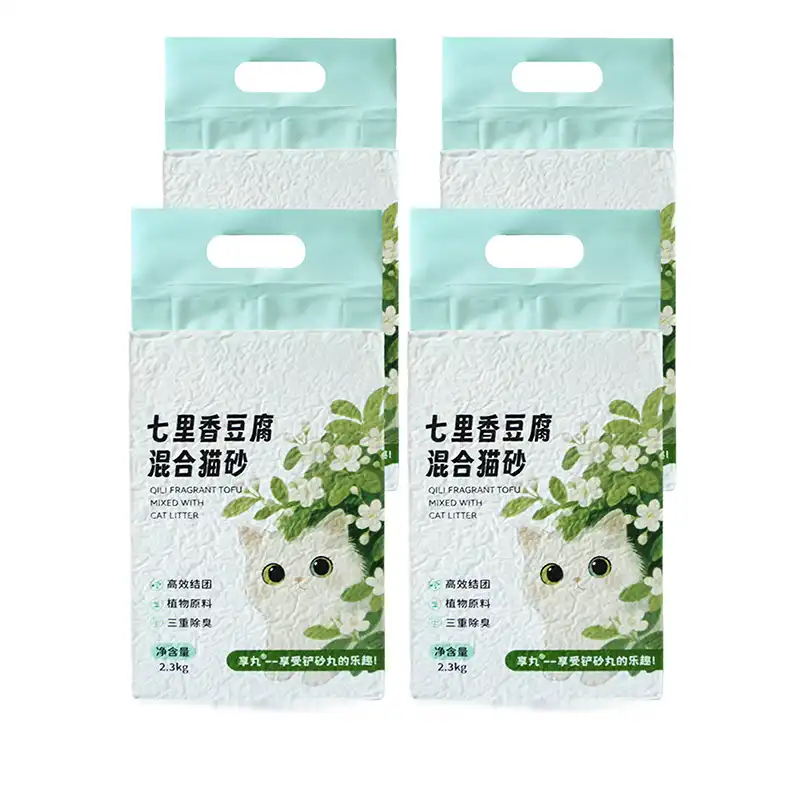
Understanding What Makes Tofu Cat Litter Flushable
The Composition Behind Flushability
Tofu cat litter is different from regular clay litter as it contains only plant-based ingredients. These cylindrical pellets are squeezed from soybean waste that is left behind after making tofu. They have a special quality due to their natural fibre structure: they dissolve in water.
The compressed pellets in tofu litters rapidly dissolve when immersed in water, which is why many of them are promoted as flushable. In contrast, clay-based litters really expand when wet and may produce significant obstructions, thus this occurs far more quickly. When broken down, the soybean fibres form a gentle, biodegradable substance that, when flushed down the toilet, mimics toilet paper.
In this case, the production method is important. In order to make pellets that are both structurally sound and easily dissolved, high-quality tofu cat litter is compressed. Pellets quickly lose their form and plant fibres split when exposed to water. This theoretically feasible flushing is made possible by this quick breakdown.
How It Compares to Other Litter Types?
You can't just assume that any "flushable" trash will work. It is not recommended to flush clay-based litters. When they become wet, they swell to enormous proportions and swiftly block your pipes. The insoluble nature of silica gel litters is another major drawback.
Tofu cat litter is an effective biodegradable solution. Because of their better flushability, tofu and corn cat litters are the best choice, although pine and wheat litters could take longer to dissolve and might damage older plumbing systems. Fibre structure and compression techniques are the distinguishing features.
How about the effects on the environment?
Biodegradable flushable litters decreased carbon emissions by up to 70% compared to bentonite clay, according to a lifecycle evaluation carried out by the European Pet Food Industry Federation. Because of this, tofu cat litter is appealing to pet owners who are concerned about the environment, but proper disposal is still important.
Having established this groundwork, let's look at the actuality of your home's plumbing system and see whether it can properly handle flushed litter.
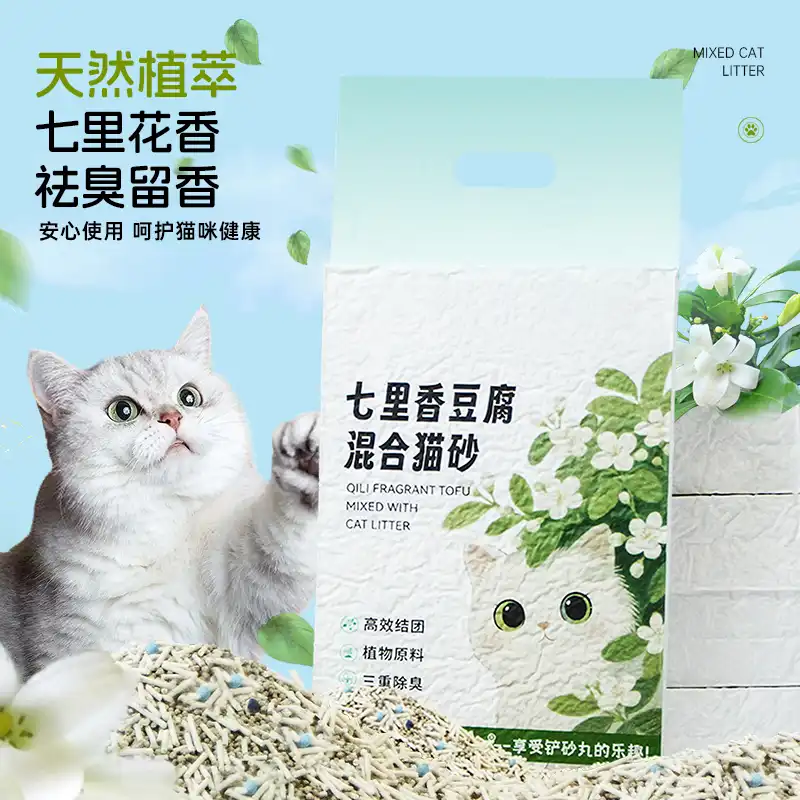
The Reality of Flushing: What Your Plumbing Can Actually Handle
Modern vs. Older Plumbing Systems
Nothing is more important than the age of your home's plumbing system when it comes to toilet paper. Flushing one or two clumps at a time is often safe for homes with contemporary PVC or copper plumbing linked to a municipal sewage system. Modern systems are designed with smooth inner surfaces that prevent dissolved material from building up.
Homes that are older have unique difficulties. The organic buildup that may occur in homes with cast-iron or clay drainage pipes is amplified over time, and tofu litter is one of those things. Clogs may develop over time in pipes with rough interiors or joint connections, which are common in homes constructed before the 1980s.
Cumulative accumulation, not abrupt obstruction, poses the greatest danger. A little quantity of the fibre in tofu cat litter might cling to the residue in your pipes, even if it degrades. This builds up a formidable barrier over the course of weeks or months. The cost of fixing the plumbing might easily go into the hundreds.
The Septic System Factor
Additional intricacy is brought forth by septic systems. Bacterial colonies are the key to decomposing organic waste in these self-contained systems. A unique threat exists for homes that use septic tanks; dissolving organic materials may upset the delicate bacterial equilibrium on which septic systems depend.
Septic systems clean wastewater for around 20% of American houses; however, these systems are only effective at handling human waste and toilet paper; adding other items may cause them to malfunction. Even biodegradable plant litter isn't a good fit for the microorganisms in your aquarium.
In the event that the delicate bacterial equilibrium is upset, what follows? As time goes on, your septic system's ability to break down solid waste is diminished. Quicker fuelling is possible. You should be pumped more often. The introduction of foreign elements may disrupt the delicate bacterial balance necessary for waste breakdown, which might result in system failure in extreme circumstances.
It is important to get particular approval before flushing litter into a septic system. If you have a septic system and want to use tofu cat litter, you can still help the environment by composting or bagging it instead of flushing it down the toilet.
Volume and Frequency Guidelines
Regardless of how good your plumbing is, volume is king. Flush just little clumps at a time and wait for them to disintegrate before continuing. This indicates that there will be clusters of pee rather than scoops of dirty litter.
No matter how biodegradable the material is, flushing a full scoop or the contents of a litter box all at once is problematic. The volume is the crucial issue. The amount of stuff that can be flushed down the toilet and into the pipes is limited. Put too much on their plates, and problems will ensue.
A sensible strategy: try before you buy. Make sure one clump dissolves quickly in your toilet before flushing the others. Otherwise, continue trashing. After five minutes, add one clump to the bowl. No matter what the package says, you shouldn't flush your tofu cat litter if it hasn't mostly disintegrated.
We may improve our disposal choices by being aware of these plumbing restrictions. Let's have a look at all the possibilities.
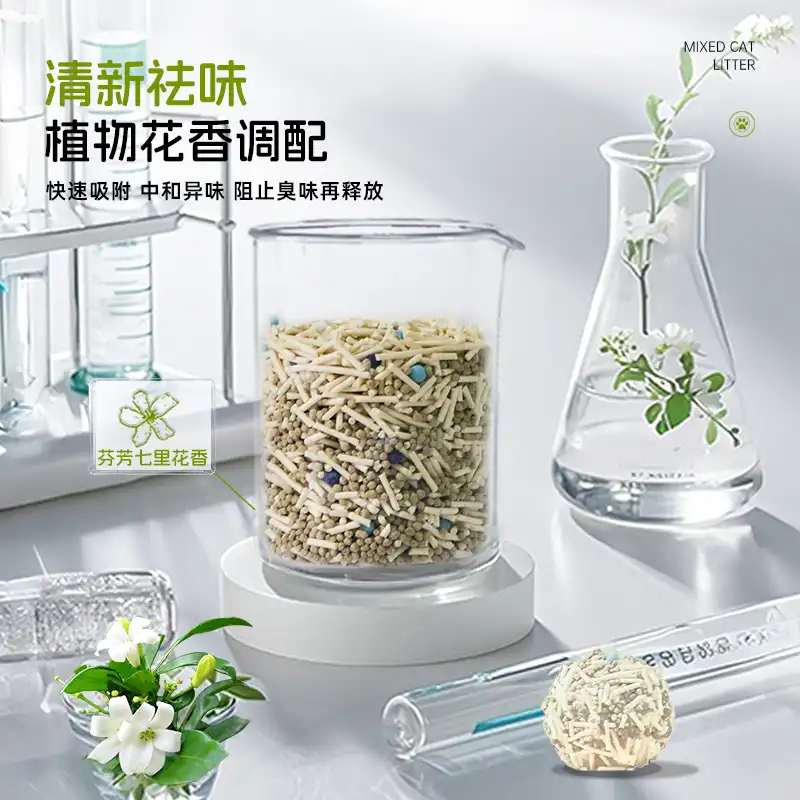
Safe Disposal Alternatives That Protect Your Home
The Simple Trash Method
Simply bagging and discarding is the most dependable disposal approach. The simplest option is to put the clumps in biodegradable bags and throw them away; over time, tofu decomposes more slowly than clay, and unlike mining litter, which clogs landfills, this means it's better for the environment.
All plumbing hazards are removed by this method. You may recycle used tofu cat litter by placing it in a tiny biodegradable bag, sealing it, and then throwing it out with your usual garbage. Problems with pipes eliminated. No problems with the septic tank. Simple trash disposal that is nonetheless better for the environment than clay.
At what decibel level are we conversing? One regular bag may last about a month for one average-sized cat. When you scoop your garbage every day or two, you're producing far less waste than when you utilise other home products.
Composting as an Eco-Friendly Option
Composting provides an additional option for owners who are concerned about the environment. In theory, tofu kitty litter may be composted since it is composed of plant material. There is a crucial safety precaution, tho: you should never compost trash that has come into touch with excrement.
Toxoplasma gondii is a parasite that can withstand the temperatures used for home composting and may be present in cat excrement. Parasites such as Toxoplasma may be introduced into municipal water systems by the flushing of cat excrement. Composting raises the same kind of worry. Properly bag and dispose of solid waste; however, clean litter containing just absorbed pee may be composted.
Some pet owners distinguish between food garden compost and pet waste by building a special container for the latter. These specialised composting processes need longer processing durations and higher temperatures. For those who are really concerned about the environment, it provides a zero-waste option, but it may not be suitable for everyone.
Hybrid Approaches That Balance Convenience and Safety
A lot of cat owners have found success with a mix of approaches. In an effort to strike a compromise between practicality and environmental concerns, some pet owners pour solid waste and urine clumps down the toilet, while others choose to compost the cleaned litter and bag the remainder. various forms of garbage present various dangers, and our strategy takes that into account.
If you have contemporary plumbing and access to municipal sewers, you may use a hybrid approach that looks like this: flush only urine clumps, dispose of any litter that is contaminated with faeces, and compost any clean litter that needs to be changed. This gives you the most bang for your buck with the least amount of damage to your pipes and the environment.
To avoid blockages, flush little quantities slowly. Use very little amounts and spacing them out if you choose for selective flushing. Do not ever flush more than one clump at a time.
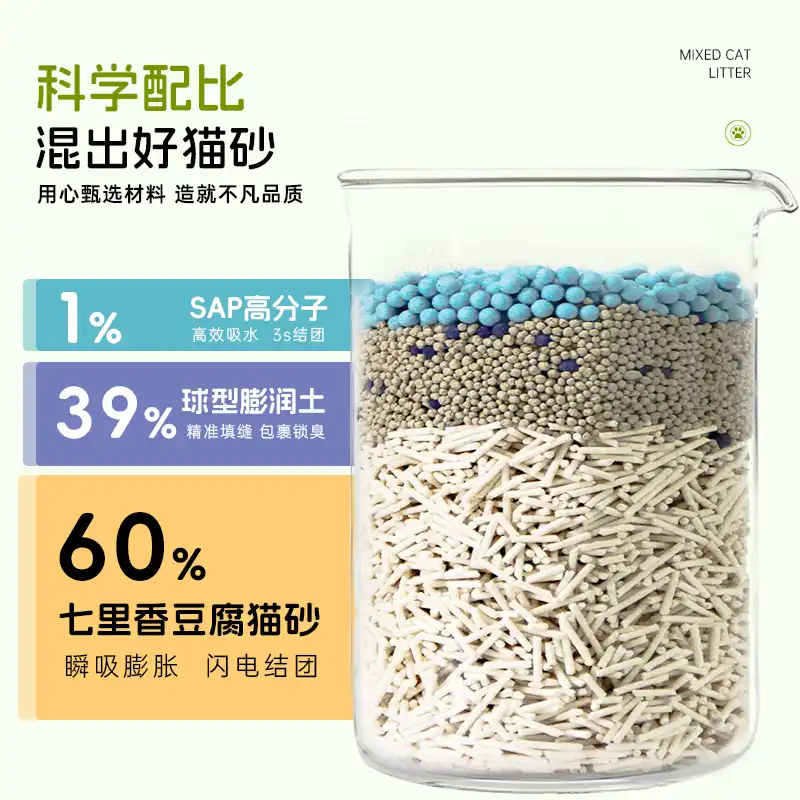
Making the Right Choice for Your Household
Key Factors to Consider
Many considerations should go into your disposal selection, including the age of the plumbing, the kind of sewage, local legislation, and your own demands for convenience. Find out first whether you're connected to city sewers or have a septic system. For septic systems, garbage or composting should be the default.
Get a feel for the rules where you live. Before you flush your pet's excrement down the toilet, be sure your city's regulations allow it. Flushing any kind of cat litter is outright forbidden in certain places, while other places permit it with some limitations. You may get this data on the website of your water provider.
Furthermore, think about the kind of building you have. Those living in older apartment complexes have to exercise particular caution. If you cause a blockage in a shared plumbing system, it could impact your neighbours. Safer disposal procedures are worth the little more work due to the inconvenience and possible liabilities.
What the Experts Recommend?
If you must flush, do it moderately and not all at once; seek out products that say they are safe for septic systems and look for third-party certifications. Your plumbing system may be too unique for even flushable items to be suitable.
The term "flushable" does not always mean that a product is harmless to both plumbing and the environment. Because advertising claims don't take house plumbing system variety into consideration, this reality check is important. Things that are perfectly OK in one home might end up causing issues in another.
It is typically discouraged by plumbers to flush any kind of trash, even biodegradable varieties. When things go wrong, they observe the aftermath, which gives them a unique viewpoint. Although tofu cat litter is less hazardous than clay, it is still too much stuff for your plumbing system to manage.

A Practical Decision Framework
Consider this decision tree: instead of flushing, bag or compost your waste if your home has a septic system. If your home has up-to-date municipal plumbing, you may flush little clots of pee very carefully. Refrain from using anything other than garbage or compost if your home's plumbing is more than 30 years old.
Do the safe thing when you are not sure what to do. Tofu cat litter still helps the environment even after you throw it away instead of flushing it. To lessen the burden on landfills, many flushable litters are biodegradable. In comparison to others who utilise clay litter, you are still choosing a more sustainable option.
No matter what technique you choose for disposal, remember that scooping daily maintains quantities reasonable. For proper hygiene, scoop once a day. In addition to making any disposal technique simpler to handle, this practice keeps your house smelling fresher.
FAQ
Can I flush tofu cat litter if it says "flushable" on the package?
The "flushable" label indicates the material can dissolve in water, but it does not account for your plumbing age, septic system, or local regulations. Always test a small amount first and verify your plumbing can handle it. Homes with septic systems or pipes older than 30 years should avoid flushing regardless of package claims.
How long does tofu cat litter take to dissolve in water?
Tofu pellets soften when wet and should clear a standard toilet trap without accumulating, as long as the quantity stays small. Most quality brands begin dissolving within 2-5 minutes. If a test clump hasn't softened significantly after 5 minutes, that brand may not be suitable for flushing.
Is tofu cat litter safer for septic systems than clay litter?
While tofu cat litter is biodegradable unlike clay, it still poses risks to septic systems. Even biodegradable materials can cause clogs if not broken down effectively, and many older septic systems are not designed to handle extra waste, risking overflows or system failure. Septic system owners should bag or compost used litter rather than flushing.
Can I compost tofu cat litter?
You can compost tofu cat litter that has only absorbed urine, but never compost litter contaminated with feces due to potential parasites like Toxoplasma. Create a separate compost bin for pet waste that's not used for food gardens, or dispose of all waste-contaminated litter in the trash.
Partner with Yunlan for Premium Tofu Cat Litter Solutions
With state-of-the-art production capabilities and extensive B2B support services, Yunlan is your reliable source for tofu cat litter. Our plant-based litter solutions use cutting-edge methods to treat soybean fibre, resulting in superior deodorisation and practically dust-free operation. We provide individualised solutions to distributors, boarding facilities, pet stores, and veterinary clinics all over the globe, drawing on our 97 approved patents and twenty years of specialised knowledge. For sample packets and information on bulk procurement alternatives that are suited to your operating needs, please contact us at minghuixu6717@gmail.com.
References
- PetMe Social. "Can You Flush Tofu Cat Litter? Safe Disposal Guide." PetMe Blog, May 29, 2026. https://petme.social/blog/flush-tofu-cat-litter
- Green Pet Care Co., Ltd. "What Cat Litters Are Flushable?" Green Pet Care Resources, September 5, 2025. https://www.greenpetcare.com.cn/What-Cat-Litters-Are-Flushable-_1902.html
- Lady N Pet. "Is Tofu Cat Litter Safe? Pros, Cons & How It Works." Lady N Pet Blog, November 6, 2025. https://ladynpet.com/us/blog/what-is-cat-tofu-litter/
- Septic Safe Solutions. "Is Flushable Cat Litter Really Safe for Septic Systems? Facts and Opinions." January 27, 2026. https://septicsafesolutions.com/is-flushable-cat-litter-safe-for-septic-systems/
- Septic Safe Solutions. "Exploring If I Can Use Flushable Cat Litter in a Septic System." December 4, 2025. https://septicsafesolutions.com/can-i-use-flushable-cat-litter-in-a-septic-system/
- MyCatJournal. "Flushable Cat Litter: Safety for Septic Systems and Environmental Impact Explained." February 24, 2026. https://mycatjournal.com/is-flushable-cat-litter-safe-for-septic-systems/