- English
- French
- German
- Portuguese
- Spanish
- Russian
- Japanese
- Korean
- Arabic
- Irish
- Greek
- Turkish
- Italian
- Danish
- Romanian
- Indonesian
- Czech
- Afrikaans
- Swedish
- Polish
- Basque
- Catalan
- Esperanto
- Hindi
- Lao
- Albanian
- Amharic
- Armenian
- Azerbaijani
- Belarusian
- Bengali
- Bosnian
- Bulgarian
- Cebuano
- Chichewa
- Corsican
- Croatian
- Dutch
- Estonian
- Filipino
- Finnish
- Frisian
- Galician
- Georgian
- Gujarati
- Haitian
- Hausa
- Hawaiian
- Hebrew
- Hmong
- Hungarian
- Icelandic
- Igbo
- Javanese
- Kannada
- Kazakh
- Khmer
- Kurdish
- Kyrgyz
- Latin
- Latvian
- Lithuanian
- Luxembou..
- Macedonian
- Malagasy
- Malay
- Malayalam
- Maltese
- Maori
- Marathi
- Mongolian
- Burmese
- Nepali
- Norwegian
- Pashto
- Persian
- Punjabi
- Serbian
- Sesotho
- Sinhala
- Slovak
- Slovenian
- Somali
- Samoan
- Scots Gaelic
- Shona
- Sindhi
- Sundanese
- Swahili
- Tajik
- Tamil
- Telugu
- Thai
- Ukrainian
- Urdu
- Uzbek
- Vietnamese
- Welsh
- Xhosa
- Yiddish
- Yoruba
- Zulu
A successful black soldier fly farm is a practical way of creating sustainable protein and taking care of organic waste. Many entrepreneurs and farm operators are hoping this model will be a way to convert food scraps and agricultural byproducts into valuable raw materials for animal feed. You need a good base of knowledge, good site planning and everyday management to run a project like this. This article takes you through core fundamentals, practical setup steps, typical operational pitfalls and supplier selection tips for anyone planning to start their own operation.

Core Fundamentals for Insect Rearing Farming
Before investing time and money into insect rearing projects, operators need to understand the insect life cycle, nutritional value and real world market potential. These basic facts help avoid costly missteps during early planning. The following sections cover life cycle characteristics, key nutritional features and practical commercial application scenarios to build a solid farming foundation.
Life Cycle and Optimal Rearing Conditions
Black soldier fly farm dependent on correct handling of the entire 4-stage life cycle of Hermetia illucens. Adult flies live only five to eight days. In this short time, female flies can lay as many as 900 eggs near decaying organic matter. In two to four days, eggs hatch to larvae. The larvae feed intensively for 14 to 21 days and then enter the prepupal phase. The prepupal stage lasts 1 to 2 weeks and the full cycle takes 5 to 6 weeks to complete.
Stable environmental conditions of the operators are necessary for stable reproduction in this rearing system. The optimal temperature is between 80 and 90 degrees Fahrenheit. Keep the humidity level between 60 and 70 percent. Correct lighting that replicates natural daylight encourages adult mating behaviour. Appropriate egg laying substrates such as corrugated cardboard or coconut fibre should be placed in close proximity to the decomposing organic feedstock to attract gravid female flies.
There are real dangers in temperature swings. Egg and larval development are slowed at temperatures below 70°F. Whole colonies can be killed by temperatures above 100°F. All insect rearing projects necessitate dependable temperature controls to cushion against seasonal weather fluctuations and guaranty consistent output.
Nutritional Profile and Market Application Value
The output from a black soldier fly farm delivers high density nutrition for many livestock and aquatic animals. Harvested larvae contain 40 to 44 percent crude protein and balanced fat content. They also hold vital amino acids including methionine, leucine and lysine. Additional minerals such as calcium and phosphorus support healthy growth for feeding animals. It is important to note that larvae are the main feed product, not the insect eggs.
There is broad commercial demand for material produced by this insect rearing setup. End uses include chicken feed, fish feed and various pet feed formulations. Research shows these larvae can partially replace fishmeal and soybean meal in animal diets. In many trials, target animals maintain or even improve growth rates with this insect based feed.
The natural antimicrobial properties of the larvae make them suitable for sensitive animals. This group includes exotic pets and wildlife undergoing rehabilitation. Many operators sell harvested larvae to local feed manufacturers, aquaculture sites and poultry farms to generate steady revenue streams for long term business development.

Practical Setup and Daily Operation Protocols
With solid foundational farming knowledge in place, the next critical step is site construction and standardized daily management. Scientific setup and regular maintenance determine production stability and overall profitability. The following content details site layout, equipment selection and daily operation standards for insect rearing projects.
Site Selection and Infrastructure Layout
Site choice directly shapes long term performance for any black soldier fly farm. Ideal locations have year round temperatures above 70°F. The site should be sheltered from extreme weather events and sit close to accessible sources of organic waste feedstock. Indoor facilities give better temperature control, but they carry higher upfront costs for heating and cooling systems. Outdoor setups work best in warm or subtropical regions with naturally stable temperatures.
Basic infrastructure for this operation includes breeding bins, larval rearing containers and harvesting tools. Simple small scale setups use plastic bins fitted with drainage holes. Large commercial sites adopt specialized rearing boxes paired with automatic feeding systems. Good ventilation prevents excess moisture buildup and unwanted odors. Fine screening keeps out predators and external contaminants from breeding colonies.
Operators must also plan for waste management within the space. Proper layout reduces cross contamination risk and makes routine cleaning easier for ongoing operation, creating a safe and hygienic rearing environment.
Equipment Options and Daily Maintenance Routines
Required equipment varies widely based on the scale and automation level of a black soldier fly farm. Small scale operations need simple monitoring tools, breeding bins and harvesting sieves. Larger commercial facilities invest in temperature control units, automatic feed dispensers and mechanical separation machinery.
Three main system types are available for this insect rearing project. Fully automated setups maximize production flow. Semi automated designs strike a balance between cost and output efficiency. Manual systems work well for research projects or small volume production. Monitoring devices track temperature, pH and moisture levels to keep rearing conditions within safe ranges. Scales track production output. Separation tools help isolate larvae from used substrate material.
Daily routines are critical to sustain healthy colonies inside this rearing space. Each morning, staff check temperature, humidity and observable larval activity. Feed additions match available organic waste supplies and larval consumption rates. Fresh feedstock is typically added every two to three days.
Larvae reach harvest readiness after 12 to 14 days of active feeding. Self harvesting systems use the natural pupation movement of larvae. Manual harvesting uses sieves to separate larvae from substrate. Regular cleaning stops pathogen buildup and preserves colony health for the whole operation.

Common Operational Risks and Troubleshooting
Insect rearing farming faces unavoidable operational risks during long term operation. Temperature fluctuations, feeding errors and biosecurity hazards may lead to reduced output or colony loss. Timely risk identification and effective troubleshooting can greatly improve farming stability and economic benefits.
Production and Environmental Challenges
Stable breeding stock is one of the biggest hurdles for a black soldier fly farm. Sudden adult fly mortality can disrupt reproduction cycles. This problem often stems from poor weather conditions or facility disturbances. One practical solution is to maintain backup mating colonies in separate zones. Multiple environmental controls also lower overall risk.
Larval die offs frequently happen due to poor feeding practices or low quality substrate material. Overfeeding creates anaerobic conditions that harm larval development. Underfeeding slows growth and stretches production cycles. Regular checks of substrate pH, moisture and temperature catch issues before they damage whole colonies. Standardized feeding procedures and staff training reduce human error for this project.
Biosecurity is non negotiable for this kind of insect rearing work. Operators need strict protocols to guard against harmful bacteria and parasite contamination. Visitor access rules, scheduled cleaning cycles and quarantine for new breeding stock help stop disease outbreaks. Feedstock quality control is equally important. Substrates must stay free of heavy metals and harmful chemicals to meet animal feed safety standards.

Supplier Sourcing and Procurement Best Practices
High quality equipment and breeding stock are the core guarantees of stable farming output. Choosing reliable suppliers and standardized procurement methods can avoid startup failures and long term production instability. The following guidance helps new operators complete scientific supplier selection and efficient procurement work.
Supplier Evaluation and Selection Criteria
Strong supplier relationships lay a stable foundation for a successful black soldier fly farm. Purchase decisions affect production efficiency, final product quality and long term profitability. When evaluating potential suppliers, review relevant biosecurity certifications, production capacity and market reputation. Reliable providers maintain consistent quality control standards. Feedback from existing farm clients offers valuable insight into supplier reliability and problem solving capabilities.
Top tier suppliers for this insect rearing venture offer technical support alongside physical goods. They can give advice on facility design, troubleshooting operational issues and improving overall output. This guidance helps new operators avoid expensive startup mistakes and supports future expansion. Geographic proximity can cut shipping costs and enable fast responses for urgent on site needs.
Product Procurement and Quality Assurance
Suppliers offer a wide range of goods for this rearing project. Starter kits suit small scale research projects. Fully automated systems serve large industrial operations. Pricing varies according to scale. Manual small scale systems generally range from 500 to 2000 US dollars. Large automated industrial installations can cost between 50000 and 200000 US dollars. Financing and lease options help new operators manage startup cash flow.
High quality breeding stock is another critical purchase for this kind of insect operation. Reputable vendors supply genetically diverse, well tested colonies. Live starter larvae are available for immediate production launch. Careful logistics are required for shipping live insects. Temperature controlled transport and fast delivery minimize mortality during transit. Backup supplier relationships protect the whole project against weather disruptions or supplier capacity limits.

Conclusion
Launching a black soldier fly farm opens meaningful opportunities for sustainable protein generation and organic waste recycling. This project brings environmental benefits alongside potential commercial returns for operators. Successful operation depends on a full grasp of insect biology, proper site setup, consistent daily maintenance and proactive risk mitigation.
No such rearing venture will run perfectly from day one. Operators should prepare for learning curves and adjust rearing practices based on real world on site observations. Choosing trustworthy suppliers and building stable feedstock supply chains are key to sustained profitability. With thoughtful planning and disciplined management, this insect based business can deliver both financial gains and positive environmental impact across agriculture and feed industries.
FAQs
Q1: What timeline should I expect from setup to first larvae harvest?
A1: With proper setup for a black soldier fly farm, first larval harvest can occur within four to six weeks. This timeline includes one to two weeks to establish breeding stock, two to four days for egg hatching and 14 to 21 days for larvae to reach harvest size. Commercial sites run overlapping production cycles to enable weekly harvests after the initial startup phase.
Q2: What types of organic waste work best as feedstock?
A2: A black soldier fly farm can process many forms of organic material. Suitable options include food scraps, fruit and vegetable waste, brewery grains and agricultural byproducts. Restaurant kitchen waste is a high quality feed source. Operators must maintain proper carbon to nitrogen ratios to support healthy larval growth. Avoid feedstock high in salt, excess oil or chemical preservatives. These materials can damage larval health and reduce final product quality for the whole operation.
Q3: How can a black soldier fly farm integrate with existing agricultural operations?
A3: This insect rearing setup fits well alongside existing agricultural businesses. It converts farm waste into valuable animal feed and organic fertilizer. Poultry farms can use manure and leftover feed as feedstock for the project. Crop farms can process plant waste and earn extra income by selling harvested larvae to local feed or aquaculture businesses.

Partner With Yunlanpets for Your Farming Success
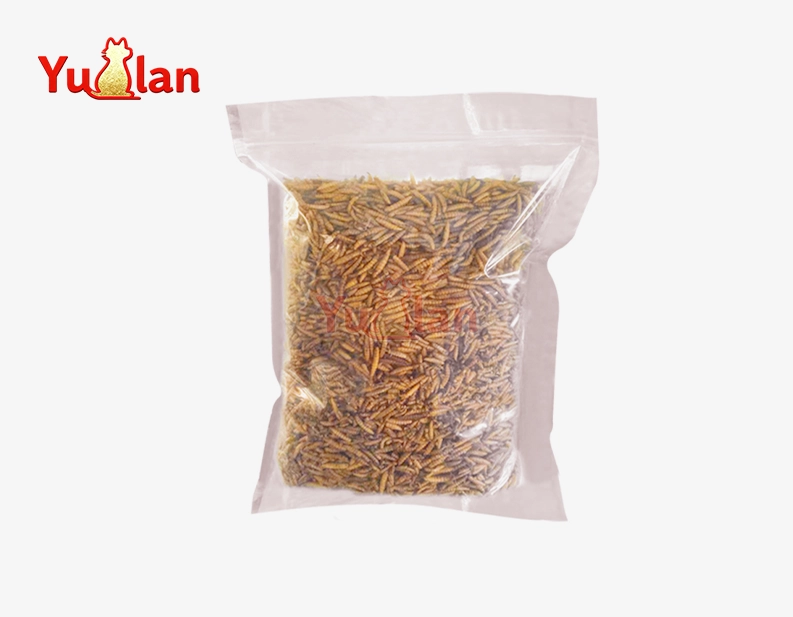
If you are building or scaling your insect rearing project, Yunlanpets can support your venture with professional feed raw material solutions. Our processed insect larvae products feature 40 percent protein, balanced essential amino acids and trace minerals to support animal health and growth. We use microwave drying technology to remove harmful pathogens while preserving natural nutritional value, with no artificial additives or seasonings.
Our team has more than 20 years of experience in pet and aquaculture supply chain management. We maintain cooperative partnerships with industry partners across over 60 countries. We provide OEM and ODM customization services to match different output needs for your operation.
For consultation on black soldier fly farms, technical guidance and bulk order arrangements, please visit yunlanpets.com. You may also send an email to minghuixu6717@gmail.com to discuss customized solutions for your project. Our team will respond to your business inquiries in a timely manner.
References
1. Diener, S., Zurbrügg, C., & Tockner, K. (2015). Bioaccumulation of heavy metals in the black soldier fly, Hermetia illucens and effects on its life cycle. Journal of Insects as Food and Feed, 1(4), 261-270.
2. Lalander, C., Diener, S., Zurbrügg, C., & Vinnerås, B. (2019). High waste-to-biomass conversion and efficient Salmonella spp. reduction using black soldier fly for waste recycling. Agronomy for Sustainable Development, 39(3), 28.
3. Spranghers, T., Ottoboni, M., Klootwijk, C., Ovyn, A., Deboosere, S., De Meulenaer, B., & De Smet, S. (2017). Nutritional composition of black soldier fly (Hermetia illucens) prepupae reared on different organic waste substrates. Journal of the Science of Food and Agriculture, 97(8), 2594-2600.
4. Wang, Y. S., & Shelomi, M. (2017). Review of black soldier fly (Hermetia illucens) as animal feed and human food. Foods, 6(10), 91.
5. Barragan-Fonseca, K. B., Dicke, M., & van Loon, J. J. (2017). Nutritional value of the black soldier fly (Hermetia illucens L.) and its suitability as animal feed–a review. Journal of Insects as Food and Feed, 3(2), 105-120.
6. Gold, M., Tomberlin, J. K., Diener, S., Zurbrügg, C., & Mathys, A. (2018). Decomposition of biowaste macronutrients, microbes, and chemicals in black soldier fly larval treatment: A review. Waste Management, 82, 302-318.