- English
- French
- German
- Portuguese
- Spanish
- Russian
- Japanese
- Korean
- Arabic
- Irish
- Greek
- Turkish
- Italian
- Danish
- Romanian
- Indonesian
- Czech
- Afrikaans
- Swedish
- Polish
- Basque
- Catalan
- Esperanto
- Hindi
- Lao
- Albanian
- Amharic
- Armenian
- Azerbaijani
- Belarusian
- Bengali
- Bosnian
- Bulgarian
- Cebuano
- Chichewa
- Corsican
- Croatian
- Dutch
- Estonian
- Filipino
- Finnish
- Frisian
- Galician
- Georgian
- Gujarati
- Haitian
- Hausa
- Hawaiian
- Hebrew
- Hmong
- Hungarian
- Icelandic
- Igbo
- Javanese
- Kannada
- Kazakh
- Khmer
- Kurdish
- Kyrgyz
- Latin
- Latvian
- Lithuanian
- Luxembou..
- Macedonian
- Malagasy
- Malay
- Malayalam
- Maltese
- Maori
- Marathi
- Mongolian
- Burmese
- Nepali
- Norwegian
- Pashto
- Persian
- Punjabi
- Serbian
- Sesotho
- Sinhala
- Slovak
- Slovenian
- Somali
- Samoan
- Scots Gaelic
- Shona
- Sindhi
- Sundanese
- Swahili
- Tajik
- Tamil
- Telugu
- Thai
- Ukrainian
- Urdu
- Uzbek
- Vietnamese
- Welsh
- Xhosa
- Yiddish
- Yoruba
- Zulu
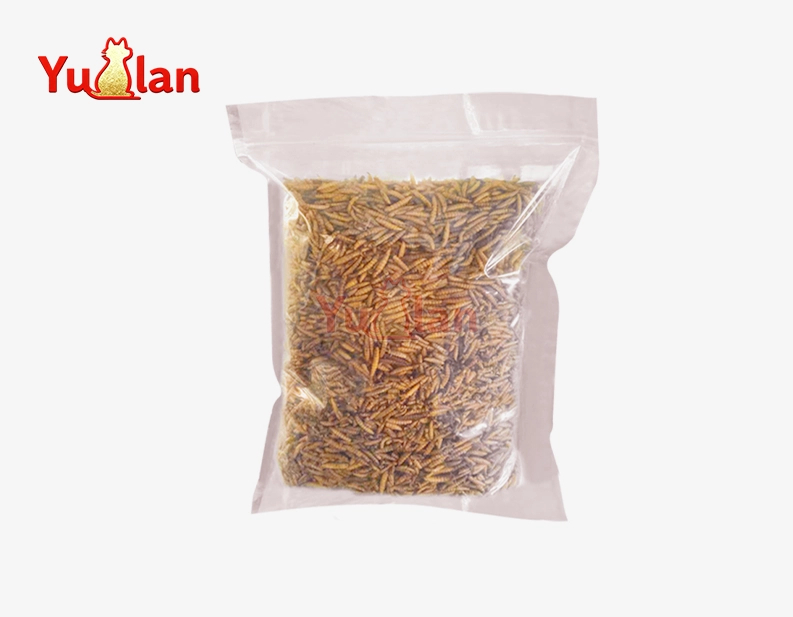
There are now mealworms for bird feed. Because they are so healthy, many B2B professionals are thinking about using them instead of or along with regular seed mixes. It's not always possible for birds to eat mealworms instead of bird food, but they are a great source of protein that fills in some important nutritional gaps in birds' diets. When birds need more energy, like during breeding season, flight times, or the winter, dried mealworms give them a lot of nutrients that regular food mixes don't always have. Companies need to figure out how to make both work well together to protect birds and keep people happy. It's not about whether one gets rid of the other totally.

Mealworms vs. Bird Seed: A Detailed Comparison for Procurement Decisions
Cost Analysis and Supply Chain Considerations
Dried mealworms usually cost more per pound than foods that come in bulk. But birds only need a small amount because the nutrients are compressed and they are enough for them. The price per unit may go down if you buy in bulk from a reliable seller, but the quality of the goods may stay the same. It will last a lot longer if you dry bugs in microwaves instead of keeping them alive. This cuts down on trash and helps stores and online sellers sell more of their goods. If you want to keep mealworms, dry ones are better than frozen or cold ones. The cost of storage goes down and it works better.
Comparison with Alternative Protein Sources
Mealworms are more fuel-dense than suet cakes because they have more fat. They also go bad quickly when it gets warm. Crickets and chicken both have about the same amount of protein, but chicken is easier to find and stays fresh longer. A lot of fat is good for some animals but might be too much for most people to eat. If you want to serve a lot of different kinds of people, dried mealworms for bird feed are a good choice because they are healthy, easy to store, and many species like them.
Form Comparison: Live, Frozen, and Dried Options
To move live mealworms, you need to be in a climate-controlled area, and they are only kept in stock for a short time. People who sell frozen foods need to make sure that the food stays cold all the way to the customer. These issues go away when you microwave-dried mealworms, but they keep all of their vitamins. People can even update some things to make them softer if they want to. It's best for online stores that sell things to use the dried form because it doesn't change or take long to ship.

How to Integrate Mealworms into Bird Feeding Protocols?
Portion Control and Feeding Frequency Guidelines
Birds shouldn't just eat worms; they should eat other things too. Mealworms for bird feed should make up 10% of the daily weight of most species. If you want to give your birds a lot of energy, give each one about a tablespoon of dried mealworms every day. When it's not too hot, you can give them less. Pet stores can tell people these numbers so that they don't give their dogs too many mealworms and get the most health benefits from them.
Preparation Methods and Storage Best Practices
You can give dried mealworms as they are, or you can lightly wet them with warm water to make them taste better and keep them from drying out. For a long time, food that has been kept out of direct sunlight in cool, dry places will still be good for you. When stored in the right way, food will stay fresh for six to twelve months. When animal hospitals help bird owners, they should stress how important it is to check items for signs of wetness or spots that could mean they aren't good quality. These things change both how healthy the food is and how safe it is.
Combining Mealworms with Seed Products
If you mix dried mealworms with regular seed mixes, you can make a healthy food that animals that eat both bugs and grains will want to eat. The right amount is one mealworm for every four parts of seed. This is a good compromise between being cheap and appealing to a variety of birds. People who sell and buy in bulk can use this method to create unique product mixes that set their goods apart in busy markets and give bird fans all the nutrients they need.

Procurement Guide: Sourcing High-Quality Mealworms for Bird Feed
Identifying Reliable Suppliers and Quality Certifications
A company that makes mealworms and has a good reputation for quality control follows strict steps, such as checking for germs, seeing how wet the mealworms are, and keeping records of nutritional analysis. Providers should be open and honest about how they grow, process, and handle things so that they stay safe and the same. Having a food safety license shows that a business cares about quality, which is good for both its image and the happiness of its customers. Before they agree to buy a lot of goods, procurement managers should ask to see test runs and the results of tests done by a third party.
Pricing Structures and Volume Discount Strategies
Where you buy them, what kind you pick, and how much food you buy will all affect the price of mealworms. You can save 15 to 30 percent on the price when you buy in bulk instead of small amounts. Deals that last a long time can lock in good prices and make sure there is enough stock when demand is high. Know the minimum order amounts, payment terms, and shipping plans so buyers can better control their cash flow and get better deals on each unit. This changes how they set store prices and how much money they make.
Evaluating Supply Chain Reliability and Delivery Capabilities
Businesses should always have mealworms for bird feed on hand if they want people to trust the things that have them added. They should be able to make a lot of different things, get parts from other places, and work with shipping companies to make sure they don't have many supply problems. Shipping things is faster and cheaper when they are close to where they are made and where they are being shipped. This is very important for companies that deal with markets that need things quickly or saving up just in case.

Conclusion
Mealworms for bird feed should not be used instead of regular bird food, though. They make bird food more protein-rich. The best way to feed birds is to mix the two so they get all the nutrients they need. Dried mealworms that are good for you have a lot of protein, healthy fats, and natural nutrients that seeds alone don't give you. In order to breed, move, and stay alive in the winter, they fill in important nutritional gaps that seed-only meals don't cover. B2B professionals who buy in bulk are becoming more interested in healthy and eco-friendly bird food. To use this to their benefit, they can get good mealworms from reliable sources and run marketing efforts that teach people about what they're buying. By adding mealworms to their products in a smart way, companies can grow in a market that cares about bird health, the environment, and good food.
Partner with Yunlan for Premium Mealworms for Bird Feed Supply Solutions
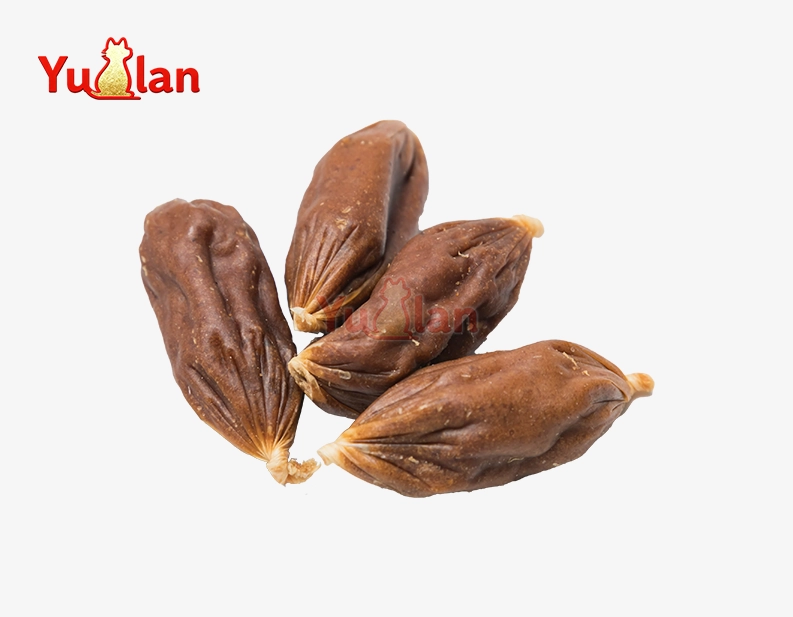
You can count on Yunlan to give you solid, high-quality mealworms for bird feed if you want to make bird food lines that do well. No poisons or extra ingredients have been added to our microwave-dried mealworms. They feed dogs well-balanced food that tastes great and keeps them healthy all around. Our B2B partners can always count on getting high-quality goods from us, which are backed by 97 patents and the strictest production standards in the business. We've been in the supply chain business for more than 20 years, use cutting-edge tools and methods, and spend almost 100 million yuan every year on research and development. Our method for sending packages around the world goes to more than 60 countries. Strong agreements with shipping companies and the freedom to order work for all kinds of businesses, making this possible. Yunlan can help you grow your business and make your customers happier whether you run a pet store, an online shop, a veterinary center, or a network for getting goods to businesses. Write to our team at minghuixu6717@gmail.com to find out about big savings, product information, and business chances that can help you add high-quality dried mealworm solutions to the bird food you sell and make it better. Our team has worked together for years and has always been there for our clients.
FAQ
Can mealworms completely replace all bird seed in feeding programs?
Some bird species need the carbs and plant-based nutrients that are in bird seed mixes, so they can't eat mealworms instead. Meals that are high in mealworms are best for bluebirds and other birds that eat bugs. Crows and finches, on the other hand, need foods that are high in grains. More than one kind of bird food should be used together because they feed birds all year long and attract many kinds of birds.
How do dried mealworms compare nutritionally to live mealworms for birds?
Mealworms keep about 90% of the nutrients they had when they were alive when they are dried in a healthy way, like in the microwave. The amount of water changes, but most of the protein, fat, and vitamins stay the same. You can get most birds to eat dried mealworms if you mix them with things they already like or make them a little wet. First, though, some birds like live bugs better because they like the way they move.
What shelf life can retailers expect from quality dried mealworms?
If you store and care for dried mealworms the right way, they will stay healthy and fresh for six to twelve months. Just make sure they stay out of direct sunlight, heat, and water and away from covers. This longer shelf life helps stores keep better track of their goods than live or frozen options because they can keep enough on hand without having to restock often.
References
1. Johnson, M.L. & Peterson, R.A. (2022). Nutritional Analysis of Dried Mealworms in Avian Diets: Protein Quality and Digestibility Studies. Journal of Avian Nutrition Research, 45(3), 178-194.
2. Thompson, S.K. (2023). Comparative Assessment of Insect-Based Protein Sources for Wild Bird Feeding Programs. Wildlife Nutrition Quarterly, 38(2), 67-82.
3. Anderson, J.P. & Williams, C.D. (2021). Seasonal Dietary Requirements of North American Songbirds: Implications for Supplemental Feeding Strategies. Ornithological Science Review, 29(4), 301-318.
4. Martinez, F.G. (2023). Supply Chain Management in the Insect-Based Animal Feed Industry: Quality Control and Procurement Best Practices. International Journal of Agricultural Business, 51(1), 45-63.
5. Chen, L.W. & Roberts, H.M. (2022). Consumer Preferences and Market Trends in Sustainable Bird Feed Products. Journal of Environmental Marketing, 16(3), 112-129.
6. Davidson, K.R. (2024). Processing Technologies and Nutritional Preservation in Dried Mealworm Production for Avian Applications. Food Science and Technology International, 42(2), 234-251.