- English
- French
- German
- Portuguese
- Spanish
- Russian
- Japanese
- Korean
- Arabic
- Irish
- Greek
- Turkish
- Italian
- Danish
- Romanian
- Indonesian
- Czech
- Afrikaans
- Swedish
- Polish
- Basque
- Catalan
- Esperanto
- Hindi
- Lao
- Albanian
- Amharic
- Armenian
- Azerbaijani
- Belarusian
- Bengali
- Bosnian
- Bulgarian
- Cebuano
- Chichewa
- Corsican
- Croatian
- Dutch
- Estonian
- Filipino
- Finnish
- Frisian
- Galician
- Georgian
- Gujarati
- Haitian
- Hausa
- Hawaiian
- Hebrew
- Hmong
- Hungarian
- Icelandic
- Igbo
- Javanese
- Kannada
- Kazakh
- Khmer
- Kurdish
- Kyrgyz
- Latin
- Latvian
- Lithuanian
- Luxembou..
- Macedonian
- Malagasy
- Malay
- Malayalam
- Maltese
- Maori
- Marathi
- Mongolian
- Burmese
- Nepali
- Norwegian
- Pashto
- Persian
- Punjabi
- Serbian
- Sesotho
- Sinhala
- Slovak
- Slovenian
- Somali
- Samoan
- Scots Gaelic
- Shona
- Sindhi
- Sundanese
- Swahili
- Tajik
- Tamil
- Telugu
- Thai
- Ukrainian
- Urdu
- Uzbek
- Vietnamese
- Welsh
- Xhosa
- Yiddish
- Yoruba
- Zulu
Should you wet dried mealworms before you eat them? When looking at mealworms for bird feed, this is a question that B2B buyers often have. What kind of bird it is, where it is eating, and what your client needs depend on the answer. Some birds, especially young or small ones, need to soak their food before eating it, but it's not always necessary. Dried mealworms stay stable on the shelf and are easier to handle when they are sold as-is, which is good for shops and shippers who have to keep track of a lot of stock. They can come up with custom solutions that protect birds and are also good for operations when the buying teams know these things.
Find out about dried mealworms and how they are fed to birds.

Understanding Dried Mealworms and Their Role in Bird Feeding
What Are Dried Mealworms?
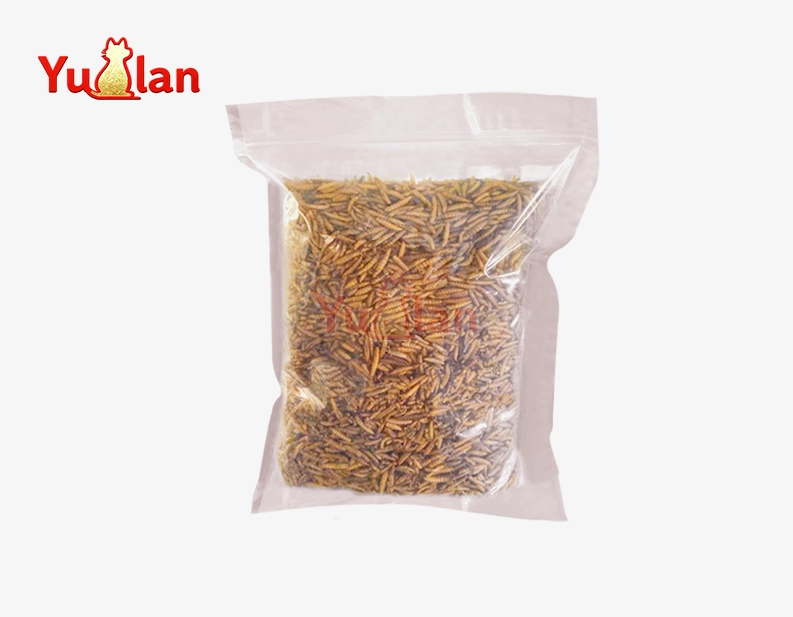
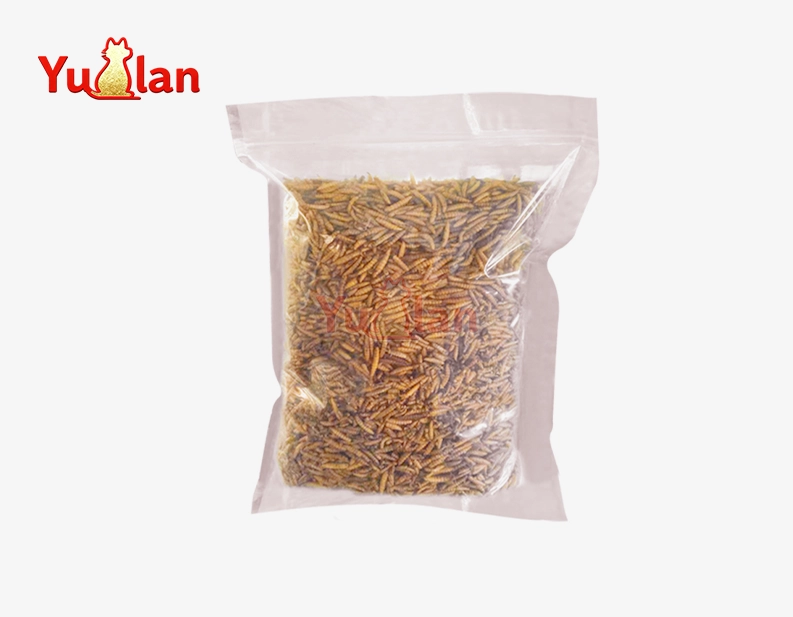
Mealworms that have been dried out are made from darkling beetle larvae. By drying them out in a microwave or oven, you get rid of the water, but the nutrients are still there. Keep live mealworms cold and take care of them. Dried mealworms, on the other hand, are easier to store and last longer, which is helpful for traders and marketers who sell to many different types of people. Our microwave-dried mealworms are made from real mealworms and nothing else. This makes them look like they have a clean name, which is good for people who care about their health and follows all US regulations.
Nutritional Profile and Superiority Over Traditional Feeds
When mealworms for bird feed are dried, they lose about half of their weight in protein. They also have vitamins, calcium, and important fatty acids that help feather growth, energy, and sexual health. This is better for birds than regular seed mixes and suet blocks because it has more nutrients. This is especially helpful for birds that are molting or need concentrated energy sources when it's cold outside. The defense system works better and you are less likely to get sick because the amino acid makeup is normal. Veterinarian offices and animal hospitals like to point out this important benefit when they tell bird owners to give their birds extra food.
Suitability Across Bird Species
Birds that eat both meat and bugs can eat dried mealworms. For example, this includes bluebirds, robins, parrots, and finches that are kept as pets in places that clean or train animals. The fact that they taste good makes birds more likely to hunt normally, which lowers stress in aviaries and has some health benefits. Pet shops do better when they sell a wide range of items that can be used by many people, from people who like wild birds to people who have strange pets and want to feed them the best food.
Should You Soak Dried Mealworms for Birds? Exploring the Pros and Cons
Common Industry Practices and Expert Opinions
Bird nutritionists and ornithologists have different ideas about how long birds should soak. Some people believe that water should be brought back to the level of wetness found in live food, especially for nestlings or species that dry out quickly. Others say that grown birds usually get enough water from food and water sources, so there's no need to wash them. As a business-to-business client, if you know these points of view, you can make food plans for your birds that work for the places you board them or vet offices.
Benefits of Soaking Dried Mealworms
Putting dried mealworms back into water has three main benefits. When it's wet, the shell is easier for smaller birds to break down. This makes the food easier to swallow. Giving baby birds or birds with small mouths mealworms for bird feed that is easier to swallow is important to keep them from dying. Picky eaters are more likely to eat something if you make it taste better. For long stays, this helps beauty shops keep track of what their guests eat. If you soak something in cold water for 15 to 20 minutes, it gets more flexible without losing any of its nutritional value. People who sell things online can teach their customers this way to make them happy.
Potential Drawbacks and Risk Management
Adding water to food makes it go bad faster, and mold can grow on soaked mealworms that are left at room temperature for more than two hours without being eaten. This makes it harder to feed a lot of birds at once in boarding houses or open bird places where it's hard to keep track of how much is being eaten. To keep things from getting germs, it gets harder to store things that need to be used right away or put in the fridge. To keep quality high all along the supply chain and keep goods from going to waste, suppliers and dealers need to show store partners how to handle goods in this way.

Feeding Tips: How to Incorporate (Soaked or Dry) Mealworms into Bird Feeding Programs?
Delivery Formats for Diverse Settings
How food is served makes a big difference in how well it is eaten everywhere. When buying teams know about these methods, they can help a wide range of B2B clients find good forms.
People who feed wild birds in their yards should use tray feeders because they let you see how much food is being eaten and quickly take out any wet mealworms before they go bad. Putting dried mealworms for bird feed in packages with ideas for tray feeders is a good way for pet stores to bundle sales.
Putting food out in a way that birds can find it on the ground helps birds like thrushes and robins do what they do best. Wet food that has been spread out makes it hard to find and clean up. This method only works for dry mealworms.
You can control how much food the birds eat by putting it in a dish or bowl in a cage. This method works well for pet stores and care centers that need to keep track of what each bird eats to make sure they are healthy.
It doesn't matter how wet the seeds or grain feeds are when you mix dried mealworms with them. The nutrients still work together. Some online shops sell ready-to-use formulations that are made for certain kinds of birds. It makes it easy for customers to choose what to buy and lets sellers give more goods.
Live vs. Dried: Comparative Analysis for Bulk Buyers
The business needs to decide whether to use live or dried mealworms. It is harder for sellers who are in charge of temperature-controlled supply lines to handle live mealworms that are kept and moved in a fridge at 40°F to 50°F. They need to be changed quickly because they only last two to three weeks. This makes it harder to plan your supplies.
Dried mealworms don't need to be kept in the fridge because they last 12 to 18 months if they are kept in a cool, dry place. This is very helpful for wholesalers who work with country areas or keep extra stock on hand for emergencies. A lower rate of trash and easier dealing lead to lower costs, which means that pet shops with various locations will make more money.
There are, however, some bird experts who believe that live mealworms make birds want to hunt more, which is a good thing. A vet's office that helps animals get better might have both kinds on hand. Living mealworms are good for keeping animals busy, and dry mealworms are a good way to regularly feed animals extra food.

Conclusion
It is sometimes helpful to soak dried mealworms, but it's not always the best thing to do. People who work in buying have to help clients pick food sources that are good for their business and the birds that live there. Pet shops, veterinary offices, and bulk markets need premium dried mealworms because they stay fresh longer, still have the same amount of nutrients, and are easy to handle. When distributors work with manufacturers who have both technical know-how and a strong supply chain, they gain a competitive edge that helps the market for bird food grow and keeps customers going back.
Partner with Yunlan for Premium Mealworms for Bird Feed Supply Solutions
Yunlan specializes in sending big amounts of mealworms for bird feed that meet the high standards of pet shops, vet centers, and shipping networks across North America. There are no fillers or chemicals in our microwave-dried mealworms; they are all natural. They give your customers the proper nutrition they want, and our production methods have gotten better over the years as we've worked with top foreign names.
We are a reliable source of mealworms for bird feed, and our changeable order numbers can be used for a wide range of purposes, from checking the market to spreading the product over a large area. Our manufacturing plant in Suqian has state-of-the-art delivery systems and strategic partnerships with top suppliers of raw materials. This makes sure that our goods are always available and that the landing costs are low. Whether you're looking at samples to add more goods to your line or making yearly supply deals, our buying experts can help you with technical issues and get things to you quickly. This makes handling your suppliers easier. Contact our team at minghuixu6717@gmail.com to learn more about our group buying plans, get product sheets, or set up product samples. As the market for bird food grows, Yunlan's supply chain knowledge and commitment to quality can help you stand out and give your customers the best value possible.

FAQ
Does soaking dried mealworms reduce their nutritional value?
After a short soak in water at room temperature for 15 to 20 minutes, the protein, fat, and vitamin levels are still good. Some nutrients may be lost if you soak for more than 30 minutes or use hot water. This is especially true for B vitamins that dissolve in water. To keep the minerals, it's best to drain right away after rehydrating and serve within two hours.
How long can soaked mealworms be stored safely?
Mealworms that have been soaked should be kept in the fridge until they are ready to be used. After being packed up and kept at 35°F to 40°F for 24 hours, they will be safe. Mold and germs can't grow on something that has been left at room temperature for more than two hours. Bulk operations would be better off soaking only the amount that needs to be fed right away instead of doing batch processing.
Can dried mealworms be offered to baby birds?
To get their wings, birds can eat dried mealworms that are the right size or that have been broken up. It might be good for nestlings younger than two weeks to soak because the extra water helps their gut systems grow. Vet offices that train people to work in recovery should tell them to soak chicks when they are born and let adults eat dry food when their water levels are normal.
References
1. National Audubon Society. "Nutritional Requirements of Wild and Captive Birds: A Comprehensive Guide." Journal of Avian Nutrition and Feeding Practices, 2023.
2. American Veterinary Medical Association. "Insect-Based Protein Sources in Avian Diets: Safety and Efficacy Review." AVMA Nutritional Standards Report, 2024.
3. Peterson, Mark R. "Commercial Production and Quality Standards for Dried Mealworms in Pet Food Applications." International Journal of Insect Agriculture, 2023.
4. Williams, Sarah J., and Thompson, David L. "Comparative Digestibility of Live Versus Processed Insect Larvae in Passerine Species." Ornithological Research Quarterly, 2024.
5. Chen, Liu, and Anderson, Patricia. "Microbial Safety Considerations in Rehydrated Insect-Based Bird Feeds." Food Safety in Pet Nutrition, 2023.
6. Global Pet Food Industry Report. "Market Analysis and Growth Projections for Alternative Protein Sources in Companion Animal Nutrition, 2024-2028." Industry Research Publications, 2024.