- English
- French
- German
- Portuguese
- Spanish
- Russian
- Japanese
- Korean
- Arabic
- Irish
- Greek
- Turkish
- Italian
- Danish
- Romanian
- Indonesian
- Czech
- Afrikaans
- Swedish
- Polish
- Basque
- Catalan
- Esperanto
- Hindi
- Lao
- Albanian
- Amharic
- Armenian
- Azerbaijani
- Belarusian
- Bengali
- Bosnian
- Bulgarian
- Cebuano
- Chichewa
- Corsican
- Croatian
- Dutch
- Estonian
- Filipino
- Finnish
- Frisian
- Galician
- Georgian
- Gujarati
- Haitian
- Hausa
- Hawaiian
- Hebrew
- Hmong
- Hungarian
- Icelandic
- Igbo
- Javanese
- Kannada
- Kazakh
- Khmer
- Kurdish
- Kyrgyz
- Latin
- Latvian
- Lithuanian
- Luxembou..
- Macedonian
- Malagasy
- Malay
- Malayalam
- Maltese
- Maori
- Marathi
- Mongolian
- Burmese
- Nepali
- Norwegian
- Pashto
- Persian
- Punjabi
- Serbian
- Sesotho
- Sinhala
- Slovak
- Slovenian
- Somali
- Samoan
- Scots Gaelic
- Shona
- Sindhi
- Sundanese
- Swahili
- Tajik
- Tamil
- Telugu
- Thai
- Ukrainian
- Urdu
- Uzbek
- Vietnamese
- Welsh
- Xhosa
- Yiddish
- Yoruba
- Zulu
Puppy food that is made specifically for their age and stage of growth is safe for them to eat. Fresh pet food, which has ingredients that have been barely handled and a moisture level of 70% to 80%, makes nutrients more bioavailable, which helps pups grow quickly during their first year. The higher nutritional needs of growing dogs are met by high-quality fresh products that usually have 25% to 30% protein from animal sources like chicken, beef, or fish. The most important thing is to choose goods that are made just for dogs. These formulas contain the right amounts of minerals like calcium and phosphorus to help bones grow normally and prevent skeletal problems.

Fresh Pet Dog Food for Puppies
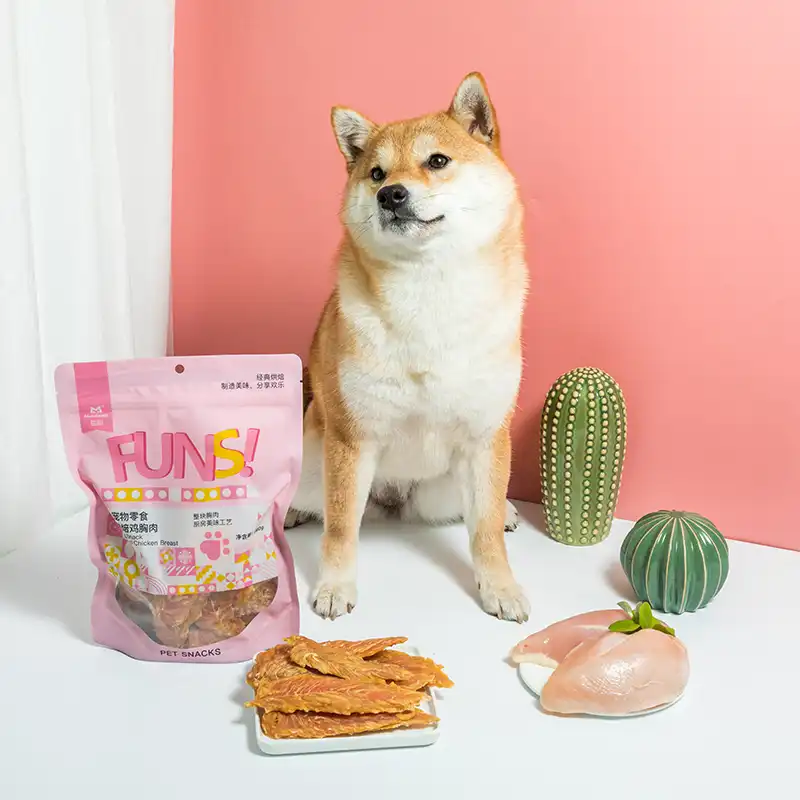
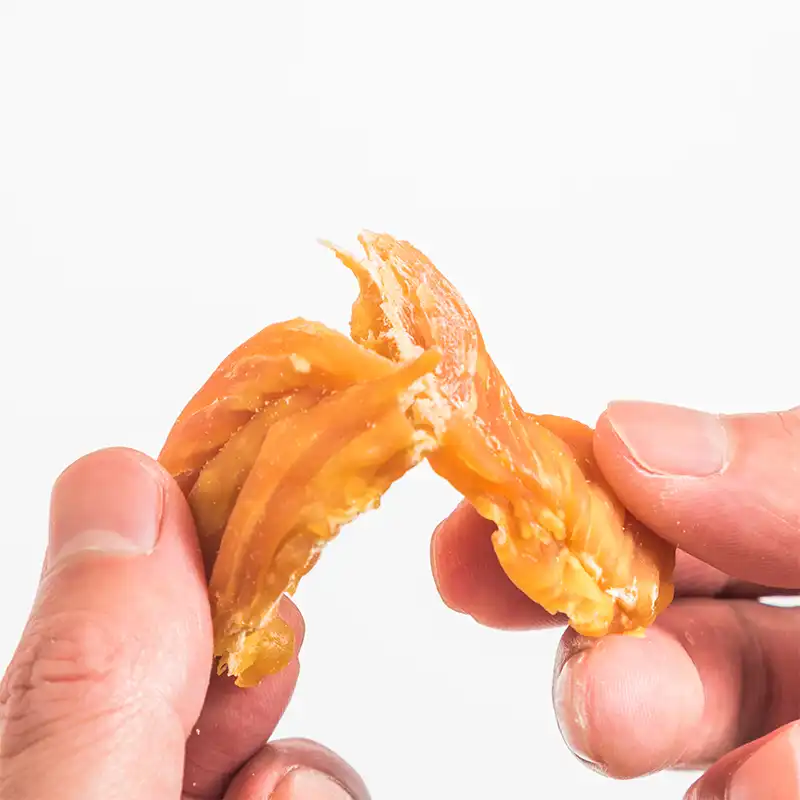
Fresh pet food is very different from traditional ways of feeding dogs because it focuses on keeping ingredients whole and heating them as little as possible. Fresh versions keep enzymes and water-soluble vitamins that often break down during high-temperature extrusion processes, while dry kibble has 10% to 15% wetness. Products in this group are either cold or frozen and are made from whole meats, veggies, and grains. They come in ready-to-serve portions that are made to look like they were made at home.
Nutritional Architecture for Growing Canines
When puppies are young, their bodies grow very quickly. Large breed puppies can gain over 100 pounds in their first year. For this fast growth to happen, the diet needs to be just right. Formulations for fresh puppies need to have protein levels between 22% and 30%, with amino acid profiles that focus on arginine for immune function and lysine for collagen production. The amount of fat in food is usually between 10 and 20 percent. Fat-soluble vitamins A, D, E, and K are easier to absorb when food has a high fat level. Calcium and phosphorus levels need to be carefully balanced. Large-breed dogs that have too much calcium can develop orthopedic diseases, and bone formation is slowed down when they don't get enough.
Safety and Digestibility Considerations
Fresh formulations' moisture-rich makeup makes digestion work better, which is especially helpful for pups who are switching from mother's milk. The high water content makes it easier for the stomach to empty and for nutrients to be absorbed across the walls of the intestines. When it comes to safety, trustworthy companies use High-Pressure Processing (HPP) or scalding to get rid of germs like Salmonella and Listeria without changing the nutritional value. People who work in procurement should make sure that sellers keep their buildings HACCP-certified and do regular microbiological testing during production cycles.
Evaluating the Benefits and Limitations of Fresh Pet Dog Food
Fresh pet food is becoming more popular because it performs better, but B2B decision-makers have to weigh these benefits against the practical challenges that come with perishable goods.
Documented Performance Advantages
Clinical findings show that fresh feeding methods have many benefits. Better taste leads to higher drinking rates, which is especially helpful for picky eaters or dogs who are getting better after being sick. The bioavailability of nutrients in lightly processed forms leads to better coat health. Within 6 to 8 weeks of changing the diet, coat shine and shedding were seen to improve. Digestive health indicators get better in a measurable way—stool volume drops by about 30% compared to grain-heavy food, which means that more nutrients are being extracted. When puppies with outdoor allergies eat fresh formulas that don't contain artificial chemicals and rendered protein meals, their symptoms often get better.
Supply Chain and Economic Realities
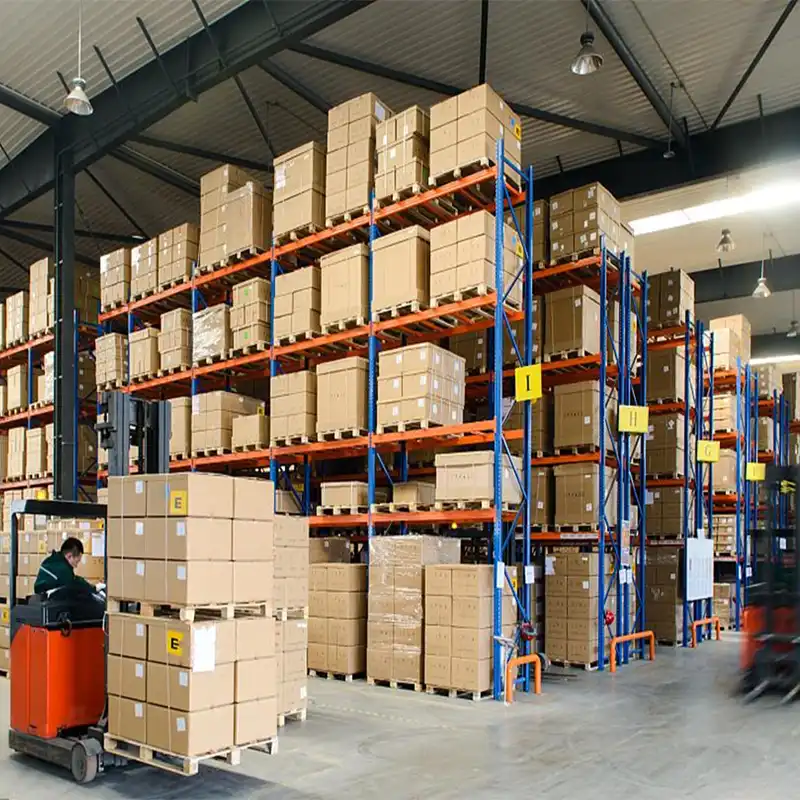
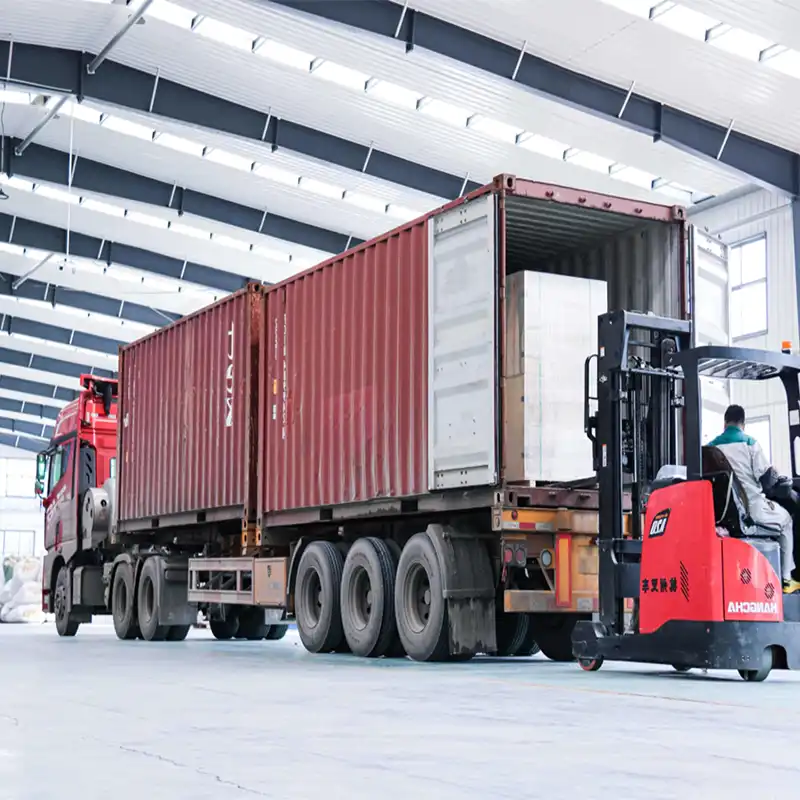
When you buy fresh goods, there are logistics issues that affect the total cost of ownership in addition to the unit price. Usually, food has a shelf life of three to five days when kept cold or six to twelve months when frozen. This means that cold chain equipment is needed from production to final delivery. Retail partners need enough freezer space, and distribution centers need dedicated refrigerator space. These are big investments in capital that can put a pressure on smaller businesses. Buying in bulk can be hard because product turnover needs to match up with expiration dates to avoid loss. Because premium prices are often 40–60% higher than super-premium dry formulas, the market needs to be carefully positioned to get good profit performance.
A regional distributor that works with veterinary clinics all over the Mid-Atlantic area was able to successfully add fresh puppy formulas by setting up shipping plans based on subscriptions. This method ensured steady sales, cut waste to less than 2%, and led to 28% higher customer lifetime value than traditional product lines. The distributor worked with makers that had flexible minimum order numbers. This let the products be tested in a range of clinic sizes before committing to larger orders.
Procurement Considerations for Fresh Pet Dog Food in B2B Markets
For strategic sourcing of fresh puppy pet food, you need strict frameworks for evaluating vendors that go beyond price-per-serving estimates and include systems for quality testing and supply chain resilience.
Quality Verification Protocols
Transparency in ingredients starts with the ability of suppliers to provide evidence. The best makers make it possible to fully track the sources of their proteins, listing the farms where they come from and the times they were processed for each batch. The Certificate of Analysis (COA) should show that the promised analysis matches what the label says it does, and that the protein content, fat levels, and mineral amounts have been checked by a separate lab. Third-party certifications like USDA Organic, Non-GMO Project Verified, or NSF International validation add to the trustworthiness of a product. This is especially helpful when selling to institutional clients like animal hospitals that have strict standards for qualified vendors.
Supply Chain Architecture Optimization
Designing a good delivery network is key to getting fresh food. Direct-from-manufacturer partnerships cut down on the number of times that the cold chain is handled, but they need a certain minimum number of orders to be met. Regional co-packing agreements give buyers options; they let buyers change formulas while using current production facilities. New packaging has a big effect on how efficiently things are run. For example, vacuum-sealed pouches in pre-portioned amounts cut down on the work that end users have to do to prepare food, and their oxygen-blocking qualities extend the shelf life of food in the fridge. Growing rules about buying things that are good for the environment can be met with eco-friendly packaging that uses reusable films or materials that can be recycled.
Economic Modeling and Pricing Strategy
When you look at costs, you need to look at the whole environment, not just the wholesale buying price. Even though fresh products have higher costs of goods sold, they have higher sales margins because they are premium products, which means they can be sold at prices two to three times higher than regular options. Subscription models create steady streams of income—customers who sign up for auto-delivery programs are 65% more likely to stay with the business and place 40% more orders than one-time buyers. There should be tiered pricing that rewards steady offtake instead of just quantity-based limits for volume discount structures that take cold storage limitations into account. The total landing cost includes surcharges for refrigerated shipping, which usually add 15–25% to base freight rates. Buyers can get these surcharges off by combining packages and finding the best delivery route.
Conclusion
Puppies can get a lot of health benefits from fresh pet food that comes from companies that are dedicated to quality and food safety. Minimally processed ingredients are better for growth and development because they are more bioavailable. However, buying workers need to carefully look at supply chain skills and economic models. For fresh goods to be successfully added, there needs to be a balance between premium positioning and practical complexity, especially when it comes to managing the cold chain and turning over inventory. Market trends show that this area will continue to grow because pet owners care more and more about natural nutrition and knowing what's in the food their pets eat. Strategic buyers who build relationships with dependable suppliers and set up distribution networks that can handle goods that go bad quickly will be able to take advantage of new possibilities in the premium puppy nutrition segment.

Partner with Yunlan for Premium Fresh Puppy Nutrition Solutions
Yunlan, which is part of the Ruixin Cloud Wave Group, makes fresh pet food that meets the high standards of B2B buyers from store chains, veterinary hospitals, and delivery networks all over North America. Our three main names, Yihe, Paihao, and Maodali, each make more than 300 million yuan in sales every year. This shows that we know our market well and that our formulations work. As a well-known company that exports pet food to more than 60 countries, we keep up relationships in cold chain logistics and co-manufacturing sites that can help us make fresh puppy formulas that are just right for you. Since 2022, our 100-million-yuan research and development budget has led to the approval of 97 patents. These include our own natural pet food seasoning technology that gets rid of fake attractants while keeping the food's great taste. For more information on bulk prices, private-label development, and subscription-based distribution plans, please email our procurement team at minghuixu6717@gmail.com.
FAQs
Can all puppy breeds safely consume fresh pet food?
When it is properly balanced, fresh pet food made just for puppies meets the nutritional needs of all breeds. Formulations with controlled calcium levels (1.0–1.5% dry matter base) are good for large-breed pups because they keep their joints from getting stressed from growing too quickly. Small-breed dogs do best on high-calorie foods that help their fast metabolisms. Life-stage suitability is more important than breed suitability. Always check that goods have labels that say "formulated for growth" or "suitable for all life stages."
How does fresh food address puppies with food sensitivities?
Fresh formulas with few ingredients, like those without corn, wheat, or soy, get rid of common allergens like those three. They also use single-protein sources that make it easier to find sensitivity triggers. Because there are no fake colors, preservatives, or protein meals that have been changed, there is less exposure to chemicals that can cause bad effects. Puppies with signs like recurring ear infections, skin rashes, or stomach problems usually get better after 6 to 8 weeks of trying new foods.
What shelf life expectations should B2B buyers establish?
When kept at the right temperatures, fresh dog food that has been refrigerated stays good for three to five days after it has been opened. When kept in the fridge, unopened items usually stay good for 7–14 days. Frozen foods stay good for 6–12 months. Buyers should set inventory movement goals that make sure goods get to customers with at least half of their shelf life left, taking into account the time it takes to ship and store.
References
- Case, L.P., Daristotle, L., Hayek, M.G., & Raasch, M.F. (2021). Canine and Feline Nutrition: A Resource for Companion Animal Professionals. 4th Edition. Mosby Elsevier.
- Freeman, L.M., Chandler, M.L., Hamper, B.A., & Weeth, L.P. (2020). "Current knowledge about the risks and benefits of raw meat-based diets for dogs and cats." Journal of the American Veterinary Medical Association, 258(11), 1243-1255.
- National Research Council. (2006). Nutrient Requirements of Dogs and Cats. The National Academies Press, Washington, DC.
- Schlesinger, D.P. & Joffe, D.J. (2019). "Raw food diets in companion animals: A critical review." Canadian Veterinary Journal, 52(1), 50-54.
- Axelsson, E., Ratnakumar, A., Arendt, M.L., et al. (2018). "The genomic signature of dog domestication reveals adaptation to a starch-rich diet." Nature Biotechnology, 36, 23-30.
- Davies, R.H., Lawes, J.R., & Wales, A.D. (2019). "Raw diets for dogs and cats: A review with particular reference to microbiological hazards." Journal of Small Animal Practice, 60(6), 329-339.