- English
- French
- German
- Portuguese
- Spanish
- Russian
- Japanese
- Korean
- Arabic
- Irish
- Greek
- Turkish
- Italian
- Danish
- Romanian
- Indonesian
- Czech
- Afrikaans
- Swedish
- Polish
- Basque
- Catalan
- Esperanto
- Hindi
- Lao
- Albanian
- Amharic
- Armenian
- Azerbaijani
- Belarusian
- Bengali
- Bosnian
- Bulgarian
- Cebuano
- Chichewa
- Corsican
- Croatian
- Dutch
- Estonian
- Filipino
- Finnish
- Frisian
- Galician
- Georgian
- Gujarati
- Haitian
- Hausa
- Hawaiian
- Hebrew
- Hmong
- Hungarian
- Icelandic
- Igbo
- Javanese
- Kannada
- Kazakh
- Khmer
- Kurdish
- Kyrgyz
- Latin
- Latvian
- Lithuanian
- Luxembou..
- Macedonian
- Malagasy
- Malay
- Malayalam
- Maltese
- Maori
- Marathi
- Mongolian
- Burmese
- Nepali
- Norwegian
- Pashto
- Persian
- Punjabi
- Serbian
- Sesotho
- Sinhala
- Slovak
- Slovenian
- Somali
- Samoan
- Scots Gaelic
- Shona
- Sindhi
- Sundanese
- Swahili
- Tajik
- Tamil
- Telugu
- Thai
- Ukrainian
- Urdu
- Uzbek
- Vietnamese
- Welsh
- Xhosa
- Yiddish
- Yoruba
- Zulu
The way people feed their pets has changed a lot over the years, which is why B2B buyers are looking for foods other than kibble and canned foods. We have to change the way we think about what dogs and cats need to eat because of raw pet food. As the number of stores, vet offices, and service networks that sell raw food for animals grows, it's important for your business to know how to be on the cutting edge of this nutritional change.
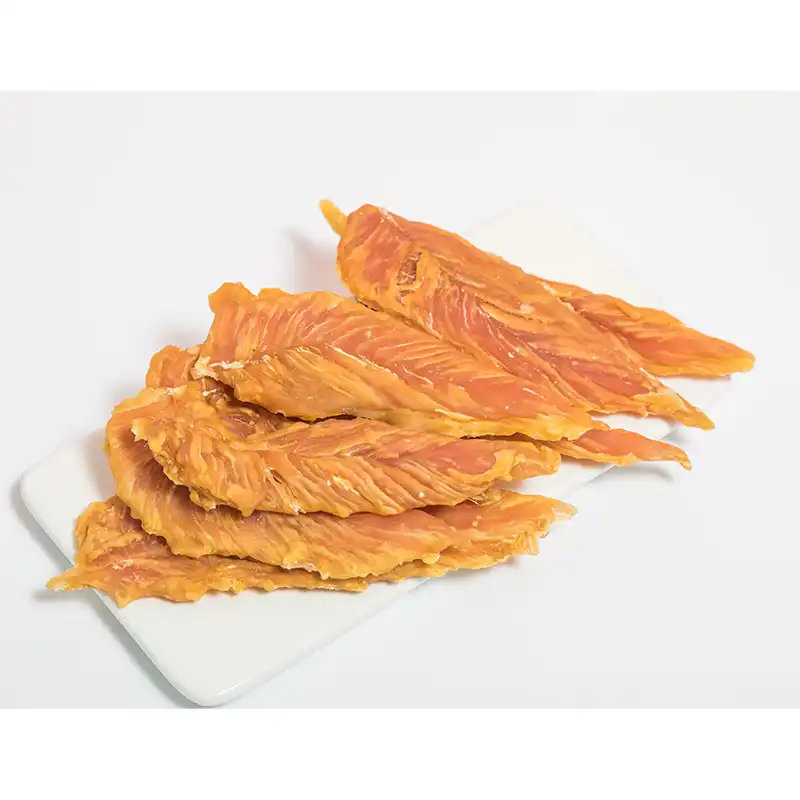
Raw Pet Food: Definition and Fundamentals
The push for giving animals raw is based on two main nutrition models that help shape how foods are made. BARF stands for Biologically Appropriate Raw Food. This plan uses about 70% raw muscle meat, crushed bones, organ meats, and veggie stuff to make it look like a whole game meal. In contrast, the prey model diet doesn't have any veggies at all. Instead, it only has animal-based foods in amounts that are similar to how animals normally eat.
Core Nutritional Architecture
When compared to prepared foods, giving animals raw foods gives them a lot more protein. A lot of dry foods have 18% to 25% protein, but a lot of raw pet food formulations have more than 30–35% protein that comes straight from animal cells. This high protein density helps dogs and cats heal wounds, keep their immune systems strong, and make better use of their energy. The fat is also made up of different things. 15–25% of the fat in raw foods comes from natural animal sources. This fat is high in omega-3 and omega-6 fatty acids, which make coats better and reduce inflammation.
Moisture Content Advantages
It tells you the difference between food that is still raw and food that has been dried out. With wetness levels between 60 and 75%, raw meals give you a lot of water to drink while you eat them. This makes your kidneys work better and lowers your risk of urinary tract problems. This trait is especially helpful for cats' diet because cats don't naturally thirsty and need to eat foods that are high in water to keep their kidneys healthy and avoid crystalluria.
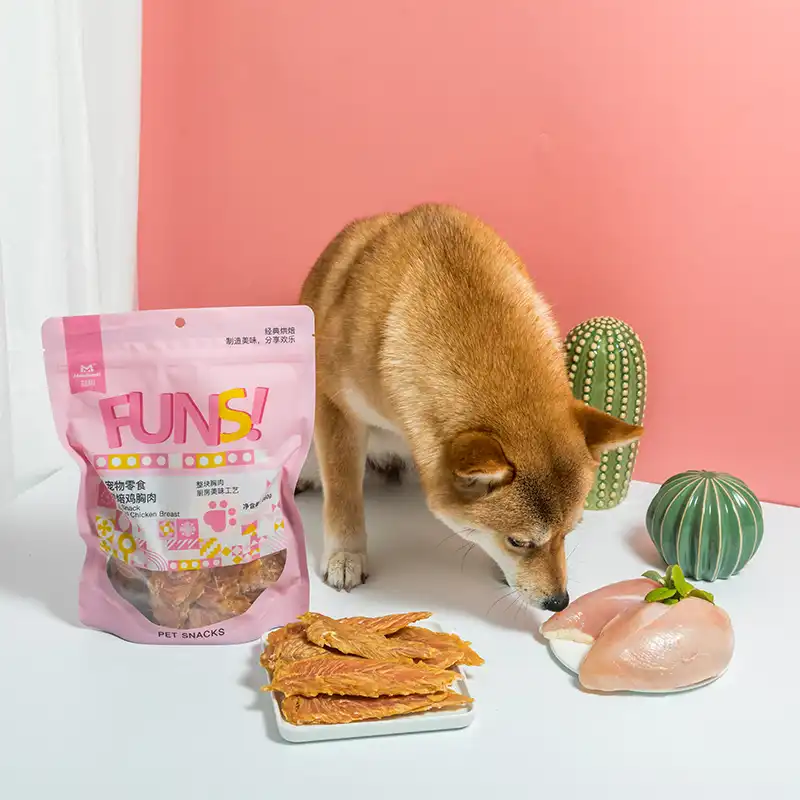
Why Raw Pet Food Is Gaining Traction in the Global Pet Food Market?
As people learn more about the quality of ingredients and how processing changes them, they are becoming less trusting of standard pet food. When traditional dry foods are made, they are heated above 300°F using extrusion, which breaks down vitamins that are sensitive to heat and denaturases protein structures. A lot of commercial solutions also have grain fillers, fake colorants, and chemical preservatives that aren't good for you and could even make your body react badly.
Health Management Applications
Lots of pets have health issues that last a long time. Giving them raw food can help these issues. When dogs that are allergic to food switch to raw foods, their symptoms often get a lot better because raw foods don't have as many common allergens as processed foods. There are also people who do better when they eat raw food. Because the nutrients are better taken, many animals with this disease have smaller stools that are firmer and have less gas.
Keeping track of weight is another interesting use case. While making you feel full, raw foods are high in protein and low in fat. This helps you keep your lean muscle mass. This means that cats that are too heavy can lose weight without always having to eat processed foods that are low in calories. Pet owners who weigh their pets will spend less on medical care and their pets will have a better quality of life because of this biological edge.
Market Growth Indicators
A study of the business world shows that there has been steady growth of more than 10% in the demand for raw pet food in both North America and Europe. The US market for raw pet food grew by about 18% every year from 2020 to 2023. It is now worth about $500 million. People are changing their goals toward clear, high-quality products that are in line with pet care trends that make pets more like people. Stores and distributors who stock up on raw materials are better able to get wealthy people who are willing to spend a lot on the health of their pets.
Well-known brands have built up complicated cold-chain systems and new ways to package foods that keep them fresh longer without changing their nutritional value. This has made the battle much tougher. This infrastructure improvement makes it easy for procurement workers to start their jobs and keeps the standard of the goods high throughout the delivery networks.
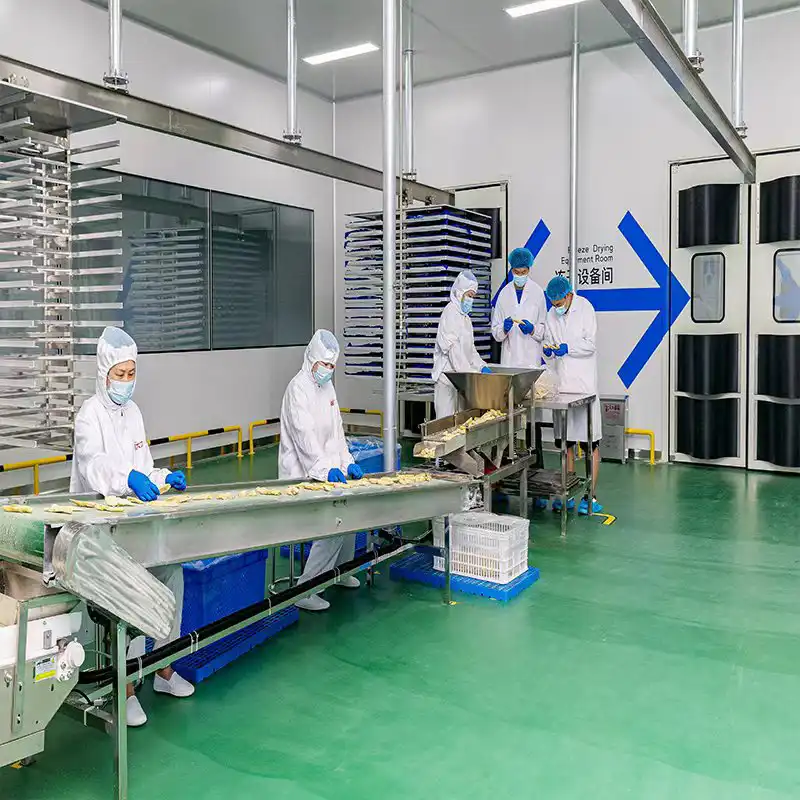
Implementation Strategies for Integrating Raw Pet Food into Your Product Line
Adding raw materials to pet food items that are already on the market needs to be carefully planned so that the company can run the business and meet the needs of different types of customers.
Customer Needs Segmentation
Pet shops can find people who might be interested in raw food by looking at the kinds of people who buy from them. People who care about their dogs' health, buy natural products, and read chemical labels are the main targets. People whose pets have long-term health problems are also very likely to buy because they are constantly looking for food cures. People who train dogs or participate in dog sports often switch to giving their dogs raw to help them do better and have more puppies. This creates niche market opportunities.
The way that goods are presented should make raw materials look like high-end alternatives to common options, not like full replacements for them. Place big signs in the freezer areas that explain the benefits of giving animals raw. This will help people know that your store is a good place to get specialized nutrients. It's important to train staff because they need to be able to answer questions about safety and show people how to get from one place to another. You could work with alternative vets or hold training classes to get people to trust you and buy tryouts.
Marketing and Education Approaches
Businesses that sell to other businesses, like veterinary offices, benefit when you promote raw nutrition as a healing food for people whose health problems don't seem to get better. Make professional materials that show how giving animals raw can help with mouth health, allergies, and inflammatory bowel disease. Sample programs that let pet owners try out products with little risk of losing their pet make it easier for people to adopt and spread the word.
Stores that sell things online should give more information about their products, like what they are made of, how to feed animals, and where the goods come from. Concerns have been raised about the safety of raw feeding, but customer reviews and comments offer social proof that gets around those problems. When it comes to raw materials, subscription service models work great because people stay healthy and the customer's value goes up over time. Make your monthly plans open so that you can switch up the proteins to keep things simple and safe for people with food allergies.
Operational and Logistical Optimization
The costs of infrastructure for handling raw materials are very different from those for handling goods that can be put on a shelf. If you put food in a commercial fridge that can keep it at -10°F or below, the food will stay fresh. Think about how much storage room you need based on how fast things are moving through the store. Also, keep in mind that demand changes throughout the year, especially in the summer when people are most interested in raw food. Put in temperature tracking systems that can sound an alarm to make sure that expensive items don't get lost when equipment breaks down.
For grooming shops and training facilities, transport systems need delivery plans that are flexible enough to handle different order rates. You can set your service apart by shipping the same day or the next day. This also helps customers who don't have a lot of storage room manage their things using just-in-time methods. When you work with cold-chain transportation providers in your area, you can reach more customers and keep delivery costs low. This can hurt the profits you make from selling frozen foods.
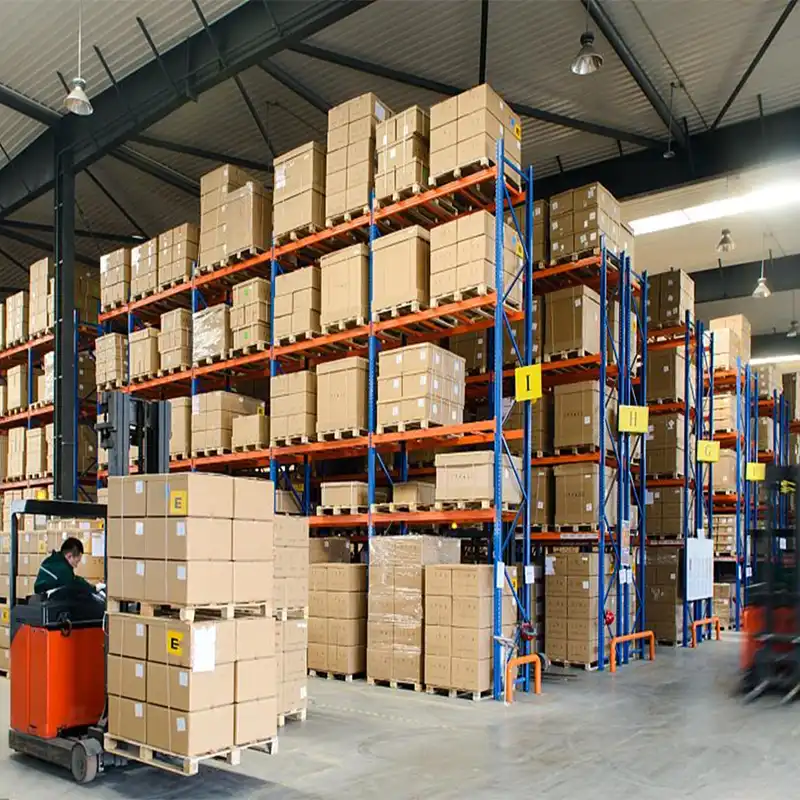
Conclusion
That being said, raw pet food is a great opportunity for people who buy things for companies that work with pets, like those that sell things, deliver things, provide medical care, or provide service. The nutritional benefits of feeding animals in a way that is natural and unprocessed help with real health problems and are in line with tactics for getting high-end goods on the market. To successfully combine raw materials, you need to carefully evaluate your sources, invest in your business's infrastructure, and make sure that your customers know that your company is an expert in nutrition. More and more people want clear, high-quality food for their pets. To stay ahead of the competition in this fast-paced market area, buying teams that learn a lot about raw materials will be key.
Partner with Yunlan for Premium Pet Food Solutions
Yunlan knows how hard it can be for B2B buying teams to move into more specialized areas of nutrition goods. The Yihe, Paihao, and Maodali names are just a few of the many pet foods we offer. We've learned a lot about the supply chain and how to make great products by working with pet food supplier from all over the world for more than 20 years. There are many types of forms that we can help you with your recipes for, such as raw, freeze-dried, standard dry, and wet. This way you can make product lines that work well together and appeal to a wide range of buyers. For breaking down beef proteins and making the bones crispy, our plant in Suqian uses state-of-the-art technology. Working on ODM projects with some of the biggest brands in the world has taught them how to be very strict about quality. Our team can help you whether you're a small supplier who wants to get into the raw food market or a big store that needs reliable pet food makers. For support, we have 97 patents that have been accepted and a separate R&D infrastructure. Talk to our business-to-business team at minghuixu6717@gmail.com about how Yunlan can help you reach your goals for getting raw pet food by giving you a range of order sizes, fair prices, and technical support that helps you succeed faster in the market.

FAQs
What makes raw pet food different from regular kibble?
Since raw pet food isn't cooked or treated in any way, it keeps the natural vitamins, enzymes, and protein structures that are lost when dry food is made with high heat. This simple change in how things are made makes nutrients easier for the body to use and improves the function of the digestive system.
Is raw pet food safe for commercial distribution?
When HACCP rules, high-pressure processing, and regular microbe tests are used to make commercial raw materials, they meet strict safety standards that are much higher than the safety of home-made preparations. By keeping the cold chain in good shape during delivery, the product stays pure and the risk of germs is lowered.
How should retailers store and handle raw pet food inventory?
To keep things stored at -10°F or lower, use large freezers with temperature tracking tools. To keep your customers safe and the quality of your products high, you should move your stock very often and reject any orders that show signs of having their temperatures change while they were being shipped.
What profit margins can distributors expect from raw pet food products?
The profit margins for raw materials are generally between 35 and 50 percent because they are expensive and need to be handled in a certain way. Keeping stock costs more than keeping shelf-stable things in stock, but raw feeding practices often make more money in the long run because they bring in more customers and keep them coming back.
References
- Freeman, L.M., Chandler, M.L., Hamper, B.A., and Weeth, L.P. "Current Knowledge about the Risks and Benefits of Raw Meat-Based Diets for Dogs and Cats." Journal of the American Veterinary Medical Association, 2013.
- Schlesinger, D.P. and Joffe, D.J. "Raw Food Diets in Companion Animals: A Critical Review." Canadian Veterinary Journal, 2011.
- Morgan, S.K., Willis, S., and Shepherd, M.L. "Survey of Owner Motivations and Veterinary Input of Owners Feeding Diets Containing Raw Animal Products." PeerJ, 2017.
- Marks, S.L., Rankin, S.C., Byrne, B.A., and Weese, J.S. "Bacterial Contamination and Antimicrobial Resistance in Raw Meat-Based Diets for Companion Animals." Veterinary Record, 2011.
- Köhler, B., Stengel, C., and Neiger, R. "Dietary Habits of Dogs and Cats: Results of an Online Survey in Germany." Tierärztliche Praxis Ausgabe K: Kleintiere/Heimtiere, 2012.
- van Bree, F.P.J., Bokken, G.C.A.M., Mineur, R., and Others. "Zoonotic Bacteria and Parasites Found in Raw Meat-Based Diets for Cats and Dogs." Veterinary Record, 2018.