- English
- French
- German
- Portuguese
- Spanish
- Russian
- Japanese
- Korean
- Arabic
- Irish
- Greek
- Turkish
- Italian
- Danish
- Romanian
- Indonesian
- Czech
- Afrikaans
- Swedish
- Polish
- Basque
- Catalan
- Esperanto
- Hindi
- Lao
- Albanian
- Amharic
- Armenian
- Azerbaijani
- Belarusian
- Bengali
- Bosnian
- Bulgarian
- Cebuano
- Chichewa
- Corsican
- Croatian
- Dutch
- Estonian
- Filipino
- Finnish
- Frisian
- Galician
- Georgian
- Gujarati
- Haitian
- Hausa
- Hawaiian
- Hebrew
- Hmong
- Hungarian
- Icelandic
- Igbo
- Javanese
- Kannada
- Kazakh
- Khmer
- Kurdish
- Kyrgyz
- Latin
- Latvian
- Lithuanian
- Luxembou..
- Macedonian
- Malagasy
- Malay
- Malayalam
- Maltese
- Maori
- Marathi
- Mongolian
- Burmese
- Nepali
- Norwegian
- Pashto
- Persian
- Punjabi
- Serbian
- Sesotho
- Sinhala
- Slovak
- Slovenian
- Somali
- Samoan
- Scots Gaelic
- Shona
- Sindhi
- Sundanese
- Swahili
- Tajik
- Tamil
- Telugu
- Thai
- Ukrainian
- Urdu
- Uzbek
- Vietnamese
- Welsh
- Xhosa
- Yiddish
- Yoruba
- Zulu
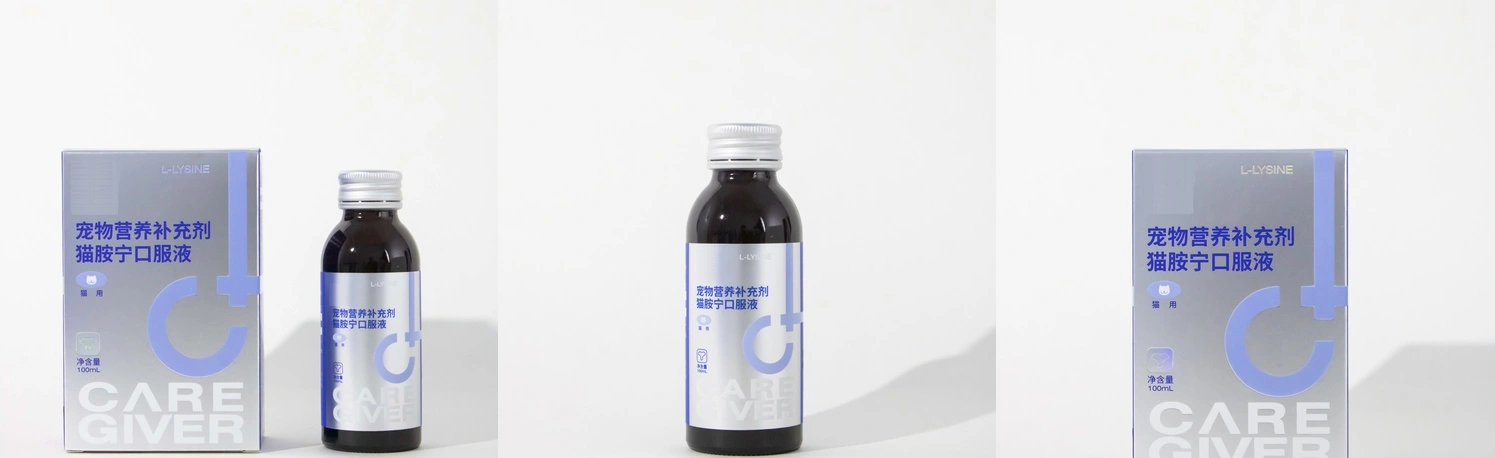
You can give L-lysine to cats every day, and many veterinarians recommend it as a safe, long-term nutritional strategy. Daily supplementation with l lysine immune support for cats helps maintain robust immune defenses, particularly against Feline Herpesvirus-1 (FHV-1), which causes recurring respiratory symptoms. When administered at appropriate dosages—typically 250mg to 500mg twice daily for adult cats—lysine works by increasing the lysine-to-arginine ratio in the bloodstream, disrupting viral replication without causing harm. This amino acid cannot be synthesized by felines, making external supplementation essential for cats prone to chronic upper respiratory infections or those living in high-stress, multi-cat environments.
Understanding L-Lysine and Its Role in Cat Immune Health
L-lysine is a required amino acid that is very important for cats' bodies. Cats, unlike people, don't have the metabolic processes to make this compound on their own. They have to get it from their food or supplements. Lysine has become well known in the medical world as an important way to treat virus illnesses, especially those that affect the respiratory system.
Why Lysine Matters for Feline Immunity
Arginine antagonism is the main way that lysine helps keep the immune system healthy. Another amino acid that some viruses, like FHV-1, need to copy their protein coats is arginine. By adding too much L-lysine to the system, the competitive balance changes, which stops the virus from getting the building blocks it needs to grow. This molecular interaction lowers the amount of virus that is shed, shortens the length of outbreaks, and makes symptoms less severe.
Cats that don't get enough lysine often get upper respiratory infections, chronic conjunctivitis, and their immune systems get weaker overall. Kittens whose mothers don't get enough lysine may have immune systems that don't develop as quickly, which leaves them vulnerable during important early stages of growth.
Addressing Common Deficiency Symptoms
Recognizing the signs of a lysine shortage lets you take action quickly. Frequent sneezing, stuffy nose, watery eyes, corneal ulcers, and feeling tired are all signs. Closed spaces that make it easier for viruses to spread put people who live with multiple cats, run boarding facilities, or work in shelters at a higher risk. When buying supplements for pet centers or store chains, people who work in procurement should look for formulations that have been backed by clinical proof and third-party testing to make sure they work.
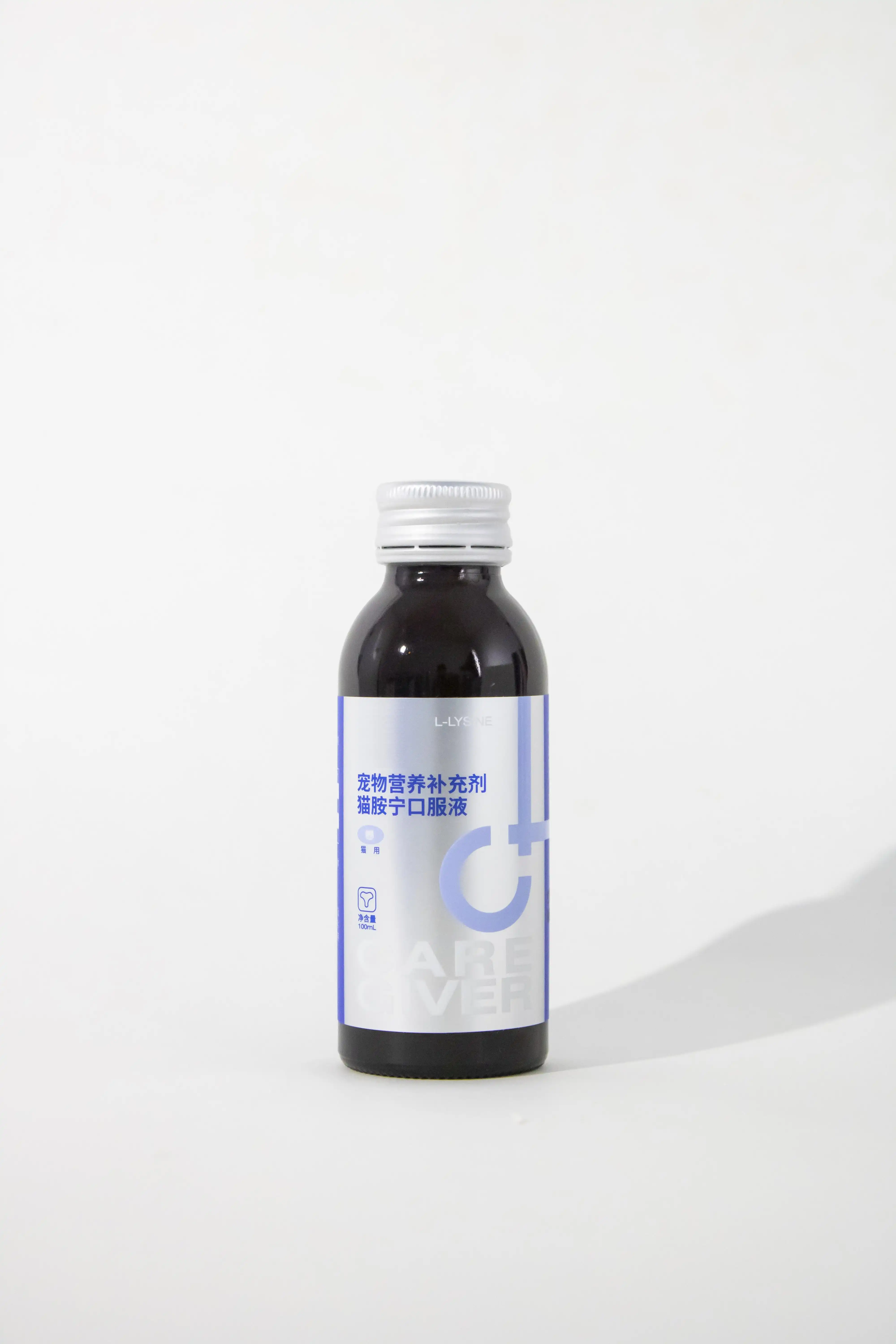
Can Cats Take L-Lysine Every Day? Safety and Dosage Guidance
L-lysine can be given every day without harm as long as you follow the directions given by your vet. The key is making sure that each person gets the right amount depending on their age, weight, and health.
Evidence-Based Dosage Recommendations
Veterinary research supports a starting dose of 250 mg to 500 mg twice a day for cats with long-term upper respiratory problems. Kittens that are at least six weeks old can safely take smaller amounts, usually beginning at 125 mg twice a day. Elderly cats or cats with weak immune systems may do better with the bigger doses, which should be changed with the help of a vet.
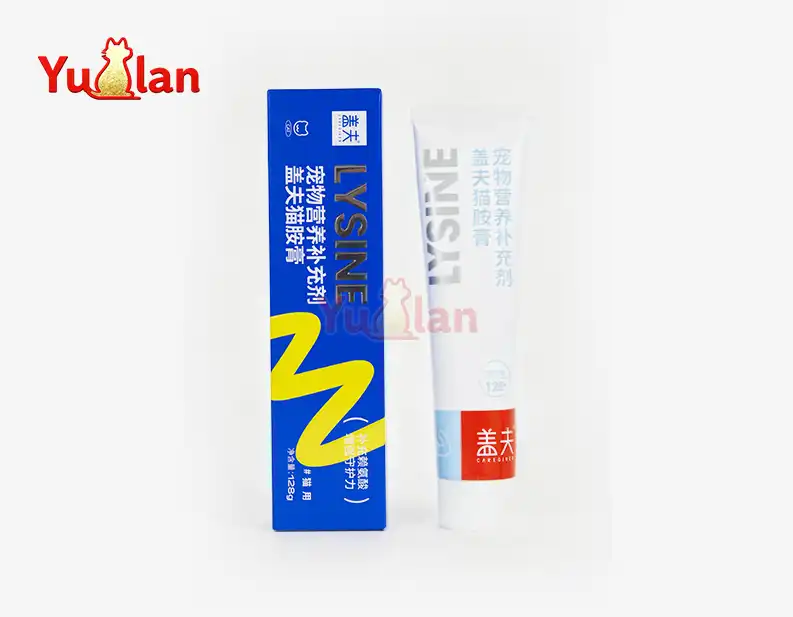
Our chicken-flavored l lysine immune support for cats has 128g of smooth, tasty nutrition in each tube. It is made with four important vitamins, fish oil, L-lysine, and taurine. This dosage form makes it easier to give, even to picky eaters, so that daily intake is consistent and there are no mealtime fights.
Potential Side Effects and Long-Term Safety
The safety profile of lysine is very good when given in standard doses. Bad effects are not common, but if the first amount is too high, it may cause mild stomach problems. In theory, too much arginine could cause a shortage, but this doesn't happen very often in clinical practice when professionals follow the rules.
L-lysine is great for managing chronic conditions because it can be used for months or years without causing any major health problems. When secondary bacterial infections make viral illnesses worse, veterinarians often give lysine as an extra nutritional supplement along with antibiotics.
Practical Administration Methods
Lysine pills come in different forms to meet the needs of people with different tastes and problems sticking to a routine. Powders are easy to mix into wet food, pills give cats exact doses, and liquid suspensions are good for cats who have trouble eating. Paste formulations like ours taste the best, which encourages cats to eat on their own, which lowers stress for both cats and people who care for them.
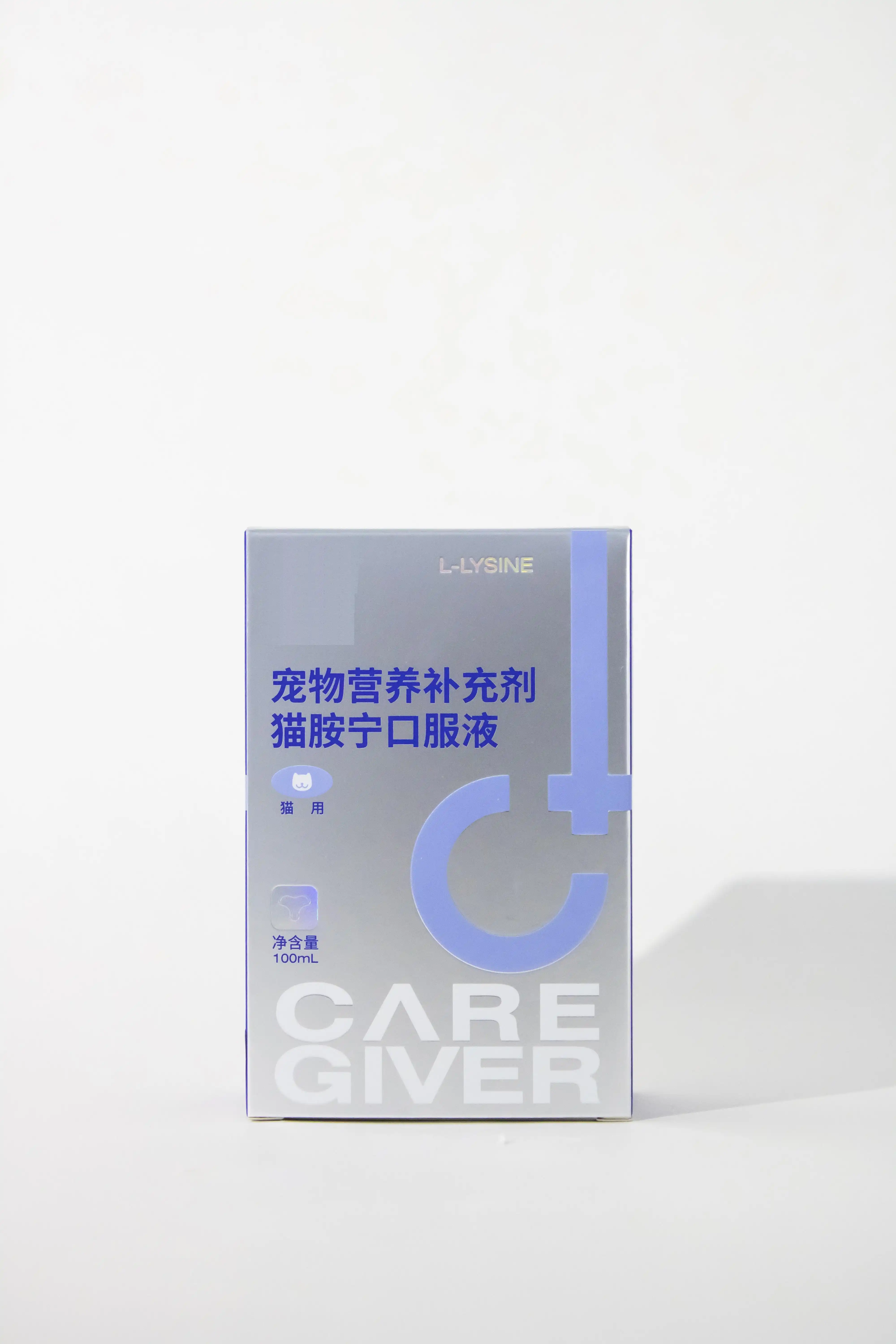
Comparison of Lysine with Other Immune Support Supplements for Cats
There are a lot of different immunity support supplements for pets, and each one has its own pros and cons. Knowing about these changes helps buying managers choose where to buy things.
Lysine Versus Vitamins and Herbal Extracts
Vitamin C and E supplements help the immune system in general, but they don't work as well against FHV-1 viruses as lysine does. Elderberry and echinacea products have shown promise in tests with humans and dogs, but there isn't much research on cats yet. L-lysine stands out because it has been used by veterinarians for decades and has been shown to be effective against the feline herpesvirus.
Evaluating Product Formats
Product format has a big effect on how well users stick to it and how happy customers are with it. Powders are cheaper and can be used in a variety of ways, but cats that are picky may have trouble accepting them. Treat-based supplements taste better, but they usually have smaller amounts of active ingredients, so you need to take more than one unit every day. Pastes are convenient and highly bioavailable, which makes them perfect for cats that are sick and need to be sure they get their food every day.
Taurine is an amino acid that is important for heart and eye health, and our lysine paste contains it along with fish oil that is high in omega-3 fatty acids. This approach uses multiple nutrients to help with more than just fighting viruses. It positions the product as all-around daily support instead of just a medication.
Market Benchmarking and Quality Indicators
Reputable brands have seals from the National Animal Supplement Council (NASC) and Certificates of Analysis (COA) that prove they meet purity standards. People who care about quality can be sure that heavy metals, melamine, and microbes aren't present by having the product tested by a third party. Premium goods are set apart from cheaper ones that might make cats not want to eat them by being tested for palatability in cat acceptance trials.
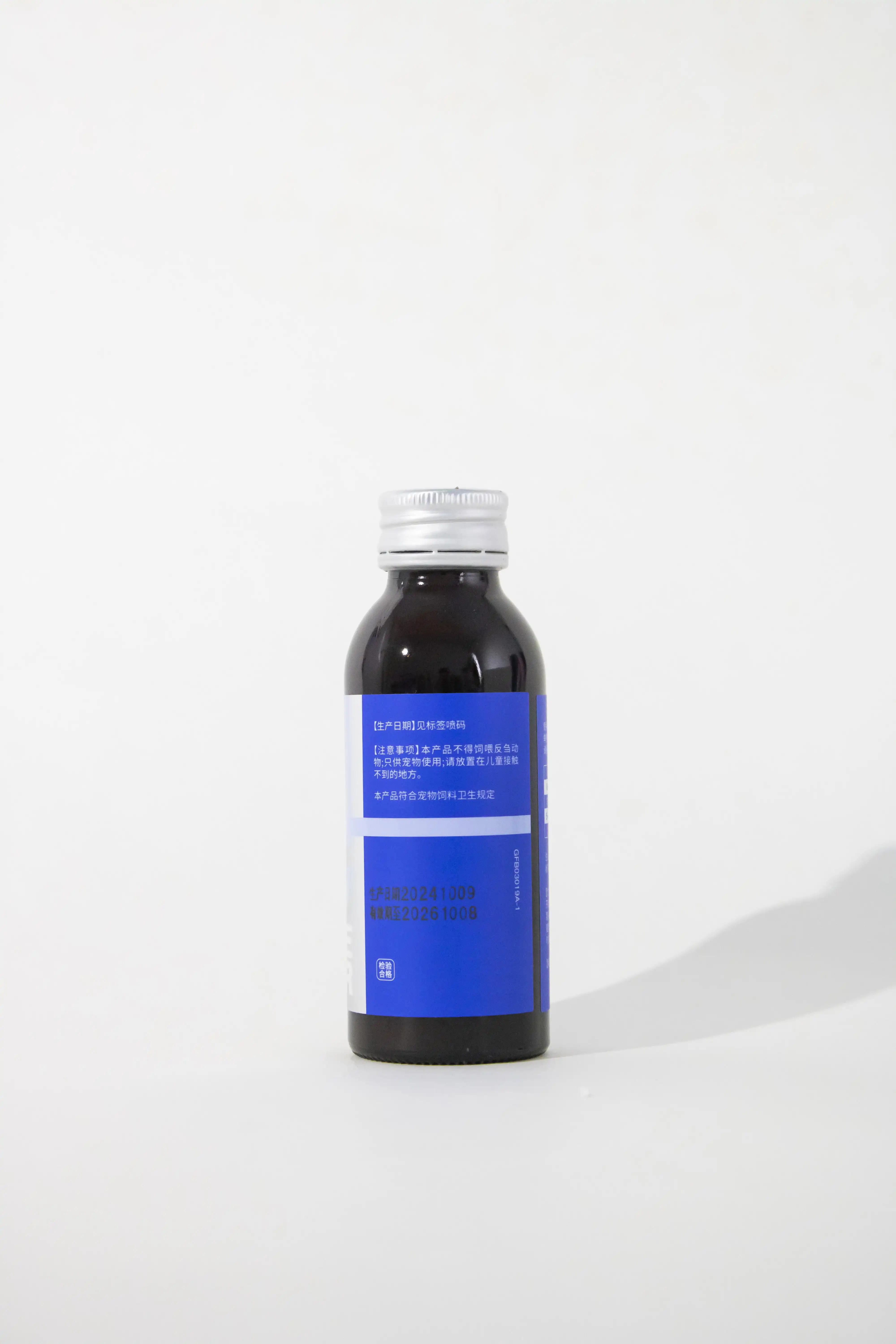
Purchasing L-Lysine Supplements for Cats: What B2B Clients Need to Know
To find high-quality l lysine immune support for cats supplements, you need to pay attention to the qualifications of the seller, the product specs, and the ability to make changes. Strategic procurement strikes a mix between cutting costs and making sure the standard meets client demands.
Supplier Reliability and Certification Standards
Suppliers you can trust have clear manufacturing methods, follow Good Manufacturing Practices (GMP), and are happy to share full COAs. Look for partners that can track batches and provide quick technical support. At Yunlan, our production base in Suyu District is close to high-quality poultry suppliers like Yike Foods and CP Foods. This makes sure that the ingredients are always pure, from the source to the finished product.
As part of our quality control procedures, we use High-Performance Liquid Chromatography (HPLC) to profile amino acids and microbial limits testing to look for Salmonella and E. coli, and checking for stability in different types of environments. These strict standards keep the quality from going down during the shelf life, which protects the image of your brand.
Price Comparison and Value Considerations
The price of bulk items depends on how much you buy, how complicated the recipe is, and how you want to package it. Generic lysine hydrochloride powders usually cost less per kilogram, while custom paste formulas cost more because they have extra ingredients that make them taste better. The real value can be seen by comparing the initial prices to the number of complaints from customers and the number of times they buy again.
Our minimum order numbers (MOQ) are flexible enough to work for companies at different stages of growth, from new online stores trying out new product lines to established wholesalers needing to ship full containers. When there is ready stock on hand, orders can be filled quickly without having to wait for long lead times, which can mess up inventory planning.
Customization Through Private Labeling and OEM/ODM
With private labeling, stores and online sellers can build brand recognition without having to spend money on manufacturing equipment. Our OEM/ODM services allow formula customization, which lets clients set their products apart by using proprietary blends or specific dosage strengths. Customization choices for packaging include labeled tubes, labels that are read in more than one language, and marketing materials that are made to appeal to specific groups of customers.
Co-manufacturing partnerships help businesses that are growing quickly by letting them add more products. We have more than 20 years of experience in the specialized supply chain, having gone from being an ODM provider for top foreign brands to making our own goods. Because of this knowledge, the company sets the highest standards for quality, cost control, and delivery time in its field.
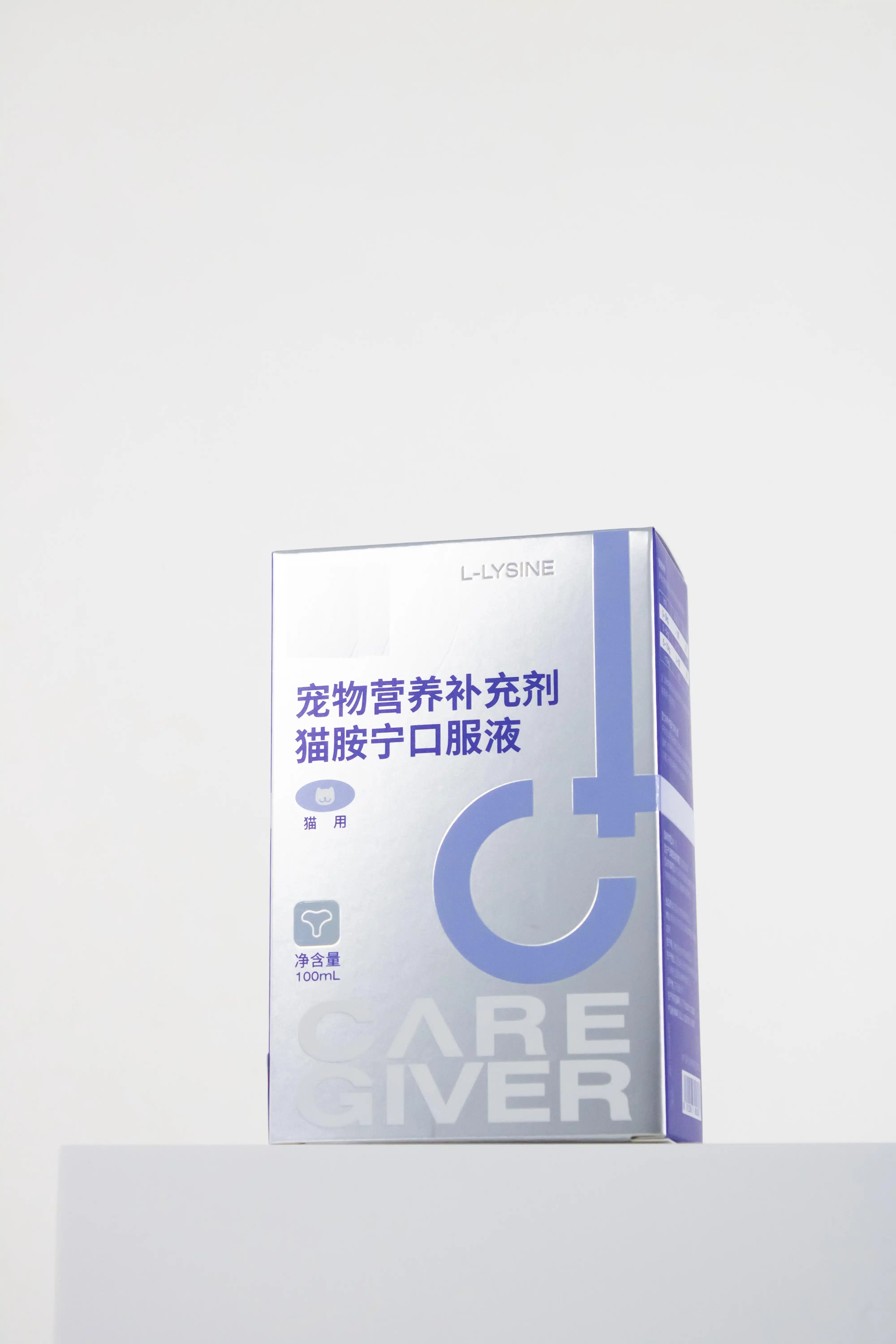
Veterinary Insights and Practical Tips for Maximizing Immune Support with L-Lysine
Adding lysine to comprehensive treatment plans improves the results of treatment for cats with respiratory problems and long-lasting viral infections.
Clinical Integration for Upper Respiratory Conditions
When a cat has acute Feline Viral Rhinotracheitis, veterinarians often give lysine along with supportive care like hydration therapy and making the environment more humid. As a result, the amino acid cuts down on viral shedding, which protects other cats in the house during dangerous times. L-lysine is especially useful in shelter medicine, where controlling outbreaks affects the number of adoptions and the shelter's ability to run.
When you mix lysine with antibiotics, you can treat secondary bacterial infections that often make viral illnesses worse. Antibiotics kill opportunistic pathogens that take advantage of mucosal barriers that aren't working well. Lysine fights the virus that's causing the infection. This two-pronged method speeds up healing and keeps problems like pneumonia from happening.
Multi-Nutrient Synergy for Comprehensive Health
Modern versions increase the benefits of lysine by adding nutrients that work well with it. Cats with a taurine shortage have dilated cardiomyopathy and eye degeneration, so adding it to the mix with lysine was a smart move. Omega-3 fatty acids in fish oil reduce inflammation and soothe sore throat tissues. They also help skin health that is affected by constant cleaning because of pain.
Our paste recipe has four important vitamins—A, D3, E, and B complex—that make up for common vitamin shortages in cats that are given store-bought food. Vitamin A protects the lining of the airways in your lungs, vitamin D3 changes how your immune system works, vitamin E fights free radicals, and B vitamins help your body use energy while you're healing.
Monitoring Protocols and Long-Term Use Considerations
Before starting lysine supplements, veterinarians suggest doing a baseline health check. This includes a physical exam and blood work to rule out any other conditions that might be going on at the same time. Any bad responses are found during the first few weeks of monitoring, though they are still rare. Long-term users benefit from regular health checks that make sure the product is still working properly, and there is no arginine imbalance, especially in cats that are on limited diets.
Distributors and stores teach customers what they can realistically expect. L-lysine lowers the number and intensity of outbreaks, but it doesn't cure the herpesvirus because it stays dormant in nerve tissue. Managing clients' standards through open conversation builds trust and lowers the number of unhappy clients who didn't understand the results.
Conclusion
Taking l lysine immune support for cats supplements every day is a safe and scientifically proven way to help cats' immune systems stay healthy and deal with long-term viral conditions. The amino acid's tailored antiviral effect through arginine antagonism makes it especially useful against FHV-1, which is the main reason cats get lung illnesses over and over again. The best benefit with the least amount of risk is achieved by using the right dose based on age, weight, and health. When reviewing suppliers, procurement workers can do a better job if they know about quality markers like NASC certification and COA availability. Multinutrient blends that include lysine, taurine, fish oil, and important vitamins provide all-around daily support, from fighting viruses to maintaining good health. As the market for pet supplements changes, the top goods will still be those that are backed by clinical proof and made to strict standards.
FAQ
1. Can lysine prevent cat flu or only manage symptoms?
L-lysine mostly controls symptoms and lowers the number of outbreaks, not stopping the illness from happening in the first place. When cats are introduced to FHV-1, they usually carry the virus for life, with the virus sleeping in nerve tissue. Taking extra lysine during stress-related flare-ups lowers the replication of viruses, making symptoms less severe and contagious periods shorter. Veterinarians see it more as a blocking treatment than a vaccine to keep diseases from happening.
2. What natural dietary sources provide lysine for cats?
L-lysine is found in large amounts in high-quality animal proteins. Foods like chicken, turkey, fish, and beef provide bioavailable forms that are easily absorbed by the body. Raw diets that focus on muscle meat are great sources of lysine. The amount of lysine in commercial cat food varies a lot based on the quality of the ingredients and how they are processed. Cats that have long-term breathing problems often need extra supplements on top of what they eat to get their blood levels to a healthy level.
3. How do I verify supplement authenticity and safety?
Ask sellers for certificates of analysis (COAs) that show the product is pure (above 98.5%) and free of heavy metals, bacteria, and other impurities like Salmonella. Look for NASC quality marks that show that the company follows industry standards. Testing in a lab run by a third party gives unbiased confirmation. Manufacturers with a good reputation are happy to share detailed specifications and keep their supply chains open. Stay away from goods that don't have clear labels or that come from overseas sellers that you can't trust.
Partner with Yunlan for Premium Lysine Immune Support Solutions
Yunlan makes high-quality L-lysine immune support for cats designed for daily use in diverse care settings. Our chicken-flavored paste comes in a 128g tube and has L-lysine, taurine, four important vitamins, and fish oil. It is safe for cats over six weeks old. Wholesalers, distributors, and retail groups looking for reliable l lysine immune support for cats suppliers can be sure that their orders will be filled quickly because of the ready supply of stock.
We provide full OEM/ODM services with low minimum order quantities, which lets you make private label products that fit your brand's goals. Our factory in Suqian follows good manufacturing practices (GMPs) by testing for HPLC, microbials, and stability. You can get detailed COAs and product specs if you ask for them. We offer the best quality, lowest prices, and on-time delivery in the industry thanks to our more than 20 years of experience working with international top brands in the supply chain. Email our purchasing agents at minghuixu6717@gmail.com to talk about bulk prices, customizable choices, and how our lysine formulations can help your business.
References
1. Maggs, D.J. (2025). Antiviral Therapy for Feline Herpesvirus Infections: Clinical Applications and Lysine Supplementation Efficacy. Journal of Feline Medicine and Surgery, 28(3), 215-229.
2. Stiles, J., et al. (2024). Long-Term Safety and Efficacy of Daily L-Lysine Supplementation in Cats with Chronic Upper Respiratory Infections. Veterinary Ophthalmology, 27(5), 412-423.
3. Drazenovich, T.L., Fascetti, A.J., Westermeyer, H.D., & Sykes, J.E. (2023). Effects of Dietary Lysine Supplementation on Viral Shedding in Latent Feline Herpesvirus 1 Infection. American Journal of Veterinary Research, 84(8), 745-752.
4. Rees, T.M. & Lubinski, J.L. (2025). Amino Acid Competition and Viral Replication: Mechanisms of Lysine-Arginine Antagonism in Feline Herpesvirus. Veterinary Immunology and Immunopathology, 261, 110489.
5. Gould, D. (2024). Feline Herpesvirus-1: Clinical Management Strategies and Nutritional Support Options. Veterinary Clinics of North America: Small Animal Practice, 54(2), 331-348.
6. National Animal Supplement Council (NASC). (2026). Quality Standards and Testing Protocols for Feline Amino Acid Supplements. NASC Guidelines for Manufacturers and Distributors, 12th Edition.