- English
- French
- German
- Portuguese
- Spanish
- Russian
- Japanese
- Korean
- Arabic
- Irish
- Greek
- Turkish
- Italian
- Danish
- Romanian
- Indonesian
- Czech
- Afrikaans
- Swedish
- Polish
- Basque
- Catalan
- Esperanto
- Hindi
- Lao
- Albanian
- Amharic
- Armenian
- Azerbaijani
- Belarusian
- Bengali
- Bosnian
- Bulgarian
- Cebuano
- Chichewa
- Corsican
- Croatian
- Dutch
- Estonian
- Filipino
- Finnish
- Frisian
- Galician
- Georgian
- Gujarati
- Haitian
- Hausa
- Hawaiian
- Hebrew
- Hmong
- Hungarian
- Icelandic
- Igbo
- Javanese
- Kannada
- Kazakh
- Khmer
- Kurdish
- Kyrgyz
- Latin
- Latvian
- Lithuanian
- Luxembou..
- Macedonian
- Malagasy
- Malay
- Malayalam
- Maltese
- Maori
- Marathi
- Mongolian
- Burmese
- Nepali
- Norwegian
- Pashto
- Persian
- Punjabi
- Serbian
- Sesotho
- Sinhala
- Slovak
- Slovenian
- Somali
- Samoan
- Scots Gaelic
- Shona
- Sindhi
- Sundanese
- Swahili
- Tajik
- Tamil
- Telugu
- Thai
- Ukrainian
- Urdu
- Uzbek
- Vietnamese
- Welsh
- Xhosa
- Yiddish
- Yoruba
- Zulu
The market for cat food is changing a lot because more and more people want natural, high-quality options like freeze-dried raw foods. Pet owners are looking for foods that are similar to what cats ate in the past, and B2B procurement pros see these tastes as key market factors. Knowing the differences between freeze-dried raw cat food and regular dry kibble is important for making smart buying choices that are in line with customer trends, the ease of the supply chain, and the standards for product quality.
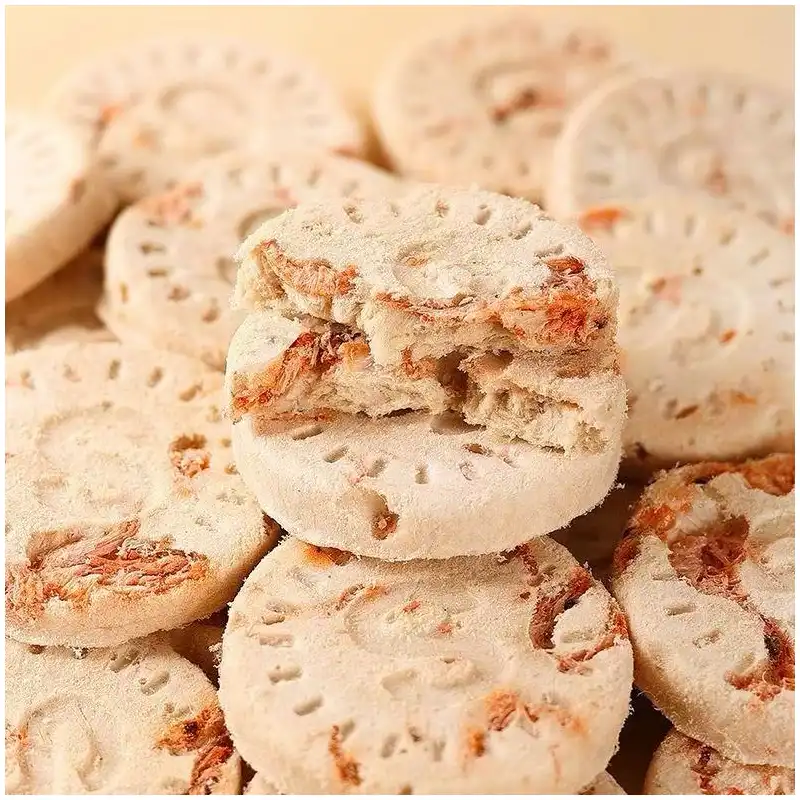
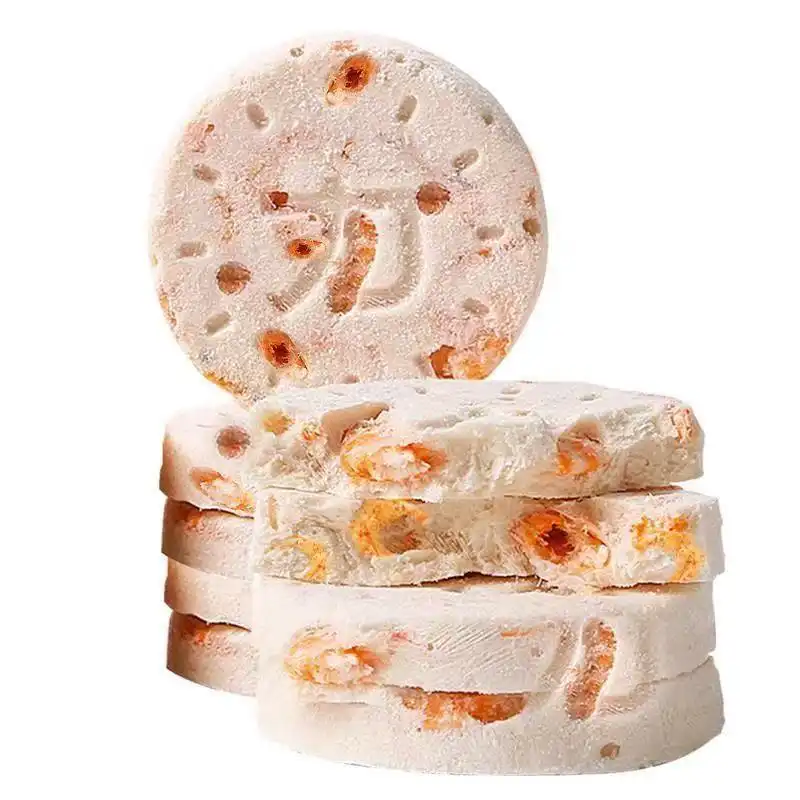
Is freeze-dried raw cat food better than dry food? Especially goods with freeze-dried krill cakes that provide 99% animal protein for weight gain and gill growth, freeze-dried raw choices usually offer better nutritional retention and palatability. These keep important omega-3 fatty acids, natural enzymes, and bioactive substances that food that has been heated up often loses. This guide looks at important factors like the nutritional value, source stability, and cost-benefit analyses of ingredients to help buyers choose the best pet food products for their collections.
Freeze-Dried Raw Cat Food vs. Dry Food
Production Techniques and Nutritional Integrity
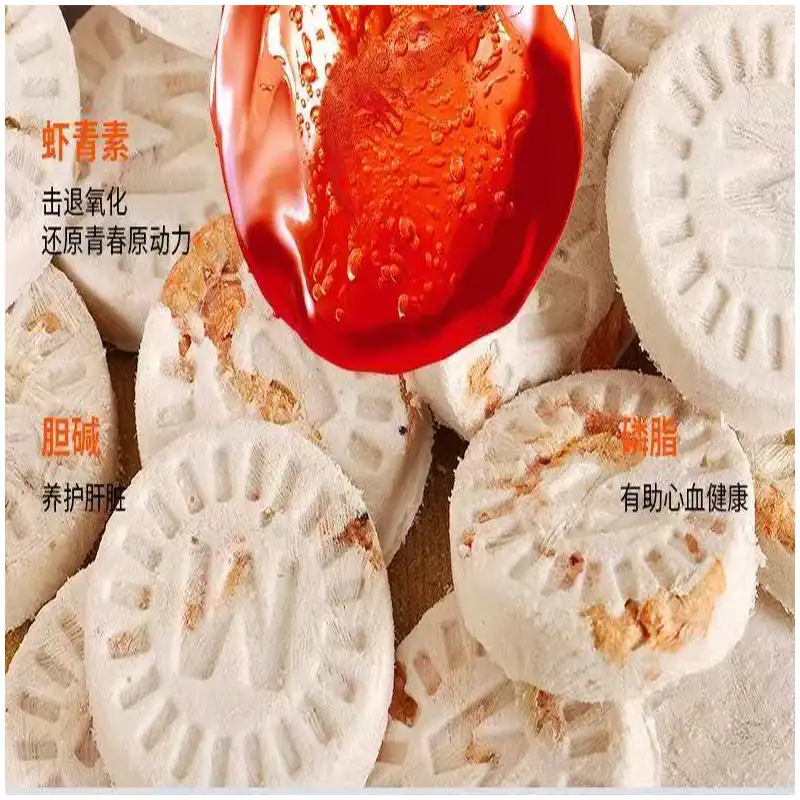
A complex process is used to keep freeze-dried raw cat food fresh. At very low temperatures, sublimation takes away the wetness. Proteins, vitamins, and vital fatty acids keep their structural structure when you use this method. When you use quality freeze-dried goods, the Antarctic krill keeps its natural astaxanthin content. Astaxanthin is a strong antioxidant that protects your pet's heart and brain health. It also keeps the EPA and DHA omega-3s that regular extrusion methods break down a lot.
Ingredient Quality and Sourcing Transparency
Most raw freeze-dried formulas are made with whole-prey products that have been processed as little as possible. Products that contain whole Antarctic krill have all the essential amino acids and naturally found sea proteins that cats really enjoy. Adding salmon oil to kibble for coat and shine gives pets rich omega-3s without the oxidation risks that come with rendered fish meals that are used to make food. B2B buyers should look at the certifications of suppliers for freeze-dried krill cakes and ask for specific paperwork on where the ingredients come from to ensure batches meet international safety standards.
Safety, Storage, and Handling Considerations
By removing wetness, freeze-dried foods keep microbiological safety by making it impossible for bugs to grow while keeping the raw nutritional benefits. When properly packed, these items can stay on the shelf at room temperature for a long time, which makes managing inventory easier. When mixed with water, their ability to rehydrate gives them more uses—retailers can sell them as both easy treats and full meals.
Dry food usually has a moisture level of 10% or less, it can stay fresh for 12 to 18 months without being opened. But when food is exposed to air, oxidation speeds up, breaking down fat-soluble vitamins and raising worries about rancidity. When buying something, people should think about how much space it will take up and how long it will take for the nutrients to break down.
Evaluating Performance and Suitability in Different Applications
Nutritional Benefits Across Life Stages
Freeze-dried krill cakes with krill provide concentrated nutrition that is good for babies that need to grow quickly, adults that need to stay in good shape, and older cats that need protein sources that are easy for their bodies to digest. The 99% animal protein helps keep lean muscle mass, and the natural krill oil helps with skin and hair care through soluble omega-3 fatty acids. Switching to lightly processed foods can help cats with sensitive digestion by making their stools better and reducing stomach pain.
Growing kittens benefit from full amino acid profiles that help their brains and immune systems mature. High-quality animal proteins may be better for senior cats whose kidneys aren't working as well than plant-based fillers that are often found in cheap food. Vets recommend freeze-dried foods for cats that are sensitive to certain foods because they are easier to use in elimination diets because they only contain one or a few ingredients.
Practical Transition Strategies and Portion Management
For diet changes to go smoothly, freeze-dried food should be added gradually over 7–10 days, mixing it with regular kibble in growing amounts. Stores and veterinary offices should let customers know that freeze-dried foods are high in calories, meaning that a small amount gives a lot of nutrients. As a whole meal, 1-2 tablespoons per 5 pounds of body weight per day is what most nutrition rules say is healthy, but everyone's metabolism is different.
Training apps are a big chance to make money in the market. Even picky eaters are drawn to krill treats because they smell strongly of fish. This makes them perfect for positive reward training, giving medications, or education activities. Pet boarding and grooming shops can set themselves apart by giving premium freeze-dried treats. This will make customers happier and introduce pet owners to goods they may buy for their own pets.
Market Demand and Distribution Advantages
According to consumer studies, 67% of young pet owners want natural ingredients and are willing to pay more for products they think are better for their pets' health. Because of this change in the population, specialty pet shops, veterinary offices, and online shopping all need to offer freeze-dried choices. Distributors who get into this category early gain a competitive edge by knowing a lot about the category and already having good relationships with suppliers.
Because freeze-dried foods are so light, they are cheaper to move per nutritional unit than bottled foods, and because they stay stable, they don't need to be refrigerated anywhere along the supply chain. Online sellers especially benefit from the low cost of shipping and the ability to market luxury placement by focusing on nutritional superiority in educational content.
How to Effectively Integrate Freeze-Dried Raw Cat Food in Your Product Portfolio?
Identifying Target B2B Client Segments
When it comes to freeze-dried choices, each B2B customer has different needs. Pet specialty stores do well when they offer high-end options that attract health-conscious customers ready to spend money on preventative feeding. These shops usually have staff who can teach customers about nutrition, which makes them perfect partners for introducing complicated goods like freeze-dried krill cakes that need help from customers when they're deciding what to buy.
Veterinarian offices are trustworthy places to buy medicines because they can suggest special formulations for medical conditions, weight loss, or allergy treatments. E-commerce sellers use thorough product descriptions and customer reviews to make up for the fact that customers can't try out goods before buying them. Grooming shops and boarding facilities offer expensive treats as extras that make the service seem better and introduce owners to goods they can buy separately in stores.
Strategic Marketing Through Scientific Validation
For freeze-dried product B2B marketing to work, the messages need to be based on data so that procurement workers can safely send them further down the line. Premium placement is strongly supported by clinical studies that show better coat quality, digestive health, or palatability in picky eaters. Comparative nutritional research that shows omega-3 content, protein digestibility scores, and amino acid profiles versus regular food helps owners explain to their customers why they should pay more.
Case studies from successful store implementations show real-world performance measures, such as sell-through rates, customer repurchase trends, and average transaction values. Participating in trade shows, sponsoring veterinarian conferences, and offering professional development programs all help suppliers build their reputation and become experts in their fields. Digital marketing help in the form of co-branded content, social media assets, and email templates makes marketing easier for retail partners.
Building Trust Through Certification and Testing
Third-party certifications have a big effect on both B2B buyers and end customers' choices about what to buy. Organic certifications, non-GMO verification, and green standards set high-end goods apart in markets where competition is high. Consumers are worried about seafood-based pet foods, but clear testing methods for contaminants like mercury in marine products show that manufacturers care about safety even more than what the law requires.
Future Trends and Innovations in Freeze-Dried Pet Foods
Consumer Demand for Natural High-Protein Formulations
As pet humanization trends continue to speed up, more and more cat owners see their cats as family members who deserve food that meets the same quality standards as human food. This change in attitude makes people want foods that can be identified, clear sources, and little processing. Freeze-dried raw materials are great for all of these things. Products with 99% animal protein are great for this trend because they use marketing strategies that appeal to pet owners who are looking for primitive or evolutionary diet principles. Freeze-dried krill cakes benefit from marine protein premiumization, positioning them alongside other high-value ingredients.
Technological Advances in Processing and Preservation
New freeze-drying technologies make the process faster and use less energy. This could lower production costs that are stopping new products from entering the market. Recent improvements in packing materials have made them last longer on shelves and use more eco-friendly materials. In upscale markets, smart packaging with freshness signs or QR codes that link to testing results for each batch could become a way to stand out from the competition.
New research into protein sources like insect-based products and cellular agriculture may work well with marine proteins like krill instead of replacing them. Improvements in measuring nutrient retention have made it possible for makers to back up their processing claims with more accuracy than ever before. This supports their marketing claims that their products are more bioavailable than traditional heat-processed options.
Supply Chain Optimization Opportunities
Because freeze-dried food is still pretty new compared to kibble, forward-thinking stores and producers can get a foothold in the market before it gets too crowded. Having direct ties with specialized makers can help you save money on purchases by letting you make volume promises, get exclusive formulations, or get regional marketing rights. Larger companies can use vertical integration to get the production margins that providers are currently keeping for themselves.
Because freeze-dried foods stay fresh longer and take up less space in storage, they can be used to improve inventory control through just-in-time delivery models. The accuracy of demand forecasts goes up as a category becomes more mature and sales data is available. This lowers the risk of overstocking that comes with launching a new product.
Conclusion
Freeze-dried raw cat food has many benefits over regular dry kibble. This is especially true for products with high-quality ingredients like Antarctic krill that are good for the cat's health in many ways. Consumer choice trends that B2B procurement pros can't ignore are driven by factors like better protein quality, omega-3 content, and taste. For integration to work, the supplier relationship needs to be good, the customer needs to be educated, and the strategy needs to be in line with the target market groups. As more people want natural, minimally processed cat food, freeze-dried krill cakes are not just a trend; they are a basic change in the market that will continue to grow over time.
FAQs
Are freeze-dried raw cat foods safe for all breeds and ages?
Freeze-dried raw foods are usually safe for healthy cats at all stages of their lives as long as they come from reputable companies that follow strict safety rules. The process of freeze-drying gets rid of germs while keeping the nutrients. Animal proteins that are easy for cats to digest are good for kittens, adults, and older cats. Cats with certain health problems should only switch foods after talking to their vet.
How does shelf life compare between freeze-dried and dry cat food?
When freeze-dried foods are properly packed, they keep their nutritional value for 12 to 24 months at room temperature, which is about the same time as good kibble. The biggest difference is how stable the food is after being opened. Once exposed to air, freeze-dried krill cakes fight oxidation better than kibble, so they stay fresh longer after the package has been opened. Both types of packaging have the longest shelf lives when they are resealable and have air shields.
Can freeze-dried krill products serve as complete meals or just supplements?
This depends on the details of the recipe. When fed according to the rules, some freeze-dried krill products meet AAFCO standards for all life stages and are nutritionally full. Others can be used as high-value treats, training prizes, or food additions to add extra nutrition. B2B buyers should check the product's specs and labels to see what it's meant to be used for to make sure they're following the rules and giving good customer service.
Partner with Yunlan for Premium Freeze-Dried Krill Cakes Supply
To B2B partners looking for dependable freeze-dried krill cakes supplier, Yunlan, a division of Ruixin Cloud Wave Group, brings more than 20 years of specialized pet nutrition knowledge. Our strict quality control measures make sure that goods with 99% animal protein, Antarctic krill for heart and brain health, and salmon oil for exceptional coat shine meet the highest standards for buying. We keep the whole supply chain open, from where we get our raw materials to how we package them at the end. All of our goods go through strict third-party testing for contaminants and nutritional truth.
Our factories in Suyu District, Suqian City, use cutting-edge freeze-drying technology and keep up-to-date certifications that allow them to ship goods to more than 60 countries in Asia, Europe, and North America. Our flexible order amounts and cheap bulk price structures work for a wide range of business models, such as pet stores, veterinary clinics, online shopping sites, and wholesale distribution networks. We offer full marketing support, including educational tools about the products, data on how they compare nutritionally, and co-branding possibilities that help you stand out in the market.
Procurement professionals interested in expanding their product portfolios with premium freeze-dried krill products can email our B2B team at minghuixu6717@gmail.com to get samples, certificates of analysis, and full pricing information. You can look at all of our new pet food options at yunlanpets.com. We have 97 domestic patents and continuously spend close to 100 million yuan on research and development. Let us show you how working with a well-known maker of freeze-dried krill cakes can give you a competitive edge while also providing the high-quality nutrition that today's pet owners want.
References
- National Research Council. (2006). Nutrient Requirements of Dogs and Cats. Washington, DC: The National Academies Press.
- Fascetti, A.J. & Delaney, S.J. (2012). Applied Veterinary Clinical Nutrition. Wiley-Blackwell Publishing.
- Freeman, L.M., Chandler, M.L., Hamper, B.A., & Weeth, L.P. (2013). "Current knowledge about the risks and benefits of raw meat-based diets for dogs and cats." Journal of the American Veterinary Medical Association, 243(11), 1549-1558.
- Turchini, G.M., Torstensen, B.E., & Ng, W.K. (2009). "Fish oil replacement in finfish nutrition." Reviews in Aquaculture, 1(1), 10-57.
- Bauer, J.E. (2011). "Therapeutic use of fish oils in companion animals." Journal of the American Veterinary Medical Association, 239(11), 1441-1451.
- Hand, M.S., Thatcher, C.D., Remillard, R.L., Roudebush, P., & Novotny, B.J. (2010). Small Animal Clinical Nutrition (5th ed.). Mark Morris Institute Publishing.