- English
- French
- German
- Portuguese
- Spanish
- Russian
- Japanese
- Korean
- Arabic
- Irish
- Greek
- Turkish
- Italian
- Danish
- Romanian
- Indonesian
- Czech
- Afrikaans
- Swedish
- Polish
- Basque
- Catalan
- Esperanto
- Hindi
- Lao
- Albanian
- Amharic
- Armenian
- Azerbaijani
- Belarusian
- Bengali
- Bosnian
- Bulgarian
- Cebuano
- Chichewa
- Corsican
- Croatian
- Dutch
- Estonian
- Filipino
- Finnish
- Frisian
- Galician
- Georgian
- Gujarati
- Haitian
- Hausa
- Hawaiian
- Hebrew
- Hmong
- Hungarian
- Icelandic
- Igbo
- Javanese
- Kannada
- Kazakh
- Khmer
- Kurdish
- Kyrgyz
- Latin
- Latvian
- Lithuanian
- Luxembou..
- Macedonian
- Malagasy
- Malay
- Malayalam
- Maltese
- Maori
- Marathi
- Mongolian
- Burmese
- Nepali
- Norwegian
- Pashto
- Persian
- Punjabi
- Serbian
- Sesotho
- Sinhala
- Slovak
- Slovenian
- Somali
- Samoan
- Scots Gaelic
- Shona
- Sindhi
- Sundanese
- Swahili
- Tajik
- Tamil
- Telugu
- Thai
- Ukrainian
- Urdu
- Uzbek
- Vietnamese
- Welsh
- Xhosa
- Yiddish
- Yoruba
- Zulu
There are so many choices when it comes to picking the correct litter for your cat. Cassava cat litter is becoming more popular as an eco-friendly alternative to standard solutions among the many choices available. But is it actually the greatest thing for your cat? Let's take a close look at the differences between cassava cat litter and other varieties so you can make an educated choice.

Define the Litter Types
Traditional Cat Litter: A Brief Overview
Clay-based and silica gel are the two main forms of conventional cat litter. Clay litter has been a must-have for families with cats for decades. People say it is good for clumping and keeping smells down. Silica gel litter, on the other hand, is made of silica dioxide sand, which is lighter and better at soaking up wet.
Cassava Cat Litter: The New Kid on the Block
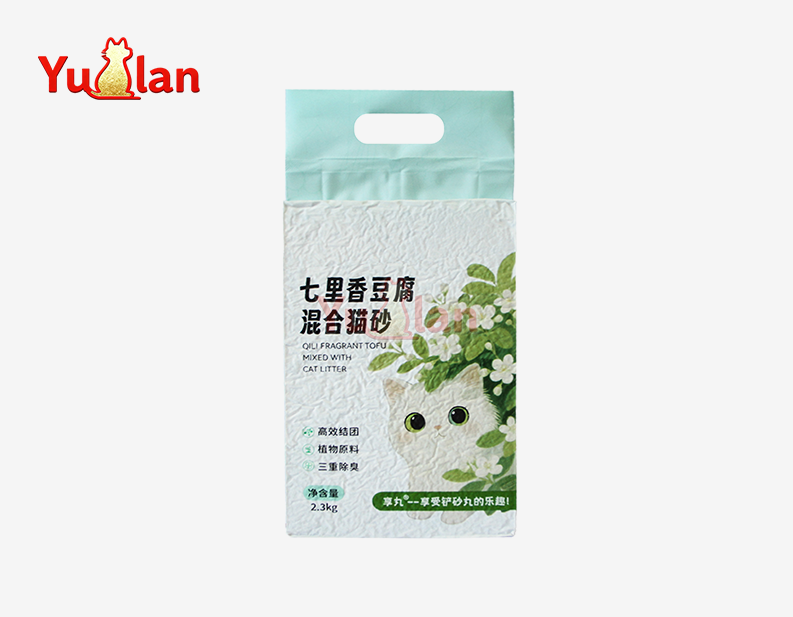
Cassava cat litter is a new thing that you can buy. It is made from the leftovers from processing cassava, which is also known as tapioca. This plant-based litter breaks down on its own, doesn't create dust, and does an excellent job of keeping smells under control. People that care about the environment appreciate it since it is excellent for the environment.
Comparing Key Features
The fundamental goal of both conventional and cassava cat litter is the same, although they are significantly different in a lot of ways. Traditional litters are usually effective at clumping and keeping scents away, but they may not be as helpful for the environment. Cassava litter doesn't always clump as well, but it's better for the environment and doesn't scrimp on crucial features like odor control and absorbency.
Ingestion & Digestive Safety: Cassava Wins
The Risks of Traditional Litter Ingestion
One of the biggest difficulties with regular cat litter, especially clay litter, is that it may be harmful if a cat consumes it by accident. Cats may ingest little amounts of litter when grooming themselves after using the litter box. Clay litter might block your intestines, which could cause serious health concerns. Silica gel litter is less likely to cause blockages, but eating a lot of it might still be hazardous for you.
Cassava Litter: A Safer Alternative
Cassava cat litter is less likely to cause problems if eaten by mistake since it is made from plants. Cassava litter has natural fibers that are easier to digest and less likely to produce blockages or other problems with digestion. This makes it a safer choice, particularly for kittens or cats who like to chew on their litter.
Digestive Health Considerations
Aside from the immediate dangers of eating it, the kind of litter you choose may have long-term impacts on your cat's digestive health. Most of the time, silica dust is present in regular clay litters. Long-term exposure to it may cause respiratory issues. There is no dust in cassava litter, thus it gets rid of this risk. This is important for your cat's overall health, including their breathing and digestion.

Paw & Skin Comfort: Cassava Wins
The Texture Factor
You should consider about how comfy your cat's paws will be when you choose out a litter. Traditional clay litters may be rough on soft paw pads, which can make them uncomfortable or even injure them. Even if they are softer, some cats may still not like silica gel litters. Cassava cat litter is better for your cat's delicate paws since it has a gentle, grainy feel.
Skin-Friendly Properties
Some types of regular litter include chemicals and dust in them that might be problematic for cats with sensitive skin or allergies. Cassava litter is a good choice for cats with sensitive skin since it is manufactured from natural ingredients and doesn't have any chemicals in it. It is hypoallergenic, so it minimizes the risk of skin irritations and allergic reactions. This makes your cat more comfortable while they use the litter box and after.
Dust and Allergen Reduction
Cassava cat litter is great since it doesn't make any dust. When you pour or move traditional clay litters, they can generate clouds of dust that may bother both cats and people, particularly those with breathing problems. When you use cassava litter, you're making the area surrounding the litter box cleaner and easier to breathe, which is good for your cat's skin and lungs.
Environmental Impact: A Clear Winner
Biodegradability and Sustainability
When it comes to the ecology, cassava cat litter is definitely the finest option. Cassava litter breaks down fully, unlike ordinary clay or silica gel litters, which don't and only end up in landfills. It breaks down on its own over time, which is healthier for the environment. This function is particularly appealing to pet owners who care about the environment and want to make their house less harmful to the planet.
Production and Resource Conservation
To create regular cat litter, especially clay-based ones, mining is essential. This may have a major effect on the environment. Cassava litter, on the other hand, is made from the scraps left over after processing cassava. This is an excellent way to utilize up resources that would otherwise go to waste. This not only cuts down on waste, but it also helps the process of making things last longer.
Disposal and Water Systems
Another item to think about for the environment is how it impacts water systems. Flushing any kind of cat litter is not a good idea, but cassava litter is less likely to damage water treatment systems if you do. Clay litters that are used in the past may clog pipes and wreak a lot of damage to sewage systems. Cassava litter is less likely to harm the environment in the long term if it gets into water systems since it breaks down naturally.
Odor Control and Absorbency
Traditional Litter's Strength
Traditional litters, particularly those made of clay, have traditionally been effective at soaking up liquids and keeping smells in check. Clay litters are known for clumping better than other kinds cat litter, which helps keep scents in check. Silica gel litters also perform a wonderful job of absorbing up moisture, which keeps the area surrounding the litter box fresh for longer.
Cassava's Natural Odor-Fighting Properties
Cassava cat litter may not clump as well as clay litters, but it does a good job of keeping smells at bay. Cassava litter is made from natural fibers that naturally absorb odors. A lot of people say that cassava litter gets rid of smells without the need for artificial scents, which some cats may not like.
Balancing Performance and Eco-Friendliness
You should consider about the little differences in how effectively traditional and cassava litters operate, as well as the large benefits they have for the environment, while making your choice. Cassava litter is a terrific choice for many cat owners since it is good for the environment, even though regular litters may perform a better job of managing smells and soaking up water. There isn't much of a trade-off, especially when you consider of all the other nice things reducing garbage does.

Cost Considerations
Initial Price Comparison
At first, cassava cat litter may appear more expensive than other types of litter. Cassava litter normally costs more per pound than clay or silica gel litter when you purchase it. But this initial price difference doesn't tell the whole story.
Long-Term Economic Benefits
Some individuals think that cassava litter lasts longer than normal litter, even if it costs more at beginning. You may not need to use as much litter over time since it absorbs so much. This might make up for the price difference. Also, while estimating up the entire cost, you should think about the decreased health risks and probable vet bills that come with safer, more natural litter options.
Value Beyond Price
When you look at the pricing, you should consider about the worth of the item beyond just the cost. Cassava litter is healthier for the environment, minimizes health risks, and makes your cat more comfortable, thus it's worth more. For many pet owners, these considerations make the higher initial expense worth it. For the health of their cat and the environment, cassava litter is a fantastic buy.
Conclusion: Making the Best Choice for Your Cat
When choosing between cassava cat litter and more traditional options, you should consider about a few things: your cat's health and comfort, the area, how effectively the litter prevents smells, and how much money you have to spend. When it comes to clumping and keeping smells under control, traditional litters have their good and bad points. Cassava litter, on the other hand, is a strong rival since it is safe for cats, excellent for the environment, and comfy for them.
Cassava cat litter is a great alternative for cat owners who want natural, eco-friendly choices that don't sacrifice important litter functions. Because it breaks down naturally, has no dust, and is soft, it is especially good for cats with allergies or homes that care about the environment.
In the end, the ideal litter for your cat is one that satisfies both your demands and your pet's needs. The most essential thing is that your cat is healthy and happy, whether you select cassava or continue with a conventional alternative.
If you're considering making the switch to cassava cat litter or exploring other eco-friendly pet products, Suqian Ruixin Yunlan Technology offers a range of high-quality, environmentally conscious options. For more information or to request a quote, please don't hesitate to reach out to us at minghuixu6717@gmail.com. Our team is dedicated to helping you find the perfect solution for your feline friend.
FAQ
Q1: Is cassava cat litter safe if my cat accidentally ingests it?
A: Yes, cassava cat litter is generally considered safe if accidentally ingested in small amounts. Unlike clay litters that can cause intestinal blockages, cassava litter is biodegradable and more easily passed through a cat's digestive system. However, as with any non-food item, large quantities should not be ingested, and you should consult your veterinarian if you have concerns about your cat's litter consumption habits.
Q2: How often do I need to change cassava cat litter compared to traditional litter?
A: The frequency of litter changes can vary depending on your cat's habits and the number of cats using the litter box. Generally, cassava litter may require less frequent complete changes than clay litter due to its superior odor control and absorption properties. Many users report being able to go longer between full litter box changes with cassava litter, sometimes up to 3-4 weeks with regular scooping. However, it's important to monitor the litter box daily and adjust the changing schedule based on your cat's needs and your household's preferences.
Q3: Can cassava cat litter be flushed down the toilet?
A: While cassava cat litter is biodegradable, it is generally not recommended to flush any type of cat litter down the toilet. Even biodegradable litters can potentially cause plumbing issues or overload septic systems. Additionally, cat feces can contain parasites harmful to marine life, which water treatment plants may not completely remove. The safest disposal method for used cassava litter is to bag it and dispose of it in your regular trash.
Q4: How does the dust level of cassava cat litter compare to traditional litters?
A: Cassava cat litter is known for being significantly less dusty than many traditional clay or silica gel litters. This low-dust quality makes it an excellent choice for cats and owners with respiratory sensitivities. The reduced dust also means less tracking around the house and a cleaner environment overall. While no litter is completely dust-free, cassava litter typically produces much less airborne particulate matter when poured or disturbed compared to clay-based options.
Q5: Can cassava cat litter help with allergies in cats or humans?
A: Yes, cassava cat litter can be beneficial for both cats and humans with allergies or sensitivities. Its natural, plant-based composition means it's free from many of the chemicals and additives found in traditional litters that can trigger allergic reactions. The low-dust nature of cassava litter also reduces the amount of airborne particles, which can be particularly helpful for those with respiratory allergies or asthma. For cats with sensitive skin or allergies to traditional litters, the gentle, hypoallergenic properties of cassava litter can provide relief and improved comfort.
References
1. Cornell Feline Health Center. (2023). Choosing a Cat Litter.
2. American Association of Feline Practitioners. (2022). Environmental Needs Guidelines.
3. Journal of Feline Medicine and Surgery. (2021). Comparison of Different Types of Cat Litter: A Review. Vol. 23(5), 423-435.
4. Environmental Protection Agency. (2023). Sustainable Materials Management: Non-Hazardous Materials and Waste Management Hierarchy.
5. World Health Organization. (2022). Cassava: Cyanide Poisoning and Detoxification.