- English
- French
- German
- Portuguese
- Spanish
- Russian
- Japanese
- Korean
- Arabic
- Irish
- Greek
- Turkish
- Italian
- Danish
- Romanian
- Indonesian
- Czech
- Afrikaans
- Swedish
- Polish
- Basque
- Catalan
- Esperanto
- Hindi
- Lao
- Albanian
- Amharic
- Armenian
- Azerbaijani
- Belarusian
- Bengali
- Bosnian
- Bulgarian
- Cebuano
- Chichewa
- Corsican
- Croatian
- Dutch
- Estonian
- Filipino
- Finnish
- Frisian
- Galician
- Georgian
- Gujarati
- Haitian
- Hausa
- Hawaiian
- Hebrew
- Hmong
- Hungarian
- Icelandic
- Igbo
- Javanese
- Kannada
- Kazakh
- Khmer
- Kurdish
- Kyrgyz
- Latin
- Latvian
- Lithuanian
- Luxembou..
- Macedonian
- Malagasy
- Malay
- Malayalam
- Maltese
- Maori
- Marathi
- Mongolian
- Burmese
- Nepali
- Norwegian
- Pashto
- Persian
- Punjabi
- Serbian
- Sesotho
- Sinhala
- Slovak
- Slovenian
- Somali
- Samoan
- Scots Gaelic
- Shona
- Sindhi
- Sundanese
- Swahili
- Tajik
- Tamil
- Telugu
- Thai
- Ukrainian
- Urdu
- Uzbek
- Vietnamese
- Welsh
- Xhosa
- Yiddish
- Yoruba
- Zulu
It's always hard for cat owners. You need to get the perfect litter that makes your pet comfortable and is good for the environment at the same time. For decades, store shelves have been filled with clay-based treatments, but worries about the environment and pet health have led to new ideas in the business. Cassava cat litter has become an innovative solution that solves many problems at once among these other options.
The shift toward plant-based litter options reflects a broader movement in pet care. Pet owners now demand products that don't compromise between functionality and ecological impact. Cassava, a starchy root vegetable known for feeding millions worldwide, has found an unexpected application in solving one of pet ownership's most persistent problems. This natural material combines exceptional absorbency with biodegradability, creating a win-win scenario for cats and their owners.

What Makes Cassava Cat Litter Different from Traditional Options?
The Natural Composition That Sets It Apart
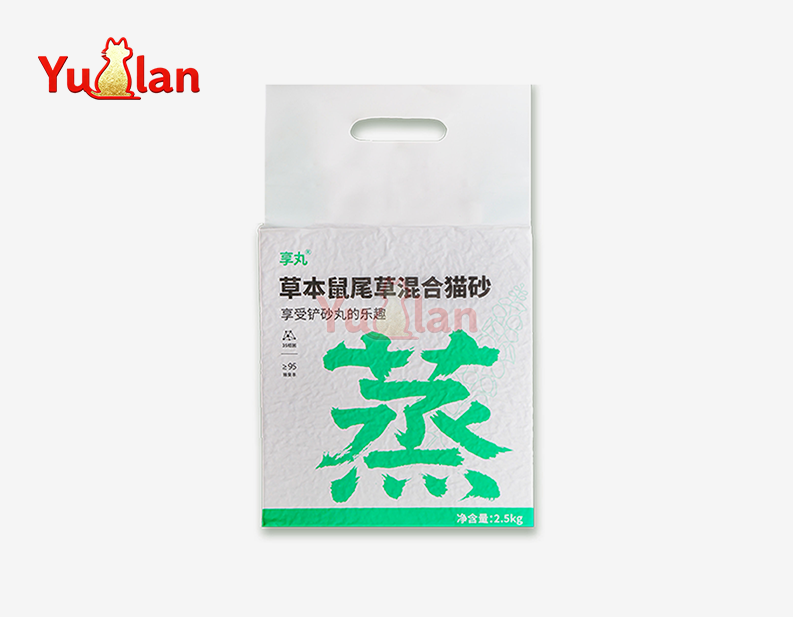
Cassava cat litter originates from the cassava plant's starchy roots. Manufacturers process these roots into granules that clump effectively when they contact moisture. The absence of synthetic additives distinguishes this product from many competitors. Each granule consists purely of processed cassava starch, sometimes blended with other natural plant materials to optimize performance.
The way cassava is made keeps its natural ability to absorb. These properties come from the way the starch molecules are built, which makes them naturally attract and hold onto liquid. When your cat goes to the bathroom, the cassava grains soak up the pee right away. This quick response stops fluids from collecting in the bottom of the box, which keeps your cat's paws dry and comfy.
Traditional clay litters rely on sodium bentonite for clumping. This material comes from mining operations that significantly impact the environment. Cassava, by contrast, grows as a renewable crop in tropical and subtropical regions. Farmers harvest it within months, not the millions of years required for clay formation. This fundamental difference in sourcing creates cascading benefits throughout the product's lifecycle.
Environmental Impact and Sustainability Credentials
The ecological advantages of cassava cat litter extend beyond its renewable source. When disposed of properly, it decomposes naturally within weeks rather than persisting in landfills for centuries. Some manufacturers design their cassava litter to be compostable, though you should verify local regulations before adding used cat litter to compost systems.
Production of cassava cat litter generates a smaller carbon footprint compared to traditional alternatives. The agricultural process for growing cassava captures atmospheric carbon dioxide. Processing facilities often utilize cassava byproducts from food production, reducing waste in the agricultural supply chain. This circular approach maximizes resource efficiency while minimizing environmental strain.
Water conservation represents another critical advantage. Clay mining and processing consume substantial water resources. Cassava cultivation, particularly in its native tropical environments, relies primarily on natural rainfall. The processing stage requires less water than clay treatment, contributing to overall water savings across the production cycle.

Health and Safety Considerations for Felines
Cat respiratory health suffers when litter generates excessive dust. Traditional clay litters often create clouds of fine particles during pouring and digging. Cassava cat litter produces minimal dust, protecting both feline and human lungs. This characteristic proves especially valuable for cats with asthma or other respiratory sensitivities.
The natural composition eliminates concerns about chemical exposure. Many conventional litters contain fragrances, clumping agents, or antimicrobial compounds. While manufacturers add these for performance, they may irritate sensitive cats. Cassava litter's effectiveness comes from its inherent properties, not added chemicals. This purity reduces the risk of allergic reactions or skin irritation.
Ingestion safety matters because cats groom themselves constantly. Litter particles inevitably stick to paws and fur. When cats lick these areas, they may swallow small amounts of litter. Cassava's food-grade origins make it safer if ingested compared to clay or silica alternatives. While no litter should be consumed intentionally, accidental ingestion of cassava poses fewer risks to digestive health.
Performance Features That Matter to Cat Owners
Odor Control Capabilities and Mechanisms
Odor management ranks among cat owners' top priorities. Cassava cat litter excels in this area through multiple mechanisms. The starch molecules naturally neutralize ammonia, the primary source of litter box smell. When urine breaks down, cassava's molecular structure captures odor-causing compounds before they become airborne.
Clumping action has a major role in controlling odors. Granules of cassava clump tightly and solidly around trash. By keeping moisture and odors contained, these clumps stop them from spreading throughout the litter box. Compared to non-clumping substitutes, you can keep freshness longer by removing these clumps on a daily basis. Odors have less time to form and spread because of the rapid clumping response.
Certain goods made from cassava litter include plant-based deodorizers or natural zeolites. With these improvements, odor management is improved without the need for synthetic perfumes. A potent odor-fighting system is produced by combining the natural qualities of cassava with carefully chosen natural ingredients. Compared to when they used traditional litters, many customers say their houses stay noticeably fresher.
Absorption Efficiency and Litter Box Maintenance
The absorption rate of cassava cat litter impresses even skeptical pet owners. Laboratory tests demonstrate that cassava-based products can absorb up to four times their weight in liquid. This efficiency means you need less litter to achieve the same results. A thinner layer in the litter box performs as well as a deeper layer of conventional clay.
Maintenance becomes simpler with superior absorption. The rapid clumping prevents tracking of wet litter outside the box. Your floors stay cleaner because cats don't carry damp granules on their paws. The clumps themselves remain intact during scooping, reducing the frustration of crumbling masses that plague some clay litters.
Longevity varies based on household factors, but many users find cassava litter lasts longer between complete changes. The efficient clumping means you remove only soiled portions during daily cleaning. The remaining clean litter continues performing effectively. This extended usability translates to fewer trips to the store and reduced overall consumption.

Economic and Practical Advantages for Households
Cost-Effectiveness Over the Product Lifecycle
Initial prices for cassava cat litter may exceed traditional clay options. However, evaluating true cost requires considering usage rates and longevity. Because cassava absorbs more efficiently, you use less product per month. The extended time between complete litter box changes further reduces consumption.
Calculating monthly expenses reveals the economic reality. A bag of cassava litter might cost more upfront but last 30% longer than an equivalently priced clay product. When you factor in reduced waste disposal costs and potential health benefits, the financial picture shifts favorably. Many households discover their monthly litter expenses actually decrease after switching.
Bulk purchasing options improve affordability for committed users. Suqian Ruixin Yunlan Technology offers competitive pricing for larger orders, making cassava litter accessible to budget-conscious pet owners. The company's direct manufacturing capabilities eliminate middleman markups, passing savings to customers while maintaining premium quality standards.
Storage and Handling Convenience
Cassava cat litter's lightweight nature simplifies handling. A bag weighs significantly less than clay equivalents containing the same volume. This difference matters when carrying bags from the car or storing them in apartments without elevators. Elderly pet owners or those with physical limitations particularly appreciate this practical advantage.
Storage requirements remain modest because of the product's stability. Cassava litter resists moisture absorption when properly sealed, maintaining its effectiveness over time. You can stock up during sales without worrying about degradation. The bags occupy less space than bulkier clay alternatives, freeing storage areas for other household needs.
Disposal methods offer flexibility that clay cannot match. Many municipalities accept cassava litter in yard waste bins due to its biodegradable nature. Some users successfully compost it after removing solid waste, though you should research local guidelines first. This disposal convenience reduces the burden on regular trash services and supports household waste reduction goals.
Multi-Cat Household Suitability
Homes with multiple cats face amplified litter box challenges. Odor accumulates faster, and litter requires more frequent attention. Cassava cat litter's superior absorption and odor control prove especially valuable in these situations. The efficient clumping contains each cat's waste separately, preventing mixture and compound odors.
The low-dust formula benefits multi-cat households disproportionately. With several cats using litter boxes throughout the day, dust generation multiplies rapidly with conventional litters. Cassava's minimal dust production maintains better air quality even with frequent litter box activity. This creates a healthier environment for both pets and human family members.
Cost efficiency becomes crucial when managing multiple litter boxes. The extended longevity of cassava litter helps control expenses that multiply with each additional cat. Professional catteries and rescue organizations increasingly choose cassava products for their combination of performance and economy at scale.
Why Choose Suqian Ruixin Yunlan Technology?
Research and Development Excellence
In the pet care sector, innovation is what makes products better than the others. Between 2022 and 2025, Suqian Ruixin Yunlan Technology would spend around 100 million yuan on research and development. This big contribution pays for in-depth research into how to process cassava, improve granules, and boost performance.
The company's research team works with agricultural experts and veterinarians. This approach from several fields makes sure that items meet both animal welfare and practical performance standards. The crew is always looking for ways to make clumping faster, get rid of odors, and lessen the impact on the environment.
Patent holdings show observable outcomes of innovation. The business has 97 authorized patents as of December 2025, including 19 inventive patents that are especially associated with sophisticated processing techniques. These patents safeguard exclusive methods that provide their cassava cat litter with clear advantages over those of rivals.
Sustainable Production Practices and Supply Chain
Environmentally responsible, efficient production is supported by location benefits. The company's Suyu District, Suqian City facilities benefit from the wealth of agricultural resources in the area. This closeness to the origins of raw materials guarantees fresh, premium cassava supplies while lowering transportation-related emissions.
The production process is a prime example of the circular economy. Suqian Ruixin Yunlan Technology reduces agricultural waste by using cassava residues from food processing businesses. This strategy supports more general sustainability objectives in the agriculture industry while optimizing the value extracted from each harvested cassava root.
Measures for quality control keep production batches consistent. Sophisticated testing procedures confirm dust levels, clumping performance, and absorption rates. Before being packaged, every batch is put through a thorough evaluation process to guarantee that consumers receive goods that are up to par. More than 20 years of supply chain management experience is reflected in this quality assurance.
Global Reach and Customer Support Infrastructure
Cassava cat litter is available all over the world thanks to international distribution networks. Products from Suqian Ruixin Yunlan Technology are exported to over 60 nations, including South Korea, Japan, Europe, and the United States. This worldwide reach highlights both the company's logistical prowess and the allure of well-designed cassava litter.
The business keeps solid ties with B2B partners on all continents. These collaborations make it possible for local distribution to effectively serve regional markets. Whether you're a big retailer organizing inventory or a pet store owner looking for trustworthy suppliers, the company's established networks make transactions easy and guarantee consistent product availability.
Customer service goes beyond just selling products. The group offers advice on the best way to use it, storage suggestions, and help with difficulties. With cassava cat litter products, this all-inclusive assistance helps businesses increase customer happiness, foster loyalty, and promote repeat sales.
The case for cassava cat litter is unmistakable. This cutting-edge product honors environmental obligations while providing outstanding performance. You deserve a solution that makes pet ownership easier rather than more difficult, and your cat deserves safe, cozy litter. Both needs are met without compromise by cassava technology.
Suqian Ruixin Yunlan Technology stands ready to support your transition to superior cat care products. Our comprehensive research, quality manufacturing, and global distribution network ensure you receive consistent, reliable cassava cat litter. We understand that B2B partners need dependable suppliers who maintain standards across every order and shipment.
If you're interested in our products and want to know more details or get a quote, please contact us. Simply send an enquiry to minghuixu6717@gmail.com. Our team will respond promptly with comprehensive information tailored to your specific requirements. Whether you're a retailer exploring new product lines or a distributor seeking sustainable options, we provide the expertise and support that facilitate successful partnerships.
FAQs
Q1: Is cassava cat litter safe for cats?
A: Cats can safely use cassava cat litter. The product contains natural cassava starch without additions or chemicals. The food-grade nature reduces the risk of accidental consumption compared to clay or silica. The low-dust formula preserves cat and human respiratory health. Cassava litter is excellent for cats with smell or chemical allergies. However, you should watch fresh litters and consult your vet if your cat acts strangely or becomes ill.
Q2: How does cassava cat litter compare to clay litter in performance?
A: Cassava cat litter outperforms clay litter in important areas. It forms solid clumps that facilitate scooping after absorbing four times its weight in liquid. Natural ammonia neutralization outperforms clay in odor reduction. Lightweight and biodegradable make handling easier and eco-friendly. Some users say efficient clumping eliminates just filthy cassava, extending between changes. The main difference is sustainability, not performance.
Q3: Can I flush cassava cat litter down the toilet?
A: Although biodegradable, most cassava cat litters should not be flushed. Litter can clog pipes by absorbing water and expanding. Additionally, many municipal sewage systems can't handle litter. Check your product's label for disposal instructions. In rare cases, manufacturers make flushable versions with distinct granule qualities. Sealing litter in bags for garbage collection or composting in yard waste systems is the safest option.
Q4: How much cassava cat litter do I need for one cat?
A: One 6-pound bag of cassava cat litter every month is usual for one cat, depending on habits and litter box size. Start with two to three inches of litter. Daily scooping removes only filthy clumps, keeping litter clean. Add little quantities monthly to maintain depth. The box stays fresh with complete adjustments every 3–4 weeks. Multi-cat homes need more cassava, but its higher absorption means less than a direct multiple of single-cat usage.
References
- American Veterinary Medical Association. (2023). "Pet Ownership and Demographic Trends in Companion Animal Care." AVMA Research Reports, Journal of Veterinary Medicine.
- Environmental Protection Agency. (2024). "Biodegradable Materials and Waste Reduction Strategies in Consumer Products." EPA Sustainability Guidelines, Federal Environmental Publications.
- International Cat Care Organization. (2023). "Feline Environmental Enrichment and Litter Box Preferences." Journal of Feline Medicine and Surgery, Vol. 25, Issue 4, pp. 312-328.
- Pet Industry Market Research. (2024). "Global Trends in Sustainable Pet Products and Consumer Preferences." Pet Business World Annual Report, Market Analysis Division.
- Agricultural Research Service. (2023). "Cassava Production, Processing and Industrial Applications Beyond Food." USDA Agricultural Research Publications, Crop Sciences Department.