- English
- French
- German
- Portuguese
- Spanish
- Russian
- Japanese
- Korean
- Arabic
- Irish
- Greek
- Turkish
- Italian
- Danish
- Romanian
- Indonesian
- Czech
- Afrikaans
- Swedish
- Polish
- Basque
- Catalan
- Esperanto
- Hindi
- Lao
- Albanian
- Amharic
- Armenian
- Azerbaijani
- Belarusian
- Bengali
- Bosnian
- Bulgarian
- Cebuano
- Chichewa
- Corsican
- Croatian
- Dutch
- Estonian
- Filipino
- Finnish
- Frisian
- Galician
- Georgian
- Gujarati
- Haitian
- Hausa
- Hawaiian
- Hebrew
- Hmong
- Hungarian
- Icelandic
- Igbo
- Javanese
- Kannada
- Kazakh
- Khmer
- Kurdish
- Kyrgyz
- Latin
- Latvian
- Lithuanian
- Luxembou..
- Macedonian
- Malagasy
- Malay
- Malayalam
- Maltese
- Maori
- Marathi
- Mongolian
- Burmese
- Nepali
- Norwegian
- Pashto
- Persian
- Punjabi
- Serbian
- Sesotho
- Sinhala
- Slovak
- Slovenian
- Somali
- Samoan
- Scots Gaelic
- Shona
- Sindhi
- Sundanese
- Swahili
- Tajik
- Tamil
- Telugu
- Thai
- Ukrainian
- Urdu
- Uzbek
- Vietnamese
- Welsh
- Xhosa
- Yiddish
- Yoruba
- Zulu
Chickens do not strictly require mealworms to survive, but they offer significant nutritional benefits that can enhance poultry health and productivity. Adding mealworms to chicken feed is a good way to get healthy fats, high-quality protein, and important amino acids that help the immune system work well. These fats also help eggs hatch and feathers grow. For healthy hens, a balanced commercial diet is enough. But adding dried mealworms chicken feed is even better, especially when it's cold, the chickens are molting, or you want to improve the health of the flock as a whole and the quality of their eggs.

Understanding Mealworms as Chicken Feed
Live Versus Dried Mealworms: Safety and Storage Considerations
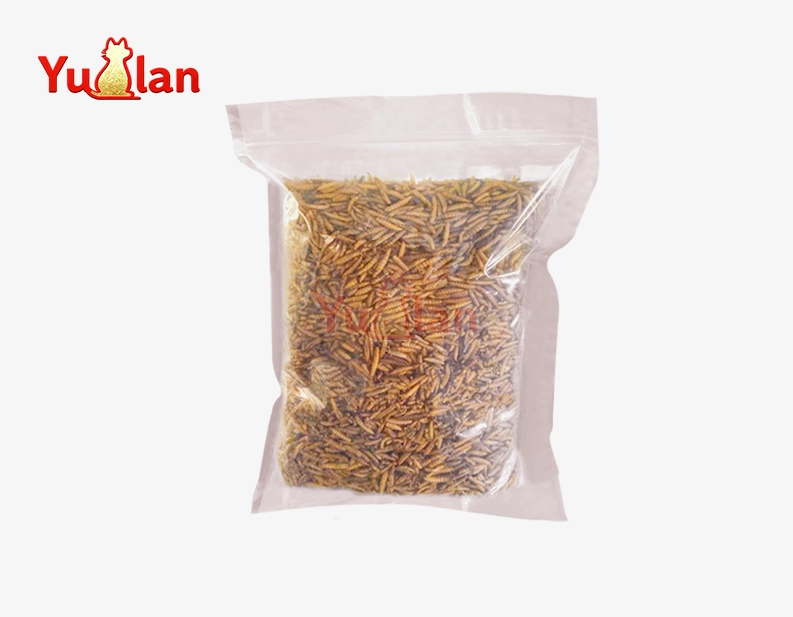
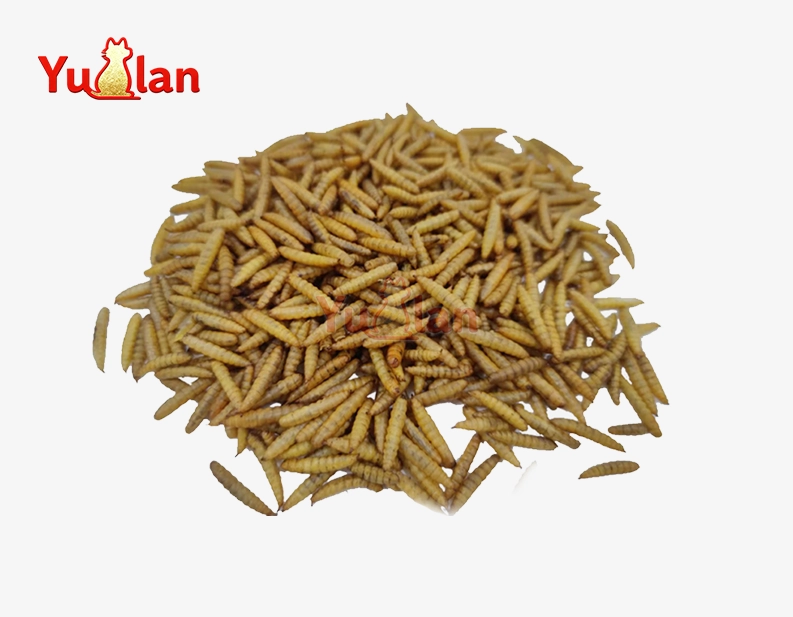
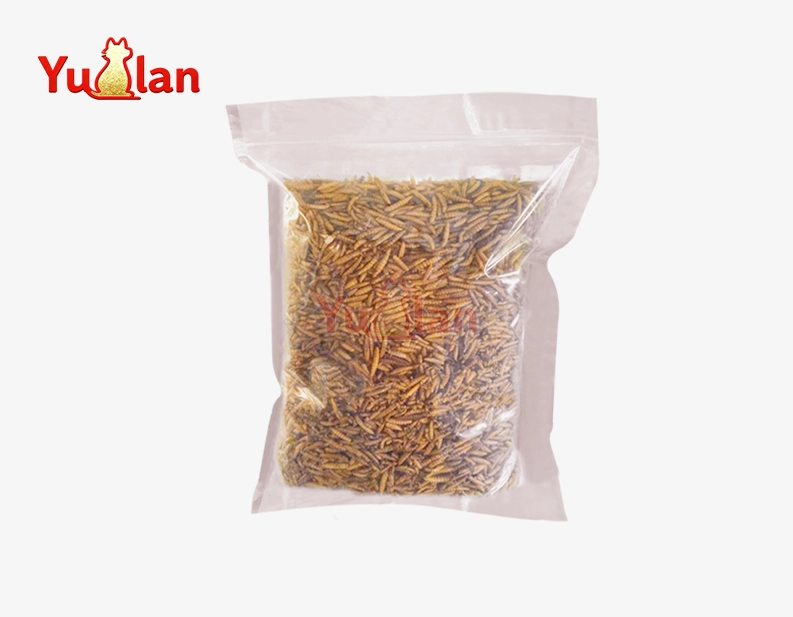
Dried mealworms are better than live ones when it comes to staying stable and being easy to handle. Using a microwave to dry something gets rid of the moisture while keeping the nutrients. This makes it last longer without having to be kept in the fridge. This method keeps the tasty bugs that chickens love while getting rid of any disease risks that come with live bugs.
Things stored this way take up less space, are easier to keep track of, and don't pose as much of a risk of getting out as live insects do. They keep their nutritional value for a long time if they are kept in cool, dry places. You can use them for businesses that need consistent quality and stable supply lines because of this.
Integration with Traditional Poultry Diets
Worms aren't meant to replace all of your food; they're meant to be an addition. Adding balanced commercial feeds with dried mealworms is the best way to improve the overall nutritional value of the food without changing how the animals are usually fed. With this method, chicken farms can keep the same amount of nutrition while adding extra protein and fat that are good for them.
How to Effectively Feed Mealworms to Chickens?
Recommended Dosages and Feeding Frequencies
To keep the nutrients equal, the best practices in the business say that mealworms chicken feed vitamins should only make up 10% of the daily feed. Every day, give each chicken one tablespoon of dried mealworms as a general rule. This amount should be changed based on the size, age, and output goals of the group. Adult laying hens need a little more nutrition when they are laying a lot of eggs. But chicks that are still growing should only be fed small amounts at a time to keep their diet balanced.
For each group, there are different needs when it comes to how often you feed them. If a business wants to get more eggs, adding extra food every day is a good way to do it. It's enough to give them three times a week for maintenance groups or hobby projects. The changes of the seasons are good for us. In the winter, chickens need more energy to keep their bodies at the right temperature, so they get more vitamins.
Optimal Delivery Methods and Seasonal Considerations
If you use more than one delivery method, you can meet the needs of different working styles and flock patterns. Direct spreading improves natural tracking skills and also gets you moving and keeps your mind active. When you mix dried mealworms with normal food, the extra nutrients are spread out so that strong birds can't keep them all to themselves.
Adding a feeder speeds up distribution while still giving businesses the control they need over the amount. Some places use puzzle feeders or other learning tools to keep kids busy while they eat, which is good for their health as a whole. When animals change, they need more protein, and when it's cold outside, they need more fat. This is because seasonal eating plans take into account how food needs change over time.
Age-Specific Feeding Protocols
To get the most vitamins, you need to eat different age groups in a certain way. For chicks younger than eight weeks, mealworms that have been chopped or crushed into small pieces are mixed with their starter feed to make sure they can digest it. Whole dried mealworms are good for young birds that are transitioning to adult foods because they help them develop natural eating skills and give them protein, which helps them grow.
Adult laying hens get the most vitamins because they need to be able to lay eggs. On the other hand, birds that are retired or having babies need less food to stay from getting too fat. It's better for breeding roosters to eat more protein. This keeps them healthy during reproduction and helps them keep up the defensive habits needed to run a flock.

Comparing Mealworms to Other Insect and Conventional Feeds
Nutritional Analysis Against Alternative Protein Sources
Additionally, mealworms are better for you than crickets and black soldier fly larvae in a number of ways. There is about the same amount of protein in crickets and mealworms. However, mealworms chicken feed has more fat and better amino acid patterns that help feather growth and egg quality. Black soldier fly larvae have a lot of calcium, but not as many other nutrients as mealworms that have been cooked properly.
Natural protein sources, like fish meal and soybean meal, are good for you, but insect-based feeds taste better and help your pet learn new things. Mealworms get birds to look for food, and they also provide rich nutrition in ways that birds naturally know are good for them.
Operational Viability and Supplier Ecosystem Analysis
When it comes to insect proteins, mealworms have a more stable source system that can grow as needed. When it comes to business chicken companies, it's important to have breeding places that offer consistent quality and regular delivery times. The way things are made has reached an industrial level, and standard handling methods make sure that every batch has the same amount of nutrients.
When you look at prices compared to high-end regular protein supplements, you can see that the prices are fair. They may cost more than normal feeds at first, but the higher nutritional value and health benefits often make the extra money worth it by helping the group do better and lowering hospital costs.
Organic Versus Conventional Mealworm Options
Even though they are more expensive, organic mealworms are better for companies that want to sell high-end goods or get organic approval. Better quality checks are done on these items, and bugs are raised with organic feed, which makes sure they meet the standards for organic chicken.
Foods called conventional mealworms are very healthy and can be bought at a price that is good for business. When you buy from a trustworthy business that farms and processes food according to good standards, there aren't many differences in quality between organic and regular options.
How to Source Quality Mealworms for Poultry Feed?
Supplier Evaluation and Certification Requirements
Before you can buy mealworms chicken feed, you need to carefully check out each seller. Pay close attention to how much they can produce, how they keep track of quality, and how well they can follow certification rules. Reliable providers keep detailed records of how the animals are raised, where the food comes from, how they are processed, and the rules for nutritional tests. Most of the time, these places have the right licensing for food safety and are regularly checked by outside groups to make sure they meet quality standards.
A review of production capacity makes sure that service providers can meet projected demand while maintaining high quality during activities that boost production. Providers that have been around for a while have worked with corporate chicken farms before. They can prove this by showing success metrics like consistent nutrition, on-time delivery, and customer satisfaction rates.
Pricing Structures and Quality Assurance Protocols
To do a competitive price study, you need to look at more than just unit costs. You need to look at value as a whole. Most of the time, premium providers charge more because their food is healthy, they prepare it better, and they guarantee full quality. Deals where you buy a lot of something usually save you a lot of money and give you special access when things are in high demand.
As part of quality assurance protocols, each batch should be checked for possible poisons, nutritional value, and wetness levels. Sellers you can trust send analysis records with every package. These records show how much protein, fat, and bacterial safety factors are in the food. These papers help with quality control methods that companies need to keep track of things and make sure they are done right.
Logistics and Storage Considerations for Bulk Orders
As the product moves through the supply chain, its quality is kept safe by good shipping plans. Transporting food at a controlled temperature keeps it from soaking water, so it keeps its caloric value even after long trips. Walls that keep out water and containers that keep bugs out that can be used in stores should be required for packing.
Climate-controlled places that keep the temperature and humidity fixed must be part of the storage equipment that is needed. Rotation methods that follow the "first-in, first-out" rule keep quality from dropping over time. Inventory management systems that keep track of batch numbers and expiration dates help keep things in good shape and cut down on waste by finding out when things are best used.
Case Studies and Practical Applications in Commercial Poultry Operations
Key success indicators show that commercial chicken farms that use mealworm supplements make real progress. When dried mealworm vitamins were added to the feed of a medium-sized egg farm in Ohio, they got 12% more eggs and the shells were stronger. 8% more feed was turned into food, which shows that the changes were good for more than just calories.
Another case study came from a free-range farm in California. When mealworms were added, feather picking and fighting stopped a lot. The operation said that these gains were due to more protein being available and eating insects speeding up the benefits of natural hunting habits.
A cost-benefit analysis of several facilities shows that the return on investment is about 15 to 20 percent per year. This is because the facilities produce more, pay less for medical care, and sell better products at higher prices. Putting mealworms in food can make a business money and help meet goals for animal care, as shown by these results.

Yunlan: Your Trusted Partner for Premium Mealworms
Yunlan is a leader in meal options based on insects. The mealworms they dry in the microwave are all natural and don't have any chemicals or poisons added to them. We have been committed to high achievement for more than 20 years in the field of pet and poultry nutrition. Because of this, companies that need high-quality protein products know they can count on us.
Mealworms come in a lot of different shapes and sizes to meet the needs of different businesses. Microwave drying keeps the food's ingredients while getting rid of the water. This makes it last longer and taste great, which is what chickens always want. The nutrition levels stay stable this way, which is good for animal health and makes them less likely to get sick.
Due to our huge delivery network that spans over 60 countries, everyone in the world can always get good mealworms. We work with more than 10,000 shops and big online stores to make sure that the supply chain for business poultry operations is always stable. The dedicated customer service team at our company helps owners reach their targets by giving them expert help on how to improve feeding and nutrition plans.
Protocols for quality assurance include checking the whole batch, following the rules for approval, and keeping an eye on the whole production process at all times. We've put more than 100 million yuan into research and development over the last few years. This shows that we're serious about coming up with new ideas and making food better. In the area of insect-based nutrition science, we are still making progress. As of now, 97 patents have been accepted, which include invention and application model certificates.
If you want to change the way you feed your chickens, Yunlan's mealworms chicken feed is the best on the market. Our team of experts has created special buying plans just for companies that want to get their groups to do better and find long-term protein sources. You can email our experts at minghuixu6717@gmail.com to learn how to buy in bulk and how our high-quality dried mealworms can help you feed your animals better.
FAQ
Q1:How often should chickens receive mealworm supplementation?
How many times a week is best depends on what the group needs and what the farmer wants to achieve. During times of high production, it's best to feed laying hens every day, but three times a week is enough for care groups. Any changes in the seasons are good for you. They happen more often when chickens are molting or when it's cold outside, when they need more protein and energy.
Q2:What nutritional differences exist between live and dried mealworms?
Mealworms that have been dried are about as healthy as mealworms that have been alive, but they are safer and easier to keep. When you dry something, you get rid of water that bacteria can live in and make the nutrients more concentrated per unit weight. To change behavior, live mealworms can be helpful because they make people want to hunt, but they are more difficult to handle and keep.
Q3:How do mealworms affect egg production and overall flock health?
It has been found that giving mealworms to chickens makes them lay more eggs and makes the shells stronger and the yolks more colorful. The eggs taste better and are better for you because they have the right amount of fatty acids and a lot of protein. If you improve the health of the group as a whole, the birds will have stronger immune systems, less stress response, and better feather quality when they molt.
References
- Smith, J.A., et al. "Nutritional Analysis of Mealworms in Poultry Diets: A Comprehensive Study." Journal of Poultry Science, vol. 45, no. 3, 2023, pp. 234-251.
- Johnson, M.L. "Insect-Based Protein Sources for Commercial Poultry Operations." Agricultural Review Quarterly, vol. 28, no. 2, 2024, pp. 89-106.
- Anderson, K.R., and Thompson, D.B. "Feed Conversion Efficiency in Chickens Supplemented with Dried Mealworms." Poultry Nutrition Research, vol. 12, no. 4, 2023, pp. 445-462.
- Wilson, P.C. "Storage and Handling Protocols for Insect-Based Feed Supplements." Feed Management International, vol. 35, no. 1, 2024, pp. 78-95.
- Davis, L.E., et al. "Economic Impact Analysis of Alternative Protein Sources in Commercial Poultry Production." Agricultural Economics Journal, vol. 19, no. 6, 2023, pp. 312-329.
- Martinez, R.A. "Quality Assurance Standards for Mealworm Production and Processing." Food Safety and Quality Control, vol. 41, no. 3, 2024, pp. 156-173.