- English
- French
- German
- Portuguese
- Spanish
- Russian
- Japanese
- Korean
- Arabic
- Irish
- Greek
- Turkish
- Italian
- Danish
- Romanian
- Indonesian
- Czech
- Afrikaans
- Swedish
- Polish
- Basque
- Catalan
- Esperanto
- Hindi
- Lao
- Albanian
- Amharic
- Armenian
- Azerbaijani
- Belarusian
- Bengali
- Bosnian
- Bulgarian
- Cebuano
- Chichewa
- Corsican
- Croatian
- Dutch
- Estonian
- Filipino
- Finnish
- Frisian
- Galician
- Georgian
- Gujarati
- Haitian
- Hausa
- Hawaiian
- Hebrew
- Hmong
- Hungarian
- Icelandic
- Igbo
- Javanese
- Kannada
- Kazakh
- Khmer
- Kurdish
- Kyrgyz
- Latin
- Latvian
- Lithuanian
- Luxembou..
- Macedonian
- Malagasy
- Malay
- Malayalam
- Maltese
- Maori
- Marathi
- Mongolian
- Burmese
- Nepali
- Norwegian
- Pashto
- Persian
- Punjabi
- Serbian
- Sesotho
- Sinhala
- Slovak
- Slovenian
- Somali
- Samoan
- Scots Gaelic
- Shona
- Sindhi
- Sundanese
- Swahili
- Tajik
- Tamil
- Telugu
- Thai
- Ukrainian
- Urdu
- Uzbek
- Vietnamese
- Welsh
- Xhosa
- Yiddish
- Yoruba
- Zulu
Modern poultry farmers are constantly looking for sustainable, cost effective and high nutrition feed alternatives to replace traditional soybean meal and commercial compound feed. Mealworms have become a mainstream novel protein source for chicken breeding due to their high protein content, rich trace elements and eco friendly breeding characteristics. Growing mealworms independently can help farms stabilize feed supply, reduce breeding costs and improve flock health and egg production efficiency. Mealworm chicken feed cultivated through standardized breeding processes has stable nutritional indicators and can fully meet the daily nutritional supplement needs of chickens at all growth stages. This article systematically sorts out the value, complete breeding steps, feeding application schemes and commercial procurement solutions of self grown mealworms for chicken breeding.

Core Value and Nutritional Advantages of Mealworm Chicken Feed
Before starting mealworm breeding, it is essential to clarify the unique nutritional and economic value of mealworms as chicken feed. Different from ordinary feed raw materials, artificially cultivated mealworms can bring dual improvements in poultry growth performance and farm economic benefits, which is the core reason for the rapid promotion of mealworm breeding in the poultry industry.
Superior Nutritional Composition of Mealworm Chicken Feed
Mealworm chicken feed has outstanding nutritional advantages compared with traditional poultry feed raw materials such as soybean meal. High quality self bred mealworms contain about 50 percent high quality animal protein, which is higher than the 44 to 48 percent protein content of conventional soybean meal. This high protein feature can efficiently supplement the protein gap in chicken daily diet and provide sufficient energy for chicken growth, molting and egg production.
Mealworm chicken feed is rich in complete amino acid groups, including lysine, methionine and threonine that are crucial for poultry growth. These essential amino acids cannot be fully synthesized by chickens themselves and directly determine the growth rate of broilers and the stable laying performance of hens. Relevant poultry nutrition studies show that the amino acid matching degree of mealworm protein for chickens is far higher than that of plant based protein feed.
In addition to protein and amino acids, mealworm chicken feed also contains balanced nutrients required by poultry. It includes natural healthy fat accounting for about 35 percent of the total nutrition, as well as mineral elements such as phosphorus, potassium and zinc. The unique chitin component in mealworms can effectively optimize chicken intestinal flora, improve digestive capacity and reduce the incidence of gastrointestinal diseases in flocks.
Economic and Sustainable Benefits for Poultry Farms
Self cultivation of mealworms can help poultry farms build a renewable internal feed supply system and reduce dependence on externally purchased commercial feed. Although the initial investment of mealworm breeding is slightly higher than that of traditional feed procurement, the long term cost advantage is prominent. Industrial poultry farms can usually achieve cost break even within 6 to 8 months by relying on self produced mealworm chicken feed.
The application of mealworm chicken feed can significantly improve the feed conversion rate of flocks. Experimental data shows that hens supplemented with mealworm feed have a 15 to 20 percent higher feed utilization rate than those fed with pure commercial feed. Better nutrient absorption efficiency reduces feed waste and lowers the daily breeding cost of a single chicken.
In terms of environmental protection and sustainability, mealworm breeding has ultra low resource consumption. It saves 90 percent of greenhouse gas emissions compared with beef protein production and 50 percent compared with chicken meal production. The whole breeding process can use grain substrates and organic vegetable waste, realizing resource recycling and meeting the sustainable development requirements of modern ecological poultry farming.

Complete Step by Step Guide to Growing Mealworms for Chickens
With a clear understanding of the value of mealworm chicken feed, standardized breeding operation is the key to stable yield and high quality. Mealworm breeding has strict requirements on environment, substrate, breeding stock and daily management. Scientific and standardized operation can avoid mold, insect death and low yield problems, ensuring continuous supply of high quality mealworms for chicken feeding.
Breeding Environment and Substrate Configuration
Stable environmental parameters are the foundation of successful mealworm breeding, which directly affect the growth cycle and survival rate of larvae. The most suitable temperature for mealworm growth and reproduction is between 75°F and 85°F. This temperature range can accelerate larval development and maintain stable reproduction efficiency of adult beetles. Too low temperature will slow down growth, while too high temperature will easily cause mass death of mealworms.
The relative humidity of the breeding environment needs to be controlled at 60 to 70 percent. Moderate humidity keeps the breeding substrate moist enough for mealworm activity and feeding. Excessively dry air will cause substrate hardening and affect mealworm growth. Excess humidity will lead to mold growth and bacterial reproduction, contaminating mealworm chicken feed raw materials.
The selection of breeding substrate determines the nutritional quality of mealworm chicken feed. Wheat bran, oats and corn meal are the most suitable basic substrates, which are low cost and rich in plant protein and dietary fiber. Farmers can appropriately add clean vegetable scraps and harmless organic waste to the substrate to supplement water and trace nutrients for mealworms.
For breeding containers and facilities, sealed and breathable plastic boxes or multi tier breeding frames are the best choices. The breeding equipment needs to be clean and easy to disinfect, with good air permeability to avoid substrate deterioration. Commercial large scale breeding mostly adopts multi tier three dimensional systems, which saves breeding space and facilitates centralized management and regular harvesting of mealworm chicken feed.
Breeding Stock Sourcing and Daily Management
High quality breeding stock is the premise of high yield mealworm chicken feed. Farmers need to purchase breeding darkling beetles from formal and reputable suppliers. Excellent breeding stock has stable genetic diversity and low disease rate, which can ensure continuous and stable egg laying and larval hatching efficiency. Each healthy female darkling beetle can lay 500 to 1000 eggs in its life cycle, providing sufficient seedlings for batch breeding.
Daily feeding management directly affects the growth speed and nutritional quality of mealworms. It is necessary to maintain a stable feeding cycle and ensure that the substrate feed is sufficient without excess accumulation. Overfeeding will cause substrate compaction and mildew, while insufficient feeding will lead to slow larval growth and individual malnutrition.
Regular manual sorting and cleaning are essential daily management work. It is necessary to regularly remove dead insects, residual waste and deteriorated substrate to keep the breeding environment clean. Good daily management can effectively avoid bacterial and fungal pollution, ensuring that the final harvested mealworm chicken feed meets safe feeding standards for chickens.
Scientific Harvesting and Post Processing
The whole growth cycle of mealworms is 10 to 12 weeks, and the best harvesting period is the juvenile larval stage with the highest protein content. Timely harvesting can lock the optimal nutritional value of mealworm and avoid nutrient loss caused by adult metamorphosis. Farmers can formulate a fixed harvesting cycle of 8 to 10 weeks according to breeding scale and growth status.
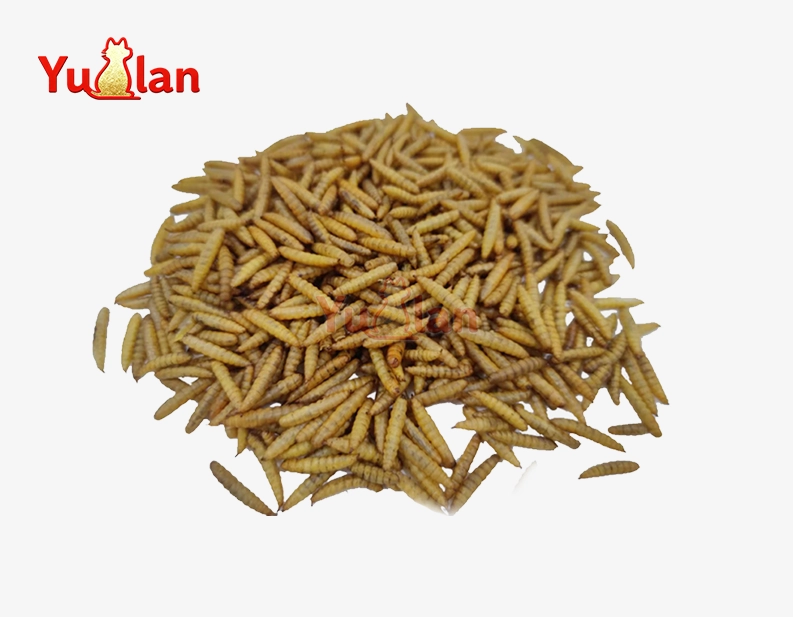
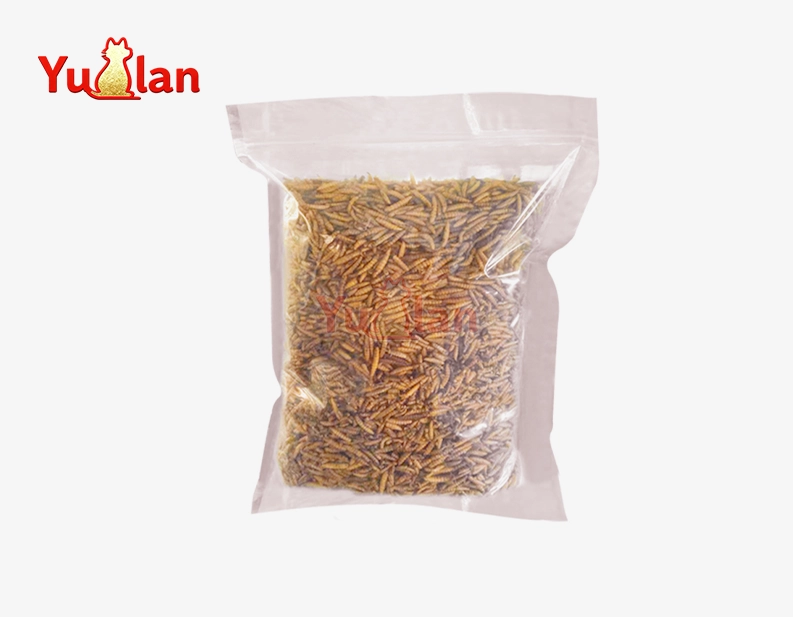
After harvesting, farmers can choose different processing methods according to feeding needs. Live mealworms can be directly fed to chickens, which can stimulate chicken foraging instinct and improve flock activity. For long term storage and standardized feeding, low temperature drying treatment is the best choice. Dried mealworms can maintain stable nutrition for 12 to 18 months, making mealworm chicken feed available for long term reserve and balanced feeding.
Post harvest quality inspection is indispensable. It is necessary to screen mealworms of uniform size, remove defective and deteriorated individuals, and regularly detect bacterial content, heavy metals and mycotoxins. Strict quality control ensures that mealworm is safe, healthy and suitable for long term supplementary feeding of flocks.

Scientific Feeding Strategy and Comprehensive Benefits Application
Reasonable matching and feeding methods can maximize the nutritional value of mealworm chicken feed. Blind excessive feeding will cause nutritional imbalance, while insufficient feeding cannot exert the advantage of insect protein. Targeted feeding schemes for chickens at different growth stages can effectively improve flock health, egg quality and breeding economic benefits.
Stage Based Feeding Ratio and Usage Rules
Chickens of different ages and breeding purposes have different tolerance and demand for mealworm chicken feed. For laying hens in the peak laying period, the optimal supplementary feeding ratio of mealworm is 5 to 10 percent of the daily total feed. This ratio can supplement sufficient protein and amino acids, improve eggshell thickness and yolk color, and stabilize laying rate.
For growing broilers with fast growth rate, the feeding ratio can be increased to 8 to 15 percent. High protein mealworm chicken feed can accelerate broiler muscle development, improve feed conversion efficiency and shorten the breeding cycle. For young chicks within three months old, it is necessary to crush dried mealworms into fine powder and mix them with starter feed to avoid indigestion.
No matter which stage of chickens, the principle of gradual addition must be followed. It is necessary to slowly add mealworm chicken feed within 7 to 10 days, observe the flock’s feeding status and fecal changes, and adjust the dosage in time. This can effectively avoid intestinal discomfort and appetite decline caused by sudden feed changes.
Flock Health and Breeding Economic Benefits
Long term scientific feeding of mealworm can significantly improve the overall health level of flocks. Veterinary feeding data shows that chicken intestinal diseases and immune related problems can be reduced by 25 to 30 percent after continuous supplementary feeding of mealworms. The rich amino acids and trace elements enhance chicken immunity and reduce breeding medical costs.
In terms of product quality improvement, mealworm chicken feed can effectively optimize the quality of poultry products. Laying hens supplemented with mealworms produce eggs with thicker eggshells, richer yolk color and higher nutritional value, which have higher market premium. Broiler meat has better taste and richer omega 3 fatty acids, improving the market competitiveness of breeding products.
For large scale commercial farms, the standardized application of mealworm realizes a win win situation of cost reduction, efficiency improvement and green breeding. Self bred mealworms replace part of purchased high protein feed, greatly reduce raw material procurement costs, and meet the market demand for green and ecological poultry products.
Conclusion
Growing mealworms for chickens is a scientific, economical and sustainable breeding optimization scheme for modern poultry farms. Mealworm chicken feed cultivated through standardized environment control, substrate configuration, daily management and timed harvesting has high protein, rich amino acids and safe nutritional characteristics. It makes up for the nutritional deficiencies of traditional plant based feed, effectively improves flock immunity, feed conversion efficiency and poultry product quality. Formulating targeted feeding ratios according to the growth stage of chickens can maximize the breeding benefits of mealworm feed. Whether for small family breeding or large industrial poultry farms, self breeding mealworms to prepare mealworm can reduce breeding costs, realize green circular breeding, and bring stable and long term economic and ecological benefits to the poultry breeding industry.
FAQs
What is the daily feeding amount of mealworm chicken feed for chickens?
The feeding dosage of mealworm chicken feed needs to be adjusted according to chicken age and breeding type. Adult laying hens are suitable for a daily supplementary proportion of 5 to 10 percent, about 10 to 15 grams per chicken. Growing broilers can accept 8 to 15 percent proportion to meet rapid growth nutrition needs. Chicks need to use crushed mealworm powder with a lower proportion. All feeding operations require gradual addition to help the chicken digestive system adapt.
Are live or dried mealworms better for mealworm chicken feed?
Both forms of mealworm chicken feed have their own advantages. Live mealworms can stimulate chicken natural foraging behavior, improve flock vitality and retain the most original nutrients. They are suitable for daily free range supplementary feeding. Dried mealworms have stable nutritional indicators, long storage time of 12 to 18 months and convenient transportation and management. They are more suitable for large scale commercial farms and long term fixed feeding plans.
What are the key points to avoid failure in mealworm breeding?
The core of successful mealworm breeding is to stabilize temperature and humidity, keep the substrate clean and avoid excessive feeding. Uncontrolled humidity is the main cause of substrate mold and mealworm death. Regular cleaning of dead insects and residual waste can prevent bacterial pollution of mealworm chicken feed. In addition, fixed cycle harvesting can avoid nutrient loss and ensure stable feed supply for chickens.
Can mealworm chicken feed completely replace traditional chicken feed?
Mealworm chicken feed can only be used as a high quality protein supplement, not a complete replacement for traditional chicken feed. Traditional feed contains balanced carbohydrates, calcium and other conventional nutrients required for chicken growth. Mealworms focus on supplementing high protein and amino acids. Scientific mixed feeding can achieve the best nutritional balance and breeding effect.
How to realize large scale batch breeding of mealworms?
Large scale mealworm breeding needs to adopt multi tier three dimensional breeding equipment, realize standardized temperature and humidity intelligent control, and match automated feeding and screening systems. Purchasing unified high quality breeding stock and establishing regular harvesting and quality inspection standards can ensure stable batch output of mealworm chicken feed and meet the feeding needs of industrial poultry flocks.
Partner with Yunlan for Premium Mealworms Chicken Feed Solutions
Yunlan is a professional global supplier focusing on high quality insect protein feed, with 20 years of pet and poultry feed supply chain experience. We specialize in providing stable, safe and high nutrition mealworm for large scale poultry farms, breeding bases and B2B feed procurement merchants worldwide. Our products adopt advanced microwave drying technology, with zero chemical additives and pure natural nutrition retention. The protein content of our mealworm chicken feed is stably maintained at about 50 percent, with complete amino acid components and ultra high digestibility, which can effectively improve flock health and breeding efficiency. Relying on nearly 100 million yuan of R and D investment and 97 authorized patents, we have established strict raw material screening and quality inspection systems. Our products have passed international safety certifications and are exported to more than 60 countries and regions. We support bulk wholesale, customized processing and private label services, with a complete national logistics distribution system and stable supply capacity. Whether you need sample testing, long term bulk procurement or customized feed solution matching, our professional team can provide one stop service support. Please send business inquiries to minghuixu6717@gmail.com to obtain exclusive quotation and technical guidance, and create a green and efficient poultry breeding benefit system together.
References
-
Van Huis, A., & Oonincx, D. G. A. B. (2023). Nutritional Value and Environmental Impact of Mealworms in Poultry Feed Applications. Journal of Agricultural Science and Technology, 15(3), 287-304.
-
Thompson, R. K., & Mitchell, S. P. (2024). Economic Analysis of Alternative Protein Sources in Commercial Poultry Production Systems. International Journal of Poultry Economics, 8(2), 145-162.
-
Chen, L., Roberts, M. A., & Davidson, J. R. (2023). Mealworm Cultivation Techniques for Large Scale Feed Production: Best Practices and Quality Control. Insect Farming Quarterly, 12(4), 78-95.
-
Williams, E. H., Anderson, K. L., & Brown, D. C. (2024). Comparative Study of Protein Sources in Poultry Nutrition: Performance and Cost Effectiveness Analysis. Poultry Science Research, 29(7), 234-251.
-
Martinez, C. A., & Johnson, P. R. (2023). Supply Chain Management for Insect Protein in Commercial Agriculture: Strategic Procurement Considerations. Agricultural Business Management, 18(6), 112-129.
-
Lee, S. K., & Parker, T. M. (2024). Environmental Sustainability Assessment of Mealworm Production for Livestock Feed Applications. Sustainable Agriculture Review, 41(2), 67-84.