- English
- French
- German
- Portuguese
- Spanish
- Russian
- Japanese
- Korean
- Arabic
- Irish
- Greek
- Turkish
- Italian
- Danish
- Romanian
- Indonesian
- Czech
- Afrikaans
- Swedish
- Polish
- Basque
- Catalan
- Esperanto
- Hindi
- Lao
- Albanian
- Amharic
- Armenian
- Azerbaijani
- Belarusian
- Bengali
- Bosnian
- Bulgarian
- Cebuano
- Chichewa
- Corsican
- Croatian
- Dutch
- Estonian
- Filipino
- Finnish
- Frisian
- Galician
- Georgian
- Gujarati
- Haitian
- Hausa
- Hawaiian
- Hebrew
- Hmong
- Hungarian
- Icelandic
- Igbo
- Javanese
- Kannada
- Kazakh
- Khmer
- Kurdish
- Kyrgyz
- Latin
- Latvian
- Lithuanian
- Luxembou..
- Macedonian
- Malagasy
- Malay
- Malayalam
- Maltese
- Maori
- Marathi
- Mongolian
- Burmese
- Nepali
- Norwegian
- Pashto
- Persian
- Punjabi
- Serbian
- Sesotho
- Sinhala
- Slovak
- Slovenian
- Somali
- Samoan
- Scots Gaelic
- Shona
- Sindhi
- Sundanese
- Swahili
- Tajik
- Tamil
- Telugu
- Thai
- Ukrainian
- Urdu
- Uzbek
- Vietnamese
- Welsh
- Xhosa
- Yiddish
- Yoruba
- Zulu
Many squirrels like snacking on dried mealworms, which are a good source of nutrition. Despite their reputation for nut-burying, squirrels are really omnivores by nature. Their natural food mostly consists of insects and their larvae. If you're a backyard feeder, you may have noticed that squirrels are stealing mealworms from bird feeders. This is because mealworms are very similar to the insect protein that squirrels already eat.
So, yeah, to put it plainly. And yet, there are questions that get better results. Is it true that squirrels get any nutritional value from mealworms? In that case, how many do you think are best? Are you aware that squirrels in their natural habitat shouldn't be fed? This guide covers all the bases, including the nutritional cautions that most feeding articles leave out.

Do Squirrels Eat Dried Mealworms?
Squirrels' natural diet might provide light on their eagerness to consume dried mealworms. Squirrels eat a lot more variety in their food than what you may expect from a cartoon of them eating an acorn.
Squirrels Are Omnivores, Not Just Nut Eaters
Gray, red, and fox squirrels all have the same opportunistic feeding behaviors. Nuts and seeds make up the bulk of their diet. However, they also eat mushrooms, berries, tree buds, and even bird egg yolks. You could also find bug larvae and adult insects on the menu as the weather warms up. Squirrel pups rely mostly on bug protein as they grow.
Because mealworms are really simply the dried-up larvae of beetles—specifically, the darkling beetle, Tenebrio molitor—this is a very important finding. For squirrels, they provide a tasty and familiar kind of natural food. Nobody has to worry about a learning curve. Most squirrels will look them over and maybe even eat them when they first see them.
Why Squirrels Find Them So Appealing?
Dried mealworms are appealing to squirrels for three reasons. To begin with, an animal that consumes calories continuously would benefit from the protein and fat content, which provides dense energy. Next, the proportions are perfect. With ease, a squirrel may grasp one, manipulate it, and consume it with its front paws and teeth. Another great thing about them is how crunchy they are. Things that squirrels can chew on entice them.
Serious bird feeders are frequently irritated by this as they know it all too well. Squirrels often deplete mealworm feeders meant for robins and bluebirds. Wildlife rehabilitators provide a varied food for the squirrels in their care, which commonly includes insect protein sources such as mealworms.
Squirrels just love these. Whether they should or not is the next question to think about, and the answer depends on what's in a dried mealworm.

Dried Mealworms Nutritional Value
What's Inside a Dried Mealworm?
Drying removes most of the water, which increases the nutrient content. The protein content of dried mealworms is around 50% of their weight, and they include a reasonable amount of fiber and a lot of fat. Because it varies depending on the source and processing method, the precise quantity can only be found on the product's label.
These types of proteins are beneficial during molting season because they include amino acids, which are necessary for the proper functioning of muscles and hair. Because it provides concentrated energy, squirrels store fat for winter, and nursing mothers utilize it in the spring. In addition to providing B vitamins, mealworms are a good source of minerals including iron, potassium, and phosphorus.
The Calcium Problem You Need to Know About
A large number of articles fail to provide this caution. Phosphorus is abundant while calcium is scarce in mealworms in their natural habitat. Analyzes of feeder insect diets repeatedly show the opposite calcium-to-phosphorus ratio. An animal that eats too many mealworms could develop metabolic bone disease if it doesn't have access to other sources of calcium.
An occasional handful of dried mealworms isn't dangerous for a wild squirrel that eats a diversified natural diet. The risk arises when mealworms are overfed, turning them become a regular part of the diet instead of an occasional pleasure. That is why mealworms should only ever be used as a supplement, and never as a main source of nutrition, by wildlife rehabilitators. In your garden, you should use the same logic.
Dried Versus Live Mealworms
For home feeding, dried mealworms are the way to go. Put any live mealworms in the fridge and eat them quickly. With proper storage in a dry, cool place, the dried version keeps its taste for quite a while. No squirming, stinking, or special handling is required.
Some birds prefer eating live insects due to their higher visual appeal and somewhat higher moisture retention. On the other hand, squirrels will gorge themselves on dried mealworms. Rehydrating them in warm water for a few minutes can help soften and moisten them in hot and dry weather.
The most important thing is to find out what mealworms can't accomplish so you can give them the right things.

How to Feed Dried Mealworms to Squirrels Safely?
When it comes to the topic of feeding wild squirrels, wildlife biologists have strong and valid viewpoints. If not done carefully, it has the potential to create independent and courageous beings while also injuring them. With caution and self-control, it may be a fun and safe pastime. The following rules are an effort at a middle ground.
How Much and How Often?
You should only consume dried mealworms on rare occasions. It just takes a little bit of dispersal a few times weekly. Because there is no "dose" that has been shown to be effective for wild squirrels on a regular basis, it is best to give them less. Stop feeding squirrels right away if they start acting strangely, like waiting for you or even approaching humans instead of foraging on their own.
When feeding mealworms, it's best to provide a range of foods. For example, squirrels will work for their food and engage in natural behaviors if you give them unsalted nuts in their shell. Products that are salted, seasoned, or flavorful should never be offered.
Where and How to Offer Them?
Spread out some dried mealworms or a platform feeder in a remote area, away from houses, highways, and any cats that may be out and about. Maintaining a physical distance is crucial. Once squirrels figure out that buildings provide food, they'll start associating buildings with shredded siding and invading attics.
Make sure the feeding area is always clean. Remove any uneaten food from feeders and keep them clean to prevent mold growth. Wildlife officials are against intensive feeding for several reasons, one of which being the risk of disease transmission among animals in close quarters. The risk is lessened when little amounts are promptly cleaned up.
When You Should Not Feed Wild Squirrels?
If it's against the law to feed squirrels in your area, if they cause damage to your property, or if rodents like rats and raccoons eat squirrel food, then you should probably just not give them any. Always use a spoon while feeding a baby. Because it needs food to stay alive, squirrels are less scared of cars and other predators; yet, if they see humans reaching out for food, they may bite.
When you see a squirrel that seems injured or abandoned, do not immediately begin feeding it. Consult a registered animal welfare group. Poor diets, which may include an abundance of mealworms, are a common cause of nutritional issues in squirrels who have been rescued.

Conclusion
What about squirrels and dried mealworms? Without a doubt—with great zeal, to be exact. During molting, mating, and bulking up for winter, these dried larvae provide actual nutritional benefit since they resemble the insect protein that squirrels normally eat. Moderation is crucial. You should only provide mealworms as a little "occasional treat" in addition to, not in instead of, natural foraging, as they are rich in phosphorus but lacking in calcium.
Feed sparingly, maintain a safe distance, clean up after yourself, and obey the laws of the region. In doing so, you may provide the squirrels in your area with a non-toxic food source: mealworms.
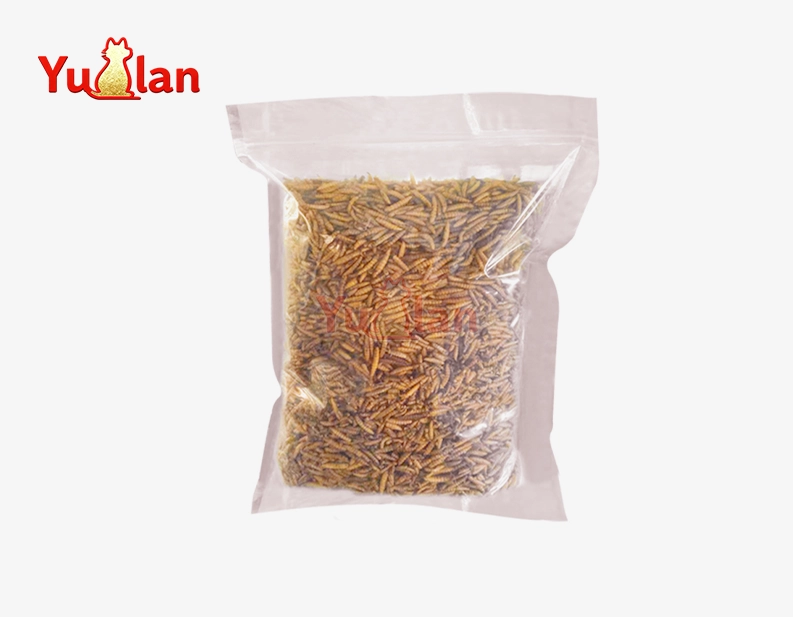
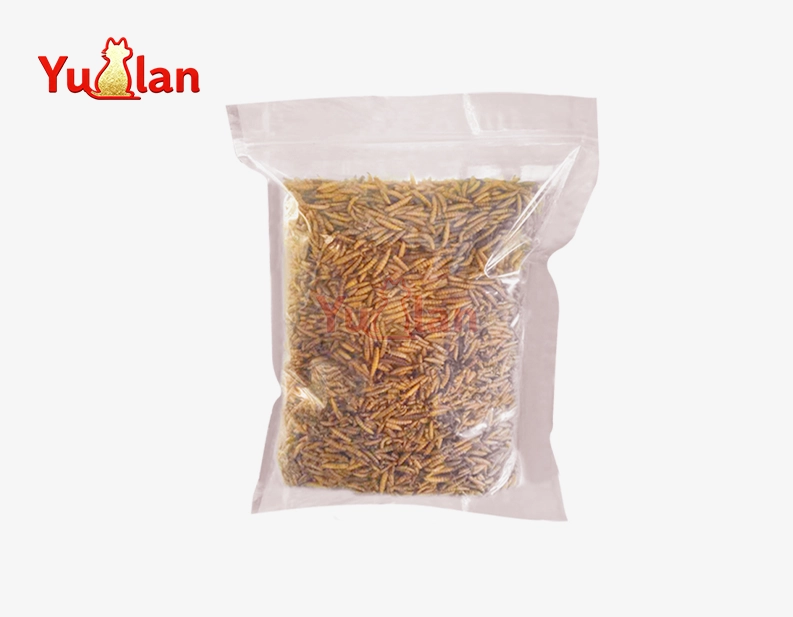
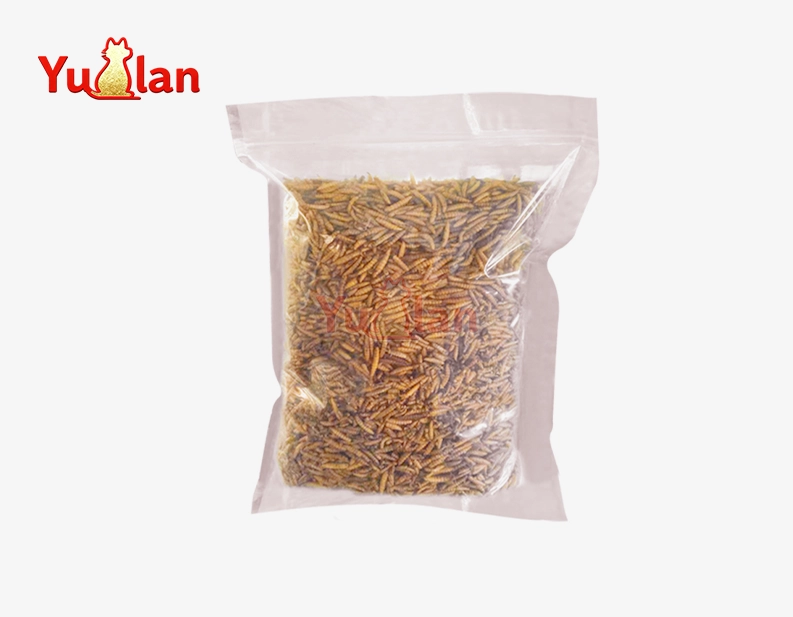
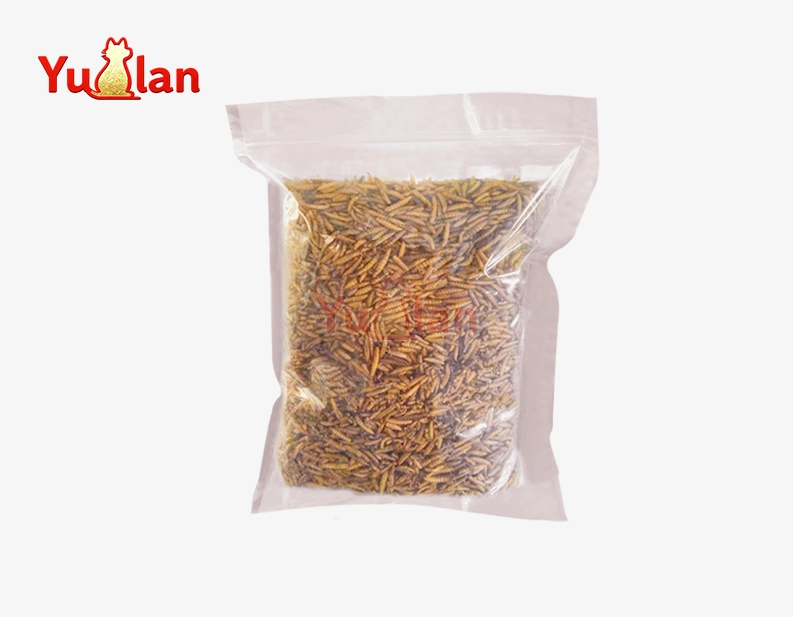
Our bulk dried mealworms are produced using microwave-drying technology, which removes pathogens while preserving nutrients. With over 20 years of experience in pet supply manufacturing and exporting to 60+ countries, Yunlan is the perfect wholesale source for pet stores, bird food brands, and wildlife feeding businesses. For price and samples, please email minghuixu6717@gmail.com. We can also provide private labeling, product documentation, and bulk packing upon request.

FAQ
Q1: Do squirrels eat dried mealworms in the wild?
Squirrels don't encounter dried mealworms in nature, but they do eat wild insects and larvae as part of their omnivorous diet. That's why they accept dried mealworms so readily at feeders — the food matches something they already know.
Q2: Are dried mealworms safe for squirrels?
In small amounts, yes. The main risk is overfeeding: mealworms are low in calcium and high in phosphorus, and a mealworm-heavy diet can contribute to metabolic bone disease. Keep them as an occasional treat within a varied diet.
Q3: Will squirrels steal mealworms I put out for birds?
Very likely. Squirrels find dried mealworms just as appealing as birds do. If you want to protect bird feeders, use a baffled pole or a caged mealworm feeder, and consider offering the squirrels their own food source farther away.
Q4: How should I store dried mealworms?
Keep them in a sealed, airtight container in a cool, dry place away from sunlight. Stored properly, they typically stay fresh for many months. Discard any that smell rancid, look moldy, or have absorbed moisture.
Q5: Can baby squirrels eat dried mealworms?
No. Infant squirrels need species-appropriate formula, not solid insect protein. If you find an orphaned baby squirrel, contact a licensed wildlife rehabilitator rather than attempting to feed it yourself.
References
- Finke, M.D. (2002). "Complete nutrient composition of commercially raised invertebrates used as food for insectivores." Zoo Biology, 21(3), 269–285.
- Royal Society for the Protection of Birds (RSPB) — "Mealworms for birds: feeding guidance." rspb.org.uk
- Cornell Lab of Ornithology, Project FeederWatch — "Feeding mealworms to backyard wildlife." feederwatch.org
- The Humane Society of the United States — "Should you feed wild animals?" humanesociety.org
- The Wildlife Center of Virginia — "Living with squirrels: care and feeding concerns." wildlifecenter.org
- van Huis, A., et al. (2013). Edible Insects: Future Prospects for Food and Feed Security. FAO Forestry Paper 171, Food and Agriculture Organization of the United Nations.