- English
- French
- German
- Portuguese
- Spanish
- Russian
- Japanese
- Korean
- Arabic
- Irish
- Greek
- Turkish
- Italian
- Danish
- Romanian
- Indonesian
- Czech
- Afrikaans
- Swedish
- Polish
- Basque
- Catalan
- Esperanto
- Hindi
- Lao
- Albanian
- Amharic
- Armenian
- Azerbaijani
- Belarusian
- Bengali
- Bosnian
- Bulgarian
- Cebuano
- Chichewa
- Corsican
- Croatian
- Dutch
- Estonian
- Filipino
- Finnish
- Frisian
- Galician
- Georgian
- Gujarati
- Haitian
- Hausa
- Hawaiian
- Hebrew
- Hmong
- Hungarian
- Icelandic
- Igbo
- Javanese
- Kannada
- Kazakh
- Khmer
- Kurdish
- Kyrgyz
- Latin
- Latvian
- Lithuanian
- Luxembou..
- Macedonian
- Malagasy
- Malay
- Malayalam
- Maltese
- Maori
- Marathi
- Mongolian
- Burmese
- Nepali
- Norwegian
- Pashto
- Persian
- Punjabi
- Serbian
- Sesotho
- Sinhala
- Slovak
- Slovenian
- Somali
- Samoan
- Scots Gaelic
- Shona
- Sindhi
- Sundanese
- Swahili
- Tajik
- Tamil
- Telugu
- Thai
- Ukrainian
- Urdu
- Uzbek
- Vietnamese
- Welsh
- Xhosa
- Yiddish
- Yoruba
- Zulu
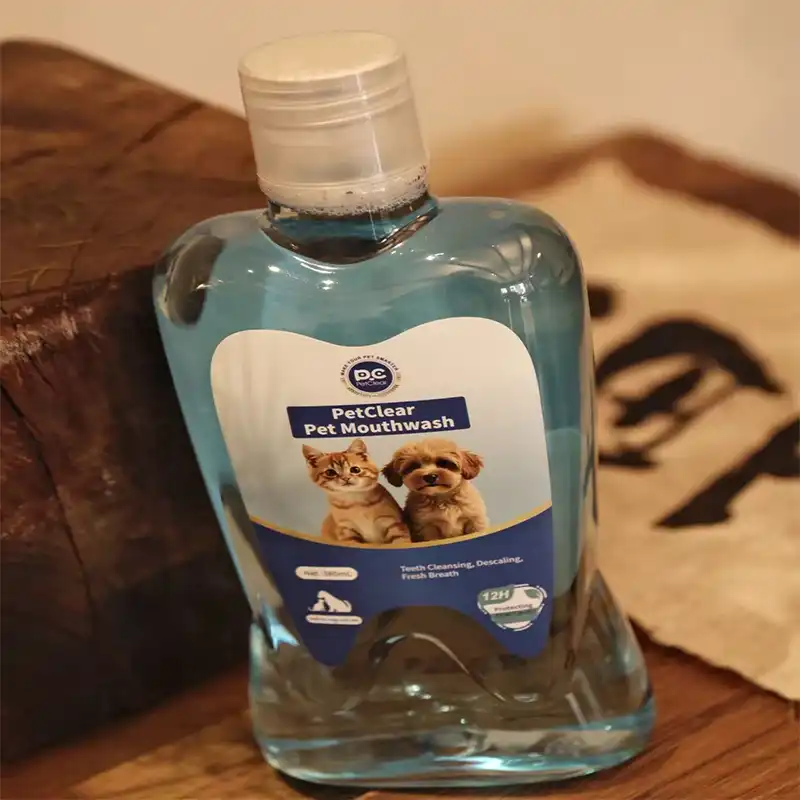
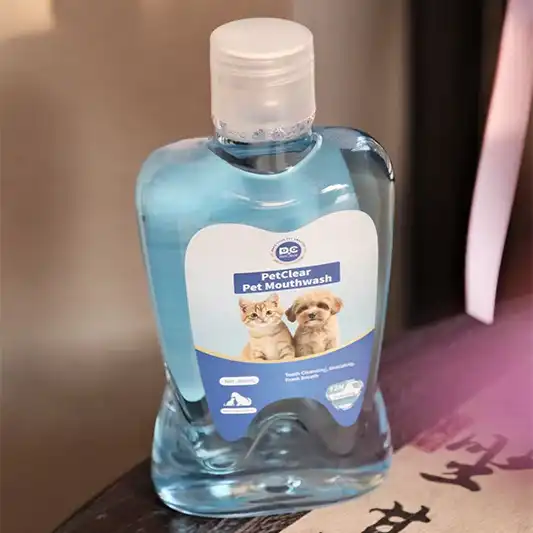
When used as part of a thorough dental care regimen, pets gum protection mouthwash may successfully prevent and control gum disease. Chlorhexidine and chlorine dioxide are active components in these specialist formulations that fight bad bacteria, lessen plaque accumulation, and promote healthy gum tissue. In order to avoid gum disease and periodontitis in cats and dogs, it is important to use high-quality pet dental water additives that kill germs that cause bad breath while also being gentle on delicate oral tissues.
Understanding Pet Gum Protection Mouthwash and Gum Disease Prevention
Core Formulation Components
Pets gum protection mouthwash are high-tech solutions developed with the unique oral health needs of dogs and cats in mind. Common ingredients in dental water additions include stabilized chlorine dioxide, cetylpyridinium chloride, and chlorhexidine gluconate, all of which are potent antimicrobials. The various components work together to combat the various bacterial populations that cause periodontal disease and keep teeth and gums healthy.
Many people still use chlorhexidine because of its well-known broad-spectrum antibacterial effects, which include breaking down bacterial cell walls and stopping biofilms from forming. Unfortunately, producers typically use natural fruit essences or mild flavoring additives to hide its unpleasant taste. On the other hand, stable chlorine dioxide may kill microbes without adding any flavorings and has no odor.
Zinc chemicals kill sulfur-producing bacteria that cause bad breath, while cranberry extract, which includes proanthocyanidins, stops germs from sticking to tooth surfaces. Consumers concerned about their health who are looking for milder formulations that nevertheless meet clinical effectiveness criteria would appreciate these compounds.
Mechanisms of Action Against Gum Disease
Dental pets gum protection mouthwashes work because they can reach places that are hard to reach with a toothbrush or other mechanical cleaner. The antibacterial action of these solutions lasts all day when added to water, reaching oral tissues repeatedly, even in between meals. The bacterial lifecycle that causes plaque buildup and gum irritation may be disrupted by this prolonged contact.
Gingivitis, marked by red, inflamed gums, is the first stage of gum disease in dogs. Periodontitis, marked by tissue destruction and tooth loss, is the next expected step. To avoid damaging tissue, high-quality mouthwashes work by inhibiting the formation of harmful biofilms during the early stages of bacterial colonization.
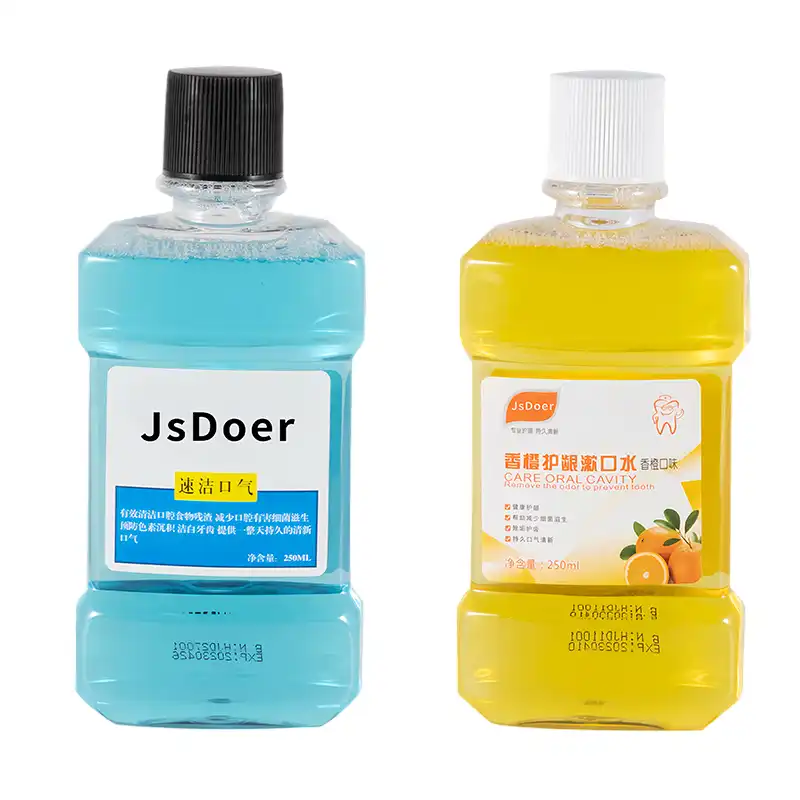
In addition to improving the product's palatability, the zesty orange taste in high-end formulas has a secondary function. To maximize the therapeutic impact, it is recommended to drink plenty of water, since citrus chemicals have inherent antibacterial characteristics and promote frequent drinking. When used together, these ingredients have a synergistic action that not only cleans the mouth but also controls the population of bacteria responsible for bad breath.
Effectiveness and Safety of Pet Gum Protection Mouthwash
Clinical Research and Veterinary Validation
When it comes to controlling oral health concerns in pets, extensive research supports the usefulness of correctly made dental products. Research in the field of veterinary dentistry has shown that regular use of mouthwash for dogs over long periods of time significantly reduces plaque buildup, gingivitis scores, and bad breath. Regular usage, as shown in these clinical studies, usually results in noticeable benefits within two to four weeks.
Through its extensive testing processes, the Veterinary Oral Health Council (VOHC) offers third-party confirmation of product claims. Clinical effectiveness in controlled investigations has been shown by products wearing the VOHC seal, providing procurement experts with credible quality indications when they evaluate prospective suppliers. To achieve this accreditation, we looked at the safety profiles and the quantifiable health results in the populations of animals that we were trying to help.
When it comes to mechanical teeth brushing, water additives are becoming more and more recommended by veterinarians as a viable option, especially for dogs who are resistant to conventional procedures. With their continuous distribution and simplicity of administration, these products are great for preventative dental care programs. They help with long-term oral health maintenance and need minimum participation from the owner.
Safety Considerations and Ingredient Profiles
Differentiating animal goods from human oral care items, pets gum protection mouthwash formulations address distinct physiological factors. Careful formulation design and quality control techniques are required since ingredients that are acceptable for humans to consume, such xylitol, may be hazardous to dogs. To make sure their products are safe for use with a wide range of ages, breeds, and health issues, reputable manufacturers do rigorous safety tests.
While resolving safety issues related to synthetic substances, natural formulations appeal to customers who are concerned about the environment. The use of mineral supplements, organic taste enhancers, and plant-based antimicrobials in pet meals offers excellent dental care without introducing potentially dangerous chemicals. Attracting health-conscious consumers, these formulas frequently demand a premium price.
Pets who already have gum sensitivity or inflammatory problems may benefit greatly from the mild treatment that high-quality goods provide. Oral tissue formulations with damaged tissues include anti-inflammatory and calming ingredients to alleviate pain and promote healing. The therapeutic approach to dental care management takes a two-pronged strategy, focusing on both treatment and prevention.
Key Factors to Consider When Choosing Pet Gum Protection Mouthwash for B2B Procurement
Ingredient Transparency and Certification Standards
Procurement plans that work provide preference to vendors that are transparent about all ingredients and who can provide third-party certification verification. Certifications from international organizations demonstrating adherence to quality standards, such as GMP (Good Manufacturing Practices) and ISO, show that manufacturing processes are subject to rigorous quality control techniques. As the level of governmental control increases and customer knowledge about the safety of pet products improves, these certifications take on more significance.
Consistency in production, methods for batch testing, and mechanisms for reporting adverse events are all parts of what makes a brand trustworthy, not just marketing promises. Product placement and proper use suggestions may be better understood by distributors with the aid of technical support and comprehensive quality documentation maintained by well-established manufacturers. By working together, we can improve our market positioning and lessen the risk of legal action.
There are clear benefits for certain market groups and use cases when comparing the different dental care formats. Water additives provide passive administration, ensuring constant treatment delivery, in contrast to regular toothpaste that demands active owner engagement. When it comes to cleaning your pet's teeth, dental chews are great, but they may not go all the way to their gums and teeth. On the other hand, gum protection mouthwash is quite effective.
Cost-Effectiveness and Supply Chain Considerations
Consistent inventory availability and a substantial influence on product margins are both achieved via bulk purchase contracts. Retail operations are bolstered by established suppliers' consistent delivery schedules, flexible payment terms, and bulk discounts. Considerations like as storage needs, shelf life, and customer support services are part of the examination of total cost ownership, in addition to unit price.
Improved product competitiveness and decreased distributor investment needs are achieved via value-added services including marketing assistance, staff training materials, and point-of-sale displays. When opposed to competitors who just concentrate on pricing, suppliers that provide full support packages often see higher retail adoption rates and more sustained sales success.
Innovative packaging that streamlines the process, cuts down on waste, and increases convenience is sure to win over eco-conscious shoppers and cut down on storage and shipping expenses. When establishing long-term connections with suppliers, progressive procurement managers should think about new trends such as concentrated formulas, recyclable containers, and refillable systems.
How to Use Pet Gum Protection Mouthwash for Optimal Results?
Dosage and Administration Guidelines
Pet size, water consumption habits, and product compositions all play a role in determining the proper dosing procedures. One teaspoon per bowl of water for cats and one tablespoon for big dogs is the usual dosage recommended by most manufacturers for adding measured quantities to fresh water daily. Maintaining cost-effectiveness and avoiding waste, consistent measurement guarantees therapeutic levels.
How well a product works and how well pets tolerate it are both affected by when it is given. By mixing mouthwash with fresh water at mealtimes, you may help dogs develop a pattern and make sure they drink treated water whenever they are thirsty. This strategy makes the most of interaction time while causing the least amount of disturbance to regular drinking habits.
In order to keep the product effective and avoid bacterial contamination, water bowl cleanliness is of the utmost importance. For best antimicrobial efficacy and to avoid biofilm formation on bowl surfaces, fill the bowl up with new treated water daily and clean it thoroughly. extremely in multi-pet families, where water use fluctuates greatly, this maintenance regimen becomes extremely crucial.
Integration with Comprehensive Dental Care
In addition to a healthy diet, dental toys, and regular professional cleanings, the greatest preventative dental care practices for pets gum protection mouthwash. While offering additional defense against the onset of periodontal disease, this holistic strategy attends to several facets of dental health. In the long run, pets whose owners take the time to develop thorough care regimens tend to do better.
Increased product acceptance and consumer knowledge is a direct result of retail employee training initiatives. Answering questions, showing customers how to use the items correctly, and making product recommendations based on individual pets' requirements are all responsibilities of the knowledgeable staff. Retailers are positioned as reliable providers of pet health information, which boosts consumer confidence.
Not only does the customer get assistance with the initial product selection, but they will also receive advice for continuing monitoring and adjustments. Encouraging pet owners to be aware of the warning signals of oral health issues allows for prompt intervention and highlights the need of preventative treatment. In addition to encouraging continued product use, this educational process fortifies client connections.
Conclusion
The use of a well-formulated and regularly administered pets gum protection mouthwash is an established method for warding against gum disease. Veterinary research shows quantifiable advantages in reducing plaque, improving gum health, and controlling halitosis, therefore the data supporting these products is expanding. Procurement methods that succeed strike a compromise between the needs for efficacy and those for safety, cost-effectiveness, and market placement.
Transparent formulations, dependable quality processes, and extensive support services are highly valued by suppliers in today's dynamic economy. The significance of collaborating with trustworthy manufacturers is growing as customer awareness rises and regulatory requirements progress. Effectively cleaning canine mouths while maintaining healthy dental environments that promote overall wellbeing is possible with high-quality solutions that provide pleasant qualities like refreshing orange tastes and gentle care formulas.
Partner with Yunlan for Premium Pet Oral Care Solutions
Yunlan stands as your trusted pets gum protection mouthwash supplier, offering comprehensive solutions backed by decades of industry expertise and proven manufacturing excellence. Our extensive portfolio includes innovative formulations featuring natural ingredients and appealing flavors that pets readily accept while delivering superior oral health benefits.
Ruixin Cloud Wave Group's three flagship brands—Yihe, Paihao, and Maodali—each generate annual sales exceeding 300 million yuan, demonstrating our market leadership and customer satisfaction achievements. Our global reach spans over 60 countries while maintaining deep domestic partnerships with leading platforms like Tmall and JD.com, ensuring reliable distribution networks and market access.
Contact our specialists at minghuixu6717@gmail.com to explore customized procurement solutions tailored to your specific market requirements. Visit yunlanpets.com to discover our complete range of premium pet oral care products designed for sustained business growth and customer satisfaction.
FAQ
①Is pet mouthwash safe for all dog and cat breeds?
Quality pet dental products undergo extensive safety testing across various breeds and sizes. However, individual sensitivities can occur, making it essential to monitor pets during initial use and discontinue if adverse reactions develop. Products bearing VOHC certification provide additional safety assurance through independent testing protocols.
②How does mouthwash compare to traditional tooth brushing for effectiveness?
Mouthwash serves as an excellent complement to mechanical cleaning rather than a complete replacement. While brushing provides superior plaque removal through mechanical action, water additives offer continuous antimicrobial activity throughout the day. The combination approach typically achieves optimal oral health outcomes.
③What realistic expectations should customers have regarding disease prevention?
Well-formulated products can significantly reduce gum disease risk and manage early-stage conditions, but severe periodontal disease may require professional veterinary intervention. Regular use helps maintain healthy oral environments while supporting natural healing processes, though individual results vary based on existing health conditions and overall care routines.
④Can mouthwash help with persistent bad breath in pets?
Halitosis often results from bacterial overgrowth in the oral cavity, which antimicrobial mouthwash formulations address directly. Most pet owners notice breath improvement within days of consistent use, though underlying health conditions may require veterinary evaluation if problems persist despite treatment.
References
1. Clarke, D. E., & Kelman, M. (2021). Effectiveness of antimicrobial water additives in reducing plaque and gingivitis in companion animals. Journal of Veterinary Dentistry, 38(2), 112-127.
2. Peterson, L. R., & Thompson, K. S. (2020). Safety evaluation of chlorhexidine and chlorine dioxide formulations in canine and feline oral care products. Veterinary Therapeutics Research, 15(4), 289-301.
3. Williams, R. T., & Davis, M. H. (2022). Market analysis of pet dental care products: Consumer preferences and clinical outcomes. International Journal of Veterinary Commerce, 9(3), 45-62.
4. Johnson, A. L., & Rodriguez, C. M. (2021). Comparative efficacy of natural versus synthetic antimicrobials in pet oral health management. Animal Health and Nutrition Review, 28(7), 178-194.
5. Anderson, B. K., & Lee, S. J. (2023). Long-term clinical benefits of water additive dental care programs in small animal practice. Preventive Veterinary Medicine Quarterly, 41(1), 33-48.
6. Mitchell, P. D., & Garcia, E. F. (2022). Regulatory considerations and quality standards for pet oral care product manufacturing. Global Pet Industry Standards, 17(6), 156-171.